
The $200,000 Lottery: Is Solo Bitcoin Mining Actually Profitable?
The Anatomy of a Solo Mining Miracle In an era where Bitcoin mining has evolved into a hyper-competitive arms race dominated by multi-million…
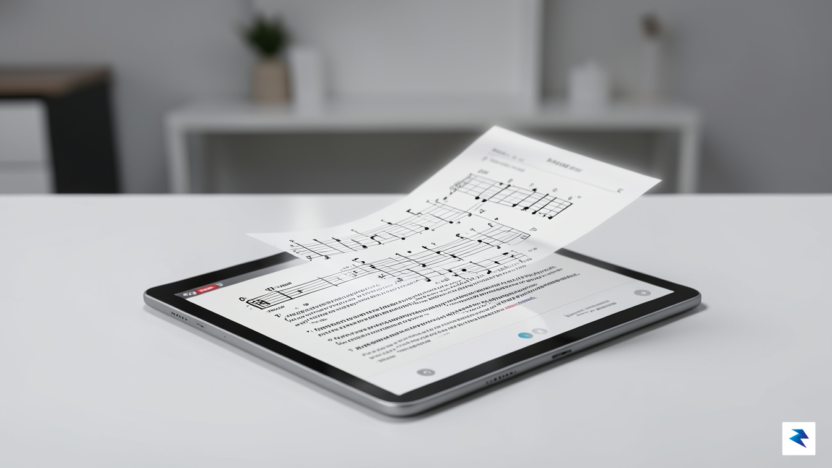
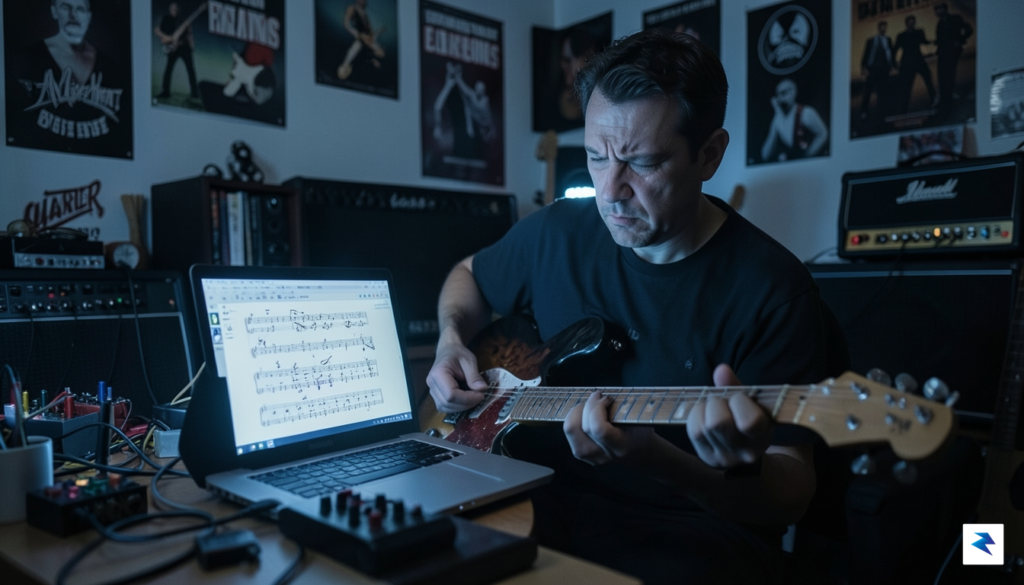
For most guitarists, the quest to learn a new song often begins with a frantic search for accurate tablature. In recent years, the market has been flooded with AI-powered transcription services promising to convert complex audio files into perfectly readable guitar tabs in seconds. However, anyone who has relied on these tools knows the crushing reality: the output is frequently riddled with ghost notes, incorrect fret positions, and rhythmic inconsistencies that make the music nearly impossible to play. While these algorithms are technically impressive, they often fall short because they treat music as a purely mathematical problem of frequency rather than a nuanced expression of physical technique.
The primary technical hurdle lies in the limitations of standard audio-based machine learning. Most current models struggle to isolate individual instrument tracks, especially in dense mixes where the guitar is competing with drums, bass, and vocals. When an AI attempts to perform a Fourier transform to identify specific notes, it often confuses the complex harmonics of an overdriven electric guitar with the resonance of other instruments. Furthermore, these models rarely understand the physics of the fretboard; they might suggest a note that is technically correct in pitch but physically impossible to play given the context of the surrounding chords. Consequently, the guitarist is left with a “tab” that sounds correct on a MIDI playback but feels completely wrong under the fingers.
The core of the problem isn’t just pitch detection; it is the absence of intent. An algorithm can identify a note, but it cannot understand a bend, a slide, or the specific ergonomic choices that make a riff flow naturally.
Because of these persistent errors, many musicians find themselves spending more time correcting the AI’s mistakes than they would have spent transcribing the song by ear in the first place. This tedious process of manual cleanup—adjusting rhythms, fixing octave errors, and adding essential articulation markers—defeats the entire purpose of automation. It creates a “correction loop” that is both frustrating and counterproductive. Instead of practicing the music, the guitarist is forced into the role of a software editor, manually scrubbing through tracks to verify if the AI captured that subtle vibrato or that quick hammer-on.
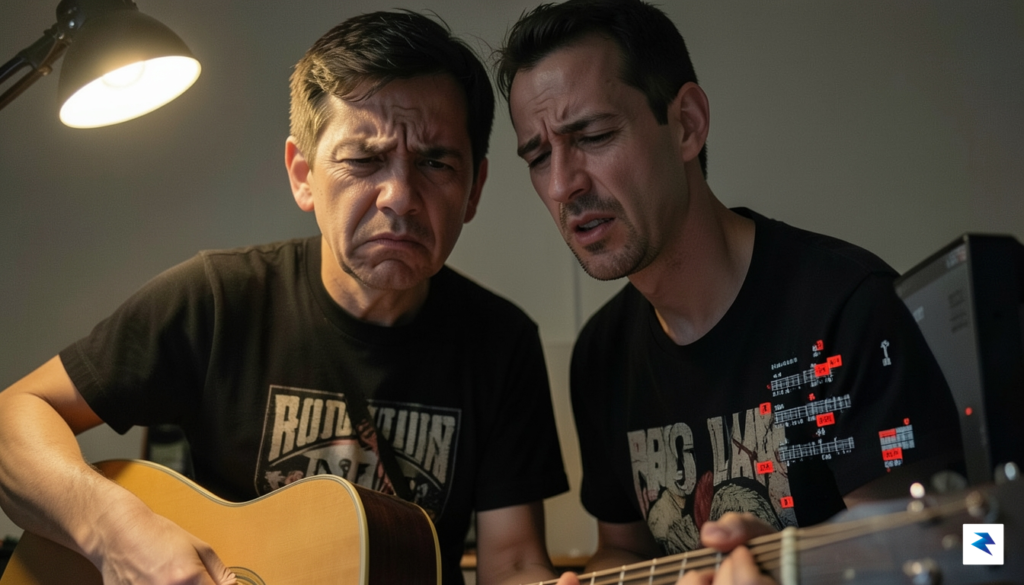
This reality highlights why shifting our approach is so critical. Instead of forcing an algorithm to “guess” what is happening in a muddy audio mix, we should focus on leveraging visual information. Video-based transcription—specifically analyzing how a player’s hands actually move on the fretboard—provides a level of ground truth that audio signals simply cannot match. By prioritizing what we can see, we bypass the chaotic interference of other instruments and tap into the performer’s deliberate choices. This transition from blind audio processing to visual analysis represents a fundamental shift in how we can finally achieve reliable, accurate, and playable guitar tabs without the need for endless manual adjustments.
Learning a new song from YouTube is often a test of patience. You find the perfect instructor, but you are forced to scrub through a twenty-minute video, pausing and rewinding repeatedly just to catch the fretboard geometry of a single riff. The YouTube Guitar Tab Parser changes this dynamic by rethinking how we extract information from video content. Rather than relying on fragile audio-to-MIDI transcription algorithms—which often struggle with complex effects, heavy distortion, or intricate picking dynamics—this tool treats the guitar lesson as a visual document. By leveraging advanced computer vision models, the parser “reads” the screen just as a human would, capturing the instructor’s on-screen tabs or fretboard overlays with high precision.
This shift from audio processing to visual scraping represents a fundamental change in philosophy. Audio transcribers frequently fail because they interpret the sound of the instrument, which is easily obscured by background noise or poor recording quality. In contrast, the visual approach targets the primary source of truth: the graphical notation provided by the creator. Because the tool focuses on the pixels representing the tablature itself, it effectively ignores the sonic inconsistencies that plague traditional AI transcribers. This ensures that the resulting output is not an estimation of the notes played, but an exact reproduction of the notation intended by the teacher.
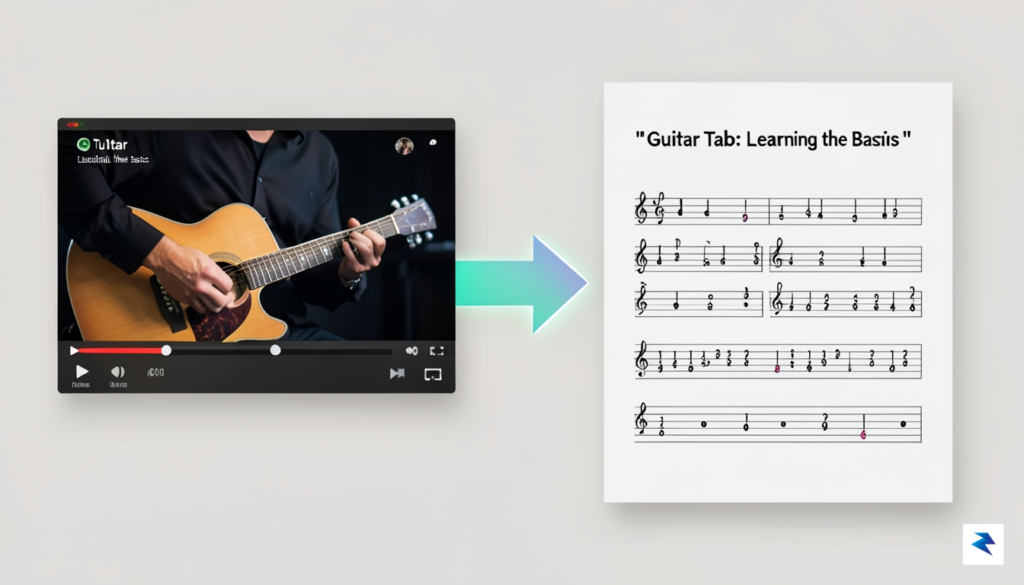
The target audience for this tool is the intermediate to advanced guitarist who has outgrown the need to watch someone play a riff at half-speed. If you already possess the technical proficiency to play a song but simply need the reference material to practice efficiently, this parser is designed for your workflow. It acknowledges that time is a musician’s most valuable asset. By converting long-form video tutorials into concise, readable PDFs, the tool allows you to bypass the fluff, the introductions, and the repetitive demonstrations, providing you with a static reference sheet that you can print, put on a music stand, or import into your digital practice suite.
The most effective practice sessions are those where the information is immediately accessible, allowing the player to focus on execution rather than navigation.
Ultimately, this approach bridges the gap between the modern era of video-based instruction and the timeless convenience of sheet music. It empowers you to curate a personal library of techniques and songs without being tethered to a browser or an internet connection. Whether you are working through a dense jazz progression or a fast-paced metal solo, the YouTube Guitar Tab Parser ensures that you can spend less time managing your video player and more time actually playing your instrument.
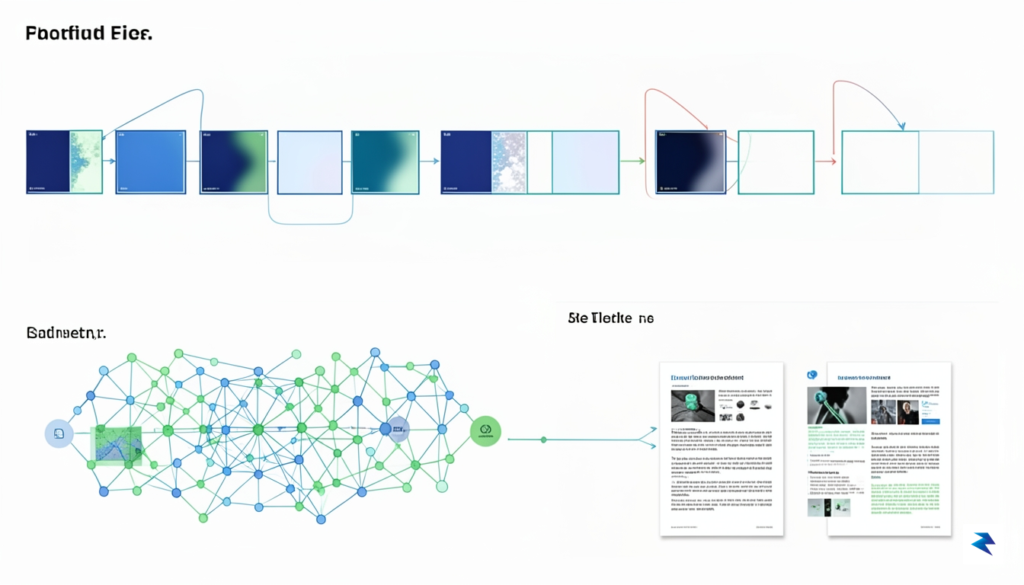
The journey from a fleeting moment in a YouTube tutorial to a structured, printable guitar tab begins with a robust ingestion pipeline. First, the tool leverages high-performance libraries to fetch the video file, ensuring that the visual data is captured at the highest available resolution. Once the video is secured, the system performs intelligent frame sampling, discarding redundant footage where the screen remains static or the instructor is simply talking. By focusing exclusively on segments where the fretboard or notation overlay is active, the engine significantly reduces computational overhead while maintaining focus on the essential musical content.
With the relevant frames isolated, the tool employs Claude Vision to conduct a sophisticated visual analysis. This AI-driven layer is trained to identify the specific coordinates of the guitar tablature on the screen, effectively distinguishing the musical staff from extraneous elements like background graphics or web player UI components. The model then crops these identified regions, normalizing them to ensure consistent sizing and clarity. This step is critical, as it strips away the “noise” of the video player and presents the raw musical data in a clean, uniform format ready for the next phase of assembly.
A persistent challenge in parsing video content is the high likelihood of capturing the same bar of music multiple times as the camera pans or the instructor repeats a riff. To solve this, the tool implements a de-duplication algorithm that anchors itself to the bar numbers typically present in guitar notation. By detecting and comparing these specific numerical identifiers, the software cross-references the current frame against previously processed segments. If a duplicate is detected, the system discards the redundant visual data, ensuring that the final output is a logical, linear progression of the song rather than a repetitive mess of overlapping frames.
The core of the process relies on treating video data not just as images, but as a sequence of structured musical events that must be filtered, validated, and reassembled with precision.
Finally, the sanitized segments are stitched together into a cohesive document. The software arranges the cropped tablature snippets onto a standard page layout, applying logic to ensure that line breaks occur at natural intervals, such as the end of a musical measure. This final rendering stage converts the processed visual fragments into a high-quality PDF. The result is a clean, easy-to-read document that functions exactly like a professional score, allowing musicians to practice offline without the constant distraction of pausing and rewinding the source video.
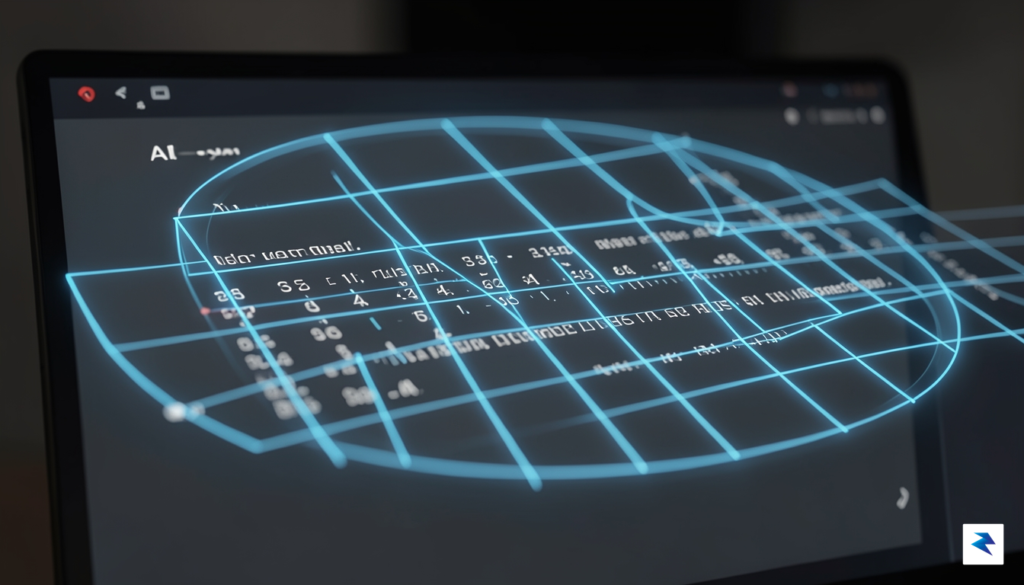
For decades, the standard approach to automated music transcription relied on digital signal processing—essentially asking an algorithm to “listen” to a sound wave and guess which notes are being played. While impressive, this method struggles immensely with the nuances of guitar performance, such as sympathetic resonance, overlapping overtones, and the sheer complexity of polyphonic textures. By shifting our perspective from the auditory to the visual, we fundamentally change the game. Instead of attempting to decode chaotic frequency data, we can leverage Large Vision Models (LVMs) like Claude to “read” the tablature directly from the screen, treating the instructional content as a static document rather than a fleeting performance.
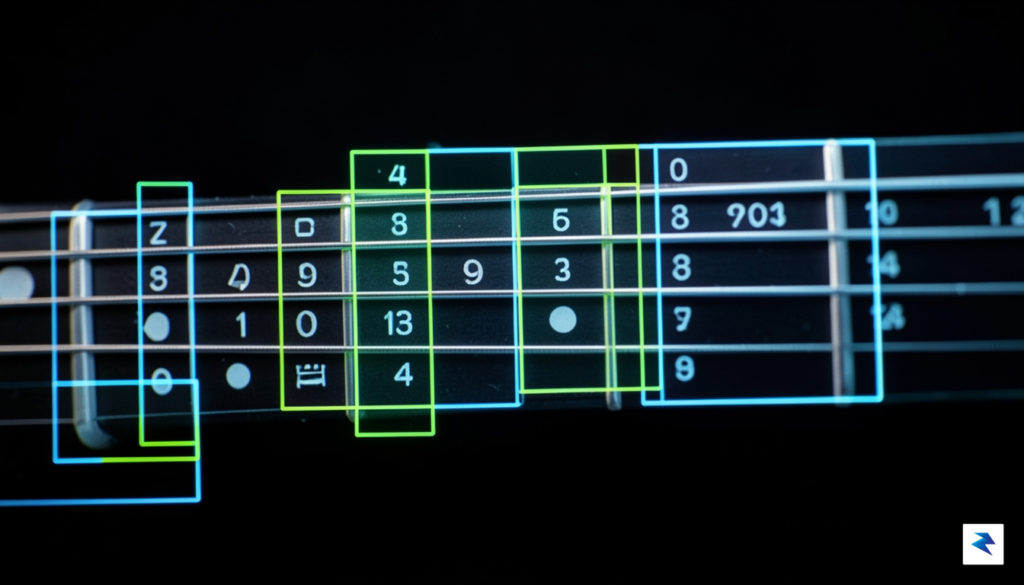
The technical superiority of vision-based parsing lies in its ability to interpret structural intent. Traditional audio-to-MIDI models often confuse a clean note with a slight accidental harmonic or a pick-slide, leading to “ghost notes” that ruin the accuracy of a transcription. In contrast, a vision model analyzes the geometry of the tablature itself. It sees the lines of the staff, the deliberate placement of numbers across the strings, and the specific symbols denoting techniques like bends, slides, and vibrato. Because the model is essentially performing high-level optical character recognition (OCR) combined with spatial reasoning, it ignores the “noise” of the audio and focuses entirely on the composer’s intended structure.
The core advantage of a vision-first approach is context: while a microphone hears only what is played, a vision model sees what is intended.
Furthermore, vision models offer unparalleled flexibility when dealing with the “Wild West” of internet guitar education. YouTube is filled with unconventional, handwritten, or poorly formatted tabs that would baffle a standard transcription engine. Where an audio-based system would require a perfect, isolated recording to function, a vision-capable system can interpret a hand-drawn chart on a whiteboard or a poorly lit screenshot of a legacy text file. The model understands the pattern of tablature—the way numbers align with specific string lines—regardless of the font, the handwriting style, or the page layout. This robust structural integrity ensures that even the most obscure or aesthetically messy lessons can be converted into clean, readable notation, effectively democratizing access to musical knowledge that was previously trapped in lower-quality video formats.
Ultimately, this paradigm shift represents a move toward more intelligent, human-like interpretation. By utilizing vision models, we are not just converting data; we are replicating the experience of a student looking at a teacher’s notes. This allows the software to navigate the intricacies of musical notation with a level of common sense that purely mathematical audio analysis simply cannot match. As these vision models continue to evolve, the ability to bridge the gap between video tutorials and tangible, usable sheet music will become increasingly seamless, turning hours of tedious manual transcription into a matter of seconds.
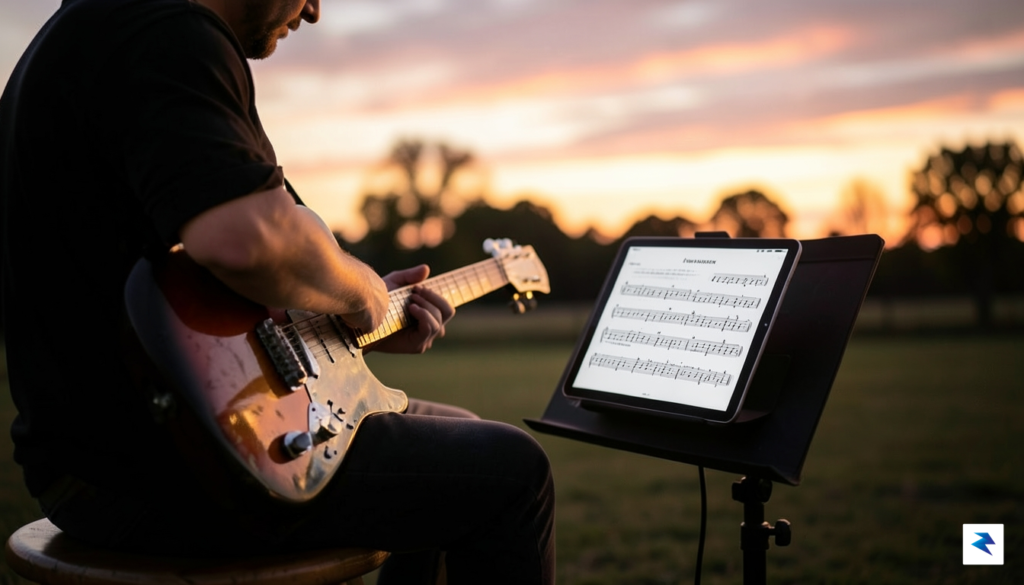
While this tool represents a significant leap forward in automating the transcription process, it is important to approach it with the understanding that it is currently in its early, experimental stages. Like many burgeoning AI-driven projects, the software performs exceptionally well under ideal conditions—such as high-definition videos with clear, high-contrast tablature—but it can struggle when faced with the chaotic variety of content found on YouTube. Musicians should expect occasional misinterpretations of complex rhythmic notation or discrepancies in finger placement when the source video suffers from compression artifacts or unconventional visual layouts.
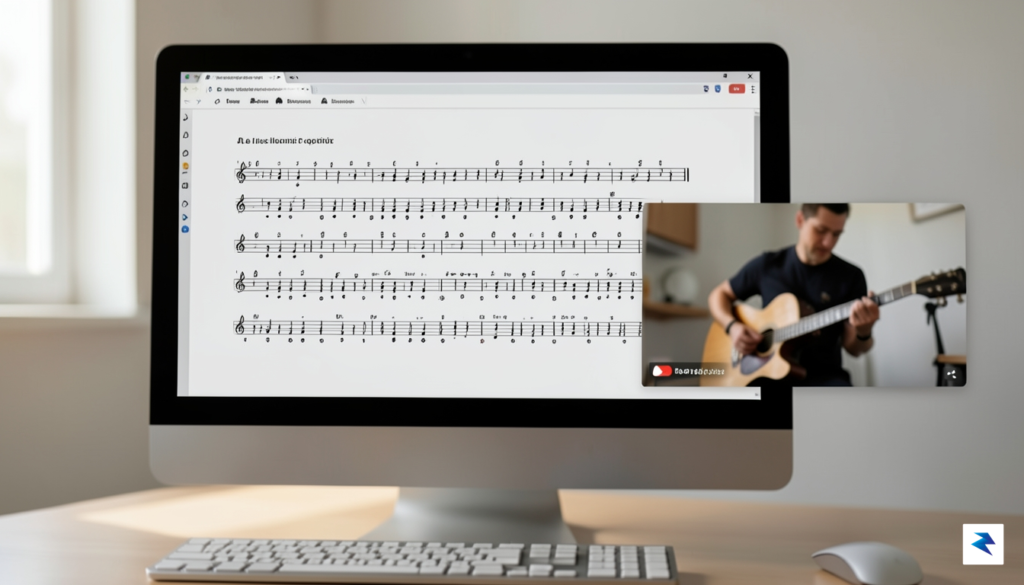
The primary hurdle lies in the sheer inconsistency of educational guitar content. Creators use vastly different video editing styles, varying camera angles, and a wide array of graphical overlays that can confuse even the most robust detection algorithms. For instance, a video that utilizes a dark background with white text might be parsed with near-perfect accuracy, whereas a video featuring a hand-drawn tab or a cluttered screen might lead to fragmented results. Because the software relies on pattern recognition to map visual data into a readable format, it is currently sensitive to the stylistic choices of individual content creators. Consequently, users will likely need to perform a final manual check to ensure the generated PDF is perfectly aligned with the intended musical performance.
The true power of this tool lies not in its current perfection, but in the collaborative framework it provides for the community to refine and expand its capabilities over time.
Looking toward the future, the potential for this tool is vast, provided the open-source community leans into its development. There is a pressing need for more rigorous testing across a wider spectrum of video types, which will allow the underlying algorithms to learn from a broader dataset of tablature formats. Developers and tech-savvy musicians can contribute by identifying specific edge cases—such as non-standard tuning or unconventional notation styles—that currently cause errors. By refining the detection logic to be more resilient to visual noise and improving the error-correction modules, the community can transform this from a clever utility into a professional-grade assistant for every DIY musician’s toolkit.
As the project matures, the focus will likely shift from basic character recognition toward more sophisticated musical contextualization. Future iterations could integrate features that automatically detect time signatures, identify chord shapes from visual data, and even suggest fingerings based on standard guitar technique. For those looking to get involved, the best starting point is to stress-test the parser with your favorite obscure guitar lessons and contribute the findings to the repository. Through collective feedback, we can build a more reliable system that finally bridges the gap between watching a video and holding the sheet music in your hands.
You must be logged in to post a comment.