Turn YouTube Guitar Lessons Into PDFs: A New AI Approach
The Frustration of Inaccurate AI Music Transcription For most guitarists, the quest to learn a new song often begins with a frantic search for…
For over a decade, TV Time stood as the undisputed digital hearth for television enthusiasts, functioning as a vital command center in an era of unprecedented content fragmentation. As streaming services proliferated and shifted shows across competing platforms, tracking one’s progress became a logistical challenge that required a centralized source of truth. TV Time filled this void perfectly, allowing millions of users to log episodes, discover new series, and engage in community discussions. It was more than just a utility; it was a personal archive of one’s viewing habits, capturing years of cinematic journeys and late-night binge sessions within a single, intuitive interface.
The eventual shutdown of the platform serves as a stark reminder of the precarious nature of user-generated data within the tech ecosystem. Maintaining a platform that integrates real-time metadata from thousands of global television shows requires immense technical resources and constant API updates, creating a high-burn environment that is difficult to sustain without aggressive monetization strategies. Often, the business realities of maintaining such niche, community-centric apps clash with the demands of corporate ownership or the rising costs of data access. Consequently, many power users found themselves facing a sudden sunset for a tool they considered essential to their daily media consumption routines.
The true cost of a platform’s closure is not just the loss of the software itself, but the permanent erasure of the historical data that users spent years meticulously curating.
The frustration felt by the community stems from more than just a loss of convenience; it represents the sudden severance of a long-term personal log. For many, TV Time was a diary of sorts, cataloging the shows they grew up with, the series they watched during pivotal life moments, and the recommendations they shared with friends. When a company pivots or closes its doors, users are frequently left with no viable way to export their history, effectively rendering years of personal data inaccessible or lost to the void. This departure has created a significant shift in how audiences approach cataloging their entertainment, sparking a desperate search for a successor that values user privacy and long-term data preservation as much as it values the viewing experience itself.
As the dust settles, the void left by this service has highlighted just how much power users rely on independent tracking tools to navigate the modern “Golden Age of Television.” Without a centralized hub, the experience of keeping up with seasonal releases has become disjointed, forcing viewers to rely on fragmented spreadsheets or multiple disparate apps. The departure of such a staple service is not merely a technical inconvenience; it is a signal to the industry that there is a genuine, unmet demand for a stable, fan-first environment where watch histories can be safely housed and celebrated for the long haul.
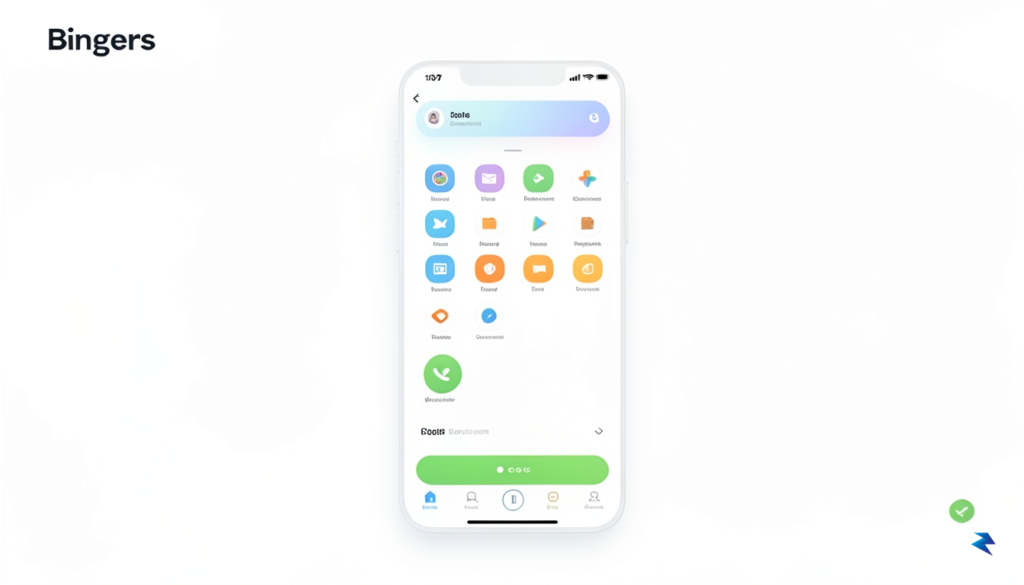
When the original TV-tracking landscape shifted, it left a vacuum for the millions of viewers who had meticulously curated their watch histories over the better part of a decade. Rather than simply mourning the loss of a digital archive, the original founder of TV Time has stepped back into the arena to reclaim the community-driven spirit that made the first platform so essential. This new endeavor, dubbed Bingers, is not merely a carbon copy of what came before; instead, it is a deliberate evolution designed to address the fragmented reality of modern streaming. By leveraging deep experience in how audiences engage with episodic television, the team is crafting a space that prioritizes the user experience above all else, ensuring that your journey through countless seasons remains intact and easily accessible.
The mission of Bingers is rooted in the simple, yet profound philosophy of building a platform by fans, for fans. In an era where many tech applications are fueled by aggressive data harvesting and intrusive monetization strategies that often alienate the user, Bingers aims to be a sanctuary for those who truly love television. The vision here is to strip away the clutter of corporate algorithms and return to the core utility of tracking: the pure joy of discovery, the satisfaction of checking off a completed series, and the ability to share those experiences within a genuine community of enthusiasts. By keeping the community at the center of the development lifecycle, the creators are ensuring that every feature—from social interaction to personalized recommendations—serves the fan, not the advertiser.
“The goal is to foster a space where the data belongs to the viewer, and the social experience feels as organic as discussing a cliffhanger with a friend on the couch.”
Beyond the logistical goal of migrating watch histories, the project is uniquely positioned to succeed because it understands the emotional attachment viewers have to their content catalogs. The founder recognizes that for many, a watch list is a personal diary of years spent exploring complex narratives and character arcs. By focusing on stability, longevity, and a design language that feels both intuitive and nostalgic, Bingers is positioning itself to be the permanent home for the global television community. This isn’t just about building an app; it is about cultivating a digital ecosystem where the passion for storytelling is the primary currency, and where every user is empowered to curate their own cinematic legacy without the fear of platform instability.
For most dedicated viewers, a decade of tracking isn’t just a list of checked boxes; it is a digital diary that chronicles personal growth, evolving tastes, and the cultural milestones that defined specific eras of our lives. When a platform suddenly shutters its doors, the loss of this history feels akin to losing a physical photo album or a journal. The anxiety surrounding the sunset of TV Time is rooted in this very vulnerability—the fear that years of meticulously curated watch data, ratings, and community interactions will simply vanish into the digital ether. Recognizing this deep emotional and historical connection, the team behind Bingers has made data portability a cornerstone of their new platform’s philosophy, ensuring that your past viewing habits are not held hostage by a service transition.
The commitment to user agency at Bingers starts with the understanding that your data belongs to you, not the software developers. By building robust import tools, the platform aims to bridge the gap between legacy apps and modern interfaces, allowing users to reclaim their digital identity before the old servers go dark. Instead of trapping users in a walled garden, the migration process is being designed to support multiple formats, including standard CSV exports and direct API integrations where possible. This technical foresight ensures that even if a user’s watch history is complex—spanning thousands of episodes, different streaming services, and years of nuanced commentary—it can be preserved and migrated with minimal friction.
Your watch history is a reflection of your personality and your time spent; no platform should have the power to erase that narrative.
Beyond the technical mechanics of CSV uploads or API calls, the focus remains on maintaining the context of your viewing habits. It is not enough to simply import a list of show titles; the true value lies in retaining the specific dates you watched an episode, your personal star ratings, and the notes you left behind for your future self. By prioritizing these metadata points, Bingers is positioning itself as a steward of your entertainment history rather than just another content aggregator. This approach not only alleviates the immediate anxiety of data loss but also fosters a deeper sense of trust between the creator and the community, acknowledging that in the digital age, our watch history is a significant, albeit intangible, asset that deserves to be protected.
The modern television landscape is a paradox of abundance and isolation. While we have access to more high-quality content than ever before, the sheer number of competing streaming platforms—Netflix, Hulu, Disney+, Apple TV+, and countless others—has effectively dismantled the traditional “watercooler” culture. Because our favorite shows are trapped behind proprietary digital walls, the collective experience of watching a series has been fractured. When everyone is watching different shows on different services, the cultural touchstones that once united us are harder to find, leaving viewers stranded in a fragmented ecosystem where discovery feels solitary and discussion feels impossible.
This is where community-centric tracking apps become essential infrastructure for the modern viewer. Platforms like Bingers act as a neutral ground, a bridge that spans the gaps between disparate services. By decoupling the act of tracking from the act of streaming, these apps restore the social fabric of television fandom. They provide a space where viewers can congregate to share theories, vent frustrations, or celebrate character arcs, regardless of which corporation owns the rights to the underlying show. In this sense, these apps are not just utility tools for managing watch lists; they are digital town squares that foster genuine human connection in an otherwise increasingly siloed media environment.
The true value of a tracking app isn’t found in the checklist of episodes completed, but in the community that forms around the shared experience of discovery.
It is important to recognize why the built-in tracking features within major streaming platforms fail to replicate this experience. While Netflix or Disney+ might offer a “Continue Watching” row or a simple list of saved titles, these features are designed solely to keep users within their own walled garden. They are optimized for platform retention, not for community engagement or cross-platform discovery. These integrated systems lack the sociological depth required to facilitate meaningful interaction; they cannot host fan debates, highlight trending discussions across the entire industry, or allow for the serendipitous discovery of shows hidden on rival platforms. By contrast, independent third-party platforms prioritize the viewer’s journey over the platform’s bottom line, ensuring that the passion for storytelling remains the primary focus of the experience.
Ultimately, these dedicated spaces serve as a necessary antidote to the fatigue of the “streaming wars.” As viewers grow weary of jumping between apps and losing track of where their favorite shows reside, the need for a unified, social-first platform becomes clear. By aggregating our viewing habits into a single, community-driven interface, we reclaim control over our media consumption. We are no longer just customers of a specific platform; we are participants in a broader culture of fandom that thrives on shared enthusiasm, proving that even in a fragmented streaming age, the desire for community remains a defining trait of the television-watching experience.
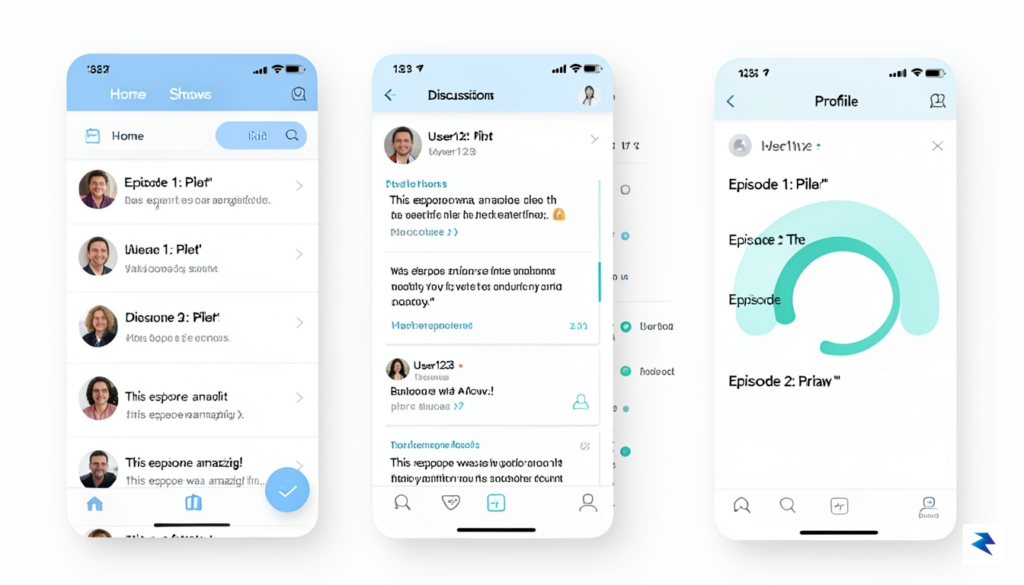
As the community transitions toward this new platform, the development team is focused on delivering a robust architecture that honors the core habits of dedicated viewers. At its foundation, the app is being designed to retain the essential tracking mechanics that fans have relied on for years, such as keeping a precise tally of episodes watched and managing upcoming release schedules. However, the roadmap goes far beyond mere maintenance; it emphasizes a modern, responsive interface that prioritizes speed and intuitive navigation. Users can look forward to a cleaner dashboard that reduces the friction between identifying a new show and logging it into their personal history, ensuring that the act of tracking remains a seamless part of the viewing process.
Beyond basic record-keeping, the development roadmap highlights a significant investment in community-driven discovery and social interaction. While the nostalgic appeal of tracking every minute of television remains a priority, the platform is introducing sophisticated recommendation engines that learn from individual watch patterns to suggest niche titles that might otherwise slip through the cracks. Social features are also receiving a major overhaul, aiming to foster meaningful discussions rather than just simple reaction tallies. By integrating deeper engagement tools, the creators intend to turn the solitary act of watching television into a communal experience where users can share curated lists, debate plot twists, and connect with fellow enthusiasts who share their specific aesthetic tastes.
The goal is not simply to replicate what came before, but to refine the experience into a more fluid, community-centric environment that keeps pace with the rapidly changing landscape of streaming services.
For early adopters eager to dive in, the coming months will be a period of iterative improvement. The initial rollout will prioritize core stability and the migration of essential data, followed by the gradual introduction of advanced metrics, such as granular analytics regarding viewing habits and cross-platform syncing. The team has made it clear that they are listening closely to user feedback, intending to build features that directly address common frustrations found in legacy apps. As these updates begin to surface, fans should keep a close eye on the platform’s performance updates, as the roadmap is designed to be highly adaptive, ensuring that the evolution of the software remains perfectly aligned with the needs of its most active power users.
You must be logged in to post a comment.