The End of the Walled Garden: Google and Epic Open the Door to Third-Party Android Stores
The End of the Walled Garden: Understanding the Google-Epic Settlement The protracted legal showdown between Epic Games and Google, which…
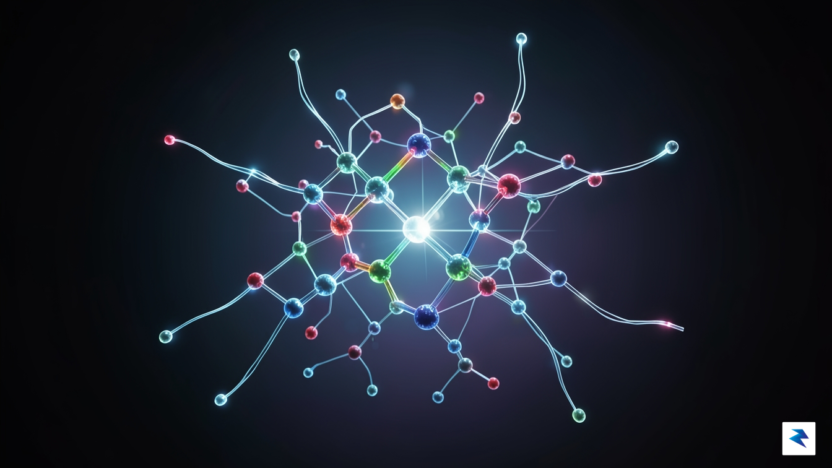

The pharmaceutical industry has long grappled with an intractable challenge: bringing life-saving drugs to market is an agonizingly slow, astronomically expensive, and overwhelmingly risky endeavor. Historically, the journey from initial discovery to an approved medication spans over a decade and can often cost billions of dollars, with a staggering 90% of drug candidates failing in clinical trials. This conventional paradigm, heavily reliant on painstaking laboratory experiments, trial-and-error chemistry, and empirical observation, creates immense bottlenecks, stifling innovation and delaying crucial treatments for patients worldwide. Consequently, the search for more efficient, predictable, and cost-effective methods has become an urgent imperative for the entire sector.
Enter artificial intelligence, not merely as a supplementary tool for data analysis, but as a foundational, generative force poised to redefine drug discovery from the ground up. The shift is towards an ‘AI-native’ approach, where machine learning algorithms are integrated into every stage of the research and development pipeline, fundamentally altering how potential therapies are conceived, designed, and optimized. This paradigm heralds a future where AI isn’t just crunching existing data; instead, it’s actively creating novel molecular structures, predicting their interactions, and identifying therapeutic targets with unprecedented speed and precision, thus offering a powerful antidote to the historical inefficiencies plaguing the industry.
Intriguingly, the forefront of this revolution is often spearheaded by researchers whose expertise was honed in the domain of large language models (LLMs) and general-purpose generative AI, traditionally associated with tasks like text generation and complex conversational AI. The underlying principles that enable an AI to predict the next word in a sentence or synthesize coherent narratives share profound similarities with the challenge of understanding biological systems. Just as human language comprises a sequence of words governed by grammatical rules, biological processes can be interpreted as a complex ‘language’ of amino acids—the building blocks of proteins—and intricate molecular interactions. This conceptual leap allows experts to adapt sophisticated deep learning architectures, originally designed for linguistic tasks, to decode and even generate novel biological entities.
Consequently, the focus has rapidly expanded from processing human language to deciphering the ‘language’ of life itself, particularly in areas like protein folding and de novo molecule generation. AI models are now capable of predicting the three-dimensional structures of proteins from their amino acid sequences with remarkable accuracy, a challenge that vexed scientists for decades. Furthermore, these generative AI systems can design entirely new molecules with desired properties, vastly accelerating the search for compounds that could bind to specific disease targets or exhibit particular therapeutic effects. This pivot represents not just an incremental improvement, but a fundamental reimagining of drug discovery, promising to unlock a new era of pharmaceutical innovation driven by intelligent design rather than sheer experimental volume.

A $2 billion valuation for a pre-launch startup is historically unprecedented, yet it perfectly mirrors the burgeoning investor confidence in the convergence of generative AI and biotechnology. Traditional pharmaceutical development is notoriously inefficient, often characterized by a “fail-fast” reality where a single successful drug must generate enough revenue to offset the losses of dozens of failed clinical candidates. Investors are no longer merely betting on a specific molecule or a therapeutic outcome; they are betting on the computational infrastructure that promises to rewire the entire R&D pipeline. By shifting the bottleneck from wet-lab experimentation—which is slow, costly, and prone to human error—to high-speed digital predictive modeling, these startups aim to collapse a decade-long development cycle into a fraction of the time.
The core economic driver behind this shift is the transition from a “product-based” model to a “platform-based” model. In the conventional biotech era, a company’s value was tied to its intellectual property portfolio; if a lead candidate failed in Phase II trials, the company’s market cap would often plummet. Conversely, AI-first biotech firms are building proprietary engines that learn from every data point, creating a self-improving flywheel of discovery. Because these models can simulate how various compounds interact with biological targets before a single drop of liquid is measured in a laboratory, they dramatically reduce the “cost of failure.” By weeding out ineffective drug candidates during the digital simulation phase, firms avoid the exorbitant costs of conducting human clinical trials for compounds that were destined to fail.
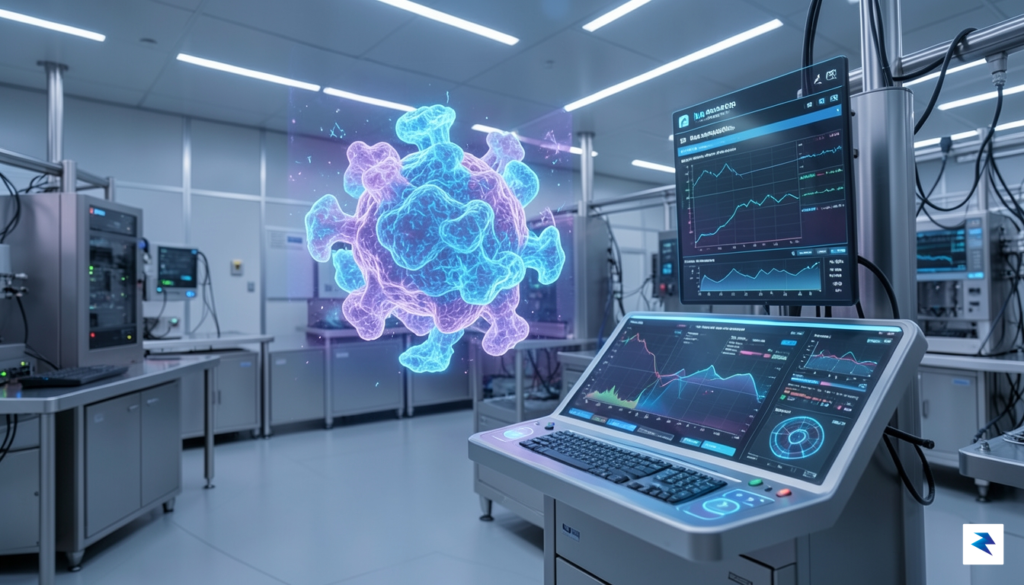
The fundamental value proposition here isn’t just speed; it is the reduction of uncertainty. When you lower the cost of biological experimentation, you expand the universe of treatable diseases.
Furthermore, the economics of clinical trials represent one of the most significant expenditures in modern medicine, with costs often soaring into the hundreds of millions for a single study. AI-driven predictive modeling serves as a high-fidelity filter, ensuring that only the most promising candidates proceed to the capital-intensive clinical phase. This shift fundamentally alters the risk-reward profile for venture capitalists. While the technological risk remains high, the potential to solve for “undruggable” targets—those complex proteins that have defied traditional small-molecule chemistry—offers an asymmetric upside. When an AI startup can demonstrate the ability to map protein folding or predict binding affinity with near-perfect accuracy, the two-billion-dollar price tag starts to look less like a speculative gamble and more like an investment in the foundational plumbing of the next century’s medical industry.

The transition of top-tier researchers like Miles Wang from the epicenter of foundational large language model (LLM) development to the high-stakes world of drug discovery is not merely a career pivot; it is a profound signal of where the next frontier of artificial intelligence truly lies. For years, the AI industry has faced an intense talent crunch, with the most brilliant minds concentrated on perfecting the next generation of generative text and multimodal models. However, we are now witnessing a deliberate “brain transfer,” where architects of the systems that power ChatGPT are pivoting toward verticalized applications in biology and chemistry. This shift suggests that the most compelling challenge for AI is no longer just predicting the next word in a sentence, but predicting the next breakthrough in human health.
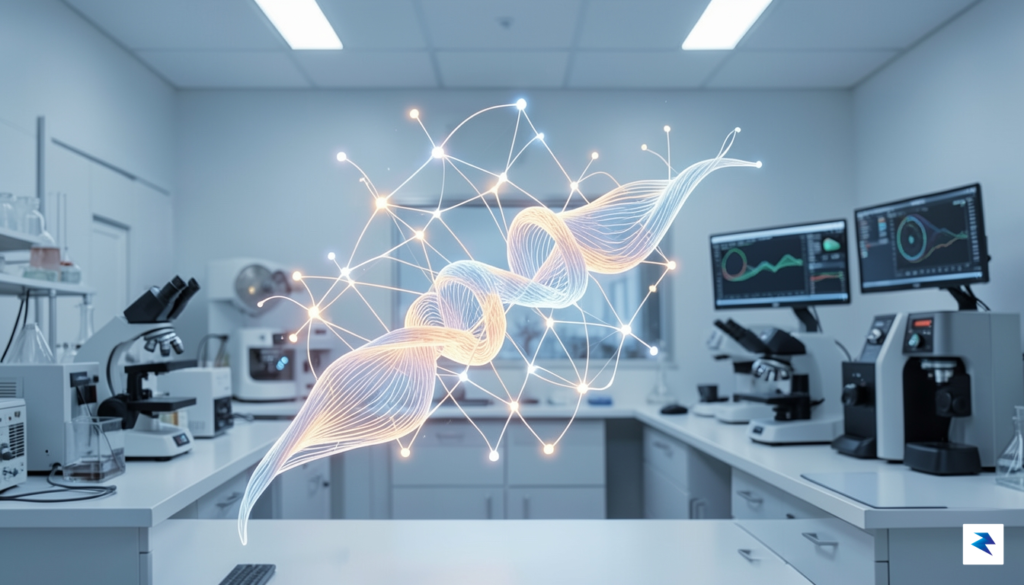
At the heart of this migration is the realization that transformer architectures—the fundamental technology behind modern AI—share a striking, mathematical synergy with the building blocks of life. Protein sequences, much like human language, are essentially long, complex strings of amino acids that follow a specific “grammar” to fold into functional shapes. Researchers have discovered that the same attention mechanisms used to translate languages can be applied to “translate” the language of biology, effectively mapping how genetic sequences dictate physical protein structure. By applying the rigorous, large-scale training methodologies perfected at labs like OpenAI to biological data, these scientists are effectively turning the search for new medicine into a computational problem that can be solved with unprecedented speed.
The migration of elite AI researchers into the life sciences represents a pivotal transition from building generalized intelligence to solving the most intractable problems in human biology.
The significance of having an OpenAI-trained researcher leading an independent, multi-billion dollar startup cannot be overstated. These individuals bring a unique set of skills: the ability to manage massive, high-dimensional datasets, the expertise to optimize training pipelines, and the ambition to apply deep learning to physical systems that have historically resisted automation. When such talent moves into the life sciences, they bring with them the “scaling laws” philosophy—the idea that if you feed enough compute and high-quality data into a sufficiently large model, you can achieve emergent, superhuman capabilities. In the context of drug discovery, this could mean moving from years of trial-and-error laboratory work to rapid, in-silico simulations that identify viable pharmaceutical candidates in a fraction of the time.
Ultimately, this trend functions as a bridge between the abstract capabilities of current AI models and the concrete, life-saving breakthroughs the world demands. While foundational models have undoubtedly captured the public imagination, the real-world utility of AI is likely to be measured by its ability to shorten the timeline of drug development and provide treatments for previously incurable diseases. As more researchers follow the path established by innovators like Wang, we can expect a new era of “AI-native” biotech companies that prioritize computational precision over traditional bench-top serendipity. This evolution marks a maturation of the entire field, proving that the most valuable application of artificial intelligence may not be in the digital realm at all, but in the very fabric of our biological existence.
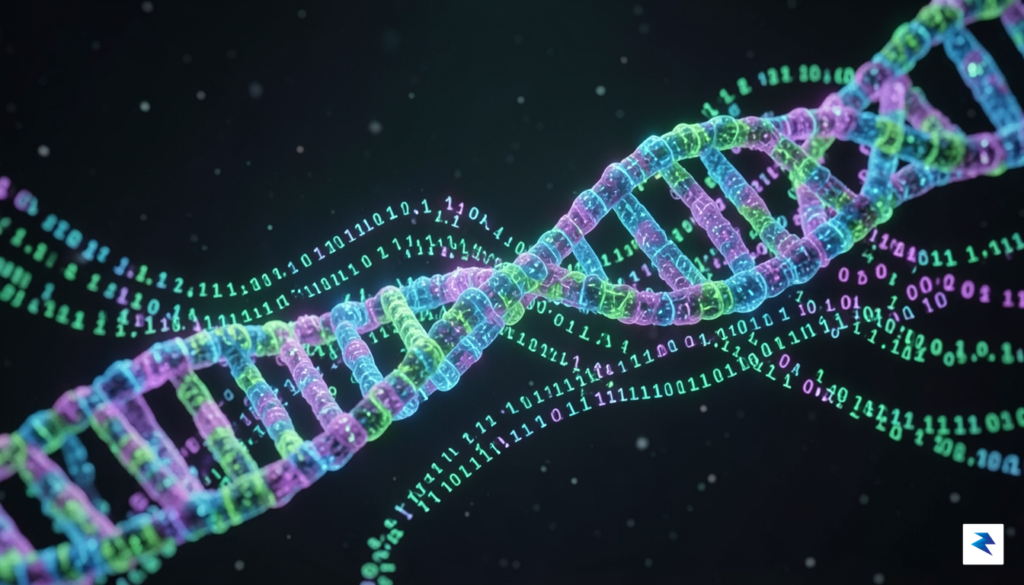
While the allure of harnessing artificial intelligence, particularly the powerful frameworks developed for natural language processing, to revolutionize drug discovery is immense, translating this computational prowess to the intricate world of human biology presents a unique set of formidable technical challenges. Biological systems are not merely sequences of tokens or strings of characters that can be parsed with linguistic rules; they are dynamic, three-dimensional entities governed by complex chemical and physical interactions. Unlike the relatively structured grammar of human language, the “language” of proteins, genes, and molecules operates on principles of affinity, conformation, and emergent properties that are non-linear and context-dependent, requiring a fundamentally different approach to training, data validation, and iterative testing than that used for text-based models.
One of the most significant hurdles lies in the inherent ‘black box’ problem prevalent in many advanced AI models. While large language models excel at predicting the next word in a sequence or generating coherent text, the underlying reasoning often remains opaque. In drug discovery, where patient safety and drug efficacy are paramount, this lack of explainability is a critical impediment. Clinicians, regulatory bodies, and researchers demand clear, mechanistic insights into why a particular molecule is predicted to interact with a target, why a drug might cause certain side effects, or why one therapeutic approach is favored over another. Without understanding the underlying biological rationale, validating AI-driven hypotheses becomes incredibly difficult and risky, making it challenging to translate promising computational predictions into actionable clinical strategies. The need for transparent, explainable AI is not just an academic pursuit but a clinical imperative.
Furthermore, the success of any AI model is inextricably linked to the quality and relevance of its training data, and in biology, this often means proprietary, high-fidelity datasets. While vast public repositories of genomic, proteomic, and chemical data exist, they frequently lack the consistency, depth, or specific experimental modalities required to train models capable of making novel, robust drug discovery predictions. Generating the kind of high-quality, meticulously curated biological data needed—from comprehensive single-cell analyses and high-throughput screening results to detailed clinical trial outcomes—is an incredibly expensive, labor-intensive, and specialized endeavor. This often necessitates significant investment in cutting-edge wet-lab research and advanced instrumentation. Companies that can effectively generate, integrate, and leverage unique, proprietary datasets gain a substantial competitive advantage, as these bespoke data libraries are the true fuel for AI that can unlock genuinely transformative biological insights.
Ultimately, the journey from an AI model trained on language to one capable of navigating the labyrinthine complexities of human disease requires not just sophisticated algorithms, but also a deep understanding of biological principles and rigorous experimental validation. The non-linear interactions within biological pathways, the subtle conformational changes in proteins, and the multi-scale dynamics from molecular to organismal levels cannot be accurately captured by simply adapting existing language-centric AI architectures. It demands novel AI architectures tailored for biological specificity, coupled with relentless iterative testing in real-world wet-lab environments. This synergy between advanced computational methods and meticulous experimental biology is the cornerstone for transforming the immense promise of AI into tangible, life-saving drug discoveries.
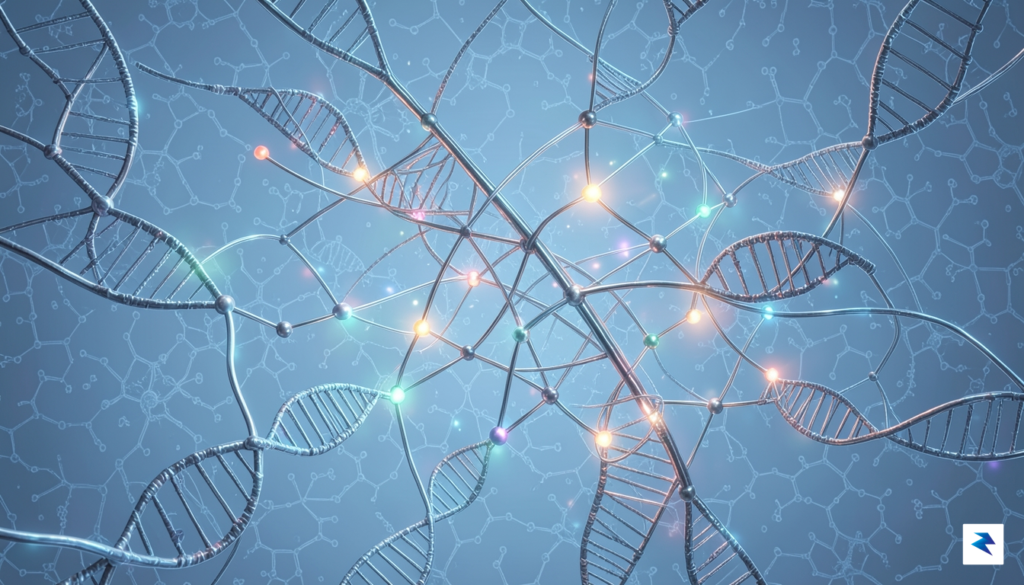

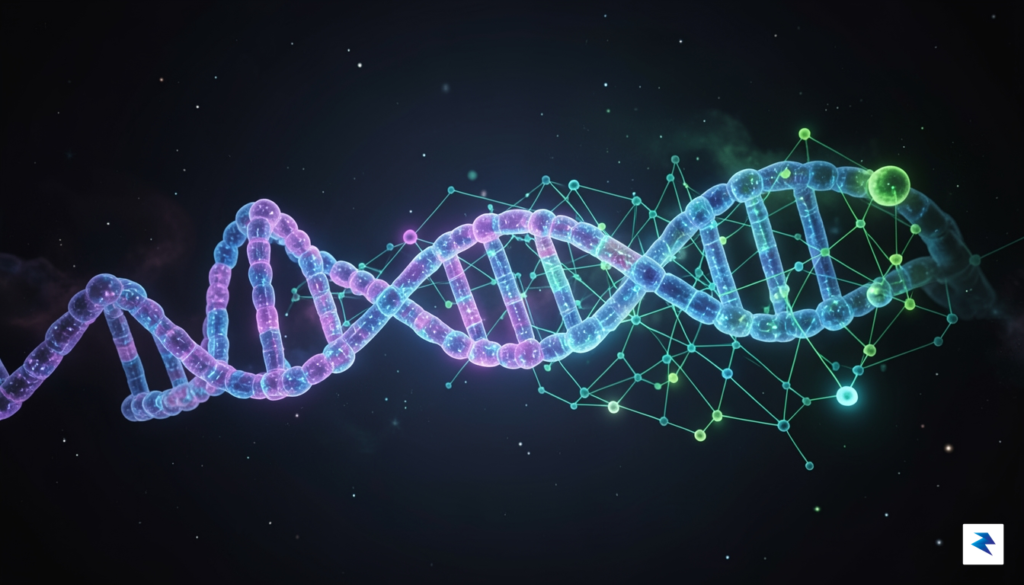
If ventures of this magnitude succeed, the implications for global health will be nothing short of transformative. By automating the arduous process of identifying viable drug candidates, we are moving toward an era where rare and previously untreatable diseases finally receive the focused scientific attention they have long been denied. Machine learning models can now simulate molecular interactions at speeds that would take human researchers decades to achieve in a physical lab, effectively shrinking the discovery phase from years to mere months. This acceleration not only lowers the massive financial barriers to entry for drug development but also shifts the economic calculus, making it feasible to pursue treatments for niche conditions that were previously deemed too unprofitable for traditional pharmaceutical investment.
The regulatory landscape is poised for a significant evolution as well. As AI-driven platforms provide increasingly robust data on safety profiles and efficacy, the FDA and other global health authorities will likely adopt new frameworks to accommodate “in silico” clinical evidence. This shift could fundamentally streamline drug approval timelines, ensuring that life-saving innovations reach patients long before they would have under the current, conventional model. We are looking at a future where the regulatory bottleneck is widened by high-fidelity digital modeling, allowing for a more agile response to emerging health crises and chronic illnesses alike.
The true promise of artificial intelligence in medicine lies not in replacing human ingenuity, but in augmenting our ability to navigate the vast, complex chemical space that underpins human biology.
Strategic partnerships between these high-valuation AI startups and established pharmaceutical giants will act as the primary catalyst for this transition. While startups provide the cutting-edge technical infrastructure and agile development capabilities, industry titans offer the manufacturing scale, clinical trial networks, and distribution channels necessary to bring therapies to the global market. These collaborative ecosystems will likely define the pharmaceutical industry for the next quarter-century, blending the disruptive agility of Silicon Valley with the rigorous, proven operational expertise of traditional medicine.
Ultimately, this trajectory points toward a new paradigm of hyper-personalized medicine. Because AI allows us to map the unique genetic expressions of individuals with unprecedented precision, the future of healthcare will involve tailor-made therapies that target specific molecular markers rather than relying on “one-size-fits-all” medications. This evolution will not only improve patient outcomes but will also drastically reduce the systemic costs associated with ineffective treatments and adverse drug reactions. By integrating deep intelligence into the core of pharmaceutical research, we are building a foundation for a healthier, more resilient global population.
You must be logged in to post a comment.