
UK Plans Social Media Curfew for Teens: What You Need to Know
The Evolution of Digital Safety Legislation in the UK The regulatory landscape in the United Kingdom has undergone a seismic shift in recent…

The protracted legal showdown between Epic Games and Google, which began in 2020, centered on the fundamental question of whether the Google Play Store functioned as an illegal monopoly. Epic Games, the developer behind the blockbuster title Fortnite, challenged Google’s long-standing requirement that all developers use its proprietary billing system, which imposed a significant commission on digital transactions. For years, Google maintained that its ecosystem was secure, curated, and essential for the safety of millions of users, effectively creating a “walled garden” that limited consumer choice. However, the litigation culminated in a landmark ruling that forced Google to fundamentally restructure how Android applications are distributed and monetized on its mobile platform.
The turning point arrived when a federal judge issued a decisive injunction, mandating that Google open the Play Store to competing third-party app stores. This ruling was designed to strip away the barriers that previously prevented developers from offering their own storefronts directly on the Android operating system. While Google initially fought this decision aggressively, citing security concerns and technical complexities, the tide eventually turned. By withdrawing their joint attempt to settle the lawsuit retroactively and dropping their respective appeals, both corporations have effectively conceded that the era of total control over the Android ecosystem is drawing to a close. This move acknowledges the reality of the court’s decision and signals a strategic pivot toward compliance rather than continued obstruction.
The decision to abandon the appeal marks a transformative moment for mobile computing, moving away from a single-gatekeeper model toward a more decentralized, competitive marketplace.
This shift carries profound implications for the future of mobile app distribution. By clearing the legal path for third-party stores to exist directly within the Google Play ecosystem, the settlement invites a new level of competition that could lead to lower fees for developers and a wider variety of services for consumers. For years, the friction between these two giants defined the boundaries of what was possible on Android; now, those boundaries are being redrawn by legal necessity. As these changes take effect in the coming week, the industry will be closely watching to see how Google balances its commitment to platform integrity with the new requirement to facilitate, rather than gatekeep, the software that powers the world’s most popular mobile operating system.
For over a decade, the Google Play Store functioned as an impenetrable fortress, acting as the singular gatekeeper for the vast majority of Android software. This ecosystem relied on a centralized model where Google dictated security protocols, payment processing, and distribution standards. However, the impending integration of third-party app stores directly into the Play Store interface represents a fundamental shift in software delivery. Instead of forcing users to navigate the often-daunting world of manual sideloading, Google is creating a bridge that allows rival storefronts to exist within the familiar environment of the official Play Store. This evolution transforms the platform from a closed-loop system into a more open marketplace, effectively turning the Play Store into a hub for discovery rather than a monolithic monopoly.
From a user-experience perspective, this change promises to streamline how we interact with alternative software. Previously, installing an app from a non-Play Store source required users to venture into device settings, toggle security permissions, and manage installation files manually. With these new integration protocols, the process will become significantly more transparent and secure. Users can expect to see curated galleries from competing stores displayed alongside Google’s own offerings, complete with system-level verification that ensures the apps are free from malicious code. By bringing these stores into the fold, Google is essentially commoditizing the distribution layer, allowing developers to reach their target audiences without the friction of traditional sideloading.
The integration of third-party storefronts signifies that Android is finally evolving into the modular, choice-driven operating system its architects originally envisioned.
For developers, this reconfigures the economics of mobile software. By providing a streamlined path for alternative stores to host their content, Google is enabling creators to bypass the standard commission structures that have long defined the industry. Developers who want to distribute via these new channels will likely benefit from a more direct relationship with their user base, potentially offering competitive subscription models or exclusive content that might not fit within the rigid constraints of the standard Google Play policies. Furthermore, this shift effectively settles the most contentious aspects of the sideloading debate. By providing a safe, Google-sanctioned way to access third-party stores, the company mitigates the security risks often associated with off-platform installations, while simultaneously addressing the regulatory pressures that have demanded a more open digital landscape. Ultimately, this change empowers both the developer seeking independence and the user seeking variety, marking the end of the strictly enforced “walled garden” era of mobile computing.

For over a decade, Google has defended its “walled garden” approach by citing the paramount importance of user safety. The company has long argued that a curated Google Play Store is the only effective way to prevent the proliferation of malware, phishing scams, and privacy-invasive applications. By maintaining strict control over the digital storefront, Google could ensure that every app met rigorous security standards before reaching the end user. This centralized vetting process became the bedrock of Android’s reputation, positioning it as a platform where convenience and protection were inextricably linked. However, as third-party stores begin to emerge, this long-standing security model is undergoing a radical transformation that challenges the status quo.
The transition toward an open ecosystem raises a fundamental question: can a decentralized marketplace truly match the security profile of a singular, curated gateway? Skeptics worry that the influx of independent app repositories might create a “wild west” scenario where malicious actors find it easier to bypass traditional safeguards. To mitigate these risks, Google has shifted its strategy from gatekeeping to a more transparent, platform-wide defense mechanism. Rather than relying solely on the store’s gatekeepers, Google is doubling down on Google Play Protect, an automated scanning system that operates in the background of every Android device. This evolution suggests that the responsibility for security is shifting away from the storefront level and toward the operating system itself, ensuring that even apps downloaded from outside sources are subjected to constant, device-level scrutiny.
Ultimately, this shift places a newfound weight of responsibility on both third-party store operators and independent developers. If these new marketplaces hope to gain user trust, they must prove that they are not just repositories for software, but responsible stewards of the Android ecosystem. This means adopting transparent verification processes, clear privacy policies, and rapid response protocols for addressing security vulnerabilities. As the barriers to entry drop, the competitive landscape will no longer be determined solely by reach, but by the level of integrity each store provides.
The success of an open Android ecosystem depends on a collaborative effort where platform-level security tools work in tandem with the ethical standards of independent store operators.
We are entering an era of heightened personal responsibility, where users are encouraged to be more discerning about the sources of their digital tools. While the risk of encountering malicious software may fluctuate during this transition, the broader goal is to empower users with true autonomy. By striking a balance between Google’s robust background protections and the freedom offered by third-party alternatives, Android is attempting to prove that openness does not have to come at the expense of safety. Whether this gamble pays off will depend on how effectively the industry can standardize security expectations in a world no longer defined by a single, impenetrable wall.

The dissolution of the long-standing payment monopoly on Android devices marks a seismic shift in the mobile economy, effectively ending the era of the so-called “Google tax.” For years, developers have been forced to surrender 15% to 30% of their revenue to the platform holder, a margin that often dictated the viability of small-to-medium-sized projects. By enabling third-party storefronts to process their own payments, developers are finally regaining control over their bottom lines. This newfound autonomy allows studios to reinvest those saved fees into research, development, and talent, potentially fueling a renaissance of mobile software that was previously throttled by restrictive overhead costs.
For consumers, the emergence of a competitive marketplace promises more than just a change in billing; it suggests a future where pricing models become far more dynamic. When store operators are forced to compete for developer talent and user loyalty, the incentive to lower transaction fees grows exponentially. We may soon see a landscape where app prices are optimized based on the platform, or where subscription services offer more generous tiers because the developer is no longer subsidizing a massive platform commission. However, this shift also demands a more discerning consumer base. As the “walled garden” crumbles, users will need to navigate a landscape with varying levels of curation, which could lead to both exciting niche discoveries and a more fragmented user experience.
The impact of this transition will manifest differently across the industry. For large corporations, this is a strategic play to maximize profit margins and regain total control over their user relationships. Conversely, for indie developers, the shift is a double-edged sword. While the reduction in fees is a clear win, these smaller creators now face the challenge of discoverability in a less centralized market. Without the heavy hand of a single store’s algorithm, indie devs must become more adept at marketing and community building to drive traffic to their specific storefronts.
The true success of this transition will not be measured by the death of the platform monopoly, but by whether the resulting competition drives a “race to the top” in terms of innovation and user value, rather than a “race to the bottom” defined by predatory microtransactions and low-quality software.
Ultimately, we are entering a period of experimentation. If third-party stores prioritize quality and security, they could force the major incumbents to improve their own services to remain relevant. If they fail, however, the fragmentation could lead to a cluttered and confusing environment that drives users back to the safety of the status quo. The next few years will determine whether this newfound freedom leads to a flourishing, diverse app ecosystem or a chaotic mess that complicates the simple act of downloading a new tool.

The shift toward a decentralized mobile ecosystem marks the beginning of a significant experiment in how we consume software. By allowing third-party storefronts to operate with greater freedom, the Android platform is moving away from the “walled garden” model that has defined the smartphone era for over a decade. In the coming year, users should expect to see a surge of competition as developers explore alternative ways to reach their audiences, potentially leading to more specialized stores that cater to niche interests, gaming communities, or privacy-focused power users. This transition is not merely a change in policy; it is a fundamental restructuring of the digital marketplace that will likely force other major tech players to reconsider their own exclusionary practices under the pressure of evolving global regulations.
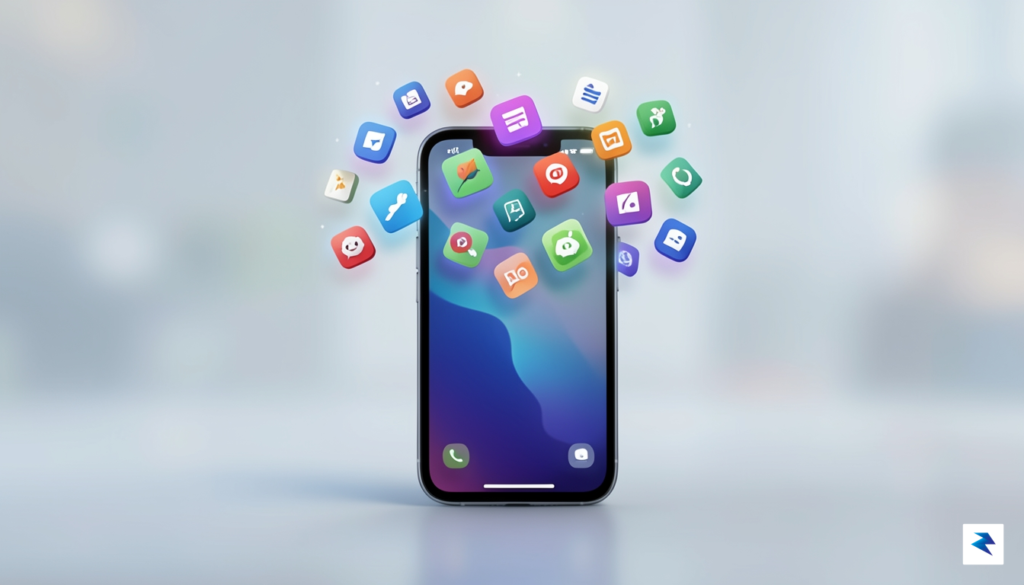
While some critics fear this could lead to a fragmented landscape where finding software becomes a cumbersome task, others argue that it represents a necessary maturation of the internet. A healthier ecosystem often thrives on competition, as it incentivizes platform holders to improve their own services rather than relying on forced exclusivity to maintain their user base. However, the true test will be how effectively these third-party stores can maintain high standards for security and quality control. Users should approach this new era with a mix of excitement and caution:
Ultimately, the long-term outlook for mobile distribution is one of increased agency for both the creator and the consumer. As these new stores gain traction, we will likely see a push-pull dynamic between convenience and choice. If the industry can strike the right balance, the result will be a more resilient and versatile mobile environment. If, however, the landscape becomes overly cluttered or security becomes a secondary concern, the market may eventually demand a new set of standards to keep the experience streamlined. For now, the most important takeaway is that the power dynamic is shifting, and the era of monolithic control over app distribution is officially coming to a close.
The move toward decentralization is not just about where we download our apps; it is about reclaiming the original promise of the internet as an open, interoperable space for innovation and competition.
You must be logged in to post a comment.