
Inflation Cools: How the Iran Conflict Pause is Impacting Your Wallet
Understanding the June Inflation Data The recent release of the Consumer Price Index (CPI) has provided a much-needed moment of clarity for…
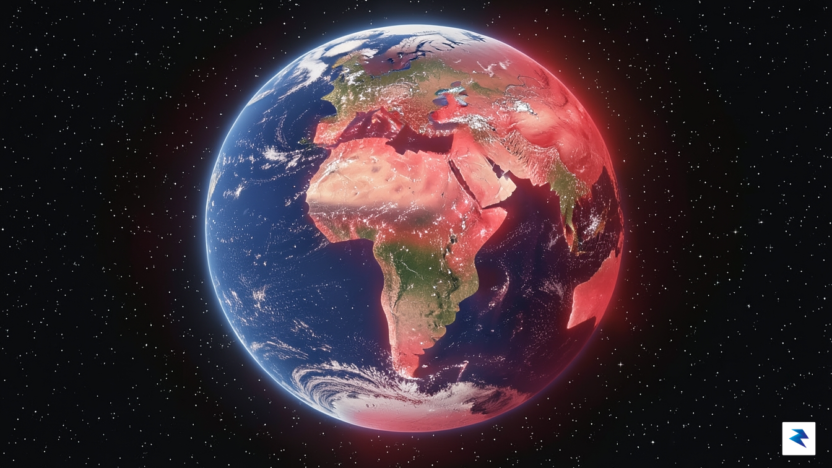
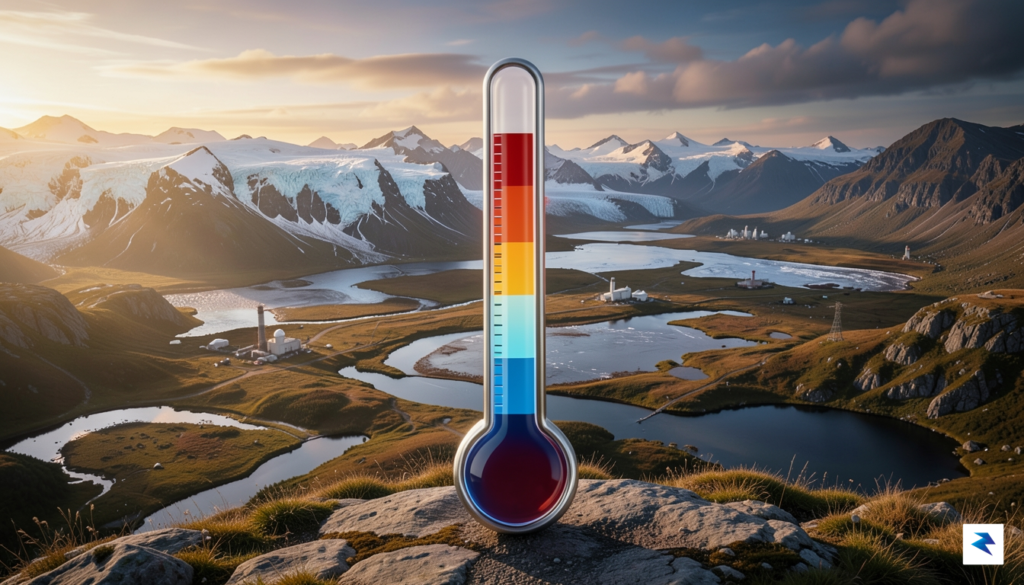
For years, the global climate conversation has been anchored by the 1.5°C target established in the Paris Agreement—a benchmark intended to prevent the most catastrophic consequences of a warming planet. However, recent data from German climate researchers has introduced a sobering pivot in this discourse, shifting the focus toward a trajectory that could see global temperatures climb by 3°C as early as 2050. This projection is not merely a statistical adjustment; it represents a fundamental departure from previous, more optimistic models that assumed a steady decline in global emissions. By moving this figure from the realm of extreme “worst-case” scenarios into the category of “likely” outcomes, the scientific community is signaling that our current pace of decarbonization is drastically misaligned with the realities of the physical world.
The significance of this shift lies in the accelerating nature of the variables at play. While earlier models often relied on linear projections, contemporary analysis now emphasizes the role of dangerous feedback loops that threaten to push the climate system toward irreversible tipping points. As permafrost melts, releasing trapped methane, and as the albedo effect diminishes due to retreating Arctic ice, the planet’s capacity to regulate its own temperature is being fundamentally compromised. These mechanisms create a self-reinforcing cycle of warming that current policy frameworks have struggled to account for, effectively shrinking the window of opportunity for meaningful intervention.
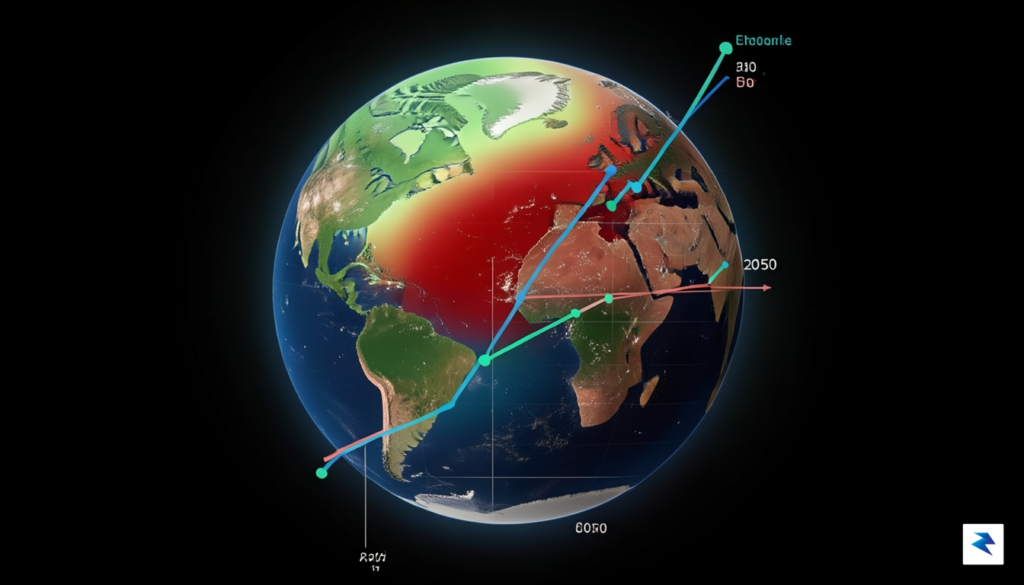
The transition from a 1.5°C aspiration to a 3°C reality is more than just a difference in numbers; it marks a transition from a world of manageable climate adaptation to one of systemic, global disruption.
This new warning serves as a rigorous reality check for policymakers and the public alike. It challenges the assumption that technological innovation alone—without drastic, immediate structural changes to our energy and economic systems—will be sufficient to keep warming within “safe” limits. When scientists highlight a 3°C trajectory, they are essentially arguing that the margin for error has all but vanished. If we are to avoid this intensified reality, the discourse must shift from theoretical goals to the immediate, aggressive implementation of emission-reduction strategies that match the sheer scale and velocity of the warming trend currently unfolding before our eyes.
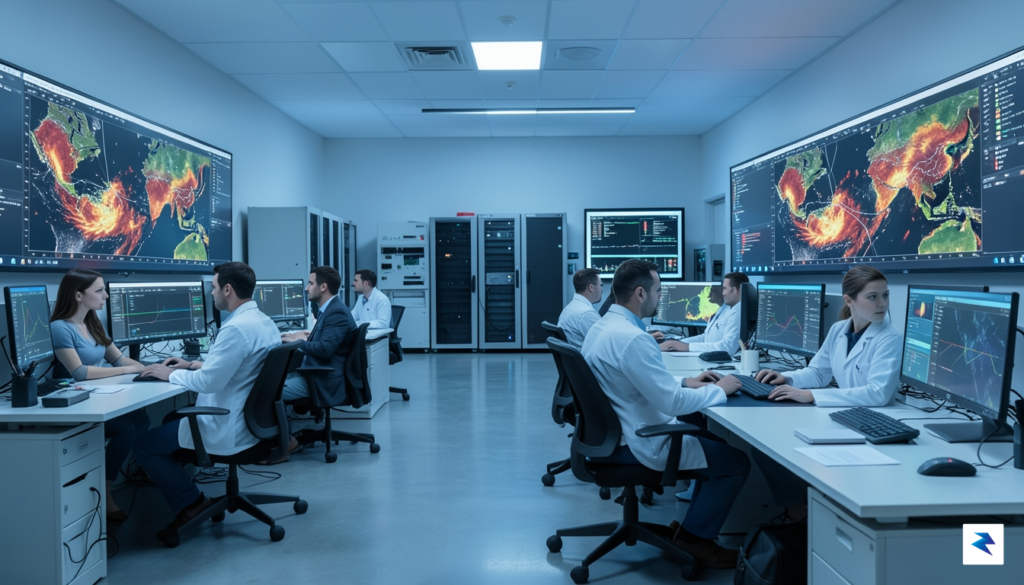
The stark forecast of a 3°C temperature increase by 2050 is far from a speculative estimate or a product of alarmist rhetoric; rather, it is the result of rigorous, multi-layered climate modeling that integrates physical atmospheric data with socio-economic trajectories. German researchers have moved beyond traditional linear projections, instead utilizing a dynamic framework that accounts for the “feedback loops” inherent in our global ecosystem. By synthesizing decades of historical climate sensitivity data with granular analysis of current industrial output, the report constructs a sobering map of our trajectory. This methodology acknowledges that the atmosphere does not react to carbon emissions in a vacuum; it responds to the cumulative weight of industrial history, current energy dependency, and the agonizingly slow pace of global infrastructure transformation.
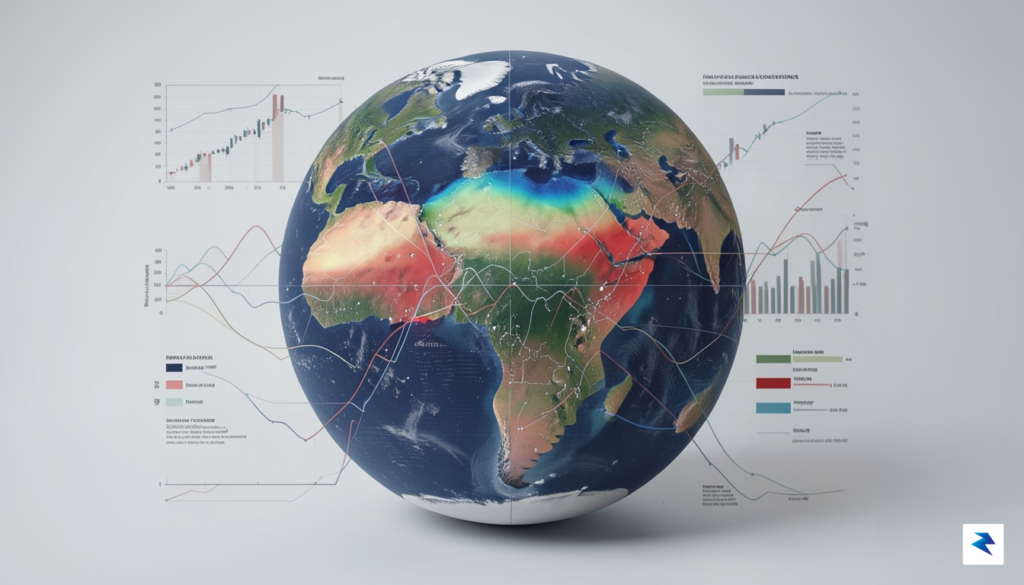
A central pillar of this research is the failure to effectively decouple GDP growth from carbon-intensive energy consumption. While many nations have touted progress in renewable energy adoption, the report highlights that the sheer volume of global economic demand continues to outpace the rate of decarbonization. Researchers scrutinized the correlation between industrial expansion and atmospheric carbon retention, finding that even with aggressive policy shifts, the “locked-in” emissions from existing fossil fuel infrastructure create a significant buffer that prevents immediate cooling. Consequently, the projection rests on the grim reality that current economic models prioritize short-term growth over the systemic overhaul required to stabilize the climate, effectively pushing the 3°C threshold closer to our doorstep.
The core of the 3°C projection lies in the realization that we are not merely dealing with linear warming, but with the compounding pressure of systemic economic inertia meeting sensitive atmospheric tipping points.
To understand the depth of these findings, one must distinguish between systemic risks and purely atmospheric variables. The former involves the infrastructure of our global economy—the energy grids, transportation networks, and agricultural supply chains that are deeply entrenched in carbon-heavy processes. These are the variables that researchers identified as the primary catalysts for accelerating the timeline. Conversely, atmospheric variables, such as methane release from permafrost and decreased albedo effects from melting polar ice, act as amplifiers. By layering these two distinct sets of data, the model demonstrates that the 3°C target is not just a possibility—it is the logical outcome of a world that continues to operate under the assumption that the environment possesses an infinite capacity to absorb the externalities of industrial progress.
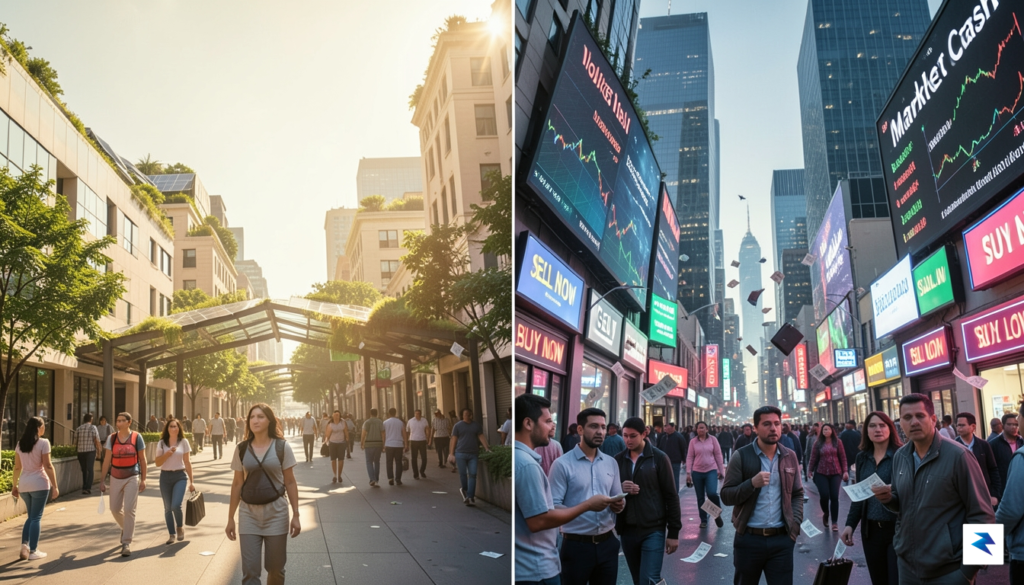
Crossing the 3°C threshold by mid-century would represent far more than a mere shift in atmospheric averages; it would act as a structural stress test for the global economy that many of our current institutions are ill-equipped to survive. The primary threat to global stability lies in the breakdown of food security, as erratic weather patterns and prolonged heatwaves erode the reliability of major breadbasket regions. When agricultural yields falter, the resulting volatility in commodity markets triggers a domino effect, pushing prices for basic staples beyond the reach of vulnerable populations. This scarcity is exacerbated by dwindling freshwater resources, turning once-productive agricultural zones into dust bowls and forcing a fundamental restructuring of how we grow and distribute the world’s sustenance.

The economic burden of this warming trajectory extends deep into the infrastructure of our daily lives, particularly through the lens of disaster recovery. As extreme weather events move from “once-in-a-century” occurrences to annual realities, the capital required for rebuilding and fortifying supply chains will skyrocket, siphoning funds away from innovation, education, and social safety nets. Global manufacturing, which relies on the “just-in-time” precision of interconnected logistics, faces a future of constant disruption. When ports, roads, and power grids are repeatedly compromised by rising sea levels or extreme heat, the resulting bottlenecks will drive chronic inflation and supply uncertainty, effectively imposing a permanent “climate tax” on consumers worldwide.
The cost of inaction will not be measured in abstract temperature degrees, but in the lost productivity of a global labor force struggling to operate in a physically stressed, resource-depleted environment.
Beyond the spreadsheets, the human cost is most poignantly reflected in forced migration and regional instability. As climate degradation renders large swaths of the equatorial belt increasingly uninhabitable, we will likely witness unprecedented waves of displacement. This movement of people is not merely a humanitarian challenge; it is a catalyst for geopolitical friction as nations grapple with resource competition and the strain on border infrastructure. Furthermore, public health systems will face a dual crisis: the rapid spread of tropical diseases into newly temperate latitudes and the surge of heat-related illnesses among outdoor workers. Declining labor productivity—a direct consequence of an environment that is simply too hot to sustain physical exertion—will further hollow out the tax bases needed to pay for the very infrastructure upgrades required to mitigate these risks. We are looking at a future where climate change is the central factor defining the success or failure of national economies.
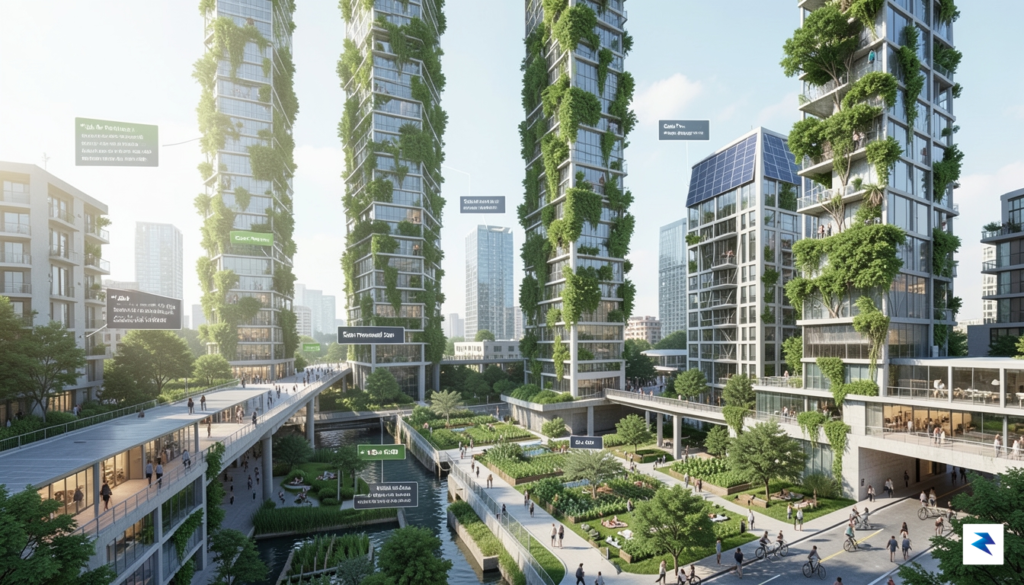
If the global temperature trajectory climbs toward 3°C by mid-century, our current urban landscapes will face an existential stress test. Most of our existing infrastructure—from asphalt roads to electrical grids—was designed for the stable climates of the 20th century, not the volatile, high-heat reality of a warming world. To survive, cities must undergo a radical metamorphosis, moving away from heat-absorbing materials and toward adaptive, biological, and modular designs that prioritize human safety over traditional aesthetic or cost-saving standards.
The first line of defense against rising temperatures is the mitigation of the urban heat island effect. Concrete and dark asphalt act as thermal batteries, soaking up solar radiation during the day and radiating it back at night, preventing city centers from cooling down. To combat this, urban planners are increasingly turning to “cool city” initiatives that prioritize natural thermodynamics. Implementing green roofs and vertical forests acts as a biological insulation layer for buildings, drastically reducing the need for artificial cooling while simultaneously absorbing carbon dioxide. Furthermore, the widespread adoption of permeable pavements—which allow water to infiltrate the ground rather than pooling on sealed surfaces—helps manage the surge of extreme rainfall events that often accompany warmer, more humid air masses.
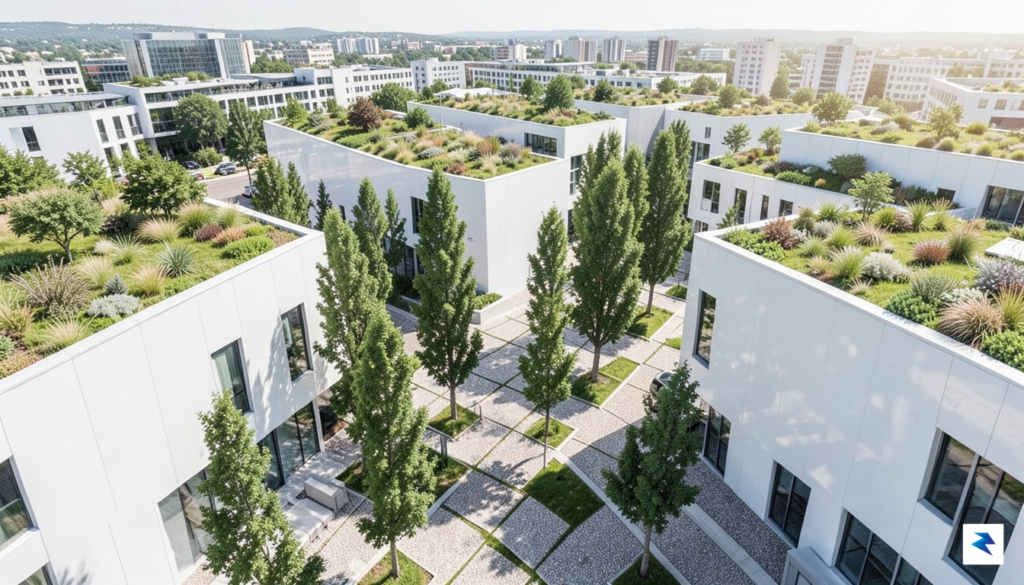
Urban forest canopies are perhaps the most essential, yet underutilized, tool in this transition. Beyond merely beautifying neighborhoods, dense, strategic tree planting provides critical shade and facilitates evapotranspiration, which can lower local ambient temperatures by several degrees. By prioritizing the integration of parks and interconnected green corridors, cities can create “cool islands” that protect vulnerable populations, particularly the elderly and those living in lower-income areas where heat exposure is often disproportionately high.
While surface-level changes are vital, the invisible infrastructure beneath our feet requires an equally ambitious overhaul. Our electrical grids are currently ill-equipped to handle the massive, simultaneous spikes in cooling demand that occur during prolonged heatwaves. As air conditioning becomes a necessity rather than a luxury, grid operators must modernize to incorporate decentralized energy storage, smart-metering, and increased transmission capacity. Without these upgrades, the risk of cascading power failures during record-breaking temperature events becomes a distinct, life-threatening possibility.
True resilience in a 3-degree world is not just about building stronger walls; it is about building flexible systems that can fail gracefully and recover quickly when the environment pushes them to their limits.
Finally, for coastal and flood-prone regions, civil engineering must shift from the era of “fighting water” to “living with water.” Traditional sea walls and rigid concrete levees are often insufficient against the rising tides and intensified storm surges associated with a 3°C warming scenario. Instead, we must embrace nature-based solutions, such as restored wetlands and mangrove buffers, which dissipate wave energy more effectively than static barriers. By combining these ecological defenses with elevated infrastructure and flood-resilient architecture, we can ensure that our cities remain habitable, functional, and safe, even as the global climate undergoes its most significant shift in human history.

The widening chasm between high-level international climate pledges and the cold reality of atmospheric data has become the defining challenge of our generation. While governments frequently convene to set ambitious net-zero targets, the actual trajectory of global emissions suggests that our current carbon-pricing mechanisms—often marred by loopholes, insufficient permit caps, and regional inconsistencies—are failing to catalyze the necessary systemic transformation. Relying solely on market-based incentives has proven insufficient to curb the industrial momentum that drives 3°C warming scenarios. To genuinely bend the emissions curve, we must move beyond incremental adjustments and embrace a radical, mandatory restructuring of the global economic framework.
The path to 2050 requires more than just goodwill; it demands an aggressive, non-negotiable decarbonization of the global energy sector. This involves phasing out fossil fuel subsidies while simultaneously mandating circular economy standards that force manufacturers to account for the full lifecycle of their products. By implementing stringent cross-border environmental regulations—such as carbon border adjustment mechanisms—nations can prevent the “leaking” of emissions to regions with laxer standards, effectively globalizing a higher price on pollution. Without these binding, enforceable policies, the promise of a sustainable future remains little more than an aspirational footnote in political manifestos.
The transition to a sustainable future is no longer a matter of technological capability, but one of political willpower and the rapid implementation of binding, sector-wide regulatory mandates.
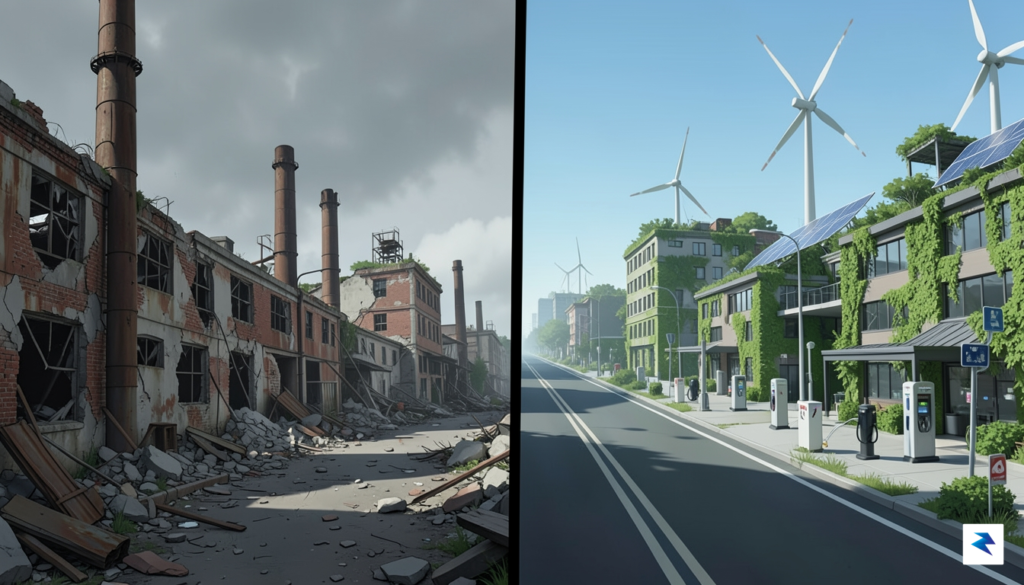
Furthermore, we must address the delicate balance between institutional accountability and individual action. While consumer choices and personal lifestyle changes are vital for fostering a culture of conservation, they cannot replace the institutional overhaul required to reorganize industrial supply chains and energy grids. When the burden of climate change is placed primarily on the individual, it often masks the lack of structural progress by major emitters and policy architects. True progress will only manifest when governments treat the climate crisis with the same urgency as a national security threat, holding multinational corporations strictly accountable for their environmental footprint. Ultimately, bridging the policy gap requires us to shift our focus from voluntary targets to enforceable, tangible mandates that leave no room for the delays that currently threaten our collective future.
You must be logged in to post a comment.