Why Your Electricity Bill Could Rise: The Hidden Cost of AI and Data Centers
The PJM Power Auction Shock: Understanding the $6.3 Billion Surge To understand why electricity prices are poised for a significant climb…

The recent release of the Consumer Price Index (CPI) has provided a much-needed moment of clarity for both policymakers and everyday consumers. By clocking in at 3.5% annually for June, the data suggests that the aggressive inflationary surge characterizing the post-pandemic era is finally beginning to lose its momentum. This figure is particularly significant because it represents a departure from the stubborn, elevated plateaus that have defined the last eighteen months. While the CPI methodology—which tracks the weighted average of prices for a basket of consumer goods and services—remains a complex calculation, the downward trajectory indicates that the broader economic cooling efforts are beginning to manifest in tangible ways across the national economy.
To fully grasp why this 3.5% figure is being hailed as a pivotal shift, we must look beyond the year-over-year comparison and examine the monthly variance. Annual figures can often be skewed by base effects from the previous year, but a monthly decline provides a granular, real-time look at how current supply chains and consumer demand are interacting. This specific drop is arguably the most meaningful movement we have seen since the extreme volatility of 2020. It suggests that the market is finding a new equilibrium, moving away from the reactive, panic-driven pricing models that dominated the early stages of the global supply chain crisis.
The cooling of inflation to 3.5% serves as a critical indicator that the economy is transitioning from a period of high-velocity price hikes to a more stable, albeit still cautious, recovery phase.
When we break down the categories contributing to this decline, the relief is most apparent in sectors that were previously the primary drivers of inflation. Energy costs and transportation services, which were heavily influenced by geopolitical uncertainties and regional instability, have shown the most notable pullbacks. As the temporary pause in regional tensions—specifically the de-escalation in the conflict involving Iran—has stabilized global oil markets, the ripple effect has been felt at the gas pump and in the cost of moving goods across the country. Lower logistics costs inevitably translate into lower shelf prices for retail goods, creating a cascading effect that helps dampen overall inflation.
Ultimately, while 3.5% remains above the historical targets preferred by central banks, the shift represents a psychological and financial turning point. Consumers who have been bracing for perpetual price hikes are now seeing a stabilization that allows for better long-term household budgeting. By analyzing these monthly trends rather than relying solely on lagging annual metrics, we gain a clearer understanding of a stabilizing economy that is finally starting to emerge from the shadow of prolonged geopolitical and fiscal pressure.
The global economy has long operated under the shadow of Middle Eastern volatility, where any escalation in regional hostilities acts as an immediate catalyst for spikes in crude oil prices. Historically, when tensions flare near vital shipping lanes like the Strait of Hormuz, markets react with instantaneous anxiety, baking in a “risk premium” that drives up the cost per barrel. This recent pause in direct conflict with Iran has provided a necessary cooling period, effectively removing that geopolitical uncertainty from the pricing models of major energy exchanges. By fostering a more stable environment for oil production and transit, this de-escalation has allowed global supply chains to breathe, preventing the kind of sudden, sharp energy price hikes that historically trigger inflationary surges.
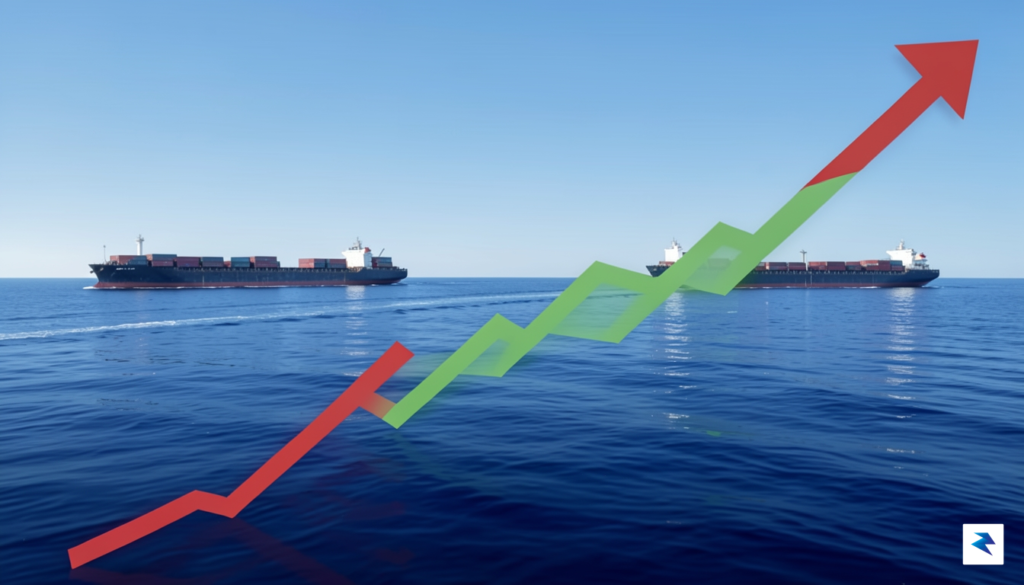
To understand why this matters for your personal finances, one must look at the mechanism of “energy pass-through costs.” Energy is the fundamental input for nearly every sector of the modern economy; it powers the factory machinery that builds our goods, the trucks that move those goods across continents, and the retail spaces where we eventually make our purchases. When fuel prices spike due to regional instability, those costs are not simply absorbed by manufacturers; they are inevitably passed down the supply chain to the end consumer. Conversely, as geopolitical tensions have subsided, we have observed a stabilization in fuel surcharges and transportation expenses. This reduction in the cost of moving goods acts as a deflationary pressure, providing a subtle but significant relief to the price tags of consumer staples, from groceries to household utilities.
The cooling of regional tensions serves as an invisible but powerful tether on inflation, as lower energy inputs translate into reduced overhead for businesses across the logistics and retail sectors.
Beyond the immediate reduction in transportation costs, the pause in conflict has also encouraged a more predictable environment for long-term supply chain planning. During periods of active warfare, companies are often forced to stockpile inventory or pay exorbitant premiums for expedited, secure logistics, both of which are inflationary behaviors. With the current stability, logistics managers are reporting a return to more standard operating procedures, which helps eliminate the “emergency pricing” that characterized the peak of recent regional instability. As these efficiencies work their way through the broader economy, the cumulative effect is a deceleration in inflation that consumers are finally beginning to feel at the checkout counter. This delicate balance underscores how closely our daily cost of living is linked to the complex, shifting landscape of international diplomacy.

At its core, inflation is driven as much by collective human psychology as it is by supply chains or currency fluctuations. When households believe that prices will continue to climb indefinitely, they often engage in a self-fulfilling prophecy of panic-purchasing, buying goods sooner than necessary to avoid paying more tomorrow. This anticipatory behavior adds fuel to the fire, keeping demand artificially high and prices elevated. However, as the recent geopolitical pause in the conflict with Iran has signaled a period of relative stabilization, we are observing a notable shift in consumer sentiment. The frantic urgency to secure assets or stockpile essentials is giving way to a more measured, rational approach to personal financial management, as the expectation of runaway price growth begins to dissipate.

Recent economic data releases have played a pivotal role in shifting this internal calculus for the average consumer. As government reports reflect cooling indices, confidence surveys are increasingly capturing a transition from anxiety to cautious optimism. Households that were previously locked into a defensive spending posture are now showing signs of re-evaluating their long-term goals. Instead of prioritizing immediate consumption to hedge against inflation, many families are redirecting their focus toward debt reduction, savings accounts, and strategic investments. This fundamental change in perspective is crucial, as it suggests that the economy is moving away from the volatile, sentiment-driven spikes that characterized the earlier months of global instability.
The most powerful tool in stabilizing an economy is the restoration of predictability; when consumers no longer feel the need to race against the clock, market demand naturally recalibrates to sustainable levels.
This evolving “wait-and-see” approach is now the dominant trend across retail sectors, fundamentally altering how businesses approach their inventory and pricing strategies. Rather than bowing to pressure to raise prices rapidly to cover anticipated future costs, retailers are finding that consumers are becoming more discerning, willing to delay non-essential purchases until they find genuine value. This discipline among shoppers acts as a natural dampener on inflation, forcing a more competitive marketplace that rewards efficiency rather than price gouging. Ultimately, this cooling of expectations provides a much-needed foundation for market stability, allowing households to transition from the stress of crisis management toward a more balanced, long-term financial trajectory.

The recent cooling of inflation, bolstered by a temporary de-escalation in geopolitical tensions involving Iran, provides a much-needed reprieve for the Federal Reserve as it navigates its dual mandate of fostering price stability and maximum employment. For months, the central bank has maintained a restrictive interest rate environment to dampen stubborn price increases, a strategy that has kept borrowing costs high for businesses and consumers alike. Now, as the latest Consumer Price Index (CPI) data shows a softening in inflationary pressures, the debate among policymakers has shifted from if they should pivot to when they can safely begin to ease the burden of high interest rates without reigniting the very volatility they have worked so hard to quell.
This shift has intensified the ongoing tug-of-war between “hawkish” economists, who fear that lowering rates too early could trigger a secondary wave of inflation, and “dovish” proponents, who argue that keeping rates at current levels for too long risks stifling the labor market and stalling economic growth. The cooling data acts as a powerful piece of evidence for those advocating for a more accommodative stance. If the reduction in geopolitical risk continues to stabilize energy prices and supply chains, the Fed may finally find the room it needs to shift its focus toward preventing unnecessary unemployment, a primary goal of its mandate that often takes a backseat during periods of high inflation.
The Federal Reserve’s next move is not merely a reaction to current statistics, but a calculated bet on whether the current stabilization in geopolitical conditions will hold or prove to be a fleeting intermission.
Despite the optimism surrounding these recent figures, the Federal Reserve remains famously cautious. Policymakers are acutely aware that economic conditions can shift rapidly, and they are unlikely to commit to a formal pivot until they see consistent, multi-month evidence that inflation is sustainably retreating toward their 2% target. Consequently, market analysts are tempering expectations for an immediate rate cut, instead pointing toward a “wait-and-see” approach. The Fed must balance the desire to stimulate the economy with the risk of premature easing, which could force a painful reversal if regional conflicts flare up again and send shockwaves through global commodity markets.

Ultimately, while the pause in conflict has provided a favorable tailwind, the path forward for interest rates remains data-dependent and gradual. The Fed is expected to continue emphasizing that while the trend is moving in the right direction, they are not yet ready to declare victory. For the average consumer, this means that while the era of aggressive rate hikes may be firmly in the rearview mirror, a return to the low-interest-rate environment of the past decade is unlikely to happen overnight. Investors and borrowers alike should prepare for a period of transition where the Fed carefully calibrates its policy to protect the fragile equilibrium of the current economic recovery.

While the recent deceleration in inflation provides a much-needed respite for consumers and policymakers alike, it is premature to declare a definitive victory over price volatility. The economic landscape remains inherently fragile, subject to a variety of “wild card” factors that could easily pivot the trajectory of recovery. Chief among these concerns are persistent, albeit localized, supply chain bottlenecks and the unpredictable nature of global demand. Furthermore, while wage growth has moderated, it continues to exert upward pressure on service-sector prices, creating a tug-of-war between rising household income and the necessity of keeping costs low. Navigating this environment requires a cautious approach, as any sudden escalation in geopolitical tensions or a sharp reversal in energy markets could rapidly erase the gains made during the recent period of relative stability.
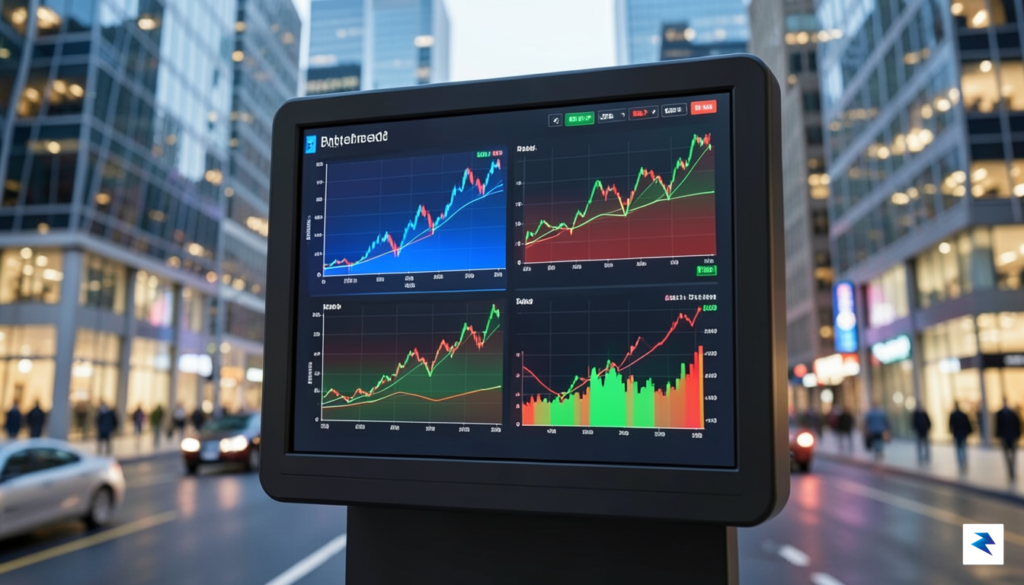
The conversation among economists frequently centers on the elusive “soft landing”—a scenario where inflation returns to target levels without triggering a recessionary downturn. Current data points, particularly the cooling trends observed in late spring and early summer, offer a glimmer of optimism that such a path is achievable. However, historical precedent warns that economic cycles rarely follow a perfectly linear trajectory. The consensus among market analysts suggests that while the economy has shown remarkable resilience, the remainder of the year will be defined by a delicate balancing act. If the labor market remains robust while consumer spending shifts from hyper-consumption to more disciplined patterns, the likelihood of a sustainable, stable growth phase increases significantly.
Sustainable price stability is not merely a product of temporary pauses in conflict; it is the result of long-term structural alignment between supply capacities and aggregate demand.
Looking further ahead toward the end of 2026, expert forecasts remain cautiously optimistic but emphasize the importance of policy flexibility. Most models anticipate a gradual normalization of interest rates, provided that no new inflationary shocks disrupt the global trade environment. There is a strong emphasis on the role of energy independence and diversified supply chains as primary buffers against future volatility. Ultimately, while the immediate horizon looks brighter than it did just a few months ago, stakeholders are advised to maintain a long-term perspective. By focusing on productivity gains and fiscal discipline, the broader economy is better positioned to withstand the inevitable, yet manageable, fluctuations that characterize a maturing post-conflict recovery.
You must be logged in to post a comment.