
New York’s Data Center Moratorium: A New Era for Tech Regulation
Understanding the New York Data Center Moratorium Governor Kathy Hochul’s recent executive order marks a significant turning point in New…
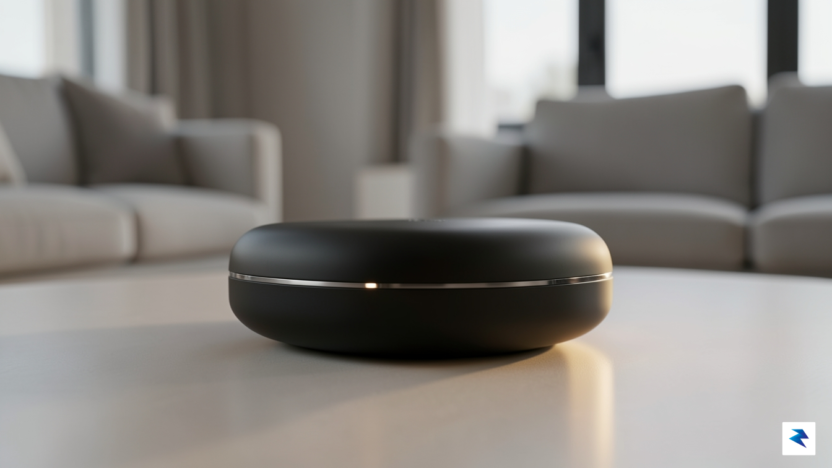
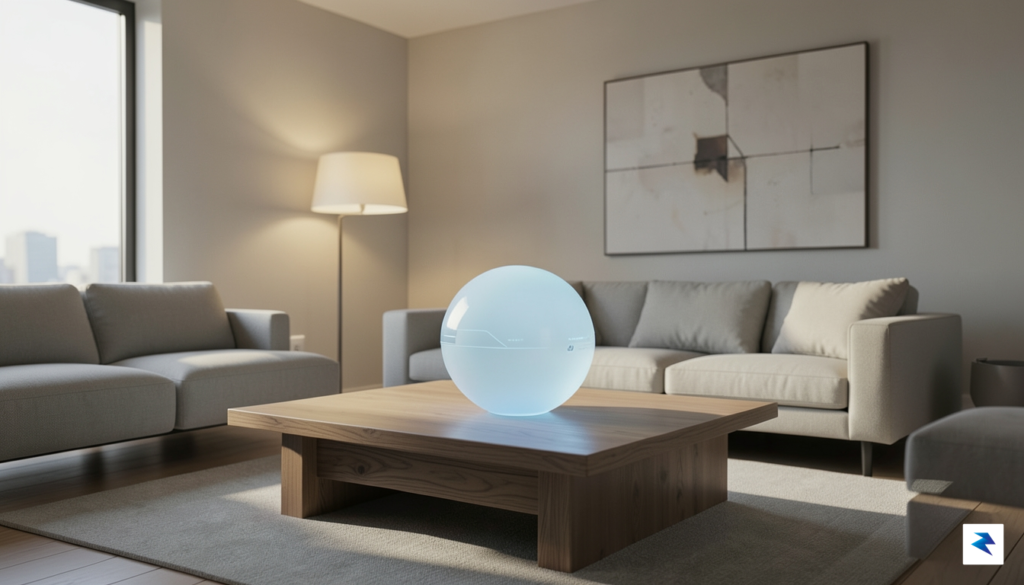
Artificial Intelligence, once a concept confined to science fiction and later, the digital realm of our computers and smartphones, is rapidly breaking free from the browser window. We’ve witnessed a dramatic acceleration in how LLMs like ChatGPT integrate into daily workflows, assisting with everything from drafting emails to brainstorming complex ideas. This pervasive integration, however, naturally leads to a demand for AI that is less a tool we seek out and more an omnipresent assistant — a shift towards what technologists term ‘ambient computing.’ In this vision, AI is not merely a tab open on your browser or an app on your phone, but an ever-present, seamlessly available entity that enhances your environment and interactions without explicit command or initiation.
The journey from text-based large language models to voice-first interfaces represents a pivotal step in this evolution. While our current interactions with AI largely involve typing prompts into a chat window, the most intuitive and natural form of communication for humans remains spoken language. Consequently, the development of sophisticated voice recognition and synthesis, coupled with advanced natural language understanding, makes a dedicated smart speaker a logical next frontier for companies spearheading AI innovation. Such a device bypasses the need for visual input or manual interaction, transforming AI from a digital service into a tangible, responsive presence within our physical spaces, always ready to listen and assist.
For a company like OpenAI, which has consistently aimed to make advanced AI accessible and beneficial to humanity, pivoting toward hardware is a natural and strategic growth trajectory. It’s not just about offering a new product; it’s about controlling the entire user experience, from the underlying AI model to the physical interface through which users interact with it. By developing dedicated hardware, OpenAI can optimize performance, ensure privacy protocols are embedded at a foundational level, and craft an experience that is truly designed around conversational AI, rather than adapting it to existing, general-purpose devices. This move also allows them to carve out a distinct market segment, differentiating their offerings in an increasingly crowded AI landscape and expanding the very definition of what AI interaction can be.
When considering the potential of a dedicated ChatGPT smart speaker, the limitations of current smartphone-based AI assistants become strikingly clear. While convenient, assistants like Siri or Google Assistant are constrained by the multi-purpose nature of a smartphone, often requiring screen interaction, battling for system resources, and contending with battery life concerns. Moreover, the constant “always-on” listening capabilities, while present, often feel secondary to the phone’s primary functions and can raise unique privacy concerns when embedded in such a personal device. A dedicated smart speaker, conversely, is engineered from the ground up for perpetual readiness and specialized AI interaction, providing superior microphone arrays, optimized processing for language models, and a design philosophy centered on seamless, voice-first engagement, free from the distractions and compromises of a smartphone.
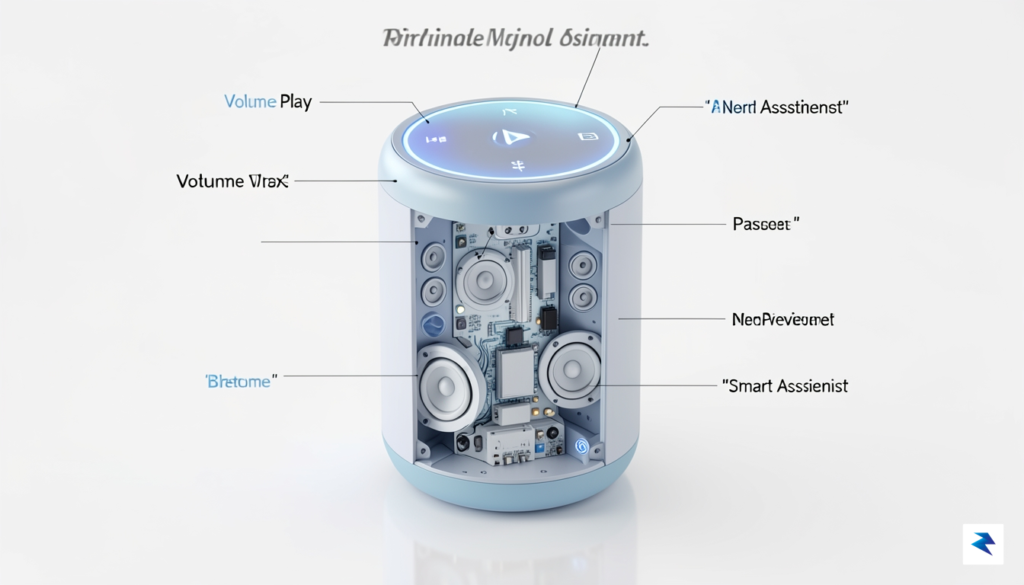
The core philosophy behind OpenAI’s rumored hardware isn’t simply about adding a new voice assistant to your kitchen counter; it is about fundamentally rethinking how an AI perceives the physical world. Unlike the current generation of smart speakers, which rely heavily on static interfaces and visual dashboards, this device appears to be stripping away the screen entirely. By opting for a screenless architecture, OpenAI is wagering that the true value of artificial intelligence lies in its ability to “see” and “understand” surroundings rather than merely presenting text on a display. This design choice signals a pivot toward ambient computing, where the device acts as a silent observer that processes spatial context in real-time, effectively transforming your living space into a collaborative AI environment.
Central to this rumored hardware is the integration of advanced sensors and high-fidelity cameras designed to bridge the gap between digital intelligence and physical reality. These components are not meant to provide a video feed for the user, but rather to feed raw, multimodal data into GPT-4o’s reasoning engine. By continuously interpreting visual cues—such as a user pointing at an object, changing facial expressions, or rearranging items in a room—the device can maintain a level of situational awareness that voice-only assistants could never achieve. This represents a significant technical leap, as it requires the hardware to perform complex computer vision tasks locally or via low-latency cloud connections without distracting the user with a traditional interface.
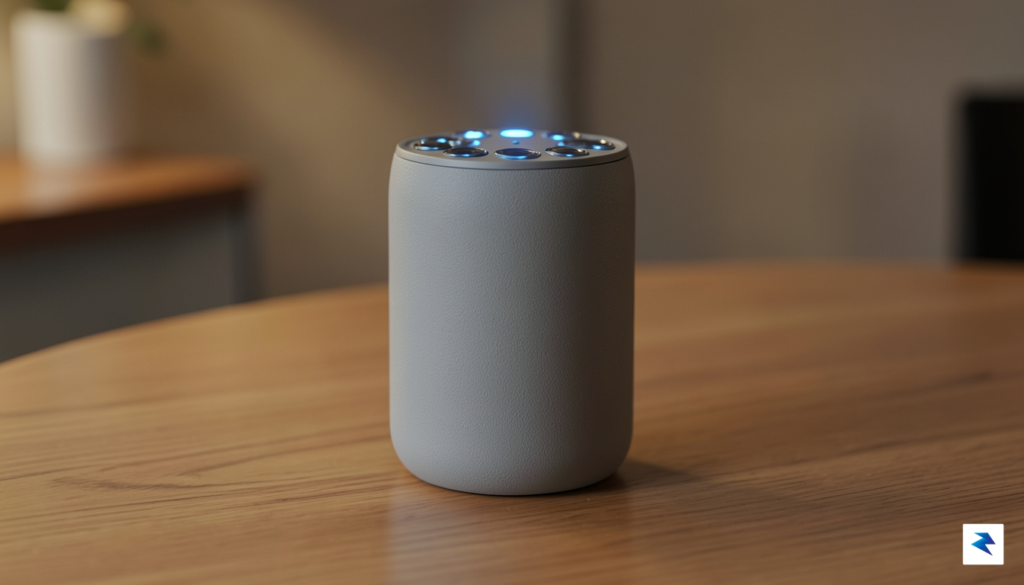
The success of a screenless device hinges entirely on the AI’s ability to act as a seamless companion rather than a tool requiring constant manual input.
This hardware strategy is clearly engineered to play to the unique strengths of GPT-4o, OpenAI’s flagship multimodal model. Because GPT-4o is architected to handle voice, audio, and image inputs simultaneously, it possesses a native capability for emotional intelligence and nuanced interaction. A device equipped with these sensors can detect the subtle pauses in a conversation, understand the emotional weight of a user’s tone, and correlate those audio inputs with the visual state of the room. This synergy allows for a more natural, fluid experience where the AI feels like an active participant in the home rather than a command-line interface trapped in a plastic box.
However, it is essential to manage expectations regarding this transition. While the technical potential for a context-aware assistant is immense, the challenges of privacy and reliability in a domestic setting cannot be overstated. Relying on cameras to “understand” the home requires a massive shift in user trust, as the device must constantly balance its need for environmental data with the sanctity of a private living space. If OpenAI can successfully navigate these technical and ethical hurdles, this screenless speaker could move us away from the era of “asking” our devices for information and toward an era of “collaboration” with an AI that already understands exactly what we are doing and why.
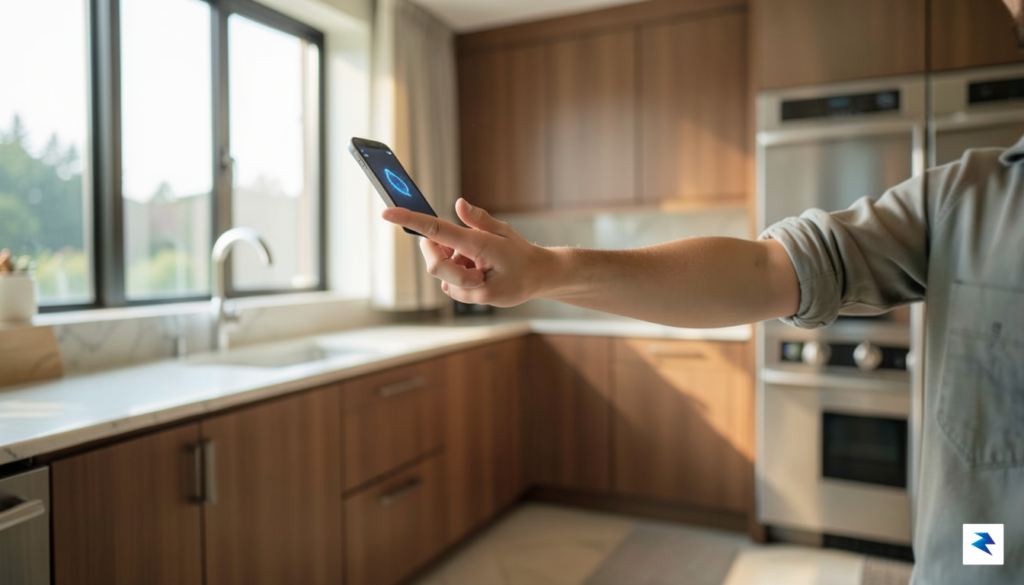
For the past decade, our interactions with digital assistants have been tethered to the glow of a screen, effectively trapping our attention in a two-dimensional interface. Whether we are checking a weather app or querying a voice assistant on a smartphone, the fundamental requirement has been a downward gaze, physically distancing us from our immediate surroundings. A screenless, embodied AI represents a shift away from this solitary engagement. By placing a device in the room that perceives the world through cameras and spatial sensors, we transition from an AI that merely listens to one that truly observes. This shift in perspective transforms the AI from a distant software program into a collaborative partner that shares our physical context.
The technical rationale for this leap lies in what researchers call spatial intelligence. Unlike previous generations of “blind” assistants—which relied entirely on typed text or isolated voice commands—a vision-enabled device can interpret the complexities of a physical environment in real-time. Imagine attempting to fix a leaking pipe or assemble a piece of furniture; instead of searching through endless text forums or pausing to watch a video, you could simply point your AI toward the problem. By seeing exactly what you see, the system can provide context-aware, step-by-step guidance, effectively acting as an extra pair of eyes that understands the nuances of your specific home layout or the unique tools you have on hand.
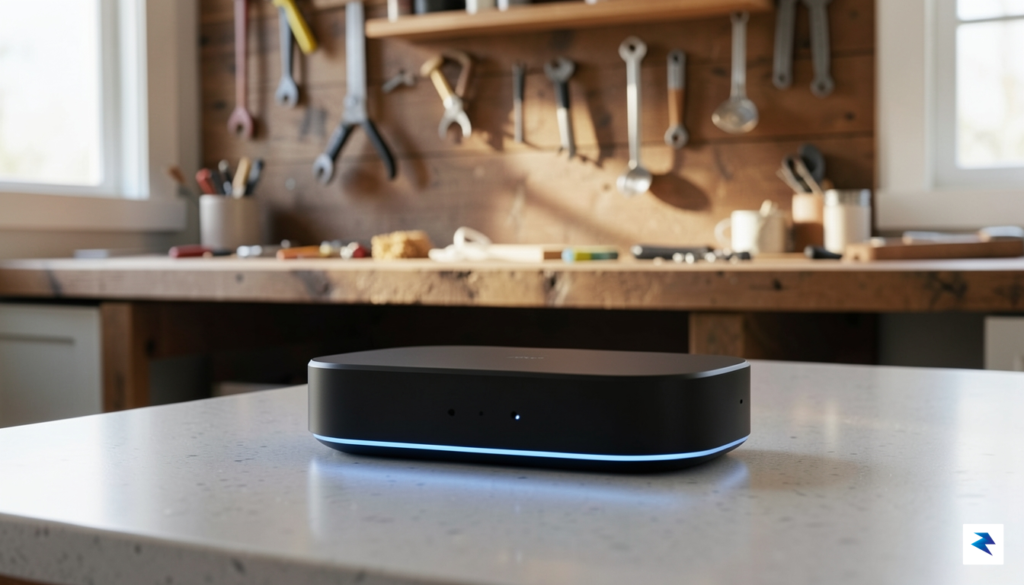
This capability holds profound implications for accessibility and everyday utility. For individuals with visual impairments, a device that can describe the contents of a refrigerator, identify medication labels, or navigate a room full of obstacles provides a level of autonomy that a standard smartphone cannot match. Because the AI is physically present, it no longer relies on the user to accurately describe their situation through limited, often imprecise language. Instead, the AI builds a persistent, high-fidelity model of the space, allowing it to offer proactive assistance that feels less like operating a computer and more like interacting with an intelligent, helpful roommate.
True spatial intelligence is not just about identifying objects; it is about understanding the intent behind a user’s movement within a shared physical environment.
Moving beyond the screen also mitigates the friction of digital multitasking. When the AI exists as an ambient presence rather than a notification-heavy app, the barrier to entry for complex tasks drops significantly. You are no longer required to unlock a device, navigate to a specific application, and type out a query while your hands are busy. By integrating spatial awareness with natural language, OpenAI’s potential hardware could foster a more fluid, human-centric way of living where technology serves as a backdrop to our lives, intervening only when needed and maintaining a deep, visual awareness of the world around us.
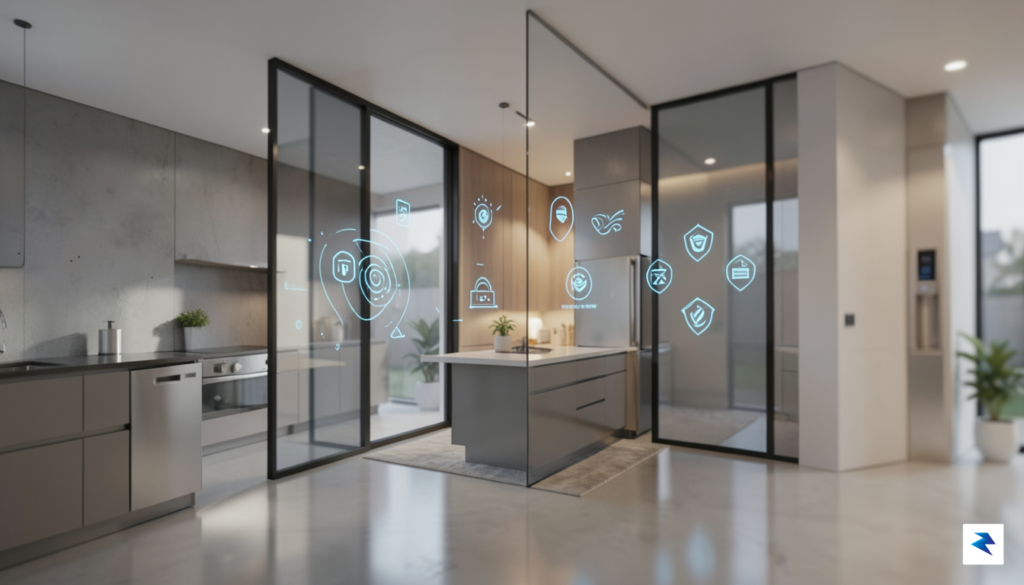
The introduction of a sophisticated, multimodal AI into the intimate space of the home naturally triggers immediate apprehension regarding the sanctity of private life. For many, the prospect of a device that is perpetually “listening” or “watching” evokes images of digital surveillance rather than helpful companionship. OpenAI faces a significant hurdle in convincing a skeptical public that their hardware is designed with a “privacy-first” architecture rather than a data-harvesting mandate. The core of this challenge lies in the tension between the complex processing required for human-level interaction and the basic human right to domestic solitude.
To overcome this barrier, the industry is increasingly looking toward edge computing as the definitive solution. By shifting the heavy lifting of artificial intelligence inference from remote cloud servers to the local hardware itself, OpenAI could ensure that a user’s voice, visual context, and behavioral patterns never leave the physical boundaries of their home. If the device processes commands locally—effectively analyzing data in a “black box” environment where the raw input is discarded immediately after the intent is understood—it would fundamentally neutralize the most pressing privacy concerns. Without this local-first approach, the device risks being perceived as an invasive monitoring tool rather than a neutral piece of consumer technology.
The true test of a next-generation smart speaker will not be its ability to answer complex questions, but its ability to prove that it is not listening when it isn’t supposed to be.
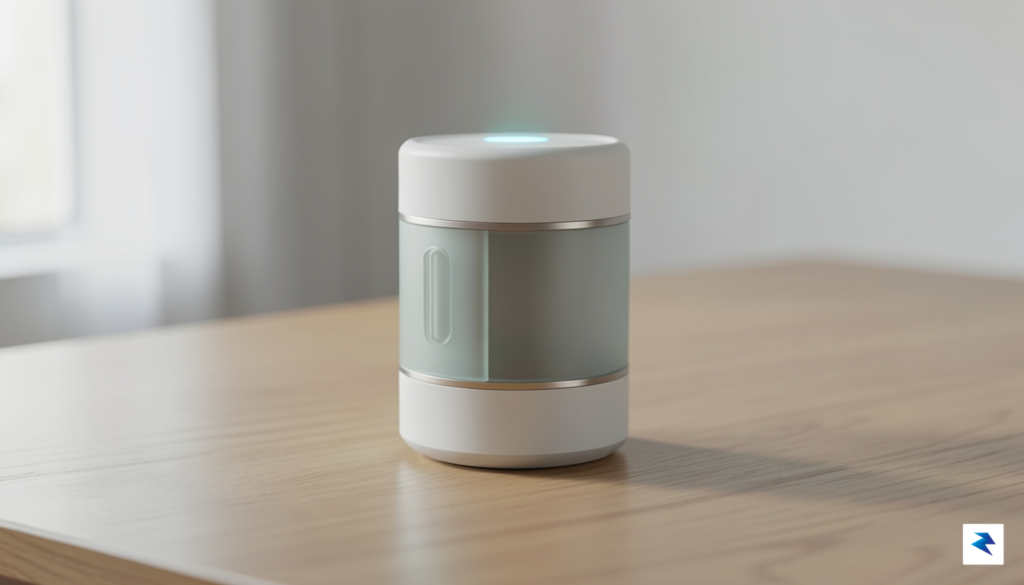
Furthermore, the trade-off between high-functioning multimodal AI and data security is a delicate tightrope walk. Advanced features like continuous environmental awareness or visual recognition are computationally expensive, often requiring the massive scale of cloud-based neural networks to function fluidly. However, constant streaming of sensitive home footage or audio to the cloud represents a significant vulnerability, both in terms of potential data leaks and unauthorized access. Therefore, OpenAI must strike a balance by implementing a tiered processing model: utilizing the cloud only for high-level, non-sensitive tasks while delegating all personal, context-specific interactions to on-device chips. This architectural choice is not merely a technical detail; it is the single most important factor that will determine whether this speaker earns a permanent place in the modern home or is relegated to the shelves of privacy-conscious consumers who simply refuse to bring it through their front door.

For over a decade, the smart home landscape has been defined by a triad of tech titans: Amazon, Google, and Apple. Despite their massive market penetration, these companies have struggled to evolve their voice assistants beyond basic utility. Alexa, Siri, and Google Assistant have become synonymous with setting timers, checking the weather, or playing music, yet they frequently falter when faced with nuanced conversation or complex reasoning. Consumers have grown accustomed to the “dumb assistant” trope, where a simple request to control lights often results in a canned, unhelpful response about not understanding the command. This stagnation has created a significant vacuum in the industry, one that OpenAI is uniquely positioned to fill.
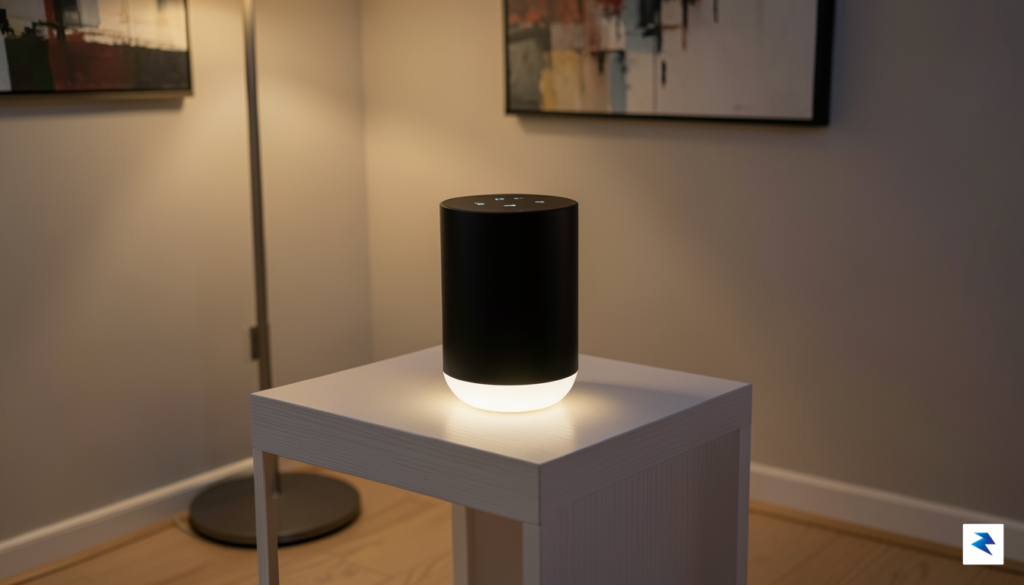
By shifting the focus from hardware ecosystem lock-in to pure conversational intelligence, OpenAI could effectively force a paradigm shift. Unlike the current incumbents, who prioritize integration with shopping platforms or proprietary streaming services, a ChatGPT-powered speaker would prioritize comprehension and context. If OpenAI manages to deliver a device that actually understands intent, follows multi-step instructions, and maintains a coherent memory of household preferences, the “smart” in smart home will finally mean something more than just a Wi-Fi connection. This move threatens to render existing devices obsolete in the eyes of power users who have long awaited a genuine digital companion rather than a glorified remote control.
The true disruption here isn’t the hardware itself, but the transition from reactive voice commands to proactive, intelligent collaboration.
However, the path to market dominance is fraught with legal and regulatory complexities that cannot be ignored. Big tech giants have spent years building defensive moats around their ecosystems, utilizing everything from exclusive patent portfolios to aggressive data privacy policies to maintain their grip. If OpenAI enters this space, it will likely face intense scrutiny regarding how it handles the intimate data collected within the private sphere of a user’s home. Furthermore, Amazon and Google are not passive observers; they are currently racing to integrate their own large language models into their existing hardware stacks. The battle will ultimately be decided by which company can strike the perfect balance between high-level intelligence, user privacy, and seamless hardware interoperability.
Ultimately, the entry of a new, AI-first competitor suggests that the era of the “static” assistant is drawing to a close. If OpenAI successfully captures the consumer imagination, the industry giants may be forced to abandon their legacy software architectures in favor of more robust, generative AI frameworks. This competitive pressure could lead to a golden age of smart home innovation, where the barrier between human intent and machine execution finally dissolves. Whether the result is a total displacement of current hardware or a rapid, forced evolution of Alexa and Siri, the consumer stands to benefit from a market that is suddenly, and finally, being pushed toward true intelligence.
You must be logged in to post a comment.