Why Your Electricity Bill Is Spiking: The $23B Data Center Problem
The Hidden Cost of the AI Boom The dawn of the generative AI era has brought with it a shift in our digital landscape that few anticipated: an…
Governor Kathy Hochul’s recent executive order marks a significant turning point in New York’s legislative approach to digital infrastructure, effectively imposing a 12-month moratorium on new data center construction and expansion projects. This strategic pause is designed to provide state regulators with the necessary breathing room to evaluate the long-term environmental and systemic impacts of high-density computing facilities. By halting the approval of new permits, the state aims to conduct a comprehensive assessment of how these energy-intensive operations align with New York’s ambitious climate goals, specifically those outlined in the Climate Leadership and Community Protection Act. The moratorium is not merely a bureaucratic delay; it represents a fundamental shift in how the state prioritizes grid reliability and resource allocation in an era of rapidly increasing computational demand.
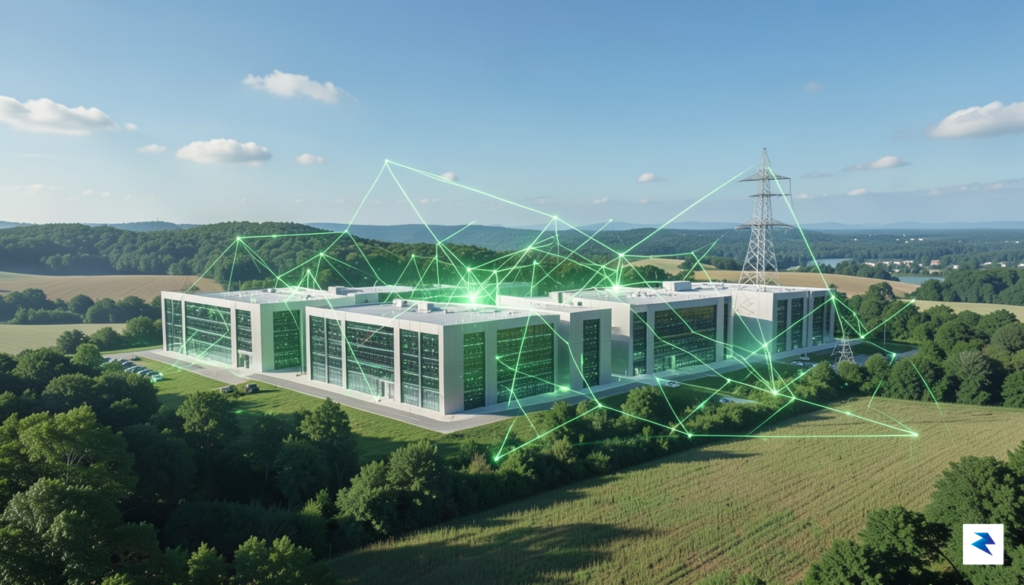
The core rationale behind this directive stems from the governor’s concern regarding the unprecedented strain these massive facilities place on the state’s electrical grid. As data centers consume vast amounts of electricity to power servers and cooling systems, they threaten to divert critical energy resources away from residential areas and essential public services, particularly during peak usage periods. Governor Hochul has emphasized that the state must balance technological progress with the physical limitations of its power infrastructure. The administration argues that without this mandatory hiatus, the rapid proliferation of high-density computing could lead to grid instability, higher energy costs for everyday consumers, and a potential derailment of New York’s commitment to transitioning toward renewable energy sources.
The state must ensure that our digital infrastructure growth does not come at the cost of grid reliability or our collective commitment to a sustainable, carbon-neutral future.
For the technology industry, the immediate implications are both profound and far-reaching. Pending construction permits that were already in the pipeline now face an indefinite state of limbo, forcing developers to pause capital expenditures and reevaluate their regional growth strategies. Furthermore, this policy shift has injected significant uncertainty into ongoing negotiations between state economic development agencies and major tech players who were previously incentivized to build within New York’s borders. Companies that rely on proximity to high-speed fiber networks and reliable power are now forced to navigate a more restrictive regulatory landscape, which may prompt a temporary migration of investment toward neighboring states with fewer constraints. Ultimately, this moratorium serves as a clear signal that the era of unfettered, large-scale data center expansion in New York has reached a critical regulatory threshold that will demand greater accountability and integration with state-wide utility planning moving forward.

At the center of this legislative pause is an inescapable tension between the rapid expansion of digital infrastructure and the state’s rigorous environmental mandates. Modern hyperscale data centers—the sprawling facilities that power cloud computing, artificial intelligence, and global financial networks—operate with an energy appetite that often rivals that of small cities. As these facilities move into regions with affordable, carbon-free energy, they exert immense pressure on local grids, requiring constant, uninterrupted “baseload” power that can strain infrastructure designed for residential and light commercial use.
This surge in demand directly challenges New York’s commitment to the Climate Leadership and Community Protection Act (CLCPA). Under this landmark legislation, the state is legally bound to transition toward a zero-emission electricity sector by 2040. However, the integration of massive data centers threatens to complicate this trajectory. When these computing hubs absorb significant portions of renewable energy capacity, they effectively diminish the amount of clean power available for the broader public, potentially forcing the grid to rely on older, fossil-fuel-burning peaker plants to manage the overflow. Consequently, the state’s progress toward aggressive carbon reduction targets could be stalled or even reversed by the very tech infrastructure that powers the modern economy.

The friction here is not merely about kilowatt-hours; it is about the long-term integrity of the energy transition. Policymakers are concerned that if high-demand facilities are permitted to saturate the grid without stringent oversight, the resulting “energy congestion” will drive up costs for individual ratepayers and hinder the electrification of homes and transportation. The moratorium serves as a necessary breathing room, allowing regulators to recalibrate how data center load growth is factored into the state’s Integrated Energy Resource Plan. By pausing new builds, New York is attempting to ensure that technological progress does not come at the expense of its climate-resilient future.
The core of the issue is simple: the grid is a finite resource. Without careful management, the energy requirements of the digital age risk cannibalizing the gains made in renewable energy adoption, creating a bottleneck that threatens the state’s decarbonization roadmap.
Ultimately, this conflict highlights a growing realization that “green” digital services are only as clean as the grid they draw from. While many tech giants have committed to carbon-neutral operations through the purchase of renewable energy credits, these market mechanisms do not always solve the physical reality of grid strain. As New York navigates this transition, the state is effectively setting a precedent for other jurisdictions: the era of unchecked energy consumption for data centers is closing, and a new era of strict environmental accountability and grid-conscious development is taking its place.
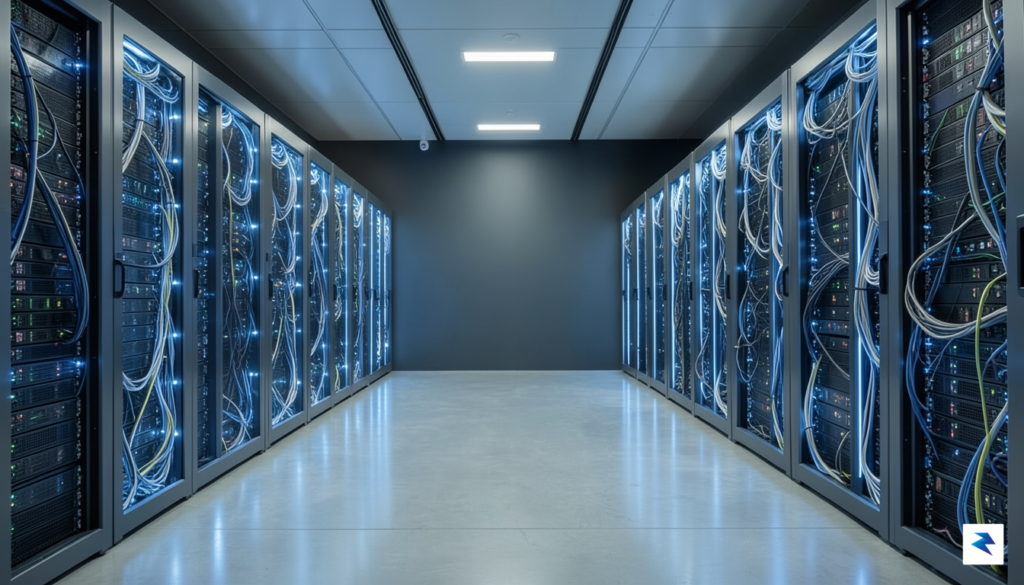
The state’s decision to impose a moratorium on new data center construction arrives at a precarious junction for New York’s economic trajectory. Proponents of the policy argue that the pause is a necessary measure to protect the state’s electrical grid from overwhelming demand, yet critics warn that the short-term economic trade-offs could be profound. By halting the expansion of high-capacity data facilities, New York risks losing immediate tax revenue and the influx of high-paying construction and engineering jobs that typically accompany these massive infrastructure projects. These developments often serve as anchors for local economies, providing a steady stream of capital that supports ancillary businesses and municipal services.
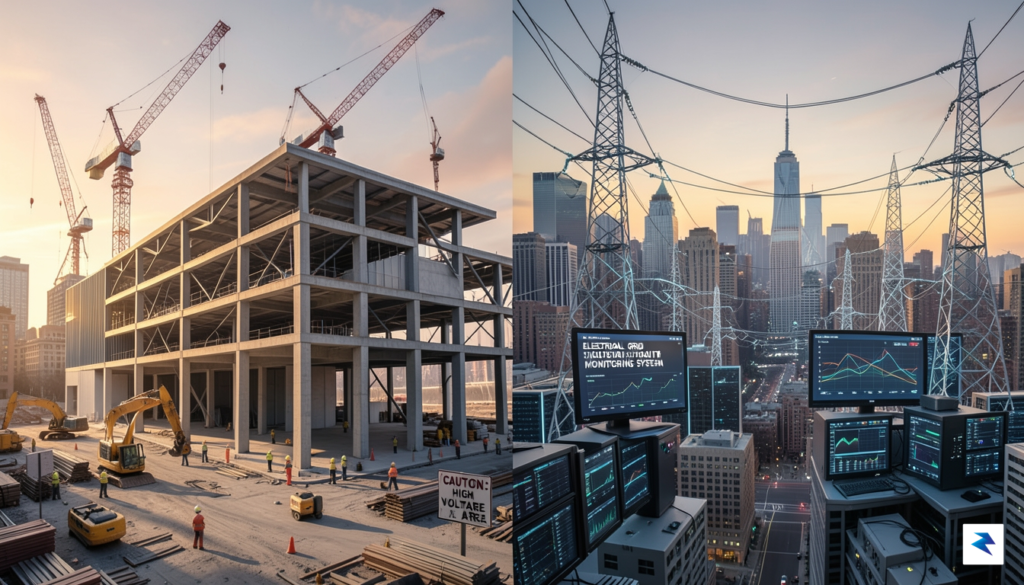
Furthermore, there is a legitimate concern regarding the “digital divide” on a regional scale. In an era where digital infrastructure is the lifeblood of the global economy, tech companies are increasingly mobile and sensitive to regulatory environments. If New York creates a landscape defined by restrictive permitting and lengthy delays, major cloud providers and enterprise tech firms may choose to migrate their capital and operations to neighboring states or regions with more permissive policies. This migration does not merely represent a loss of current investment; it risks a long-term erosion of the state’s competitive edge, potentially relegating New York to the sidelines as the artificial intelligence and cloud computing sectors continue to experience explosive growth elsewhere.
The core challenge lies in balancing the immediate allure of tech-driven tax bases against the fundamental necessity of a resilient and affordable energy grid for all residents and businesses.
However, the economic argument is far from one-sided. An unstable or overburdened energy grid poses its own set of significant financial risks that are often overlooked in the pursuit of immediate growth. If data centers consume an outsized share of power, the resulting strain on the grid can drive up utility costs for small businesses and residential households alike, creating a ripple effect that suppresses broader economic vitality. By taking this time to pause and reevaluate, the state aims to ensure that its energy infrastructure is capable of supporting future growth without sacrificing reliability. Ultimately, the long-term economic risk of a grid failure—or even chronic brownouts—could prove far more damaging to New York’s reputation as a business-friendly hub than the temporary cooling of the data center development pipeline.

New York’s legislative decision to implement a statewide moratorium on data centers is sending shockwaves far beyond its own borders, effectively transforming a local zoning concern into a pivotal national debate. For years, the rapid proliferation of high-performance computing facilities has been viewed primarily as an economic boon, promising tax revenue and high-tech jobs. However, as the explosive rise of AI-driven power demand places unprecedented strain on aging electrical grids, regulators in states like Virginia and Texas are beginning to re-evaluate their own hands-off approaches. By pausing development to conduct a comprehensive environmental and energy impact assessment, New York has established a template that other states—currently grappling with similar infrastructure bottlenecks—are likely to mirror as they attempt to balance digital transformation with grid reliability.
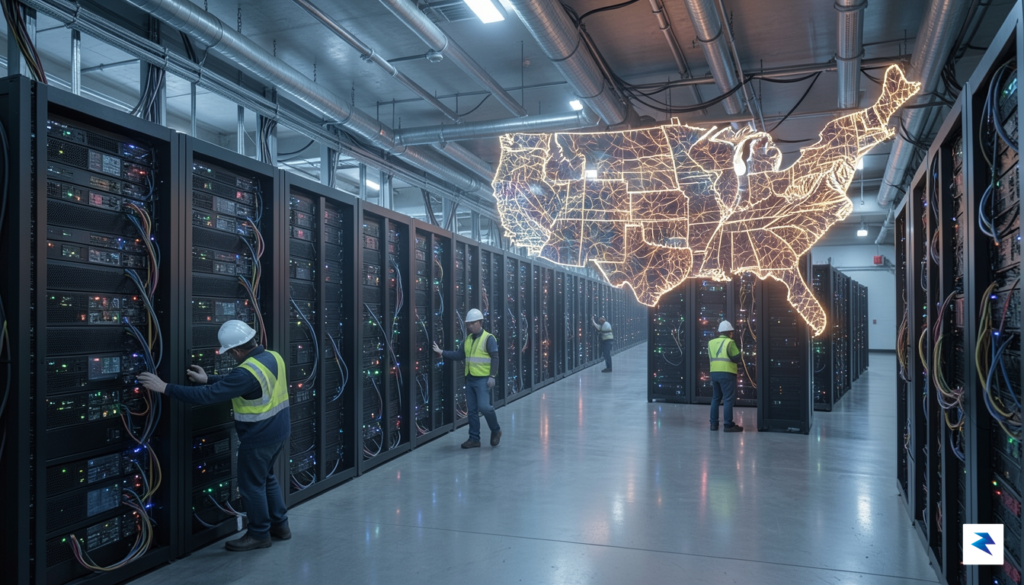
In states like Virginia, which currently hosts the largest concentration of data centers in the world, the sheer volume of power consumption has already begun to spark intense friction between big tech firms and local utility providers. While Texas has historically championed a deregulated energy market that encourages swift industrial expansion, the state’s recent struggle to maintain grid stability during extreme weather events makes the New York model look increasingly attractive to policymakers. These regions are now recognizing that data centers are no longer just passive consumers of electricity; they are active, massive-scale participants in the energy market that can threaten the security of residential power supplies if left unregulated. Consequently, the New York moratorium is serving as a wake-up call, signaling that the era of “growth at any cost” is being replaced by a more cautious, infrastructure-first philosophy.
The New York moratorium demonstrates that the long-term sustainability of the artificial intelligence boom is inextricably linked to the physical capacity of our power grids, shifting the burden of proof onto tech developers to prove their projects won’t compromise local energy security.
Looking ahead, this shift is poised to fundamentally rewrite the rulebook for zoning and energy policy in high-tech hubs across the country. Future regulatory frameworks will likely move away from simple permit approvals and toward rigorous, data-driven assessments that mandate on-site renewable energy generation or high-efficiency cooling requirements before a single server rack can be installed. As more states adopt similar oversight measures, we can expect a standardized national conversation regarding the “right to power,” where the needs of digital infrastructure are weighed against the carbon reduction goals and energy availability for the public. This is no longer merely a local zoning issue; it is the beginning of a broader, systemic restructuring of how the United States manages its most precious resource—electricity—in an increasingly automated, data-hungry future.

The implementation of a statewide moratorium on new data center developments in New York should not be viewed as an attempt to stifle technological ambition, but rather as a necessary pause to realign digital expansion with the state’s ambitious climate mandates. As the backbone of the modern economy, data centers are essential for cloud computing, artificial intelligence, and the digital services that sustain our daily lives. However, their voracious appetite for electricity and water cooling systems can place immense strain on local power grids and regional carbon reduction targets. This regulatory window offers a rare opportunity to shift the focus from rapid, unchecked scaling toward a model of “responsible infrastructure” that prioritizes long-term resilience over immediate capacity.
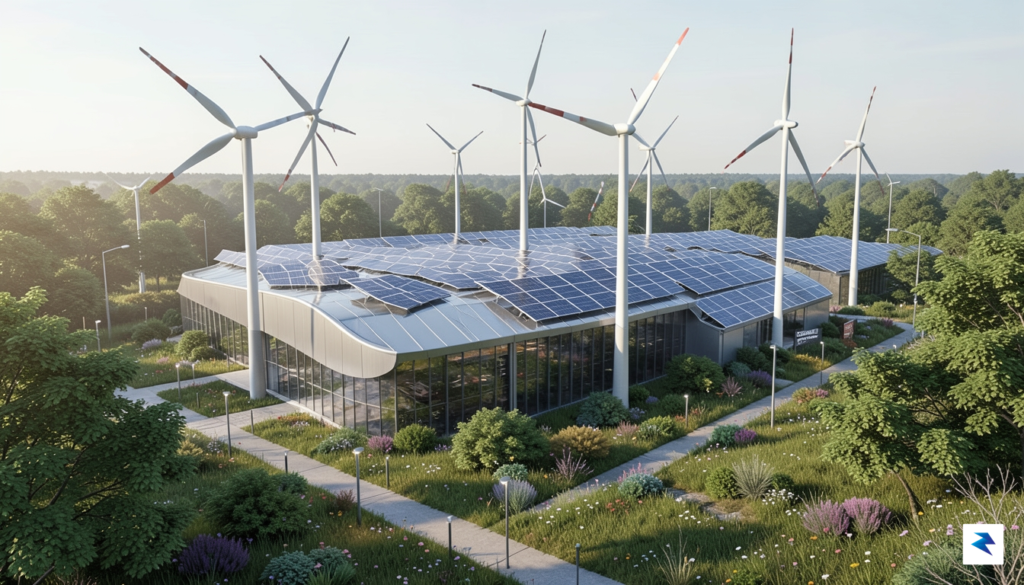
To achieve this balance, stakeholders must look toward innovative engineering and strategic site planning. One of the most promising avenues involves the colocation of data centers directly with renewable energy production sites, such as wind farms or hydroelectric plants. By shortening the physical distance between power generation and consumption, operators can significantly reduce transmission losses and ensure that digital growth is fueled by clean, carbon-free electrons. Furthermore, the adoption of liquid cooling technologies and artificial intelligence-driven heat management systems offers a pathway to drastically lower the Power Usage Effectiveness (PUE) of existing and future facilities, ensuring that every megawatt consumed is utilized with maximum efficiency.
The goal of this regulatory pause is not to halt the digital revolution, but to ensure that the infrastructure supporting our future is as sustainable as the services it provides.
Beyond individual facility improvements, the path forward requires a modernized, smarter grid infrastructure capable of handling the intermittent nature of renewable energy while maintaining the 24/7 reliability that data centers demand. Integrating advanced energy storage solutions, such as grid-scale battery systems, can allow data centers to act as stabilizing forces for the power grid rather than mere burdens. By creating a regulatory framework that incentivizes green innovation—such as tax credits for renewable energy integration or subsidies for water-neutral cooling systems—New York can establish itself as a global leader in sustainable tech. Ultimately, the future of the digital economy will not be defined by the absence of growth, but by the intelligence and sustainability with which that growth is managed, ensuring that technological progress serves the health of our planet just as effectively as it serves our information needs.
You must be logged in to post a comment.