
Is Your AI Deleting Your Files? Understanding the Latest GPT Controversy
Understanding the GPT File-Deletion Controversy A wave of disconcerting reports has recently swept through developer communities and power…
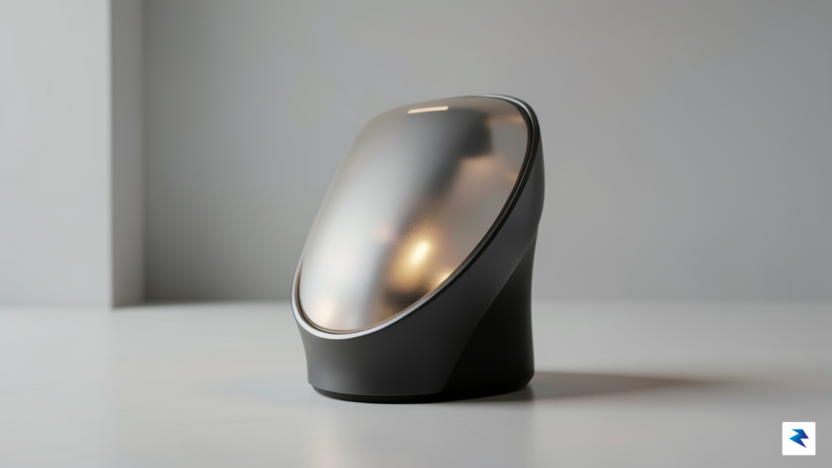

For the past decade, our relationship with artificial intelligence has been strictly mediated by the glowing rectangles in our pockets. We have grown accustomed to treating AI as a software-bound service—an app icon we tap, a text box we fill, and a window we close when the task is finished. This paradigm assumes that intelligence is a destination we must travel to, rather than an omnipresent utility that exists alongside us. However, the latest reports surrounding OpenAI’s development of a screenless, mobile hardware device suggest that the industry is finally ready to break free from the constraints of the smartphone screen. By moving away from the “app-first” model, the company appears to be signaling a pivot toward ambient computing, where AI is no longer a tool we stare at, but a presence that occupies the same physical environment as the user.
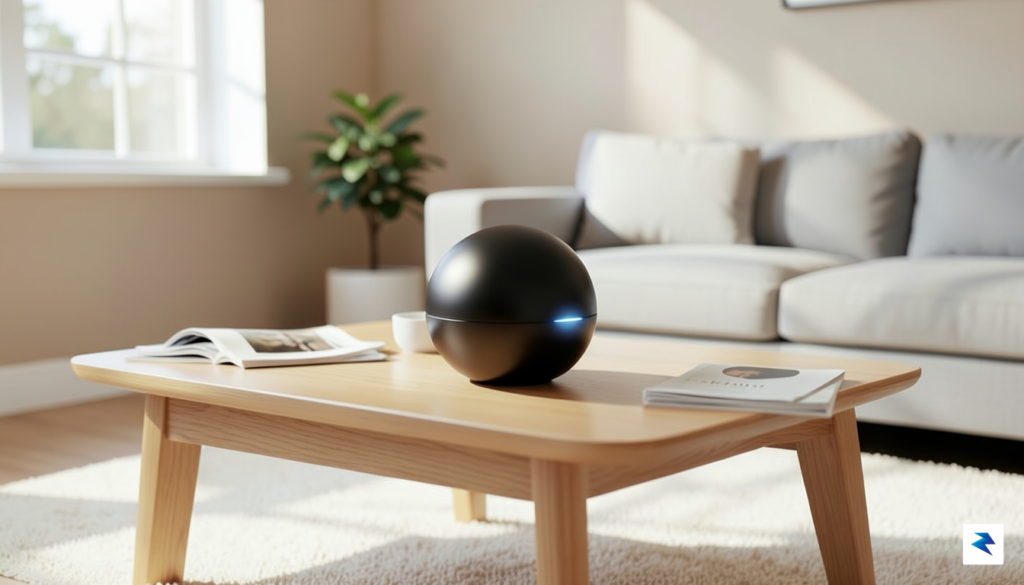
This transition represents a fundamental shift in how we conceive of digital intelligence. While smartphones provide high-density information, they also demand our constant, undivided attention, creating a friction-filled interface that constantly pulls us away from our immediate surroundings. Ambient AI, by contrast, aims to dissolve that barrier. By integrating advanced models into a physical, mobile device, OpenAI is exploring a future where technology fades into the background, operating through natural language and intuitive movement rather than menus and pixels. The goal is to make the technology “disappear,” allowing it to assist with domestic tasks, manage household environments, or provide companionship without requiring the user to break their focus on the physical world.
True ambient intelligence should feel less like a digital transaction and more like a natural extension of one’s living space, reacting to the user’s presence without the demand for constant visual engagement.
Moving from software-only models to physical hardware manifestations is a bold, albeit necessary, evolution. When AI is confined to a screen, it is limited by the physical tether of the handheld device. By introducing mobility and sensory awareness into a standalone speaker-like form factor, OpenAI is essentially giving its models a “body” that can exist in the room with us. This evolution suggests that the next generation of generative AI will not just be about processing text or images, but about interacting with the physical world in real-time. As these devices become more capable of navigating their surroundings, the boundary between the digital assistant and the physical home environment will likely continue to blur, ushering in a new era where we no longer “go” to our AI—it simply exists where we are.
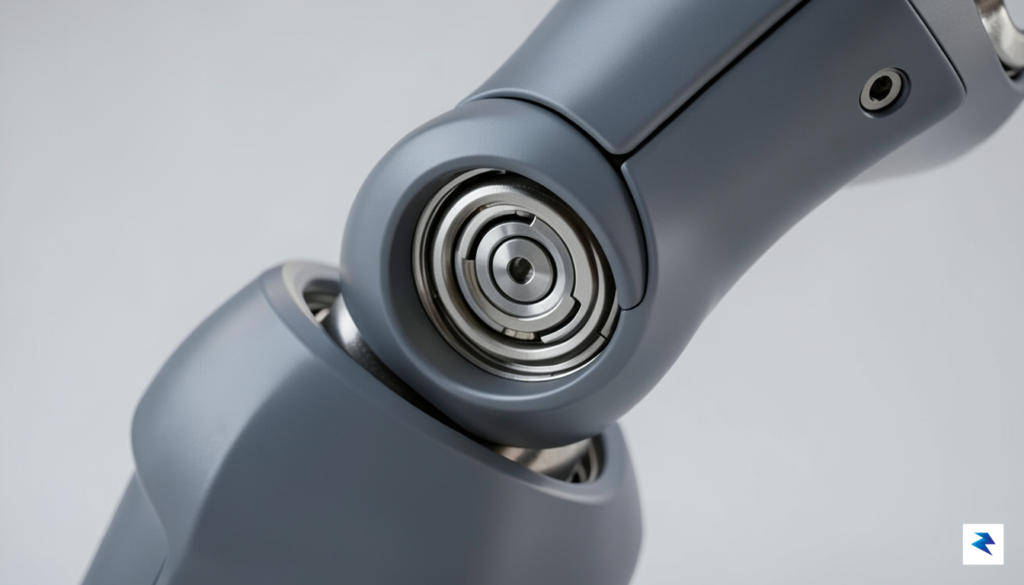
The transition from static smart speakers to a device with autonomous physical agency marks a profound shift in how we perceive artificial intelligence in our living spaces. Traditional hardware, such as the current iterations of Alexa or Google Home, remains tethered to a fixed position, functioning essentially as immobile microphones and speakers that respond to voice commands from a single orientation. By introducing mechanical movement, OpenAI appears to be moving toward a concept of “embodied AI,” where the machine’s physical presence is no longer just a vessel for sound but an active participant in the environment. This evolution suggests that the device could physically orient itself toward the user, track movement across a room, or even alter its physical configuration to optimize acoustic delivery, effectively closing the gap between digital intelligence and physical interaction.
Mechanically, this innovation opens up a variety of practical and communicative possibilities that were previously impossible for stationary devices. For instance, a speaker that can rotate or tilt allows for precise sound directionality, ensuring that audio clarity is maintained even as a user moves around a room. Beyond simple acoustics, the inclusion of motion introduces a new layer of non-verbal cues. Just as a pet tilts its head to acknowledge a voice or a camera gimbal follows a subject, a device that uses kinetic movement to “look” at its user creates a more intuitive and responsive bond. This subtle physical feedback could make interacting with a chatbot feel significantly more natural and human-centric, moving us away from talking at a box and toward engaging with a companion.
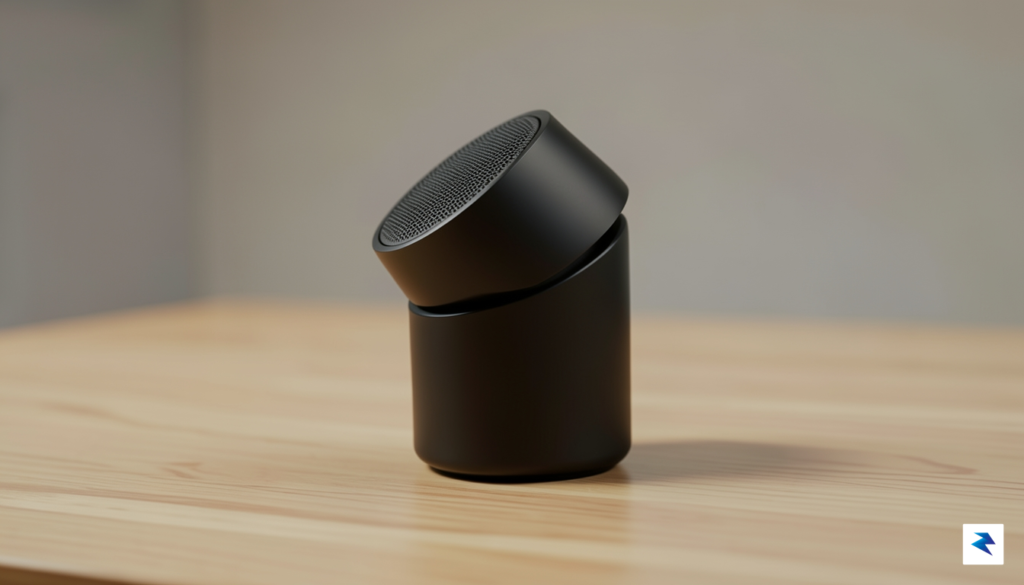
However, integrating complex robotics into a consumer product presents a significant engineering challenge, particularly regarding the balance between functionality and aesthetic simplicity. Adding motors, hinges, and sensors increases the internal complexity of the hardware, which risks making the device bulky, prone to failure, or noisy during operation. OpenAI faces the task of crafting a design that remains elegant and unobtrusive—fitting into a modern home environment—while still housing the necessary components to achieve fluid motion. If they can successfully merge whisper-quiet mechanical actuators with a minimalist chassis, they may set a new standard for what a household assistant should be.
The true success of this device will likely hinge on whether its movement feels purposeful and intelligent rather than merely performative or distracting.
Ultimately, this shift toward physical agency suggests that OpenAI is interested in building a more immersive ecosystem. By moving beyond a screen-based interface, the company is prioritizing presence over visual distraction, perhaps betting that a device which physically acknowledges our existence will foster a deeper sense of reliability. Whether these movements will be limited to functional adjustments or extend into more expressive, emotive behaviors remains to be seen, but the intent is clear: the next generation of artificial intelligence is not just meant to be heard; it is meant to be felt and seen in motion.

For years, our relationship with artificial intelligence has been defined by the paradigm of the “tool”—a cold, functional interface that waits for a command, executes a task, and retreats into silence. However, the prospect of a physical, moving device suggests that OpenAI is attempting to transcend this transactional nature. By anchoring ChatGPT in a tangible form that occupies the same three-dimensional space as the user, the company is tapping into the profound human tendency toward anthropomorphism. When an object can physically turn toward us, move across a room, or occupy a specific corner of our living space, our brains naturally begin to assign it a level of agency and social presence that a glowing app icon on a smartphone screen simply cannot command.
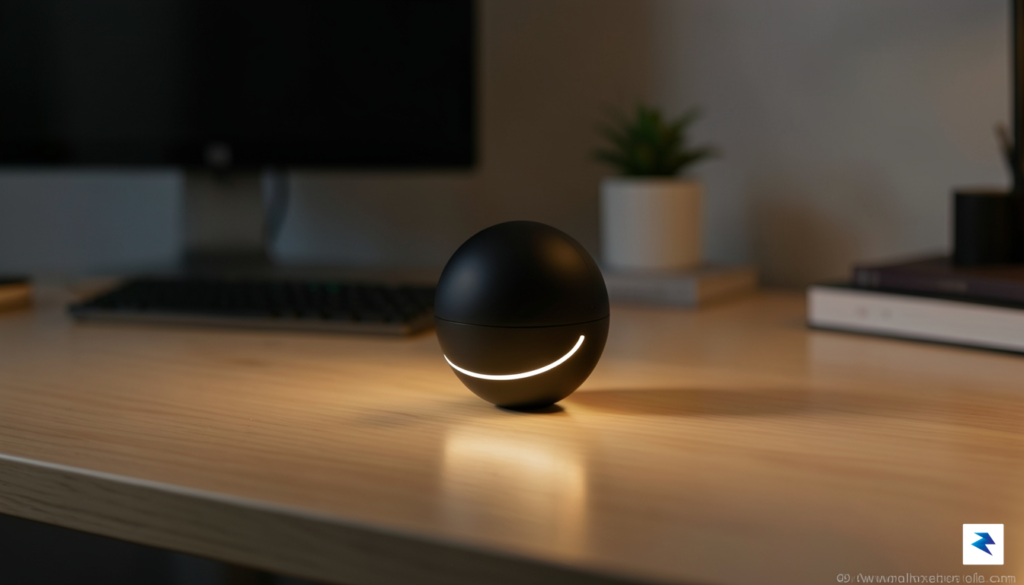
This shift from command-based interaction to a relational one is significant. When we speak to a stationary, screen-bound chatbot, we treat it as an extension of our digital workspace—a glorified search engine or a text processor. If that same intelligence is embodied in a device that moves or reacts to our physical presence, the interaction shifts from using a service to engaging with a companion. This evolution mirrors how we perceive pets or even inanimate objects that possess a sense of “life” through movement; we begin to project personality, intent, and emotional weight onto the machine. Consequently, the perception of the AI’s intelligence changes as well. We are far more likely to attribute empathy, understanding, and “soul” to an entity that shares our physical environment than to one trapped behind a glass display.
The transition from a digital interface to a physical entity marks a pivot from AI as a utility to AI as an occupant of the human experience, fundamentally altering the psychology of our dependency.
Of course, this transformation introduces a complex array of psychological benefits and risks. On the positive side, a physical companion could offer a sense of continuity and comfort, potentially serving as a proactive assistant that feels more like a participant in our lives than a passive tool. It could bridge the gap between abstract computing and our daily physical needs, making AI feel more accessible and less intimidating. Yet, the risks are equally profound. By designing AI to be more “companionable,” we risk deepening our emotional attachment to software, potentially blurring the lines between human connection and synthetic simulation. If we begin to treat an algorithm as a sentient partner, we must ask ourselves whether we are gaining a more convenient assistant or merely accelerating a future where our social needs are satisfied by programmed, artificial echoes of empathy.
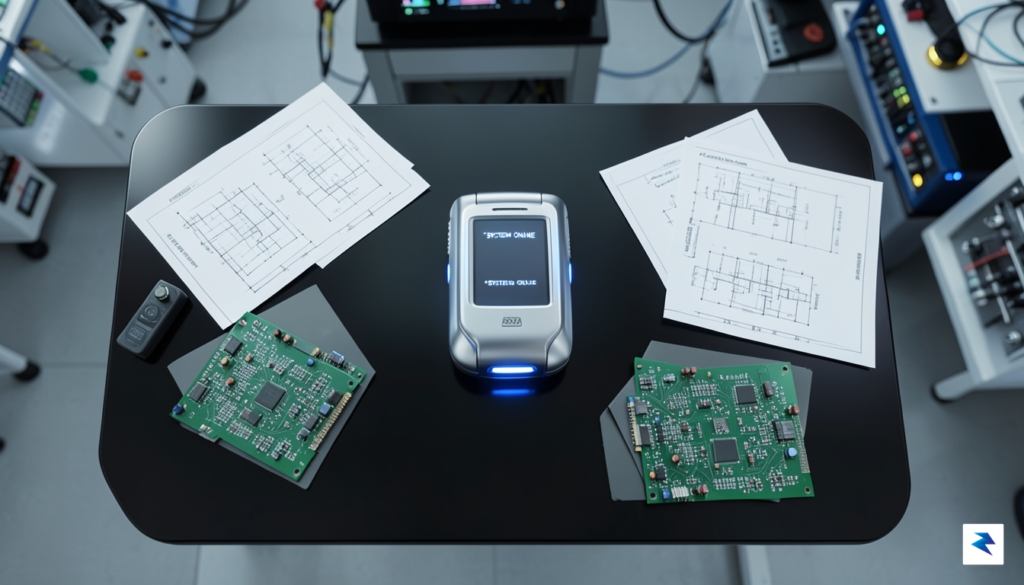
For over a decade, the landscape of home automation has been defined by the dominance of Silicon Valley’s established giants. Amazon’s Echo, Google’s Nest, and Apple’s HomePod have collectively shaped our expectations of what a “smart” assistant should be: stationary, reactive, and largely tethered to simple command-and-control tasks. By shifting toward screenless, mobile hardware, OpenAI is effectively signaling that the era of passive, cloud-connected speakers is nearing its expiration date. This move forces a reckoning among incumbent tech titans, who must now justify their static ecosystems against a new paradigm where intelligence is not just a software layer, but an autonomous, physical presence capable of navigating the user’s environment.
The potential emergence of a “post-smartphone” era is perhaps the most significant long-term consequence of this strategy. While Apple and Google have focused heavily on maintaining the centrality of the mobile handset, OpenAI appears to be betting on a future where ambient intelligence replaces the need for constant screen interaction. If an AI can move, perceive context, and act on behalf of the user within their physical space, the smartphone risks becoming a secondary tool rather than the primary interface for digital life. This transition mirrors the evolution from command-line interfaces to graphical user interfaces, suggesting that the next generation of computing will be defined by natural language and spatial awareness rather than touch-based navigation.
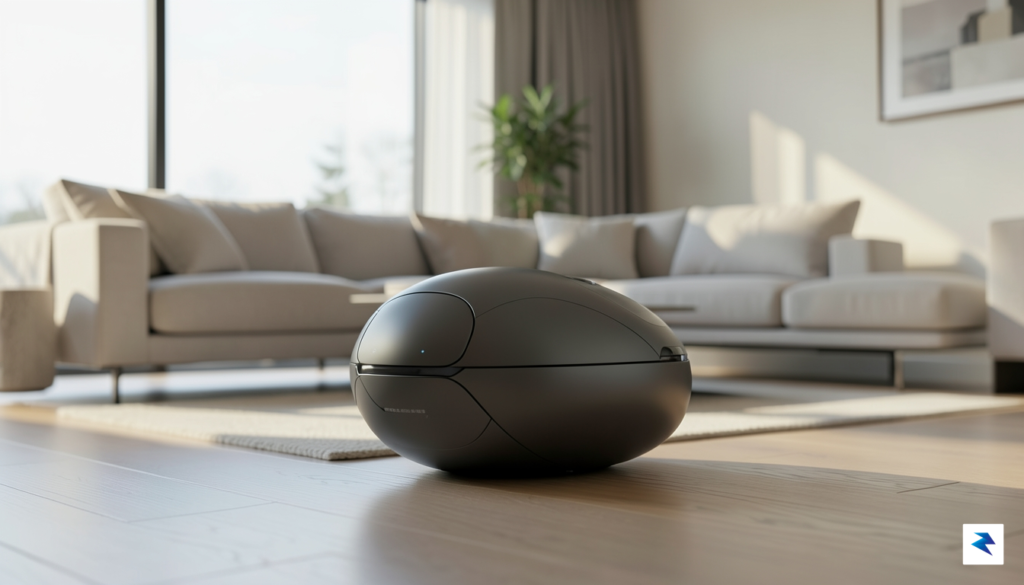
By decoupling intelligence from the constraints of the smartphone screen, OpenAI is betting that the future of AI is not something we look at, but something we interact with in the real world.
OpenAI’s competitive advantage lies in the tight coupling of its proprietary, industry-leading large language models with a hardware form factor designed specifically for agentic behavior. Unlike traditional tech companies that often silo their software development from hardware engineering, OpenAI has the opportunity to build a “native” AI experience where the device’s physical movement is intrinsically linked to the underlying intelligence. This synthesis allows for a level of fluidity that retrofitted smart speakers simply cannot achieve. By controlling the entire stack—from the model’s reasoning capabilities to the motors and sensors that allow for spatial mobility—OpenAI is creating a defensible moat that forces competitors to play a game of catch-up, not just in software prowess, but in the fundamental philosophy of how hardware should serve human intent.
Ultimately, this pivot toward physical ecosystems represents a strategic play for deeper user integration. If a device can actively assist with chores, manage environmental settings, or serve as a mobile companion, the “stickiness” of the platform increases exponentially. For a company like OpenAI, establishing a physical presence in the home is the logical next step in transitioning from a tool that answers queries to an agent that executes tasks. As these new hardware categories evolve, the tech industry will likely witness a fierce battle over who owns the “physical home interface,” a race that threatens to disrupt the status quo and redefine the value proposition of every smart device currently sitting on our shelves.

Transitioning from a digital interface to a physical, mobile presence inside a user’s home introduces a profound psychological barrier known as the “Uncanny Valley.” While users have grown accustomed to interacting with AI through text or static smart speakers, an object that can move, tilt, or follow them creates an entirely different emotional response. If the device’s movements appear too lifelike or, conversely, too jarring and mechanical, it risks triggering feelings of discomfort or even suspicion. OpenAI must strike an incredibly delicate balance; the hardware needs to feel like a helpful assistant rather than an invasive presence that disrupts the sanctity of personal living spaces.
Safety and privacy concerns are amplified significantly when hardware is no longer tethered to a wall or a shelf. A device capable of autonomous movement must navigate complex, cluttered environments without colliding with pets, children, or fragile household items, necessitating sophisticated obstacle detection that rarely fails. Furthermore, the prospect of a mobile, camera-equipped speaker moving through private rooms raises legitimate questions about data security. Users will likely demand radical transparency regarding what the device “sees” and whether its spatial mapping data is processed locally or transmitted to the cloud. Without rigorous privacy safeguards, the fear of a “roaming spy” could quickly eclipse the convenience of an interactive AI.
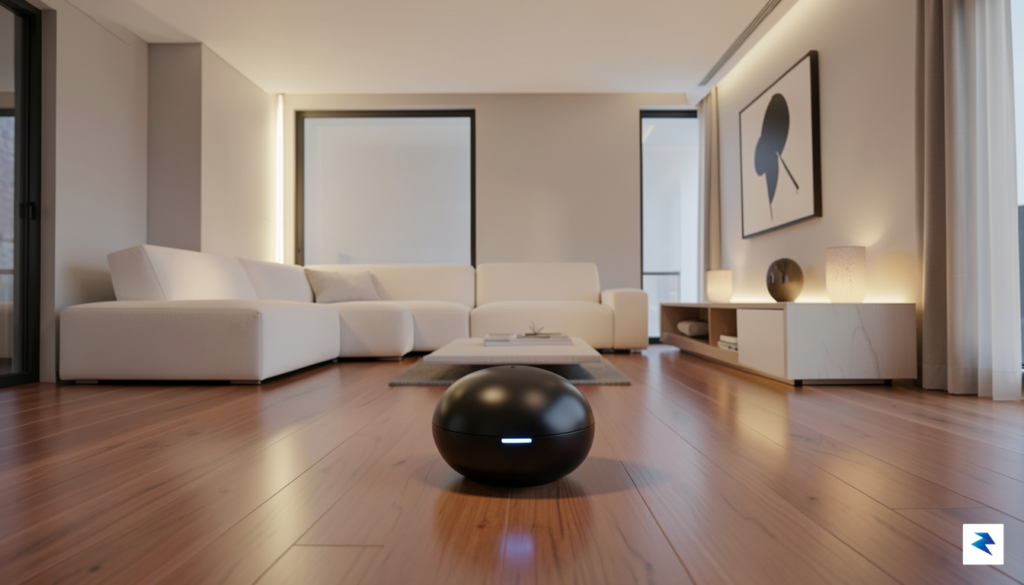
Beyond the psychological and ethical hurdles, the engineering requirements for a mobile AI speaker are daunting. Maintaining a balance between performance and practicality involves solving the “trilemma” of battery life, motor durability, and noise. For a device to be truly useful, it needs enough battery capacity to operate throughout the day without constant recharging, yet adding larger batteries increases the weight, which in turn demands more powerful, often noisier motors. If the device produces a high-pitched whir or a mechanical grind every time it adjusts its position, the illusion of a seamless AI companion will vanish, replaced by the persistent reminder that one is living with a piece of hardware rather than an intelligent entity.
The success of a mobile AI agent depends less on its ability to move and more on its ability to move with purpose, safety, and silence.
Ultimately, the core question remains whether the average consumer is truly ready for an AI that can physically respond to them. While tech enthusiasts may embrace the novelty of a roaming assistant, the mainstream market requires a clear, undeniable value proposition that justifies the complexity. If the movement is merely a gimmick rather than a fundamental improvement in how we access information, the device may struggle to find a place in the modern home. OpenAI is not just building a product; they are attempting to rewrite the fundamental expectations of domestic technology, moving from passive interfaces to active, kinetic participants in our daily lives.
You must be logged in to post a comment.