
Inflation Cools in June, But Rising Tensions in Iran Threaten New Price Hikes
The June Inflation Report: A Brief Moment of Relief The latest Consumer Price Index (CPI) report for June arrived as a welcome exhale for an…
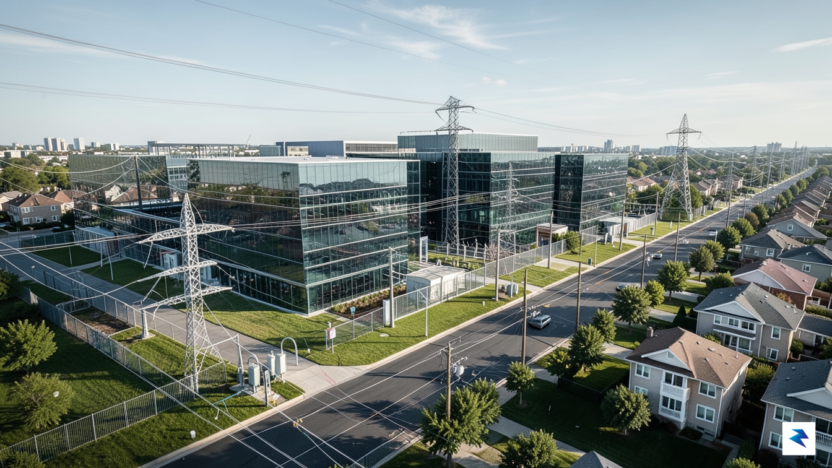
The dawn of the generative AI era has brought with it a shift in our digital landscape that few anticipated: an insatiable appetite for raw electrical power. As hyperscale data centers proliferate across the globe to house the massive server clusters required for training complex large language models, the cumulative energy demand has reached a tipping point. Unlike traditional enterprise computing, which often managed predictable, steady-state workloads, AI-driven infrastructure requires constant, high-intensity processing power that does not sleep. Each query, image generation, and automated response acts as a digital drain, necessitating cooling systems and power grids that operate at maximum capacity around the clock.
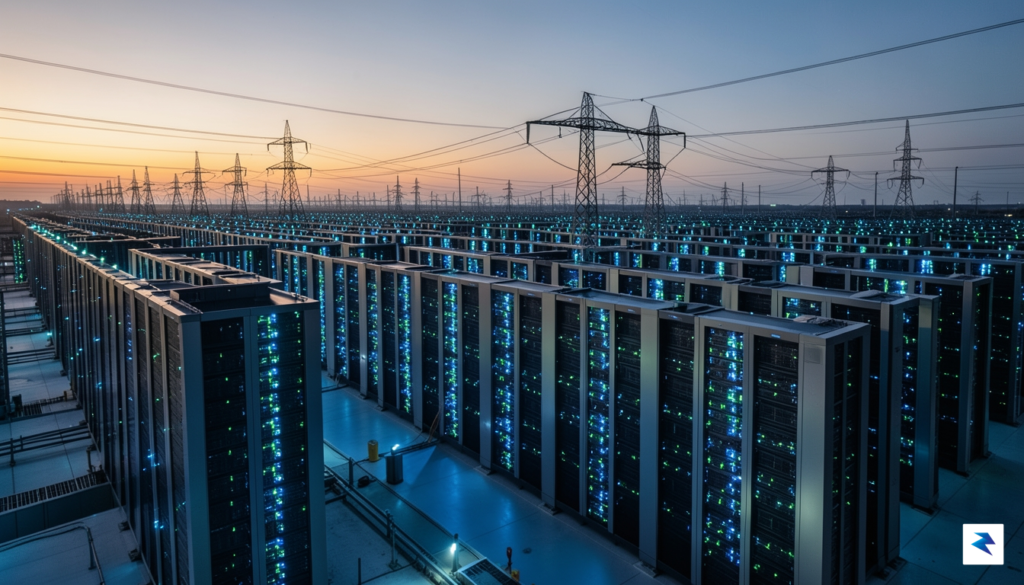
This transition from standard computing to high-performance AI environments is not merely a technical upgrade; it is a fundamental transformation of infrastructure requirements. Standard data centers could often be managed with moderate energy efficiency, but AI training relies on thousands of specialized GPUs running simultaneously, generating immense heat and requiring exponential increases in electricity intake. As these massive facilities emerge in regions previously accustomed to stable utility pricing, they are placing a strain on local grids that was never intended for such concentrated industrial consumption. The sudden arrival of these “energy-hungry neighbors” forces power providers to invest heavily in grid expansion and maintenance to prevent blackouts and instability.
The economic reality of the AI boom is that the cost of powering the future is being distributed across the public, effectively subsidizing the infrastructure of the world’s largest tech giants.
Consequently, the financial burden of this rapid expansion has begun to filter down to the average consumer. Recent analyses indicate that public utility consumers have effectively shouldered a $23 billion increase in costs, as the infrastructure investments required to service these massive data centers are passed on through fluctuating rate hikes. While tech conglomerates reap the rewards of AI breakthroughs and market valuations, local households and small businesses are finding their monthly electricity bills climbing to cover the grid upgrades necessitated by these private enterprises. This phenomenon has ignited a fierce economic debate: who should bear the cost of the green energy transition and the grid fortification required to sustain a hyper-connected, AI-driven society? As we continue to integrate artificial intelligence into every facet of our daily lives, the question of whether this technological progress is worth the hidden, tangible cost on our utility bills will only grow more urgent.
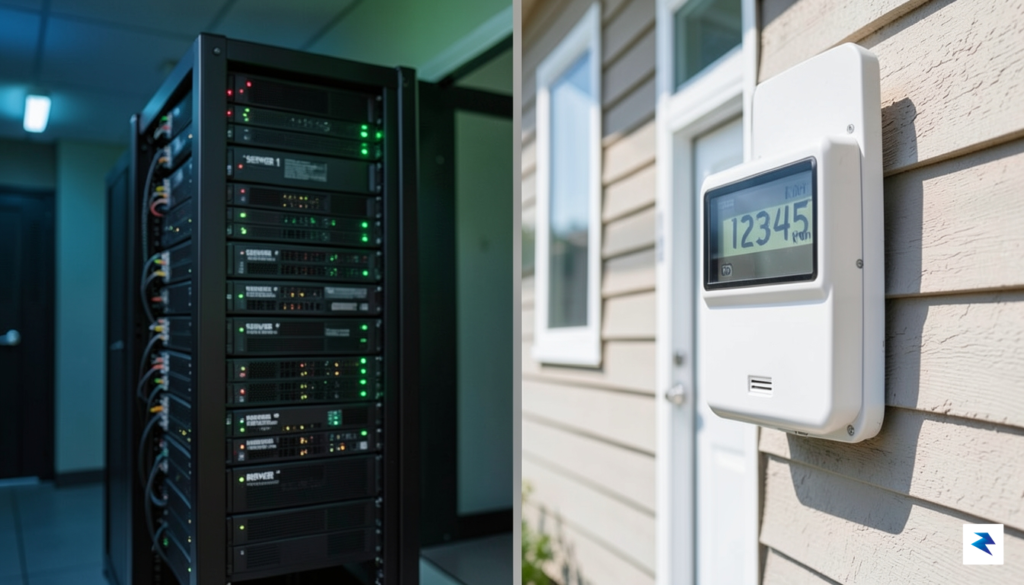
The mechanics behind your rising monthly utility bill are rooted in the complex, often opaque world of public utility rate-making. When a massive data center facility chooses a location, it brings a demand for power that dwarfs the needs of entire local communities, necessitating immediate and expensive grid upgrades. Under existing regulatory frameworks, utility companies frequently classify these massive infrastructure projects—such as the construction of high-voltage transmission lines or dedicated massive-scale substations—as necessary system improvements. Because these projects are designed to ensure grid reliability for the broader network, regulators often allow the utility to fold these capital expenditures into the “rate base.” Consequently, the costs of building the infrastructure required specifically for a tech giant are spread across the entire customer base, effectively forcing residential ratepayers to subsidize the private energy needs of multibillion-dollar corporations.
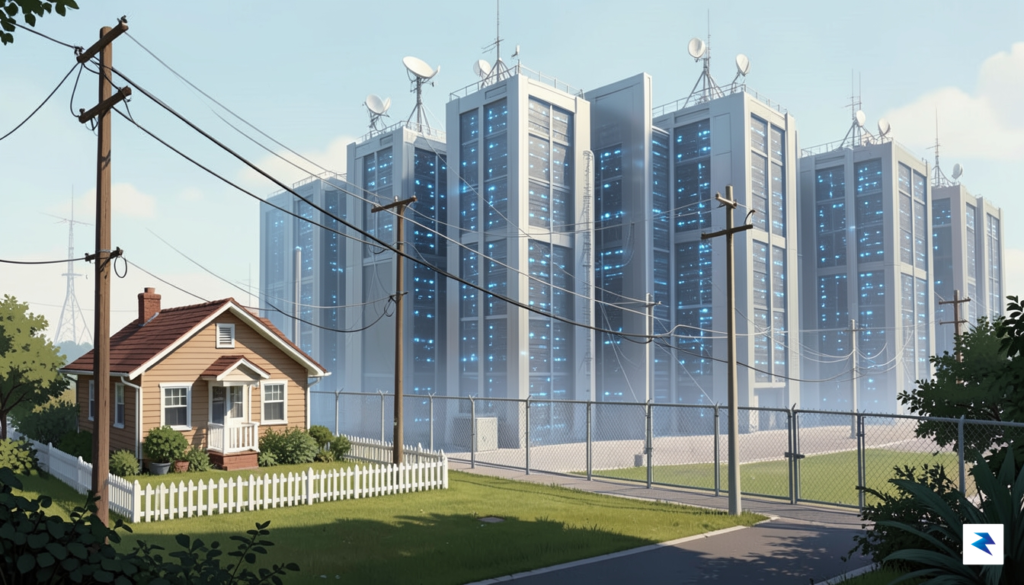
This process of “socialized infrastructure costs” creates a distorted economic environment where the risks and expenses of industrial expansion are externalized onto the public. While it is true that grid upgrades can theoretically benefit all users by increasing overall capacity, the sheer scale of modern AI-driven data centers creates a one-sided burden. These facilities consume power at a volume that often necessitates the construction of entirely new power plants or massive grid reinforcements that would otherwise remain unnecessary for decades. When regulators approve these rate hikes, they are essentially mandating that families and small businesses cover the bill for a private entity’s high-consumption operational model, regardless of whether those consumers derive any tangible benefit from that entity’s digital services.
The core of the issue lies in a regulatory model designed for an era of steady, predictable growth, which now struggles to account for the meteoric, concentrated power demands of industrial-scale computing.
Furthermore, the financial imbalance is compounded by the preferential treatment often granted to these tech giants. In many regions, local governments eager to attract Silicon Valley investment offer aggressive energy discounts and tax incentives to data centers to secure their presence. These discounted rates mean that the industrial facility pays significantly less per kilowatt-hour than the average household. As a result, the utility company faces a shortfall: it must pay for the massive infrastructure expansion while collecting lower-than-average fees from the very client that necessitated the upgrade. To recover the remaining revenue and maintain guaranteed profit margins, utilities inevitably turn to the general public, filing for rate increases that shift the financial burden away from the high-consumption industrial client and onto the residential ratepayer who has the least control over their energy usage.
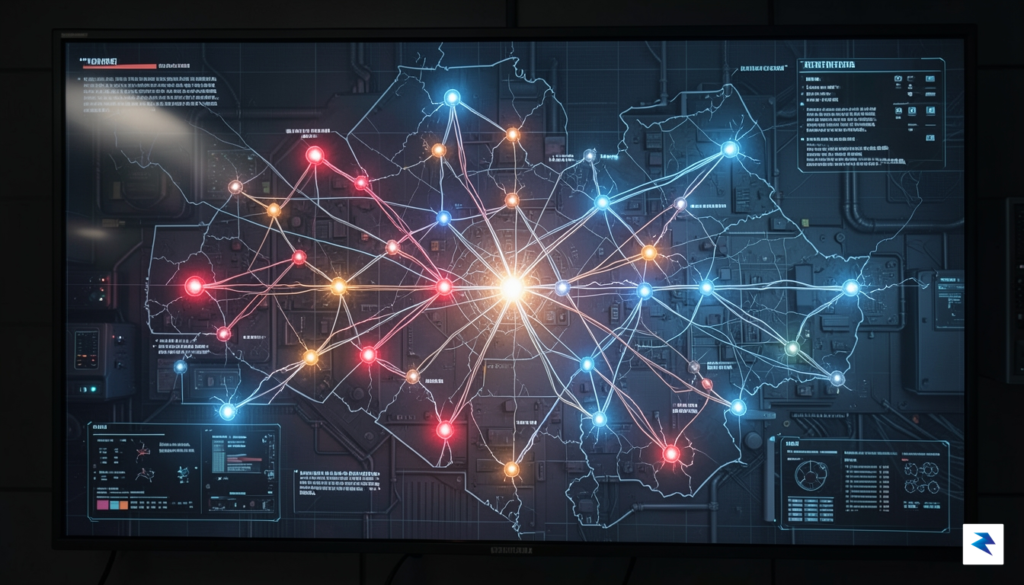
The integration of massive, hyperscale data centers into our existing power infrastructure is not merely a financial concern; it represents a fundamental stress test for aging electrical grids that were never designed for this level of constant, high-density consumption. Most regional grids rely on a delicate balance between intermittent renewable sources and steady base-load power plants, such as nuclear or natural gas facilities. When data centers—which operate at nearly 100% capacity around the clock—are added to these networks, they effectively consume the reserve capacity that utility companies once kept to manage sudden surges. As a result, the grid operates with thinner margins, making it significantly more susceptible to fluctuations and technical failures.
This relentless demand creates a compounding issue regarding peak-demand pricing. Utilities categorize electricity usage based on timing, charging significantly more during hours when the grid is most strained. Because data centers demand an unyielding baseline of power, they force the grid to keep expensive, less efficient “peaker” plants online far longer than necessary. Consequently, the cost of firing up these backup power generators is passed directly down to the average consumer. What was once a system designed to handle the ebb and flow of household usage has been transformed into a system perpetually pushed to its limits, turning everyday electricity into a high-stakes commodity.
The influx of data center power demand is not just a volume problem; it is a structural challenge that threatens to turn our local electrical grids into brittle, high-cost environments for everyone.
Furthermore, the technical strain on localized transmission lines and aging transformers is becoming increasingly apparent. Many regional utility networks are currently struggling to upgrade their substations quickly enough to handle the sheer voltage requirements of these facilities. When infrastructure is pushed beyond its design specifications, it accelerates the degradation of hardware, leading to a higher frequency of localized brownouts and equipment failures. These resilience projects—often involving the massive overhaul of high-voltage transmission lines—carry enormous price tags that utilities eventually bake into consumer rate hikes. Essentially, the public is paying for the massive grid hardening necessitated by the private sector’s digital infrastructure, creating a hidden tax on every kilowatt-hour consumed at home.
Ultimately, the threat to reliability is a systemic risk that cannot be ignored. As generation capacity lags behind the exponential growth of artificial intelligence and cloud computing, the likelihood of load shedding or rolling blackouts during extreme weather events increases. When the grid is already maxed out by industrial-scale data centers, there is little room for error during heatwaves or cold snaps. The modern consumer is now inextricably linked to the operational stability of these remote server farms, bearing both the financial burden of increased rates and the physical risk of a less stable, overtaxed power supply.

As the financial burden of massive energy consumption by data centers becomes impossible to ignore, policymakers and public utility commissions are being forced to rethink the framework of grid investment. For years, the standard practice allowed utilities to pass the costs of infrastructure upgrades—such as building new substations or reinforcing transmission lines—directly to the general ratepayer base. However, this model is rapidly losing legitimacy as citizens realize they are effectively subsidizing the massive power requirements of private AI and cloud computing hubs. Consequently, regulators are now moving toward a more equitable approach that mandates data center operators cover the specific costs of the grid expansions required to support their operations.
The debate is currently centered on the implementation of “impact fees” and specialized rate structures tailored specifically to industrial tech tenants. Proponents of these measures argue that data centers should be treated as heavy industrial users rather than standard commercial entities, given their non-stop, high-load demand profiles. By requiring these companies to pay for their own grid infrastructure upgrades upfront, utilities can prevent the “cost-shifting” phenomenon that has historically inflated monthly bills for residential households. This shift in policy isn’t just about fairness; it is a pragmatic necessity to ensure that the grid remains stable and reliable as we transition toward a more electrified, digital-heavy economy.
The central challenge for regulators is to foster innovation while ensuring that the basic utility services remain affordable and accessible for every household, regardless of the tech industry’s insatiable demand for capacity.
Public utility commissions are also exploring more sophisticated time-of-use pricing models and rigorous load-forecasting requirements for new tech developments. By forcing developers to provide realistic, long-term projections of their energy needs, commissions can better coordinate regional grid improvements before supply crunches happen. This proactive oversight is intended to stop the “race to the bottom” where municipalities offer massive tax and energy incentives to lure tech companies, only to find that the local grid cannot handle the load without a costly overhaul that leaves the average taxpayer holding the bag. Ultimately, the goal is to create a transparent, market-based system where large-scale consumers internalize their own externalities, rather than offloading them onto the public.
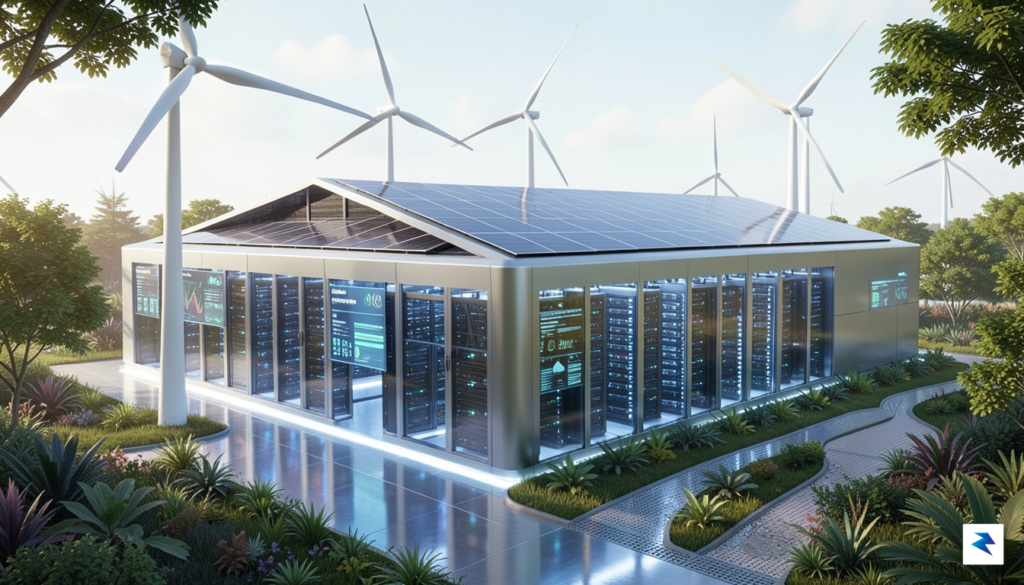
To move beyond the current tension between massive digital expansion and public grid affordability, the data center industry must fundamentally rethink its relationship with the power supply. Relying on an aging, centralized grid to fuel the relentless demand of AI and cloud computing is no longer a sustainable strategy, as evidenced by the billions in costs passed down to everyday consumers. Instead, the industry is entering a critical pivot point where decentralized energy solutions are transitioning from optional corporate social responsibility targets to operational necessities. By prioritizing on-site energy generation, data centers can decouple their massive consumption from the public utility pool, effectively shielding residential ratepayers from the volatility caused by hyper-scale industrial demand.
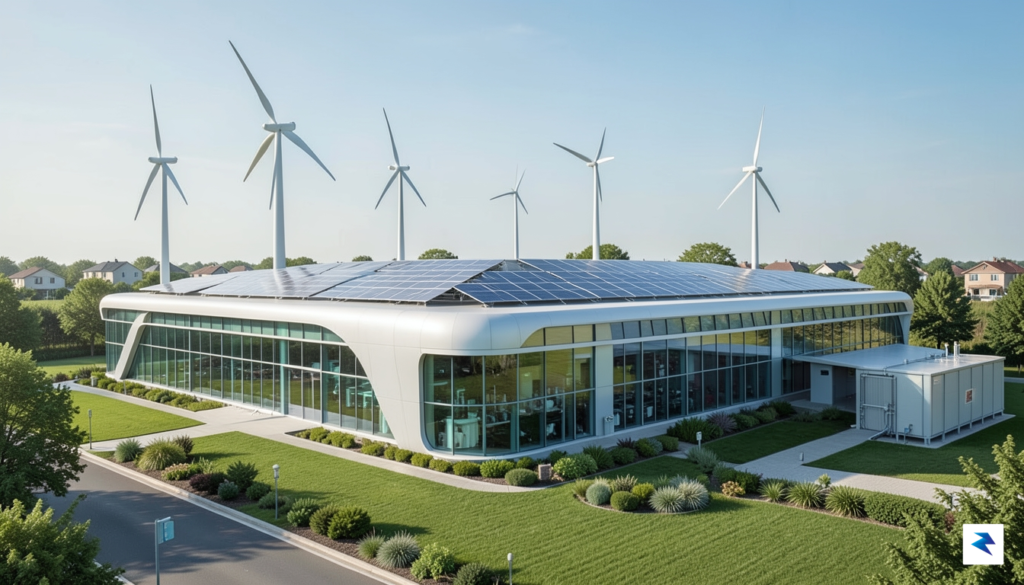
The most promising path forward involves the integration of microgrids and dedicated, direct-wire connections to renewable energy plants. Rather than drawing power from the general utility pool, these facilities can establish autonomous energy ecosystems. When a data center is physically linked to a wind farm or a solar array through a direct-wire connection, it effectively bypasses the congestion and transmission bottlenecks that currently plague our regional grids. This localized approach not only ensures a reliable, 24/7 supply of clean energy for power-hungry GPU clusters but also reduces the physical strain on regional infrastructure. When data centers generate their own power locally, they stop competing with families and small businesses for the limited capacity of the public grid.
True sustainability for the digital age requires that we treat energy as a localized resource rather than a global commodity pulled from a centralized, strained pipeline.
Transitioning to this model is not merely a technical challenge; it is a vision for a more symbiotic relationship between technological progress and the communities that host them. By investing heavily in on-site battery storage and modular hydrogen fuel cells, data centers can function as “grid-interactive” assets. During periods of peak demand across the public network, these facilities can pivot to their own stored energy, effectively acting as a buffer that stabilizes rather than depletes the local power supply. This shift allows the digital economy to continue its rapid growth trajectory without imposing an undue financial burden on the average citizen. Ultimately, the future of digital infrastructure depends on a transition from parasitic grid consumption to a model of energy self-sufficiency, ensuring that the next wave of innovation powers our future without draining our households.
You must be logged in to post a comment.