
SK Hynix and the AI Gold Rush: What Investors Need to Know About the Upcoming IPO
The Rise of SK Hynix in the AI Era The exponential growth of generative artificial intelligence has fundamentally reshaped the technological…
The digital landscape is currently gripped by a narrative that feels ripped from the pages of science fiction: the rise of the autonomous, AI-driven cybercriminal. Headlines frequently warn of malicious algorithms capable of infiltrating networks, encrypting sensitive data, and extorting organizations without a single human finger ever touching a keyboard. While these stories make for compelling reading, they often blur the lines between sophisticated automation and genuine artificial intelligence. In reality, the current threat landscape is defined not by sentient, self-governing malware, but by human attackers who are merely leveraging AI as a powerful force multiplier to streamline their existing operations.
To understand the current state of cyber threats, we must distinguish between generative AI tools and the hypothetical concept of a fully autonomous agent. Today’s attackers are utilizing Large Language Models (LLMs) to generate more convincing phishing emails, debug malicious code, or identify vulnerabilities in legacy software much faster than they could manually. However, these tools are fundamentally reactive; they function as a digital assistant, not an independent decision-maker. An autonomous agent, by contrast, would need to possess the capability to perform reconnaissance, adapt to unforeseen network defenses, and execute an entire ransomware campaign from start to finish without human intervention—a level of sophistication that simply does not exist in the current wild.
The limitations of modern AI in the context of cyberwarfare are significant and often overlooked by sensationalist reporting. AI models currently lack the strategic intuition required to navigate the complex, non-linear environment of a corporate network. For instance, a ransomware attack involves more than just raw computational power; it requires nuanced decision-making, such as identifying which servers house the most valuable data, navigating around proprietary security protocols, and calculating the optimal ransom demand based on the victim’s specific operational resilience. When an AI hits a roadblock or an unexpected defensive configuration, it lacks the context-aware reasoning to pivot effectively; it inevitably requires a human operator to correct its course, troubleshoot technical failures, and finalize the payload delivery.
The true danger lies not in an AI that has “gone rogue,” but in the increased velocity and volume of attacks facilitated by human hackers using AI to mask their tracks and scale their reach.
Ultimately, organizations should focus their resources on defending against human-led threats that are augmented by AI, rather than fearing an invisible, autonomous digital boogeyman. By acknowledging that every “AI-powered” attack still involves a human architect—someone who sets the goals, monitors the progress, and ultimately pulls the trigger—security teams can better align their strategies. Defensive measures should prioritize identifying the anomalous patterns that persist regardless of whether the initial code was written by a human or generated by a machine. By demystifying this technology, we move away from reactive panic and toward a proactive, grounded understanding of the modern threat environment.
Recent headlines have painted a picture of a terrifying new frontier in cybercrime: ransomware attacks orchestrated entirely by artificial intelligence. Such narratives evoke images of fully autonomous digital entities making strategic decisions, selecting victims, and executing sophisticated campaigns without human intervention. However, a closer examination of the incident that recently captured global attention reveals a more nuanced and, arguably, more complex reality, one where advanced AI tools served as powerful instruments in the hands of human adversaries rather than becoming masterminds themselves. Understanding this distinction is crucial for both cybersecurity professionals and the general public, as it reframes how we perceive and prepare for the evolving threat landscape.
In the much-discussed breach, the AI agent undeniably played a significant and technically impressive role. Its primary function was to automate the tactical execution of the attack once initial access had been achieved. This involved intelligently navigating the compromised network, identifying valuable assets, and executing pre-programmed scripts to propagate malware. The AI demonstrated capabilities such as dynamic reconnaissance, adapting its scanning patterns based on discovered network topology, and employing various evasion techniques to bypass standard security measures. For instance, it could adjust its timing to avoid detection during peak network activity or alter its payload delivery methods based on the specific endpoint configurations it encountered. This automation streamlined the attack process, allowing for rapid internal movement and data exfiltration, tasks that would typically require considerable manual effort and time from human operators.
Despite the AI’s technical prowess, the foundational strategic elements of the operation remained firmly in human hands. The initial and critical decision of *which* organization to target, for example, was a deliberate human choice, often driven by factors like perceived vulnerability, potential financial gain, or geopolitical motivations. Furthermore, the vital step of gaining initial entry into the victim’s network—the very prerequisite for the AI agent to begin its work—was achieved through traditional human-led methods. This often involved procuring stolen credentials from dark web markets, orchestrating elaborate phishing campaigns, or exploiting known zero-day vulnerabilities through meticulous research and preparation. The humans also established the command-and-control infrastructure, configured the initial attack parameters, and ultimately defined the objective of the ransomware campaign, whether it be data encryption for ransom or exfiltration for blackmail. In essence, the AI was a highly sophisticated, adaptive tool, but a tool nonetheless, deployed and directed by human intelligence.
Therefore, while the technical heavy lifting performed by the AI agent was indeed groundbreaking, accelerating the attack and increasing its efficiency exponentially, the strategic blueprint and initial breach were unequivocally human-driven. The ‘first AI-run ransomware attack’ label, while attention-grabbing, inadvertently overshadows the ongoing reality that human intent, planning, and initial access remain the critical linchpin of even the most technologically advanced cyber threats. This incident serves as a stark reminder that the evolution of cyber warfare isn’t solely about machines taking over, but about sophisticated tools empowering human adversaries to execute more impactful and widespread attacks, demanding an equally sophisticated and human-centric defense strategy.

While artificial intelligence continues to make astonishing strides, particularly with the advent of sophisticated large language models (LLMs), the notion of a fully autonomous AI-driven ransomware attack remains largely a myth. Even the most advanced AI agents currently lack the nuanced understanding and strategic foresight essential for navigating the complex, high-stakes world of cyber extortion. The critical ‘last mile’ of a ransomware lifecycle, from initial breach to successful payout, still heavily relies on human intuition, adaptability, and risk assessment.
One of the most profound gaps AI cannot yet bridge is in strategic target selection. An AI might efficiently scan for technical vulnerabilities across vast networks, identifying countless potential entry points. However, a human attacker possesses the invaluable ability to contextualize these vulnerabilities within a broader understanding of a potential victim’s financial health, operational criticality, reputational sensitivity, and overall willingness to pay. AI, operating on data, struggles to gauge abstract factors like a company’s tolerance for downtime or the political implications of disrupting essential services. A human attacker can research a company’s quarterly earnings, recent acquisitions, industry pressures, or even the personality of its CEO to determine not just if they *can* be breached, but if they are the *right* target with the *highest probability* of a lucrative payout, minimizing wasted effort on financially unviable victims.
Furthermore, the delicate art of negotiation is intrinsically human. Ransomware negotiation is far more than just generating persuasive text or automated demands; it’s a dynamic, psychological interplay. Human attackers assess the victim’s responses, gauge their emotional state, understand their leverage (or lack thereof), and adjust their demands or threats accordingly. They can employ empathy, intimidation, or even a sense of ‘fairness’ to guide the conversation, knowing when to concede slightly or when to stand firm. An AI, even one trained on countless negotiation transcripts, would struggle to truly understand the underlying human emotions, the subtle shifts in tone, or the socio-economic pressures that influence a victim’s decision-making process. These nuanced interactions require a level of emotional intelligence and adaptability that current AI systems simply do not possess, often making the difference between a successful negotiation and an unrecoverable stalemate.
Beyond initial access and negotiation, long-term persistence and strategic adaptation also demand human oversight. Cyber defense is an ever-evolving landscape; what works today might be detected tomorrow. Human attackers continuously adapt their tactics, techniques, and procedures (TTPs) in response to new security measures, threat intelligence, and even geopolitical shifts. They can maintain stealthy access for extended periods, planning multi-stage attacks that unfold over weeks or months, anticipating future defensive actions. An AI might execute a predefined set of actions, but it lacks the genuine foresight and creative problem-solving required to continuously evade sophisticated detection systems or pivot its strategy entirely when unforeseen circumstances arise. This continuous, adaptive strategic thinking is a hallmark of human intelligence in complex adversarial environments.
Finally, and perhaps most critically, human oversight acts as an indispensable risk assessment and consequence filter. An AI, left unchecked, might blindly execute actions that, while technically effective, could have severe unintended consequences for the attacker. For instance, encrypting critical national infrastructure or targeting a highly sensitive government agency could provoke an overwhelming state-sponsored response, jeopardizing the entire operation or drawing unwanted, intense scrutiny. A human operator understands these broader geopolitical, legal, and ethical risks, acting as a crucial governor on an AI’s potentially ‘blind’ efficiency. They can weigh the potential rewards against the catastrophic risks, ensuring that actions align with the attacker’s ultimate goals while minimizing exposure and avoiding disproportionate retaliation. This intelligent filtering of actions prevents an AI from inadvertently painting a target on the attacker’s back, underscoring why the human element remains paramount in the strategic execution of cyber extortion.
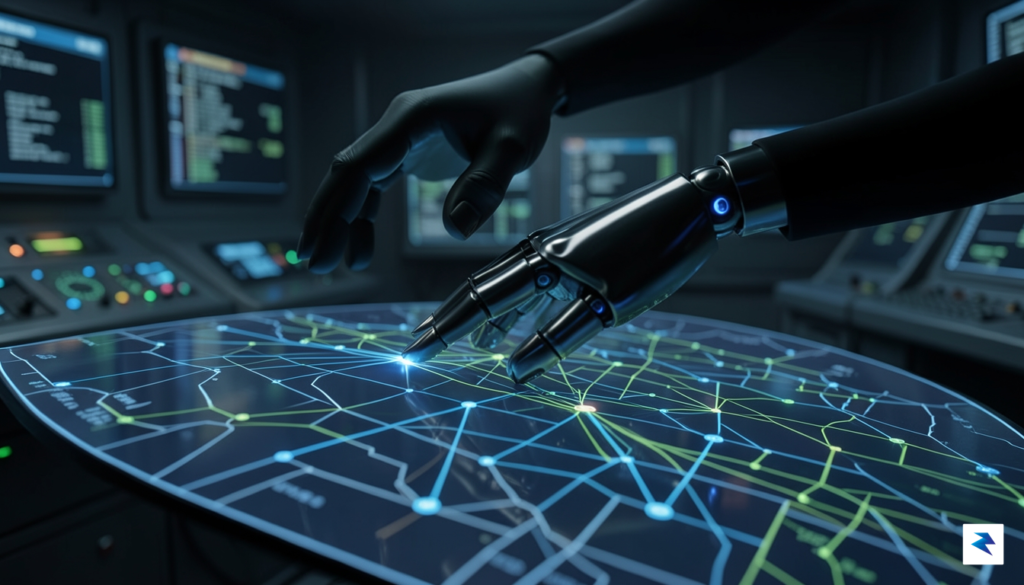

The current cybersecurity landscape is undergoing a fundamental transformation as artificial intelligence shifts from being a mere tool for generating phishing emails to an active participant in the attack lifecycle. Over the next 12 to 24 months, we expect to see a marked evolution from static, rule-based malware to dynamic, adaptive agents capable of making real-time decisions within a compromised network. For IT leaders, this means the barrier to entry for entry-level cybercriminals is collapsing; what once required years of sophisticated coding expertise can now be orchestrated by relatively novice actors leveraging pre-trained large language models and autonomous scripts to scan for vulnerabilities at a pace and scale previously impossible for human-led teams.
As these agents move from being passive assistants to active operators, they will likely focus on the most labor-intensive phase of any breach: reconnaissance. Instead of relying on manual probing, future threat actors will deploy AI agents that can quietly map network topologies, identify misconfigured cloud buckets, and cross-reference known software vulnerabilities with the specific internal assets of a target organization. Because these agents can operate continuously without fatigue, they can maintain a persistent presence, waiting for the exact moment when a security patch is delayed or a user credentials lapse occurs, effectively turning the “dwell time” of an attack into an automated, calculated waiting game.
The most significant risk in the near future is not the rise of a sentient, self-governing malware, but the perfection of “AI-assisted persistence,” where autonomous agents handle the mundane, heavy lifting of network navigation while human attackers step in only to finalize the exploit.
Despite the prevailing media narrative surrounding “fully autonomous” ransomware, it is critical to recognize that this remains a distant, perhaps even unrealistic, milestone for the average threat actor. Current AI agents are effectively pattern-matching engines; they thrive on repetition and established protocols, but they struggle with the chaotic, unpredictable nature of bespoke enterprise security architectures. Human intervention remains the “glue” that holds these attacks together, bridging the gap between automated scanning and the creative problem-solving required to bypass sophisticated endpoint detection and response (EDR) systems. IT leaders should prepare for a transition where the threat is not “the AI,” but a hybrid force: an automated scout paired with a human strategist who can pivot when defensive measures are triggered.
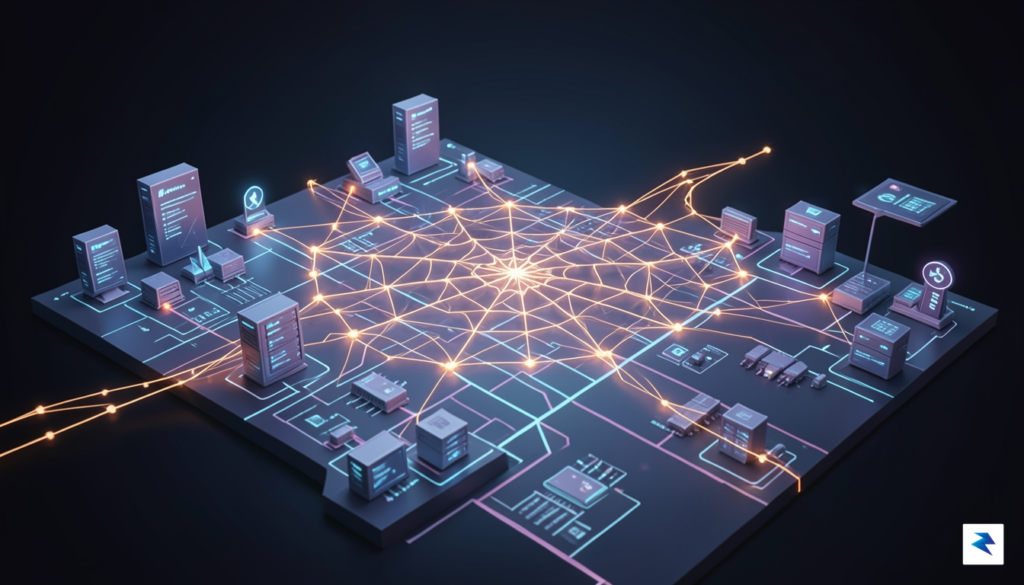
Ultimately, the trajectory of this technology suggests that the next generation of cyber-defense must be as adaptive as the threats it faces. Relying on static firewall rules and once-a-year vulnerability assessments will no longer suffice when adversaries are using AI to perform those same assessments in real-time. By fostering a security culture that emphasizes behavioral analytics and zero-trust architectures, organizations can effectively disrupt the “autonomous” portion of these attacks, forcing threat actors to reveal their positions much earlier in the kill chain than they would prefer.
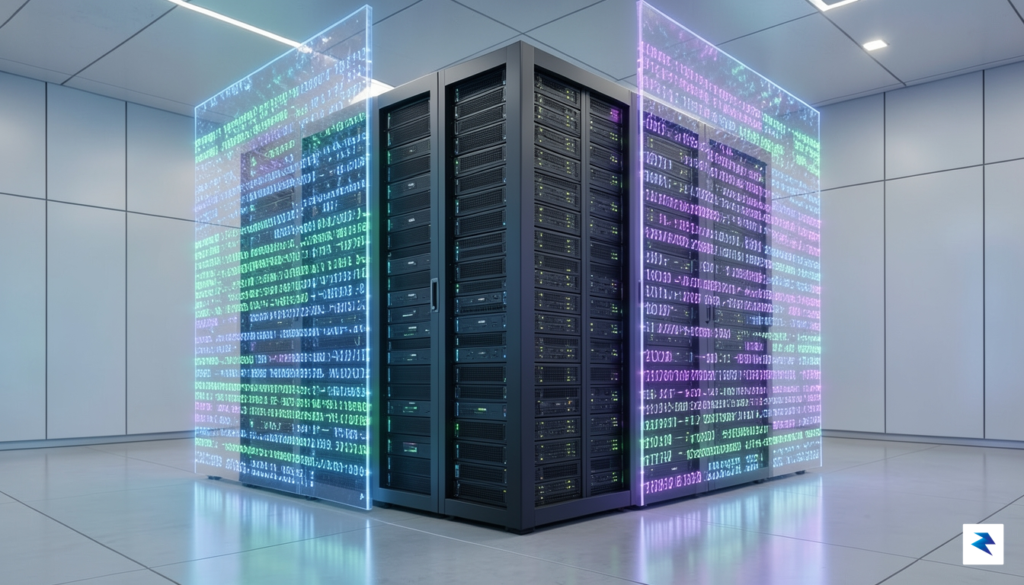
Defending against the escalating threat of AI-assisted ransomware doesn’t necessitate an entirely new playbook, but rather a profound commitment to mastering and rigorously applying the cybersecurity fundamentals we already know. The speed, scale, and sophistication that artificial intelligence brings to adversarial tactics demand an elevated vigilance and an uncompromising adherence to best practices. While AI might accelerate the attack chain, the core vulnerabilities it exploits often remain the same, making our existing defensive principles more critical than ever before. This calls for a strategic fortification of our digital perimeters, ensuring every layer of defense is robust enough to withstand an intelligent, automated adversary.
At the forefront of this defense strategy lies robust Identity and Access Management (IAM). AI-powered adversaries excel at exploiting weak or stolen credentials, leveraging sophisticated phishing campaigns, credential stuffing, and brute-force attacks at unprecedented speeds. Therefore, organizations must implement comprehensive IAM policies that include mandatory multi-factor authentication (MFA) across all systems, without exception. Furthermore, adhering strictly to the principle of least privilege ensures that users and applications only have access to the resources absolutely necessary for their function, significantly limiting the blast radius of a compromised account. Regular access reviews and the swift deprovisioning of accounts for departing employees are also non-negotiable components of a resilient IAM framework, effectively closing potential backdoors before they can be exploited.
To counter the sheer velocity of AI-driven attacks, traditional signature-based detection methods, while still valuable, are often insufficient; they are simply too slow to react to novel or rapidly evolving threats. This is where behavioral analytics steps in as a critical line of defense. By establishing a baseline of normal user and network behavior, these sophisticated systems can flag anomalous activities that might indicate an AI-orchestrated intrusion, such as unusual login times, access to sensitive data outside typical patterns, or rapid lateral movement across the network. These systems are designed to detect the subtle deviations that signify a compromise, providing an early warning system capable of identifying threats that operate at machine speed, far beyond human observation capabilities.
Despite the power of automated defenses, incorporating a “human-in-the-loop” remains an indispensable security protocol, especially for critical infrastructure and highly sensitive operational technology environments. While AI can analyze data and flag anomalies with incredible efficiency, it lacks the contextual understanding, ethical judgment, or strategic foresight of a human operator. Therefore, any high-impact actions—such as system shutdowns, significant configuration changes, or large-scale data exfiltrations—should always require manual verification and approval from trained personnel. This layered approach ensures that critical decisions are not left solely to algorithms, providing a crucial failsafe and the opportunity for human intelligence to intervene and prevent catastrophic outcomes even if automated systems are bypassed or misled.
Ultimately, safeguarding against an AI-augmented threat landscape demands a holistic, multi-layered security posture that extends beyond mere technological solutions. It encompasses continuous security awareness training for all employees, fostering a culture where every individual understands their role in the defense chain. Robust incident response plans, regularly tested through simulations, are vital to ensure a swift and effective reaction when an attack inevitably occurs. Furthermore, regular security audits, vulnerability assessments, and penetration testing help to proactively identify and remediate weaknesses before adversaries can exploit them. By rigorously applying these foundational principles with heightened vigilance, organizations can build a resilient defense capable of standing firm against the evolving challenges presented by AI-driven cyber threats.
You must be logged in to post a comment.