YouTube Settles Teen Addiction Suit as Other Giants Head to Trial
The Shifting Landscape of Social Media Liability For over a decade, the relationship between adolescents and social media has been defined by…


Throughout history, industrial revolutions have typically unfolded over generations, providing labor markets the necessary breathing room to adapt, retrain, and evolve. The mechanical loom or the assembly line introduced structural changes that took decades to fully permeate the global economy. In stark contrast, the current wave of Artificial Intelligence is moving at a velocity that defies traditional historical precedents, threatening to outpace the average worker’s ability to pivot. This unprecedented speed has fundamentally altered the social contract, shifting the burden of transition away from the individual employee and squarely onto the shoulders of the tech architects who are driving this disruption. It is no longer enough for corporations to simply release innovative tools; they must now act as the primary stewards of the workforce that these tools might otherwise displace.
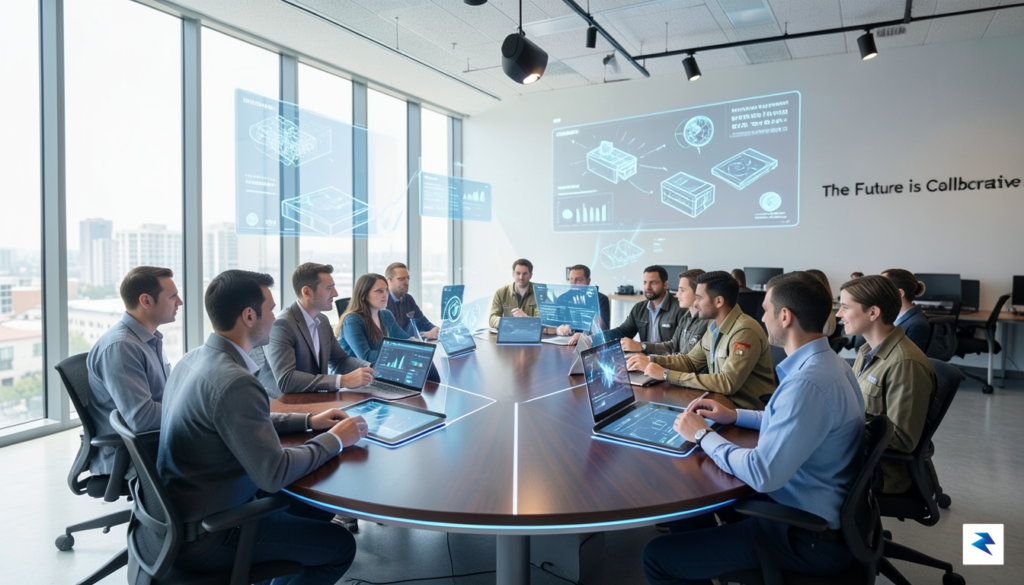
Industry leaders, including powerhouses like Microsoft, Amazon, and OpenAI, have begun to acknowledge that sustainable long-term innovation is impossible in a society destabilized by widespread job loss. By adopting a proactive stance, these organizations are moving beyond simple profit motives to recognize that their “license to operate” depends on public trust and social stability. If the deployment of AI leads to a hollowed-out middle class and systemic unemployment, the resulting political and economic backlash could stifle the very progress these companies aim to achieve. Consequently, these tech giants are investing heavily in massive upskilling initiatives, vocational training programs, and transparent transition pathways designed to ensure that the workforce remains an asset rather than a casualty of the digital transformation.
The true measure of AI’s success will not be found in its computational power, but in how effectively it empowers, rather than replaces, the human talent that fuels the global economy.
The societal risks associated with unchecked AI integration—ranging from the devaluation of specialized knowledge to the rapid erosion of entry-level career ladders—have necessitated a new era of corporate-led intervention. These companies are increasingly treating human capital as a core component of their business strategy, realizing that AI should ideally function as a co-pilot that augments human capability. By internalizing the costs of retraining and workforce support, these corporations are attempting to mitigate the friction of the digital transition, ensuring that the fruits of technological advancement are distributed more equitably across the population. This shift represents a profound evolution in corporate responsibility, signaling that the future of work must be built on a foundation of collaboration between human ingenuity and machine intelligence.

The contemporary labor landscape is undergoing a tectonic shift, where the definition of professional value is being rewritten in real-time. For decades, the workforce was structured around predictable, repetitive tasks—data entry, basic bookkeeping, and routine analytical processing—which formed the bedrock of many middle-class careers. However, as artificial intelligence matures, these specific functions are being rapidly offloaded to algorithms that can perform them with greater speed and fewer errors. The challenge we face today is not a total disappearance of employment, but rather a widening chasm between the skill sets workers currently possess and the sophisticated capabilities required to collaborate effectively with intelligent systems.
This transition necessitates a fundamental shift in how we perceive human contribution. As machines assume the “heavy lifting” of data synthesis and pattern recognition, the premium on human labor moves toward higher-order cognitive functions. We are entering an era where “AI literacy” is no longer a niche technical requirement but a baseline professional necessity. This emerging skill set includes the ability to craft precise, context-aware prompts, the capacity for rigorous ethical oversight, and the nuanced judgment required to navigate complex, non-linear problems that machines are not yet equipped to solve independently.
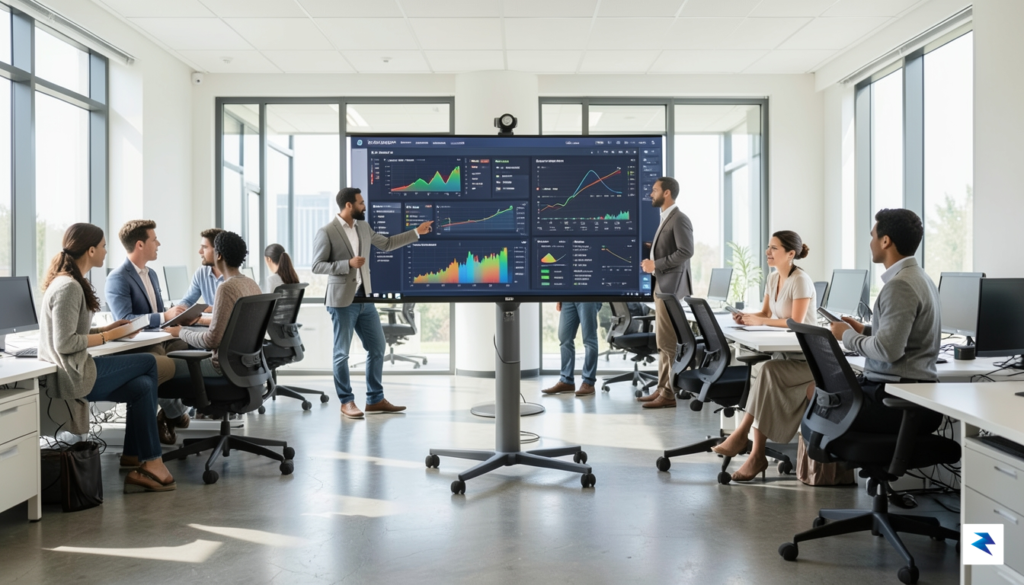
The goal of the modern workforce is not to compete with the machine, but to cultivate the human-centric skills that provide the necessary context, strategy, and moral compass for AI-driven processes.
To successfully navigate this period of disruption, workers must pivot from being executors of routine tasks to becoming architects of AI-augmented workflows. This shift highlights the importance of “human-in-the-loop” roles, where the human acts as an editor, strategist, and validator of automated outputs. For example, while an AI might generate a comprehensive market report in seconds, it takes a skilled professional to interpret that data through the lens of company culture, long-term brand strategy, and human empathy—elements that remain firmly outside the reach of current technology.
Ultimately, the job roles of the future are shifting toward a hybrid model. The most successful employees will be those who can blend technical fluency with deep-seated human traits such as creative problem-solving, emotional intelligence, and critical thinking. By focusing on these uniquely human capabilities, workers can insulate themselves from the pressures of automation while simultaneously increasing their value to organizations that are eager to leverage AI as a force multiplier rather than a mere replacement for human intellect. Bridging the skills gap is therefore a collaborative effort, requiring a proactive commitment to continuous learning and a willingness to adapt to a reality where the primary asset of any employee is their capacity for thoughtful, strategic judgment.
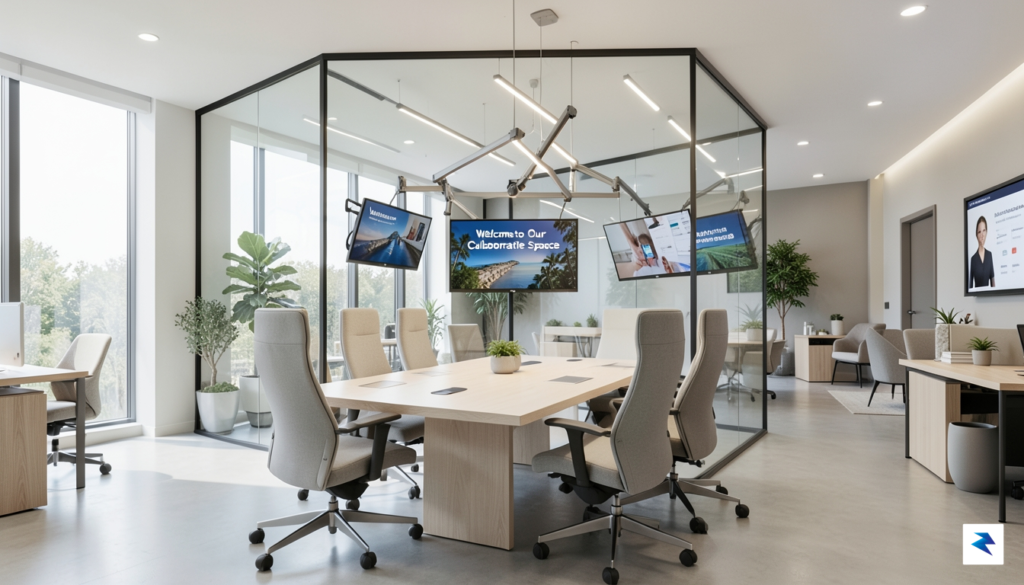
The integration of artificial intelligence into the modern workplace is no longer a purely corporate endeavor; it has become a central pillar of national economic strategy. Spearheaded by policymakers like former Commerce Secretary Gina Raimondo, a new era of public-private partnership is taking shape, moving beyond the voluntary, often fragmented initiatives of the past. By aligning government regulatory frameworks with the operational expertise of tech giants, these alliances aim to establish standardized training programs that are both scalable and accessible. This cooperation is essential to ensure that the transition toward an AI-driven economy does not leave large swaths of the population behind, but instead creates a structured pipeline that connects displaced or aspiring workers with the high-demand skills of the future.

Government policy now plays a crucial role in incentivizing corporations to prioritize human capital as much as they prioritize software development. Rather than relying on sporadic philanthropy, these new frameworks utilize tax incentives and public grants to encourage companies to embed robust retraining programs directly into their business models. This shift represents a departure from traditional corporate social responsibility efforts, which were often peripheral to a company’s core operations. Instead, these initiatives view labor stability as a foundational element of long-term economic health, effectively treating workforce development as a critical investment in infrastructure. By formalizing these partnerships, the government ensures that companies remain accountable for the socioeconomic impacts of their technological advancements.
The true success of the AI revolution will not be measured by the sophistication of our algorithms, but by our collective ability to equip the American workforce with the agency and expertise to thrive alongside them.
Furthermore, these partnerships are designed to solve the perennial issue of skills mismatches that often occur during periods of rapid technological disruption. By sharing data on labor market trends and identifying emerging roles, federal agencies and technology leaders can collaborate to craft curriculum standards that reflect real-world requirements. This proactive approach allows educational institutions and private training providers to adjust their offerings in real time, ensuring that the certification programs workers complete are genuinely valuable to potential employers. Ultimately, this collaborative framework seeks to foster a resilient labor market where the benefits of innovation are distributed equitably, transforming the threat of automation into an opportunity for widespread professional growth and long-term stability.
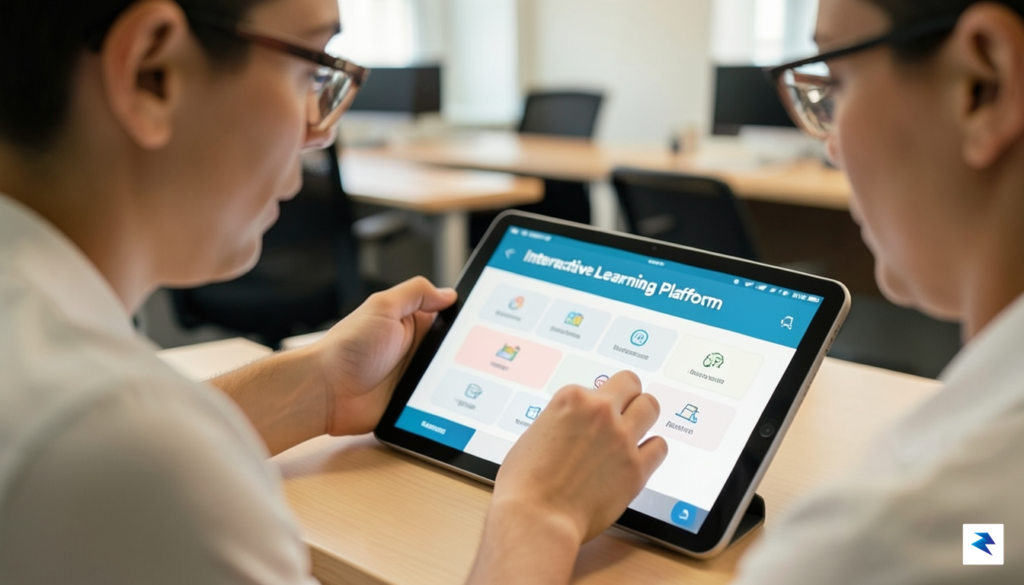
Reskilling is far from a one-size-fits-all endeavor; it requires a nuanced approach that acknowledges the diverse skill sets already present within an organization. To bridge the gap between current job functions and an AI-integrated future, industry leaders are moving away from broad, generic training modules in favor of personalized learning paths. By utilizing data-driven assessments, companies can identify specific skill deficits and tailor educational content to individual career trajectories, ensuring that a software developer learns to leverage AI for code optimization while an administrative assistant explores automation tools to streamline scheduling and communication. This hyper-targeted approach minimizes wasted time and maximizes the relevance of the training for each participant.

Beyond individual paths, the integration of internal mentorship programs and micro-credentialing offers a sustainable framework for long-term development. Mentorship bridges the gap between theoretical knowledge and practical application, as seasoned employees who have already mastered AI tools guide their peers through real-world implementation challenges. Complementing this, micro-credentialing allows workers to earn recognized certifications in bite-sized increments, providing a tangible sense of progress and accomplishment. These smaller, stackable achievements prevent the intimidation often associated with massive career pivots, making the transition to new technical roles feel manageable rather than overwhelming.
The most effective programs incorporate AI-enabled simulation tools, which provide a low-stakes environment for employees to experiment with emerging technologies. These platforms allow staff to practice using AI to solve complex problems, run data analysis, or interact with virtual clients without the fear of impacting live operations. By simulating the complexities of the future workplace, organizations can build the confidence of their workforce, turning the anxiety of technological change into a proactive pursuit of innovation. When employees can “play” with the tools in a controlled setting, they become far more adept at deploying those same tools during their actual daily responsibilities.
To prevent reskilling burnout, companies must treat learning as a core job function rather than an extracurricular obligation.
Crucially, the success of these initiatives rests upon the intentional allocation of time during the standard workday. Expecting employees to acquire high-level technical skills during their personal time is a recipe for reskilling burnout, which ultimately leads to disengagement and turnover. Progressive firms are now embedding dedicated “learning hours” into their weekly schedules, signaling that professional growth is a non-negotiable priority for the organization’s future. By formally protecting this time, management demonstrates a genuine commitment to their workers’ longevity, fostering a culture where continuous improvement is rewarded and supported rather than viewed as an additional burden.

The true measure of success in this era of rapid technological disruption lies not in preserving the static job descriptions of the past, but in cultivating a workforce that views evolution as a constant state of being. Transitioning into an AI-integrated economy requires more than just mastering a new software suite or learning the basics of a coding language; it necessitates a fundamental cultural shift toward lifelong, self-directed learning. Employees who thrive in the coming decade will be those who move away from the traditional model of “education as a finite phase” and instead embrace a mindset of continuous intellectual agility. This shift requires organizations to foster environments where curiosity is rewarded and where taking the time to upskill is viewed as a strategic investment rather than an interruption to daily productivity.
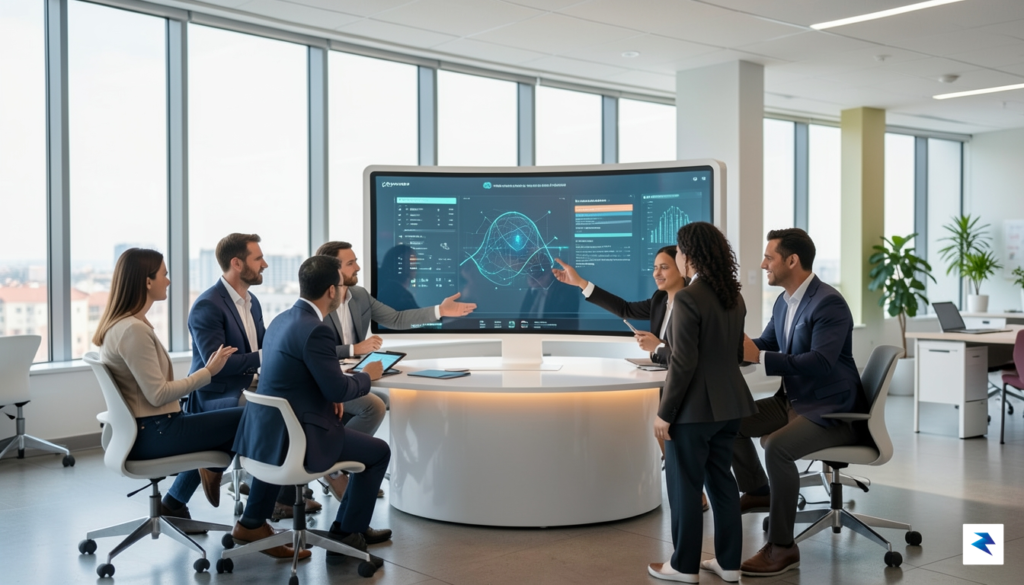
For the individual worker, proactive career management has become an essential survival skill. Rather than waiting for an employer to mandate training, professionals should begin to map out their own “competency roadmaps,” identifying the intersection between their human-centric strengths—such as empathy, complex decision-making, and ethical judgment—and the analytical speed of artificial intelligence. By actively seeking out micro-credentials, participating in cross-departmental projects, and remaining attuned to industry trends, employees can cultivate a portable skill set that remains valuable regardless of how a specific job title might change. Resilience, in this context, is defined by the ability to pivot with confidence, transforming the anxiety of technological change into a catalyst for professional growth and personal reinvention.
The most resilient workers of the future will be those who treat their professional identity as a work-in-progress, constantly iterating their skills to stay ahead of the automation curve.
Looking ahead, the synergy between global tech leaders and government policy will serve as the scaffolding for this new labor ecosystem. By aligning private sector training initiatives with public education reform, we can create a sustainable bridge that carries the workforce into the next decade. If these collaborations succeed, they will establish a robust framework where the cost of transition is shared, and the burden of adaptation is supported by comprehensive institutional resources. Ultimately, the next ten years of employment will be defined by this collaborative effort to democratize access to high-level skills, ensuring that the AI revolution acts as a tide that lifts all boats rather than a force that leaves large segments of the population behind. The goal is to build a workforce that is not merely prepared for the next tool, but prepared for the next era.
You must be logged in to post a comment.