
Claude Code Espionage: The Hidden Risks of Enterprise AI Agents
The Anatomy of the Claude Code Espionage Campaign The recent exploitation of Claude Code represents a sophisticated evolution in cyber…
When Apple first unveiled its Car Key feature at the 2020 Worldwide Developers Conference, it was viewed primarily as a futuristic parlor trick—a digital novelty reserved for the most tech-forward drivers. At the time, the ability to leave a traditional plastic fob at home and access a vehicle using nothing more than an iPhone or Apple Watch felt like a glimpse into a distant, paperless automotive future. Since that initial launch, however, the technology has undergone a rapid transformation, shedding its status as an exclusive luxury add-on to become a highly requested utility for mainstream consumers who value seamless digital integration in their daily lives.
The technical backbone of this evolution relies on a sophisticated combination of Near Field Communication (NFC) and Ultra Wideband (UWB) technology. While NFC allows for quick, tap-to-unlock convenience, the integration of UWB provides the “passive entry” experience that truly elevates the feature; it enables the vehicle to detect the precise location of the user’s device, allowing the doors to unlock and the engine to start without the user ever needing to remove their phone from their pocket or bag. This dual-layered approach ensures not only a high level of user convenience but also robust security, as the cryptographic handshake between the device and the car is encrypted and managed through the secure element of the Apple Wallet, making it significantly harder to spoof than traditional keyless entry radio signals.
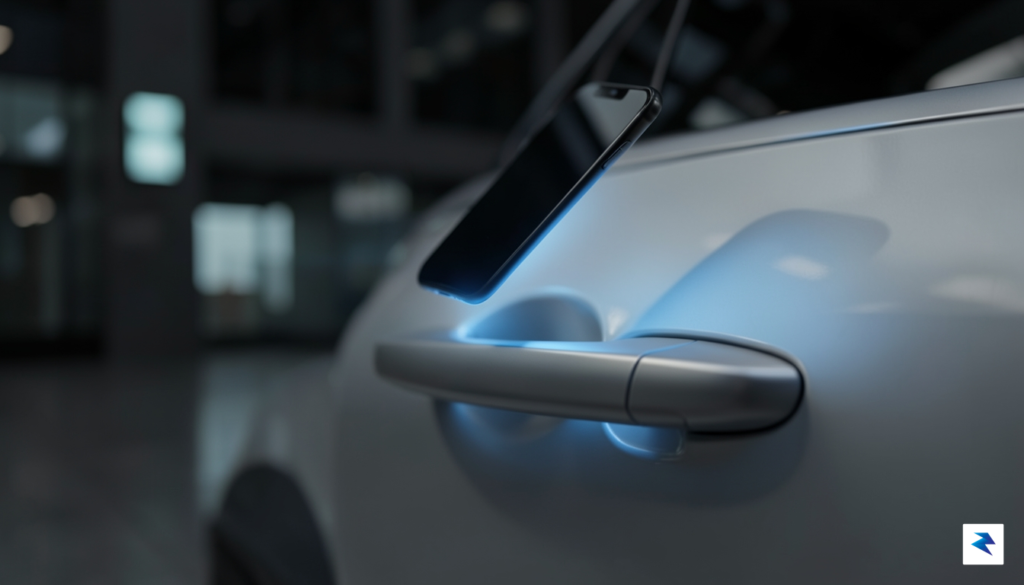
Early adoption was characterized by strategic partnerships with automotive giants like BMW, followed by expanded support from Hyundai, Genesis, and Kia. These manufacturers recognized that modern car buyers are increasingly prioritizing software-defined vehicle features as much as horsepower or interior aesthetics. By embedding Apple’s digital key ecosystem into their architectures, these brands established a new benchmark for convenience, proving that digital keys were not merely a peripheral interest but a central component of the modern driving experience.
The integration of digital keys is no longer a differentiator for high-end models; it is becoming a baseline expectation for any vehicle marketed as a “smart” or “connected” car.
The potential expansion of this ecosystem to include manufacturers like Lucid and Xiaomi signals a massive shift in the industry’s trajectory. Lucid, with its focus on ultra-premium electric performance, and Xiaomi, with its aggressive push into the smart-mobility sector, represent two distinct segments of the market that are converging on the same goal: total smartphone integration. As these brands adopt Apple’s standard, it confirms that the industry has moved past the experimental phase and into an era of widespread implementation. This transition reflects a broader consumer demand for a unified digital life where the vehicle is no longer a siloed hardware piece, but an extension of the mobile devices we carry every single day.
The recent discovery of specific configuration files within the iOS 18.2 beta has ignited significant excitement among automotive enthusiasts and Apple ecosystem loyalists alike. By digging deep into the system’s internal frameworks, developers have identified explicit references to Lucid Motors and Xiaomi, suggesting that the Cupertino tech giant is actively preparing to integrate its digital Car Key feature into these manufacturers’ vehicle lineups. While Apple has remained characteristically tight-lipped regarding these findings, the inclusion of specific brand identifiers within the operating system’s code is rarely a coincidence; it is a telltale sign that engineering teams are currently deep in the validation and testing phase of the deployment.
Beta code serves as a highly reliable roadmap for future feature rollouts because it requires genuine backend infrastructure to function correctly. When Apple introduces support for a new vehicle brand, it isn’t merely a graphical change; it involves establishing secure handshakes between the iPhone’s Ultra Wideband (UWB) chip and the vehicle’s onboard computer. Because these system files are pre-loaded into the beta builds to ensure developers and testers can verify integration before a public launch, their presence acts as a strong indicator that a formal announcement is likely on the horizon. It confirms that the technical groundwork—specifically the cryptographic protocols required for secure entry—is already being mapped out.
The potential addition of these two companies highlights a fascinating dual-pronged strategy for Apple’s automotive ambitions. Lucid Motors represents the pinnacle of premium, high-performance electric engineering, catering to an affluent demographic that values seamless, luxury-grade digital experiences. Conversely, Xiaomi’s entry into the EV market signals a shift toward mass-market, tech-forward accessibility. By bridging these two segments, Apple is effectively signaling that its Car Key technology is intended to become an industry-wide standard rather than a niche feature for a single price bracket.
Integrating Digital Car Key into diverse vehicle architectures allows Apple to cement its ecosystem presence in everyday mobility, turning the iPhone into an essential component of the driving experience.
Despite the compelling evidence found in the latest beta, it is crucial for users to manage their expectations regarding the timeline. The appearance of these names does not guarantee an immediate, global rollout, as Apple must navigate complex regulatory environments and rigorous security audits for every new partner. There is often a significant gap between the initial discovery of internal code and the final, consumer-facing release. Nevertheless, the momentum suggests that the convenience of leaving physical key fobs behind is moving one step closer to becoming a reality for Lucid and Xiaomi owners, marking another stride in the evolution of the software-defined vehicle.
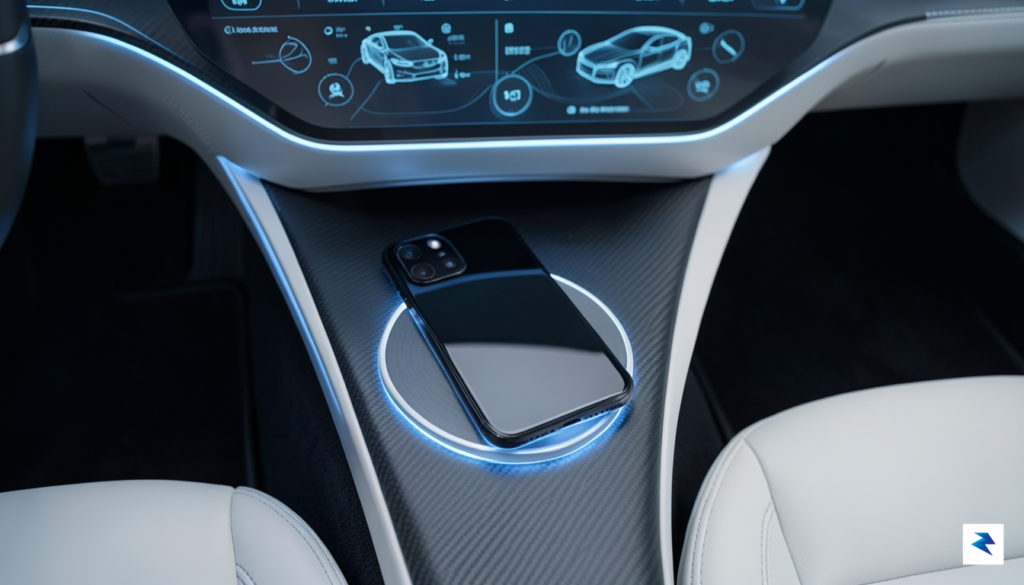
For modern electric vehicle manufacturers, the transition toward a fully integrated digital experience has shifted from a luxury convenience to an absolute competitive necessity. As the automotive industry pivots toward software-defined vehicles, consumers have begun to evaluate cars with the same criteria they use for smartphones: intuitive interfaces, seamless connectivity, and robust ecosystem compatibility. By adopting features like Apple Car Key, manufacturers are effectively lowering the friction between the user’s digital life and their physical mobility, ensuring that the vehicle feels like an extension of the phone rather than a separate, siloed piece of hardware.
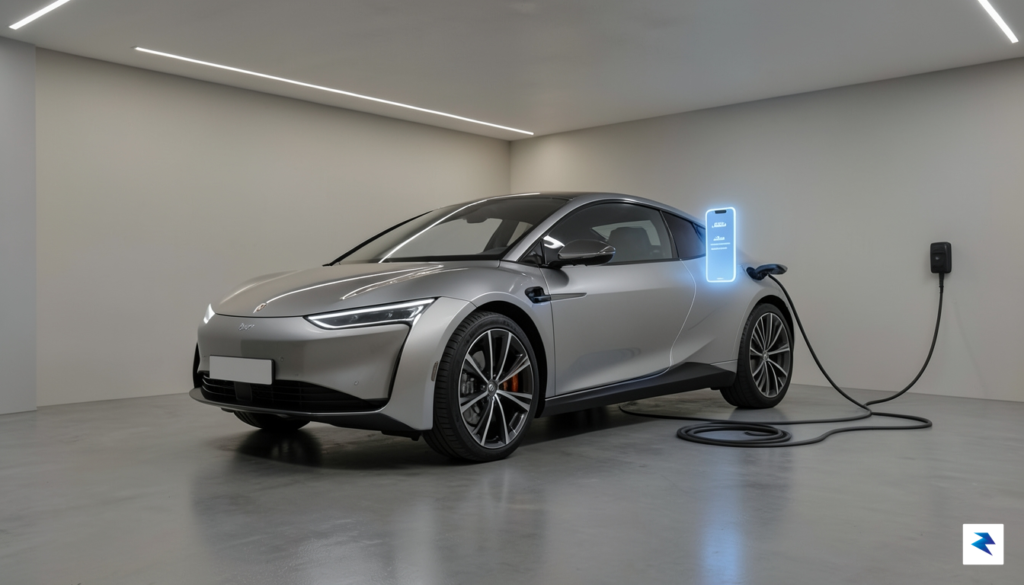
The strategic advantage of this integration lies in the immense gravity of the Apple ecosystem. When a carmaker supports Car Key, they are not just providing a way to unlock doors; they are tapping into a sophisticated network of user habits that foster long-term brand loyalty. For a company like Xiaomi, which is currently making massive waves with its SU7, the decision to align with Apple’s standards is a calculated move to capture a tech-savvy demographic that refuses to compromise on hardware synergy. By ensuring that their vehicle plays nicely with the iPhone, Xiaomi bridges the gap between traditional automotive manufacturing and the high-performance consumer electronics space, signaling to potential buyers that their car is as forward-thinking as their pocket device.
Integrating Apple Car Key acts as a powerful differentiator in a crowded EV market, turning a routine task—unlocking a vehicle—into a frictionless digital interaction that reinforces the brand’s commitment to modern convenience.
Similarly, Lucid Motors has built its reputation on the pillars of high-end engineering and a superior software-defined architecture. For a brand that targets the luxury segment, the inclusion of Apple Car Key fits perfectly into their premium identity. Lucid owners expect a refined, “it just works” experience that mirrors the sophistication of their home and office setups. By prioritizing this integration, Lucid ensures that their vehicles remain relevant in an era where software maturity is often weighted as heavily as battery range or horsepower. Ultimately, these manufacturers understand that in the race for the next generation of car buyers, the most successful firms will be those that treat the vehicle as a vital node in the user’s broader digital ecosystem, rather than an isolated machine.

The primary security advantage of Apple Car Key lies in its sophisticated hardware-level architecture, which fundamentally differentiates it from the vulnerable radio-frequency (RF) signals emitted by traditional key fobs. At the heart of this system is the Secure Element—a dedicated, tamper-resistant chip embedded within your iPhone or Apple Watch. Unlike a standard key fob that constantly broadcasts a signal that can be intercepted or amplified by malicious actors, Apple Car Key stores your cryptographic credentials inside this isolated vault. Because the data never leaves this secure hardware, it remains inaccessible to unauthorized software or remote scanning attempts, effectively neutralizing the common “relay attacks” that allow thieves to clone or spoof traditional vehicle entry signals.
Beyond the underlying hardware protection, Apple integrates biometric authentication as a mandatory gatekeeper for accessing your vehicle. Before a digital key can be transmitted via Near Field Communication (NFC) or Ultra Wideband (UWB) technology, the system requires verification through Face ID or Touch ID. This adds a critical layer of physical security that a traditional key fob simply cannot match; even if your phone were to be stolen, the thief would be unable to unlock or start your car without your unique biometric profile. This dual-layer approach—combining hardware-based encryption with active user authentication—transforms your device into a personalized digital credential that is significantly harder to compromise than a piece of plastic and a battery-powered transmitter.
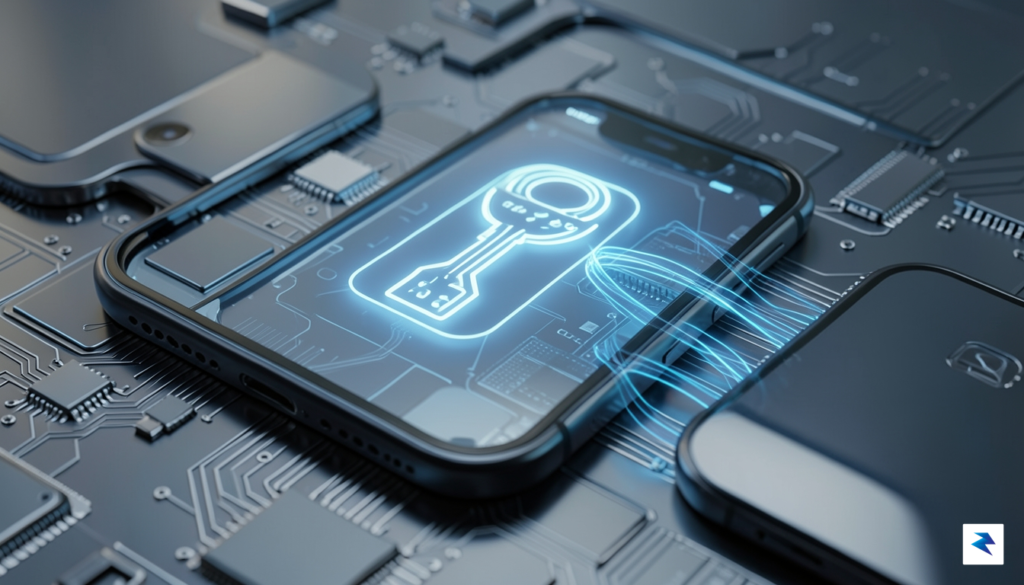
The system also revolutionizes how we manage vehicle access through its seamless integration with the Apple ecosystem, particularly regarding key sharing. Through iMessage, owners can instantly grant access to family members or friends without the need to physically hand over a spare key. Crucially, these digital keys are not one-size-fits-all; owners can configure granular permissions that restrict the recipient’s ability to drive the vehicle. For instance, you can set specific parameters for valet services or teen drivers, such as limiting the maximum speed or restricting access to certain infotainment settings, all controlled directly from your wallet app.
Unlike traditional key fobs, which act as “dumb” transmitters prone to signal hijacking, Apple Car Key uses dynamic, encrypted tokens that verify the identity of both the smartphone and the vehicle in real-time.
Ultimately, the transition toward digital keys represents a shift from passive, vulnerable hardware to active, intelligent security protocols. While the convenience of leaving your house without a clunky key fob is an immediate benefit, the long-term value is found in the ability to revoke access instantly if a device is lost or compromised. As manufacturers like Lucid and Xiaomi potentially adopt this standard, they are moving away from the era of easily hackable radio frequencies and into a future where your vehicle’s security is as robust, updateable, and protected as the banking information stored on your mobile device.
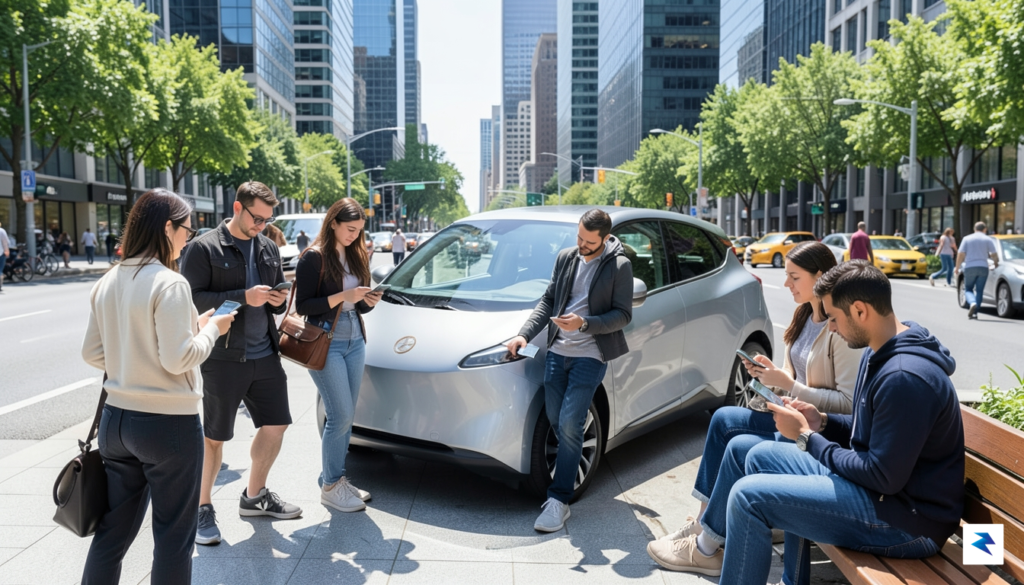
As the automotive industry shifts toward a seamless digital experience, the integration of Apple Wallet Car Key represents a significant leap forward in convenience for drivers. However, transitioning from a physical key fob to a smartphone-based system is not as simple as flipping a switch. Before you can expect to walk up to your Lucid or Xiaomi vehicle and unlock it with just your iPhone, it is essential to understand that this technology relies on a specific handshake between your vehicle’s onboard computer and your mobile device’s hardware. For the most fluid experience—which allows you to keep your phone in your pocket while the car detects your presence—you will need an iPhone 11 or a more recent model, as these devices include the Ultra Wideband (UWB) chip necessary for precise spatial awareness.
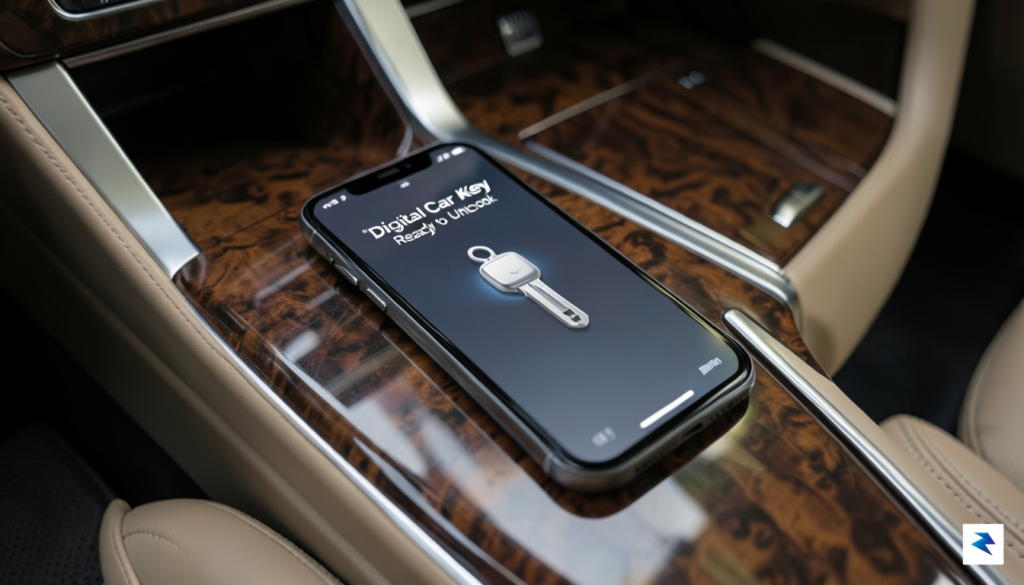
Beyond the raw hardware requirements, the rollout of this feature will likely be contingent upon manufacturer-specific software updates. Even if your vehicle is physically capable of supporting digital keys, you may find that the functionality is locked behind a firmware patch that requires an over-the-air (OTA) update from the manufacturer. It is highly recommended that current owners periodically check their vehicle’s infotainment settings menu to ensure their operating system is fully up to date. Furthermore, you will almost certainly need to download or update the official companion app provided by Lucid or Xiaomi, as these apps serve as the primary gateway for provisioning your digital key into the Apple Wallet environment.
To ensure you are ready when these features officially launch for your specific vehicle, consider following this practical checklist. Being prepared early will save you time and frustration once the software integration finally goes live:
Key Takeaway: Technology rollouts are rarely universal; they are typically phased by model year and region. Always consult the official support pages for your specific vehicle before attempting to troubleshoot connectivity issues, as procedures can vary significantly between brands.
Ultimately, while the promise of a keyless lifestyle is compelling, patience is a necessary component of the adoption process. Software stability is paramount when it comes to vehicle security, and manufacturers often prioritize thorough testing before releasing features that control access to your car. By keeping your devices updated and staying connected to official communication channels, you position yourself to be among the first to enjoy the convenience of a truly digital automotive experience as soon as it becomes available.
You must be logged in to post a comment.