
The 11 Standout Startups from YC’s Spring 2026 Demo Day
The Evolution of YC Demo Day Sentiment For over a decade, Y Combinator’s Demo Day has served as the undisputed pulse of the venture capital…

Arabica coffee occupies a distinct position in the global economy, serving not merely as a morning staple but as a highly sensitive premium commodity. Unlike more resilient crops, the Arabica plant is notoriously temperamental, requiring specific high-altitude climates and meticulous cultivation practices that limit its production to a narrow band of equatorial regions. Because its supply chain is geographically concentrated, any disruption—whether environmental or, as we are witnessing now, geopolitical—sends shockwaves through the global marketplace. This fragility makes Arabica a bellwether for trade stability, as investors watch the delicate balance between high consumer demand and the physical limitations of the harvest.
The mechanics of these price surges are largely dictated by the Intercontinental Exchange (ICE), where coffee futures are traded with relentless intensity. In these markets, traders do not simply exchange physical bags of beans; they trade contracts based on expectations of future availability and cost. When news of potential tariffs between the United States and major exporters like Colombia breaks, the market does not wait for the ink to dry on an executive order. Instead, algorithms and human traders alike price in the possibility of supply chain bottlenecks immediately, driving up the cost of futures contracts as a hedge against future scarcity.
This reactive behavior creates a self-fulfilling prophecy of inflation. When political rhetoric suggests that import taxes might be imposed on Colombian beans, buyers rush to secure existing inventory, fearing that future shipments will become prohibitively expensive or logistically blocked. This surge in demand, coupled with the speculative behavior of investors seeking to capitalize on volatility, pushes spot prices to record highs long before any physical tariff is actually collected at a border. It is a masterclass in market psychology: fear of a future shortage is often just as effective at driving up prices as an actual crop failure.
The price of coffee is a reflection of certainty; when political friction creates ambiguity, the market demands a premium to compensate for the perceived risk of doing business.
Ultimately, these record-breaking price spikes serve as a reminder that the price of a cup of coffee is tethered to a complex web of international diplomacy. Every headline involving trade disputes acts as a catalyst for volatility, forcing roasters and retailers to navigate a landscape where geopolitical posturing can be as disruptive as a drought or a frost. As the market continues to react to the ongoing U.S.-Colombia tariff tensions, observers are witnessing a prime example of how modern commodity trading transforms political noise into tangible economic consequences for consumers worldwide.
The relationship between the United States and Colombia has long served as a bedrock for the specialty coffee industry, yet recent escalations in trade rhetoric have effectively destabilized this foundation. As one of the world’s leading producers of premium Arabica beans, Colombia’s output is a critical component of the American consumer’s daily routine. When political leaders introduce the specter of tariffs or restrictive trade sanctions, the immediate reaction within the commodity markets is rarely one of measured patience. Instead, the mere suggestion of trade barriers creates an “uncertainty premium,” where traders and speculators inflate prices to account for the potential disruption of physical supply routes. This phenomenon is a classic example of how geopolitical friction can override the fundamental laws of supply and demand, forcing the market to price in worst-case scenarios long before a single tariff is actually implemented.
The mechanics of this price volatility are largely driven by the defensive posture of global importers and large-scale coffee roasters. In an environment defined by trade instability, these stakeholders act as a collective shock absorber, rushing to secure inventory before potential costs escalate. By aggressively purchasing futures contracts and physical stock, these entities inadvertently trigger a buying frenzy that drives spot prices to record highs. This hedging behavior is not merely speculative; it is a calculated risk-mitigation strategy intended to insulate roasters from the threat of sudden supply chain bottlenecks. However, this defensive surge creates a self-fulfilling prophecy, as the increased demand validates the higher prices and places additional strain on the global supply chain, which is already stretched thin by climate-related yield fluctuations.
When trade policy becomes a weapon, the ripple effects are felt most acutely in the cups of everyday consumers, as the volatility of political negotiation is directly translated into the price of raw agricultural commodities.
History has repeatedly demonstrated a strong correlation between political instability and sharp spikes in commodity pricing. Much like the oil crises of the 1970s or the more recent agricultural supply disruptions caused by international conflict, the current friction between the U.S. and Colombia serves as a stark reminder of how fragile global trade agreements truly are. When major economic powers engage in disputes, the ripple effect moves rapidly from the diplomatic table to the commodities exchange floor. Because the Arabica market relies on a delicate balance of timing and logistics, any sign of administrative interference creates a sense of systemic risk that is difficult to shake. Consequently, until a clear and stable trade path is re-established, the coffee industry will likely continue to experience these erratic price swings, as the market remains highly reactive to the shifting winds of international policy.
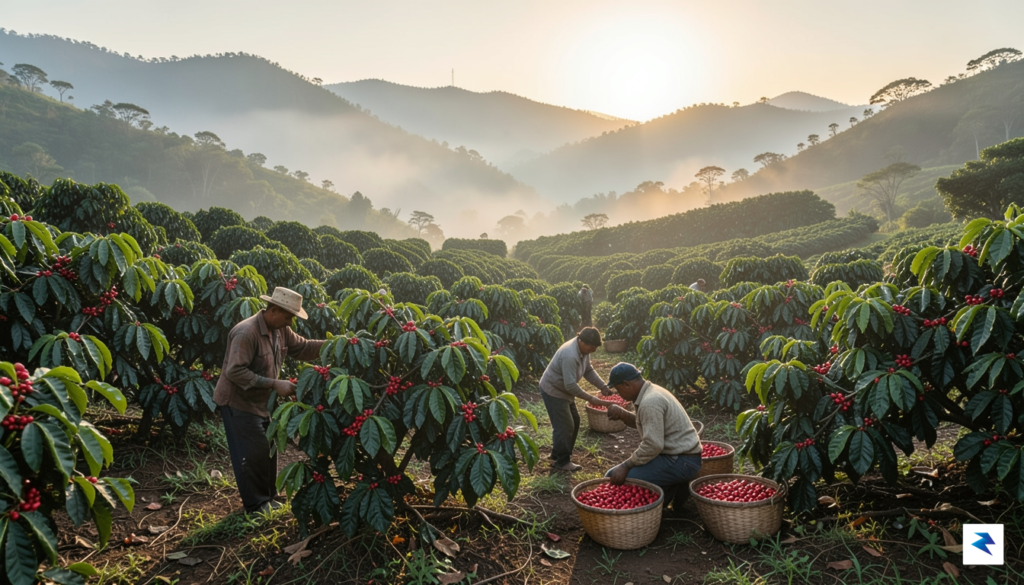
To understand the current volatility in the coffee market, one must recognize that Colombia is far more than just a leading producer; it is the fundamental backbone of the global high-quality Arabica trade. Unlike mass-market varieties that prioritize sheer volume, Colombian coffee is synonymous with the premium “milds” category, a classification that roasters worldwide rely on to balance their signature blends. The unique terroir of the Colombian Andes, characterized by high altitudes, volcanic soil, and a dual-harvest cycle, creates a bean with a consistent, bright acidity and complex flavor profile that is nearly impossible to replicate elsewhere. Because of this, global coffee roasters—from boutique shops to major international chains—view Colombian supply as a non-negotiable staple for maintaining product consistency.
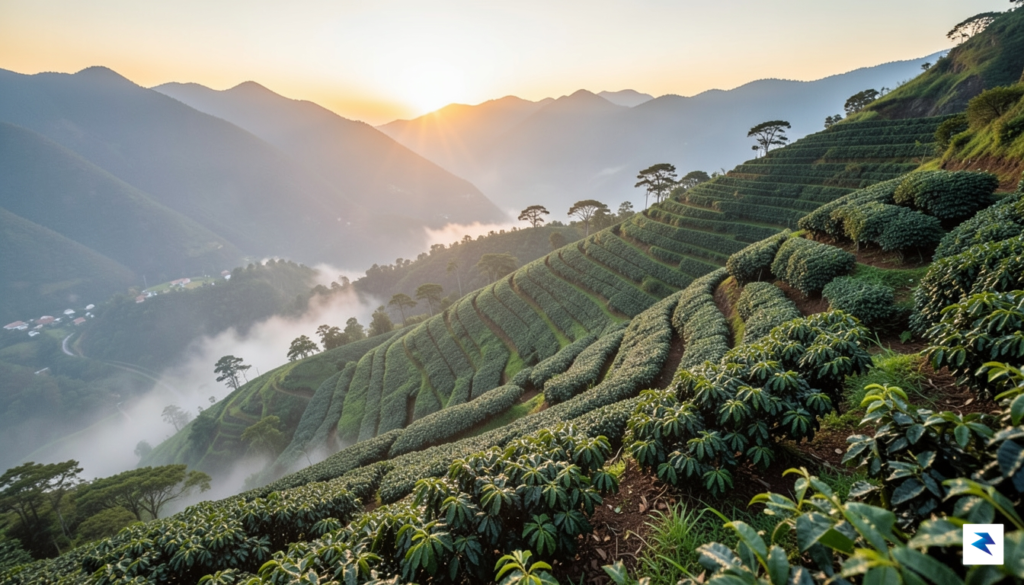
The logistics of moving this product from the rugged mountain slopes to U.S. ports is a marvel of agricultural supply chain management. Most Colombian coffee is grown on smallholder farms, requiring an intricate network of cooperatives and regional collection points that aggregate thousands of individual harvests into standardized export lots. Once processed, these beans flow through major transit hubs like the Port of Buenaventura before reaching North American shores, where they are immediately integrated into inventory pipelines. Because this supply chain is so finely tuned and operates on a “just-in-time” basis to preserve the freshness of the beans, even minor disruptions in the flow of goods—whether caused by logistical bottlenecks, labor shortages, or, in this case, tariff-related trade barriers—can trigger immediate supply shocks in U.S. markets.
Colombia’s production capacity acts as a natural stabilizer for the global coffee price index; when that supply is hindered, the entire market loses its primary anchor for quality and consistency.
The impact of Colombia’s output on the broader economy cannot be overstated. As one of the world’s largest exporters of washed Arabica, Colombia functions as the primary price-setter for the high-end segment of the market. When Colombian exports are threatened by trade disputes, the scarcity of high-grade beans forces roasters to compete for a dwindling supply, which inevitably drives up the price of the benchmark Arabica futures contracts. This ripple effect moves quickly from the commodities exchange floor to the price tags in your local grocery store aisle and the cost of a daily latte at your favorite cafe. Ultimately, the stability of the global coffee industry is tethered to the health of the Colombian harvest, making any uncertainty in this region a matter of immediate concern for every link in the global coffee value chain.

When headlines scream about record-breaking Arabica futures on the commodity exchanges, it is easy to assume that the price of your morning latte will double by tomorrow morning. However, the relationship between the global trading pit and your local barista’s cash register is rarely a direct, real-time reflection. Commodity futures represent highly volatile financial instruments traded by speculators, hedge funds, and multinational exporters looking to hedge risk months in advance. For the average consumer, these daily market swings are heavily buffered by a complex supply chain that absorbs, delays, and sometimes entirely neutralizes short-term price spikes before they ever reach the retail shelf.
To understand why your bag of whole-bean coffee does not immediately fluctuate with the daily news cycle, one must examine the intricate “farm-to-cup” cost structure. The raw green coffee bean actually represents only a fraction of the final retail price—often estimated at just 10% to 15% of what you pay at a specialty cafe. The remaining portion of that cost is consumed by an array of downstream expenses, including international shipping, customs clearance, roasting, packaging, local warehousing, and the substantial overhead of running a brick-and-mortar storefront. Consequently, even if the raw commodity price of Arabica doubles overnight, the baseline operational costs of roasting, brewing, and serving that coffee remain relatively stable.
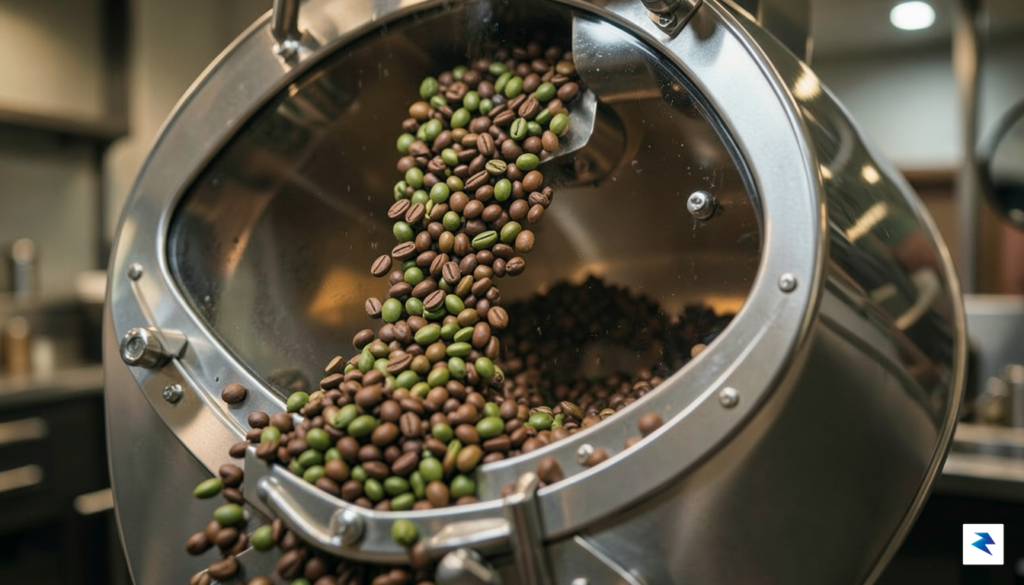
While raw bean prices capture public attention, broader macroeconomic pressures like localized labor shortages, rising energy costs, and fluctuating transportation fees play a far more significant role in long-term retail pricing. For instance, the maritime shipping sector has faced its own share of volatility, meaning the physical act of moving heavy containers of coffee across oceans can sometimes cost more than the beans themselves. Additionally, local cafes and roasters are constantly grappling with rising wages and commercial rent inflation, which squeeze profit margins far more consistently than wholesale commodity spikes. When a cafe finally decides to raise its prices by fifty cents, it is usually a delayed response to these compounding operational realities rather than a knee-jerk reaction to a single day of volatile trading.
Furthermore, coffee roasters employ sophisticated buying strategies to insulate themselves—and their customers—from sudden market shocks. Most established roasters rarely buy their coffee on the immediate “spot” market where daily price spikes occur; instead, they secure their inventory months or even years in advance through forward contracts. By locking in prices with exporters and cooperatives ahead of time, roasters can maintain consistent pricing structures even during geopolitical disputes or sudden tariff threats. This forward-buying buffer means that while a sudden diplomatic spat might send shockwaves through the futures market today, the coffee being roasted and bagged this week was likely paid for at a predetermined rate long before the headlines hit.
While Wall Street reacts to daily political friction and supply chain anxiety, the real price of your coffee is anchored by long-term roasting contracts and the physical costs of local retail.

The global coffee market finds itself at a pivotal juncture, marked by unprecedented volatility that has recently pushed prices for beloved Arabica beans to record highs. This surge isn’t merely a fleeting blip; it reflects a complex interplay of factors, from lingering supply chain disruptions exacerbated by the pandemic to significant climate events impacting key growing regions. Furthermore, evolving international trade dynamics, including tariff disputes between major players, have added layers of uncertainty, creating a challenging environment for producers, distributors, and consumers alike. Understanding these underlying currents is crucial for anyone seeking to navigate the swirling waters of the coffee industry in the years to come.
Predicting the precise trajectory of coffee prices is an exercise in futility, akin to forecasting the weather months in advance. However, several critical indicators offer insights into potential future trends. Stakeholders, from large-scale importers to local roasters and home brewers, would do well to keep a close eye on these macro-economic and environmental forces, as they significantly influence both supply availability and pricing structures on a global scale.
Perhaps the most profound long-term threat to coffee supply stems from climate change. Major coffee-producing nations are increasingly vulnerable to extreme weather patterns, including prolonged droughts in regions like Brazil, excessive rainfall in Colombia, and devastating frosts that can wipe out harvests for years. These climatic shifts not only reduce yield but also degrade bean quality, increase susceptibility to pests and diseases, and force farmers to adapt rapidly or face economic ruin. The industry’s ability to develop and implement climate-resilient farming practices, such as shade-grown coffee and drought-resistant varieties, will be paramount in securing future supplies.
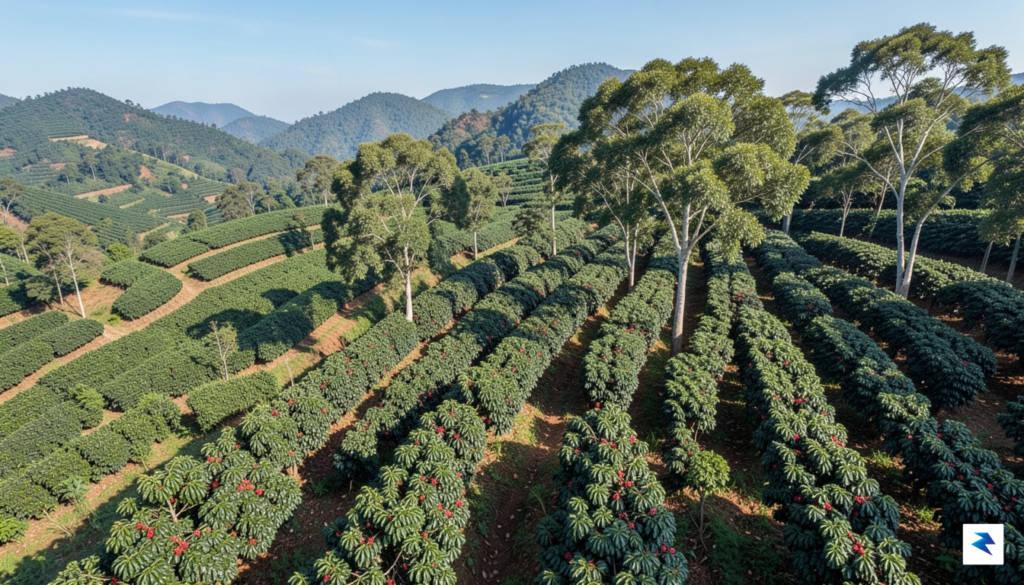
The intricate web of international trade agreements and national policies plays a substantial role in market stability. Recent tariff disputes and changes in trade relations between major coffee-producing and consuming countries have demonstrated their immediate impact on pricing and market access. Such policy shifts can disrupt established supply routes, increase import costs, and create barriers that ultimately trickle down to the consumer. Monitoring negotiations, bilateral agreements, and any proposed changes to trade tariffs is essential for anticipating shifts in global coffee flow and pricing.
For a commodity traded globally, currency exchange rates wield significant power. Coffee is typically priced in U.S. dollars, meaning fluctuations in the dollar’s strength against the currencies of producing nations directly affect both farmers’ incomes and importers’ costs. A stronger dollar can make coffee cheaper for U.S. buyers but reduce the local currency earnings for farmers, potentially disincentivizing production or investment. Conversely, a weaker dollar can raise import costs but boost farmer profitability, influencing future planting decisions and supply volumes.
For coffee enthusiasts and businesses, staying informed means looking beyond the headlines. Engage with reputable agricultural news outlets, subscribe to market analysis reports from international coffee organizations, and follow economic indicators closely. Understanding the journey of your coffee, from farm to cup, empowers you to make more informed purchasing decisions. Consider exploring how different regions are affected by global events, which can also lead to discovering new and resilient coffee origins.
Ultimately, the long-term stability of the coffee market hinges on sustainability and equity. Supporting fair trade initiatives, direct trade relationships, and brands committed to environmental stewardship can help mitigate future volatility. These practices empower farmers with better prices, promote sustainable agricultural methods, and build more resilient supply chains that are better equipped to withstand climate shocks and economic pressures. By investing in a more sustainable and equitable coffee ecosystem today, we can collectively help ensure that this cherished beverage remains accessible and affordable for generations to come, fostering both economic stability and environmental health across the coffee belt.
You must be logged in to post a comment.