How to Build Advanced macOS Shortcuts Using AI Right Now
The Evolution of macOS Automation For decades, automating a Mac felt like an exclusive club reserved for those who possessed a natural…
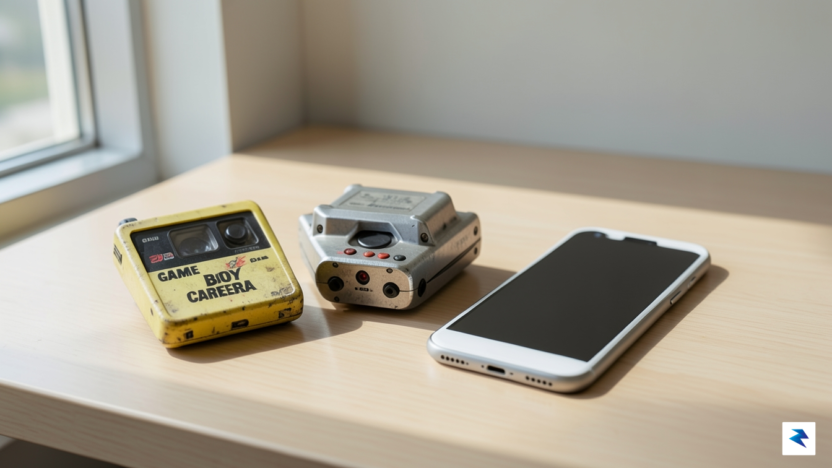
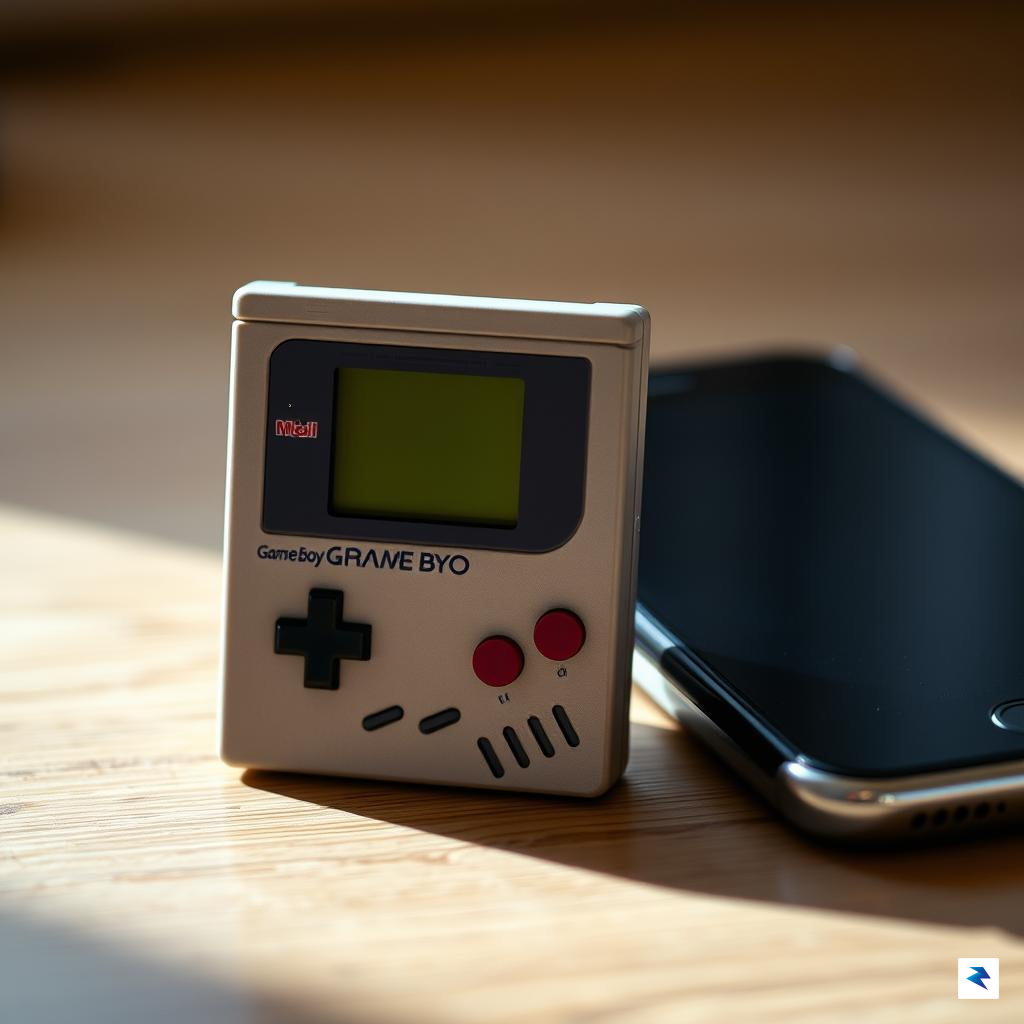
When the Game Boy Camera hit shelves in 1998, it was widely regarded as a quirky, experimental toy rather than a serious photographic instrument. With its minuscule 128×112 pixel resolution and a stark palette limited to just four shades of grayscale, it captured imagery that felt more like a digital impressionist painting than a crisp snapshot of reality. Despite—or perhaps because of—these severe technical limitations, the peripheral became a cult classic, cherished by a generation of gamers who found endless creative potential in its low-fidelity charm. It forced users to embrace the “glitch aesthetic” long before it became a ubiquitous trend in modern digital art, cementing its status as an iconic relic of the late 90s.
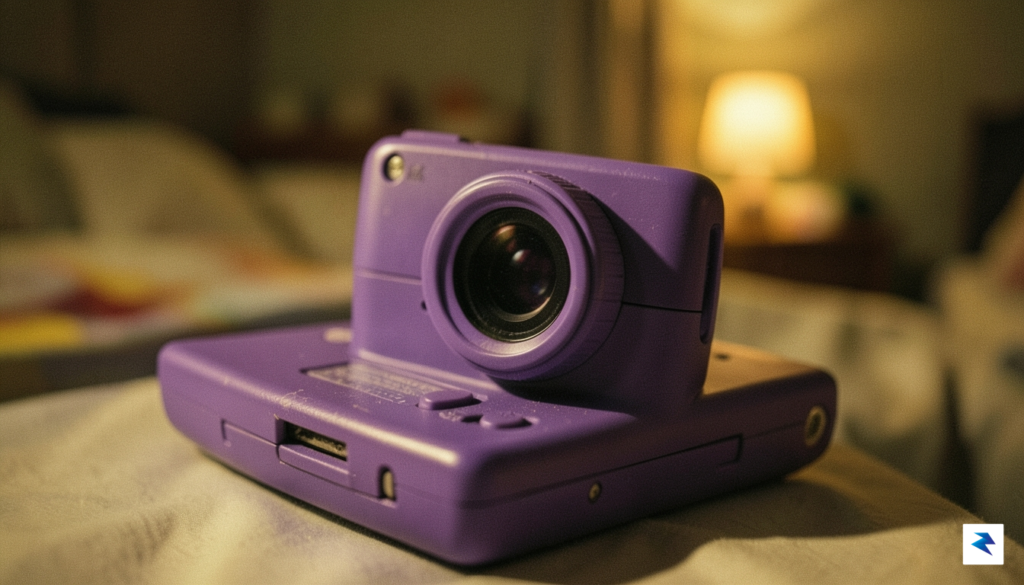
For decades, accessing the photos trapped inside these cartridges felt like an archeological endeavor, often requiring obscure hardware or complex emulator setups that alienated the average user. That all changed with the arrival of the Epilogue GB Operator, a sleek, modern device that acts as a bridge between the analog past and the high-definition present. By allowing users to interface their original Game Boy cartridges directly with modern smartphones and computers, the GB Operator has transformed the Game Boy Camera from a dusty shelf-piece into a functional, portable, and surprisingly relevant tool for today’s content creators. It effectively strips away the barriers of entry, inviting a new audience to explore the raw, pixelated beauty of 90s handheld technology.
The charm of the Game Boy Camera isn’t in its clarity, but in its character; it reminds us that true creativity often flourishes best within the tightest of constraints.
This resurgence is about more than mere nostalgia; it is a celebration of the unique “lo-fi” look that modern smartphone sensors—with their billions of colors and AI-enhanced sharpening—simply cannot replicate. When you feed a 128×112 image into a modern smartphone, the contrast between the vintage hardware and the high-resolution display creates a striking visual irony. By integrating these retro snapshots into our current digital ecosystems, we are reclaiming the tactile, intentional nature of photography from an era before the “shoot first, edit later” mentality of the smartphone age took hold. Whether you are a long-time enthusiast or a curious newcomer, the ability to port these grainy, gray-scale memories into your phone is a fascinating way to blend the heritage of gaming with the limitless connectivity of the modern age.
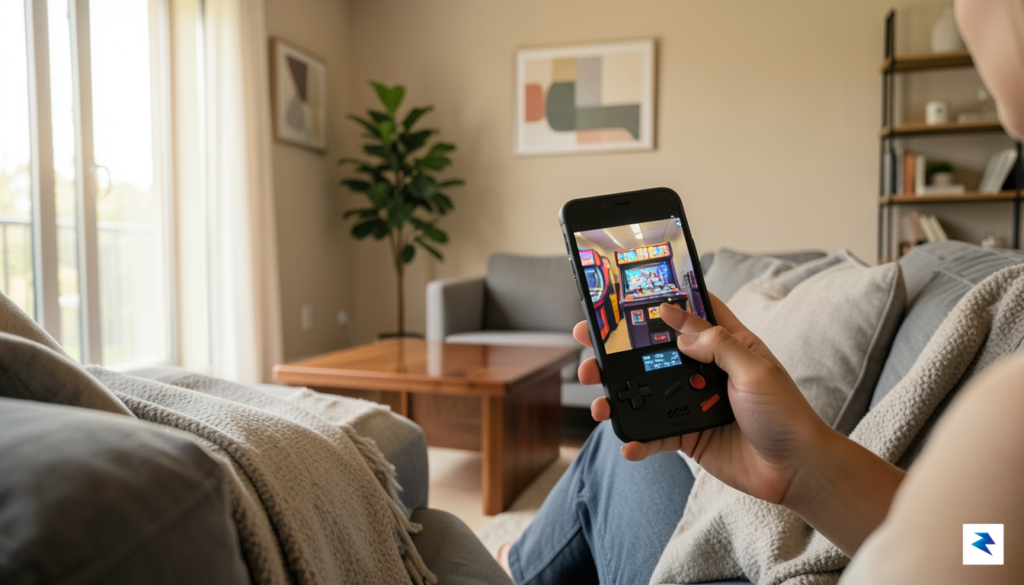
For years, the Game Boy Operator stood as a stationary bridge between retro hardware and modern computing, requiring users to remain tethered to their desks to interact with their classic cartridges. While this was a revolutionary way to preserve saves and play titles on a PC, it inherently limited the Game Boy Camera’s potential as a genuine photography tool. The magic of the original 1998 hardware was its portability, allowing photographers to capture low-fidelity, monochromatic memories on the go. By finally breaking the shackles of the desktop environment, the latest mobile integration transforms the Operator from a mere archival device into a practical, pocket-sized creative companion.
The significance of this shift cannot be overstated for creators who crave the authentic “lo-fi” aesthetic of the 128×112 pixel sensor. Previously, if you wanted to capture a scene with the Game Boy Camera, you were forced to save the image to the cartridge’s limited internal memory and wait until you were back at a computer to export it. This workflow created a significant disconnect between the act of shooting and the ability to share or edit the results. Now, with mobile compatibility, the process becomes instantaneous and fluid. You can connect your device, snap a photo, and immediately preview it on your smartphone’s high-resolution screen, effectively bringing the camera into the modern era without losing its unique, grainy charm.
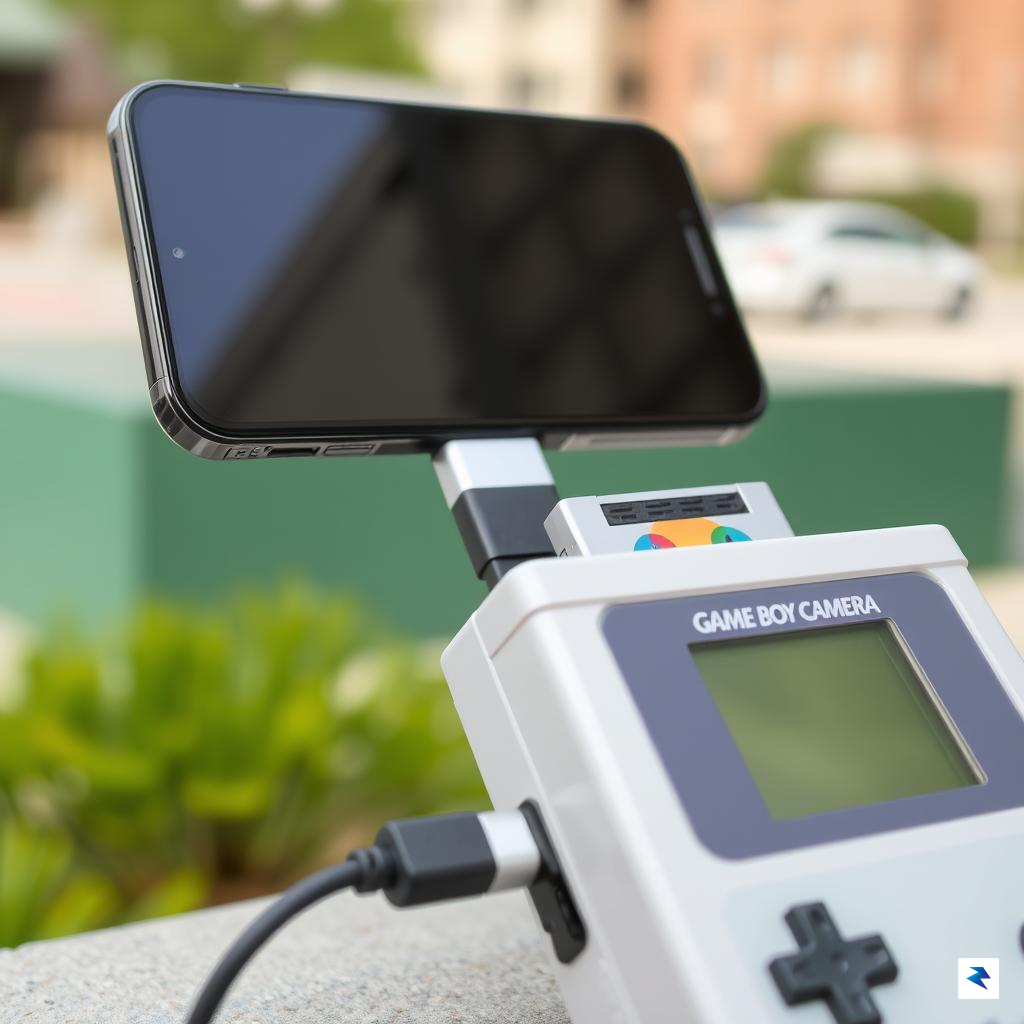
This newfound mobility encourages a more spontaneous approach to retro photography. By eliminating the need for a dedicated workstation, users are free to take their Game Boy Camera into the wild, treating it like a specialized lens for their smartphone rather than a relic of the past. Whether you are documenting street life or experimenting with the camera’s quirky, built-in digital effects, the ability to dump your photos directly to a phone means you are no longer limited by the cartridge’s storage capacity. You can effectively shoot indefinitely, treating your mobile device as an infinite digital negative folder.
The transition to mobile connectivity effectively restores the Game Boy Camera to its original purpose: an accessible, portable creative device that just happens to be fueled by 1990s technology.
Ultimately, this update is about reclaiming the joy of experimentation. When you remove the barrier of tethered hardware, the Game Boy Camera stops being an object of preservation and starts being an active part of your daily creative workflow. It invites a new generation of hobbyists to embrace the limitations of the hardware—such as its fixed focus and limited color palette—not as obstacles, but as intentional artistic choices. By bridging the gap between a 25-year-old peripheral and the smartphone currently in your pocket, the ecosystem has finally matured, making retro photography more accessible and fun than ever before.
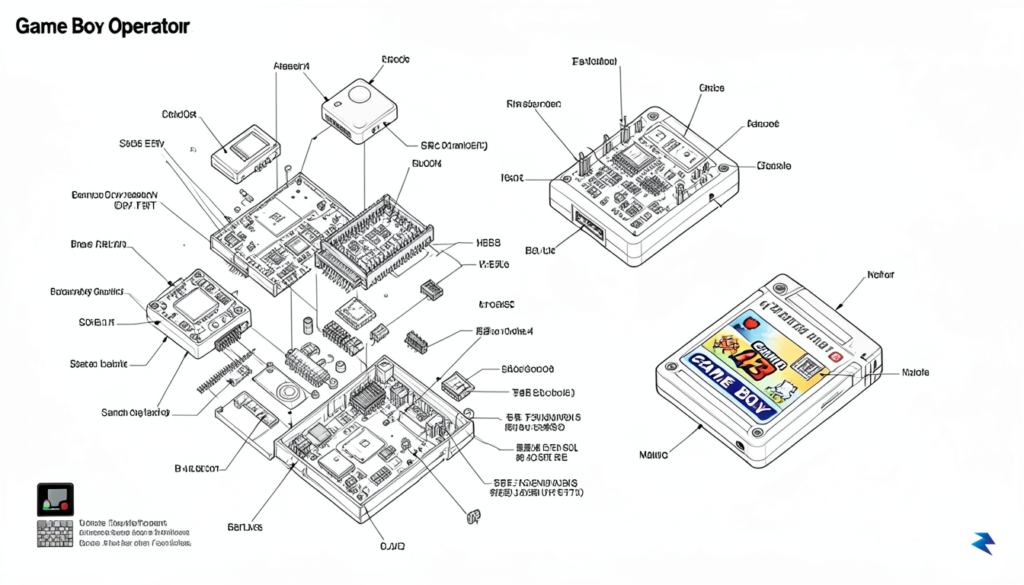
At the heart of this bridge between the 1998 hardware and your pocket-sized smartphone lies the GB Operator, a sophisticated piece of interface hardware that acts as a high-fidelity translator. Rather than relying on the aging, power-hungry circuitry of a physical Game Boy console, the Operator creates a direct pipeline between the silicon of the vintage cartridge and the processing power of a modern mobile device. By utilizing a standard USB-C connection, the device bypasses the limitations of legacy handheld hardware entirely, effectively treating the Game Boy Camera cartridge like a specialized external storage drive. This interface essentially keeps the cartridge’s internal memory awake and accessible, allowing for a steady stream of data to flow into your phone without the bottlenecks traditionally associated with emulated environments.
Once the connection is established, the process of data extraction begins in real-time. The GB Operator reads the raw hexadecimal data directly from the camera’s memory bank, a process that is remarkably efficient despite the vast generational gap between the technologies. Because the original Game Boy hardware stored images in a proprietary, uncompressed format, the software on your smartphone must perform the heavy lifting of interpretation. It scans the raw binary patterns and maps them against the specific 2-bit grayscale color palette that defined the aesthetic of the 90s. By reassembling these pixel arrays on the fly, the accompanying mobile application turns what would otherwise be unintelligible strings of data into the distinctively gritty, high-contrast images that enthusiasts have grown to love.
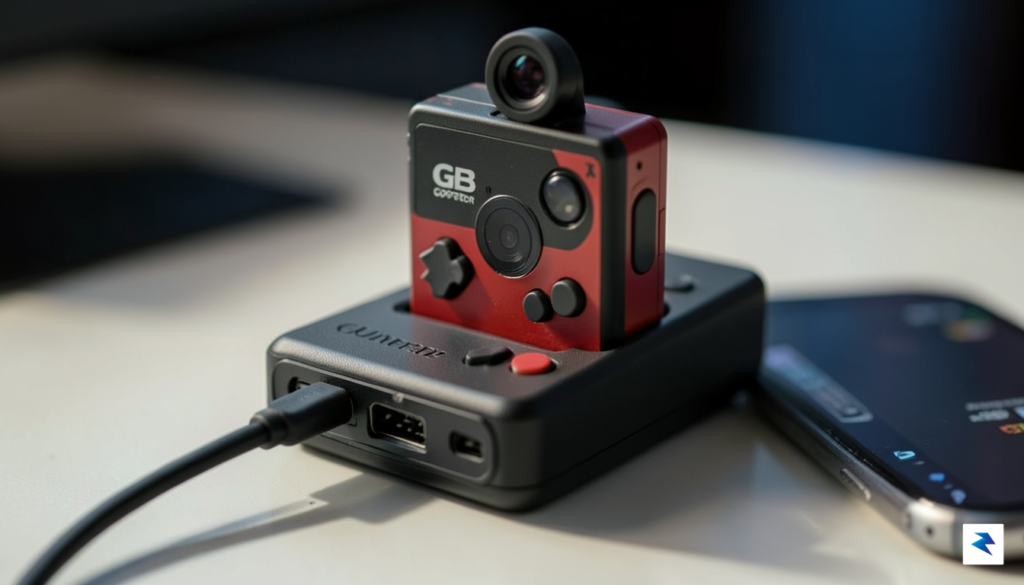
The final step in this technical chain involves transcoding this reassembled data into modern, shareable image formats like JPEG or PNG. While the original camera output was limited to a 128×112 resolution, the software uses sophisticated interpolation to scale these images for contemporary high-definition displays. This ensures that the iconic, pixelated charm of the original output remains intact while becoming fully compatible with social media platforms and modern photo galleries. By stripping away the need for the original handheld system, this method not only preserves the longevity of the physical hardware but also democratizes access to retro digital art. It turns the entire process into a seamless plug-and-play experience that transforms a relic of gaming history into a modern creative tool.
The true ingenuity of this process lies in its ability to treat a thirty-year-old game cartridge as a living data source, translating its unique visual language for a new generation of digital creators.
Ultimately, this interaction represents a perfect harmony between analog nostalgia and digital convenience. By maintaining the raw, authentic data stream from the cartridge while leveraging the advanced rendering capabilities of modern Android and iOS devices, users are able to experiment with vintage photography without the frustrations of degraded hardware. The software handles the complex heavy lifting of format conversion, leaving the user to focus solely on the aesthetic of their shots, proving that even the most outdated technology can find a permanent home in the modern mobile ecosystem.
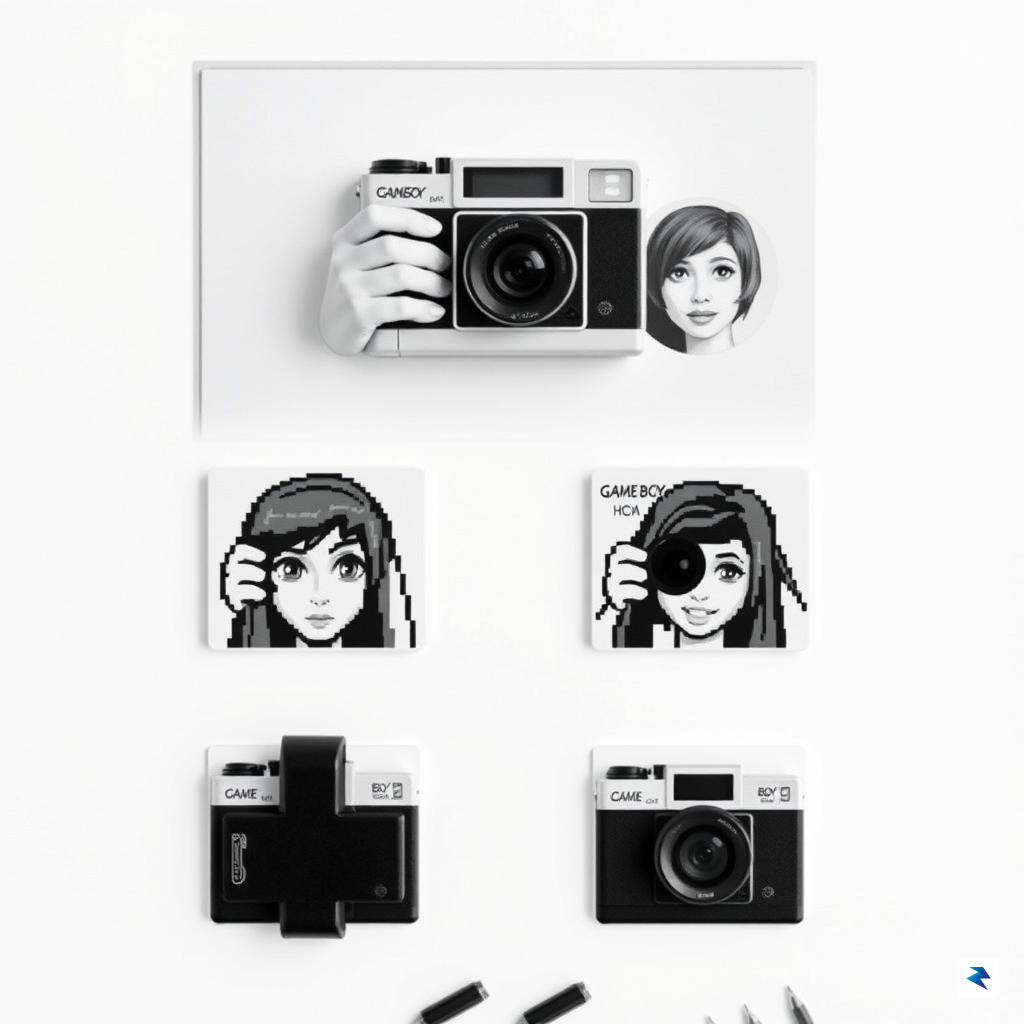
In a world dominated by ultra-high-definition sensors, computational photography, and sophisticated AI algorithms that automatically smooth away imperfections, our visual landscape has become increasingly homogeneous. We are surrounded by images that are technically flawless, yet often lack a distinct human soul or a unique textural signature. This paradox of perfection is exactly why the “charmingly awful” aesthetic of the 1990s-era Game Boy Camera has seen such a significant resurgence. By stripping away the ability to capture fine detail or accurate color, this hardware forces the photographer to focus on composition, lighting, and shadow in its most primal, binary form.
The modern smartphone camera experience is defined by hidden layers of post-processing. When you snap a photo today, your device is simultaneously stacking multiple exposures, sharpening edges, and adjusting white balance to ensure the resulting image is as “correct” as possible. Conversely, the Game Boy Camera—with its 128×112 pixel resolution and four-shade grayscale palette—offers no such crutches. It provides a raw, unfiltered interpretation of reality that modern software filters, despite their best efforts, often fail to emulate with true authenticity. The digital noise, the stuttering refresh rate, and the crushing compression of the CMOS sensor create a tactile “retro” texture that feels genuinely earned rather than mathematically applied.
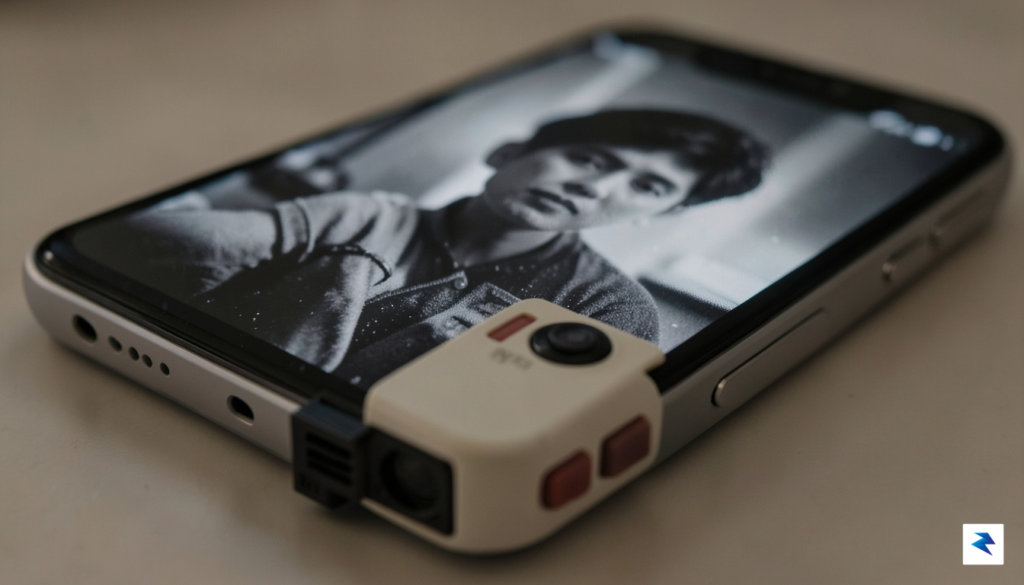
The beauty of lo-fi technology lies in its constraints; when the device cannot capture every detail, the artist is forced to capture the essence of the moment instead.
Creators are increasingly seeking out these hardware constraints as a form of creative liberation. When you remove the pressure to produce a magazine-quality image, you eliminate the anxiety of “getting the shot” perfectly. Instead, you enter a space of playfulness where the limitations of the medium become the subject of the art itself. This shift in perspective transforms the act of photography from a clinical recording of reality into an interpretive performance. By embracing the blocky, jagged edges of the Game Boy Camera, photographers are reclaiming a sense of intentionality, proving that sometimes, the most compelling images are the ones that leave the most to the viewer’s imagination.
Ultimately, the enduring appeal of this aesthetic is a reaction against the sterile, hyper-real output of contemporary mobile photography. We have reached a point where reality is often indistinguishable from a rendered simulation, leading to a cultural fatigue that yearns for the tactile and the imperfect. The Game Boy Camera serves as a bridge to a simpler, more tactile era of digital creation, reminding us that photography is fundamentally about capturing a feeling rather than just a collection of pixels. By integrating this vintage hardware into a modern workflow, we aren’t just taking pictures; we are participating in a deliberate act of stylistic rebellion.
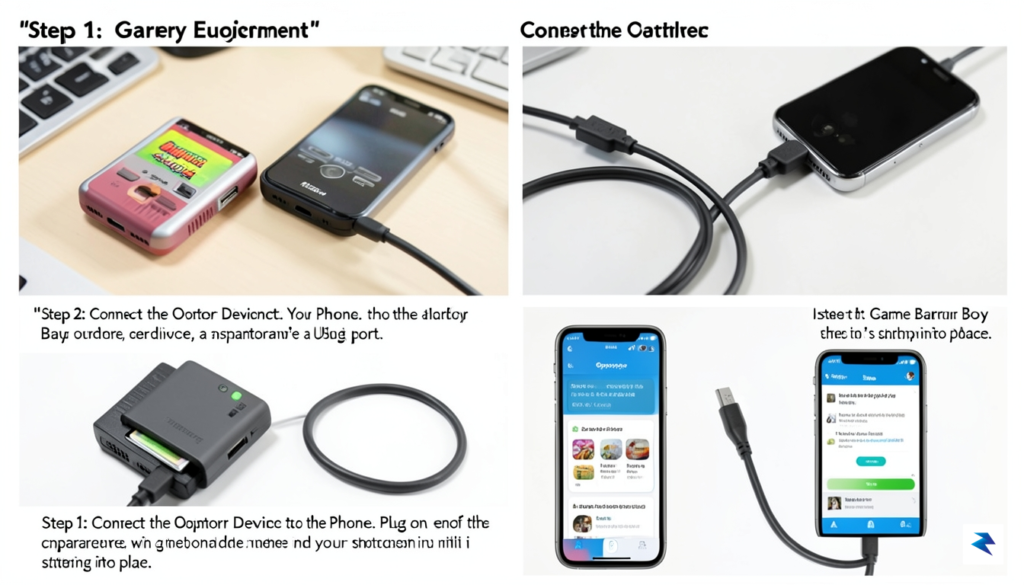
Embarking on the journey of turning a 25-year-old game cartridge into a functional mobile camera is surprisingly straightforward, provided you have the right gear. At the heart of this setup is the GB Operator, a versatile device that bridges the gap between classic Game Boy cartridges and modern hardware. You will need your original Game Boy Camera cartridge, a high-quality USB-C to USB-C cable (or the appropriate adapter for your specific smartphone model), and a smartphone that supports USB On-The-Go (OTG) functionality. Once these components are gathered, the physical connection is as simple as plugging the cartridge into the Operator and linking the device to your phone’s charging port.
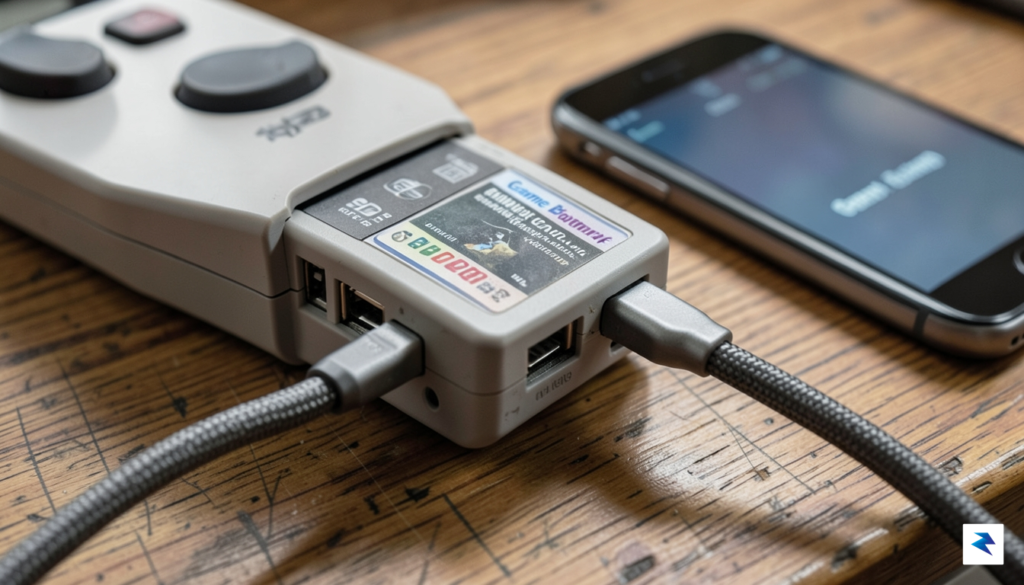
After physically linking your devices, the software configuration is the next critical step. You will need to access the web-based interface or dedicated application provided by the hardware manufacturer, which acts as the digital viewfinder for your vintage hardware. Simply open your preferred mobile web browser—Chrome or Safari usually perform best—and navigate to the operator’s interface URL. Upon granting the necessary permissions for USB device access, the browser will recognize the cartridge, allowing you to stream the live feed directly from the camera’s low-resolution sensor to your phone screen. This process effectively bypasses the limitations of the original handheld console, granting you a much larger and clearer display for composing your shots.
Once you have a stable connection, you may encounter minor hurdles common with legacy hardware. If the feed fails to appear or displays a flickering image, ensure your smartphone’s battery is sufficiently charged, as the GB Operator draws power directly from the port, which can occasionally strain older devices. If connectivity persists as an issue, try swapping your USB cable for a data-certified one, as standard charging cables often lack the necessary bandwidth to transmit video data. Furthermore, remember that the Game Boy Camera was never designed for modern lighting conditions; the sensor is notoriously sensitive to high contrast.
To achieve the most authentic aesthetic, lean into the limitations: seek out environments with high-contrast shadows and silhouettes rather than trying to capture perfect, high-dynamic-range landscapes.
When you are ready to capture, keep in mind that the software allows you to save these images directly to your phone’s gallery as digital files. Unlike the original experience, which was trapped inside a tiny monochrome screen, you can now instantly share these grainy, 128×112 pixel masterpieces on social media or edit them with modern filters. Experiment with the “dithering” effects available in the capture menu to see how different light sources affect the iconic, gritty look of the 1998 hardware. By combining a modern mobile interface with this nostalgic sensor, you transform a relic of the past into a powerful tool for experimental, lo-fi photography.

The movement to bridge the gap between legacy peripherals like the Game Boy Camera and contemporary smartphones represents far more than a simple novelty or a fleeting trend in retro tech. By engineering ways to interface 1990s hardware with modern mobile ecosystems, creators and developers are actively participating in the essential work of digital archaeology. This initiative transforms obsolete, dust-gathering cartridges into functional creative tools, ensuring that the unique aesthetic of early digital photography is not lost to time. When we keep these vintage devices alive, we are essentially maintaining a direct line to the formative years of portable gaming culture, allowing new generations to experience the specific constraints and artistic charm of 8-bit imaging.
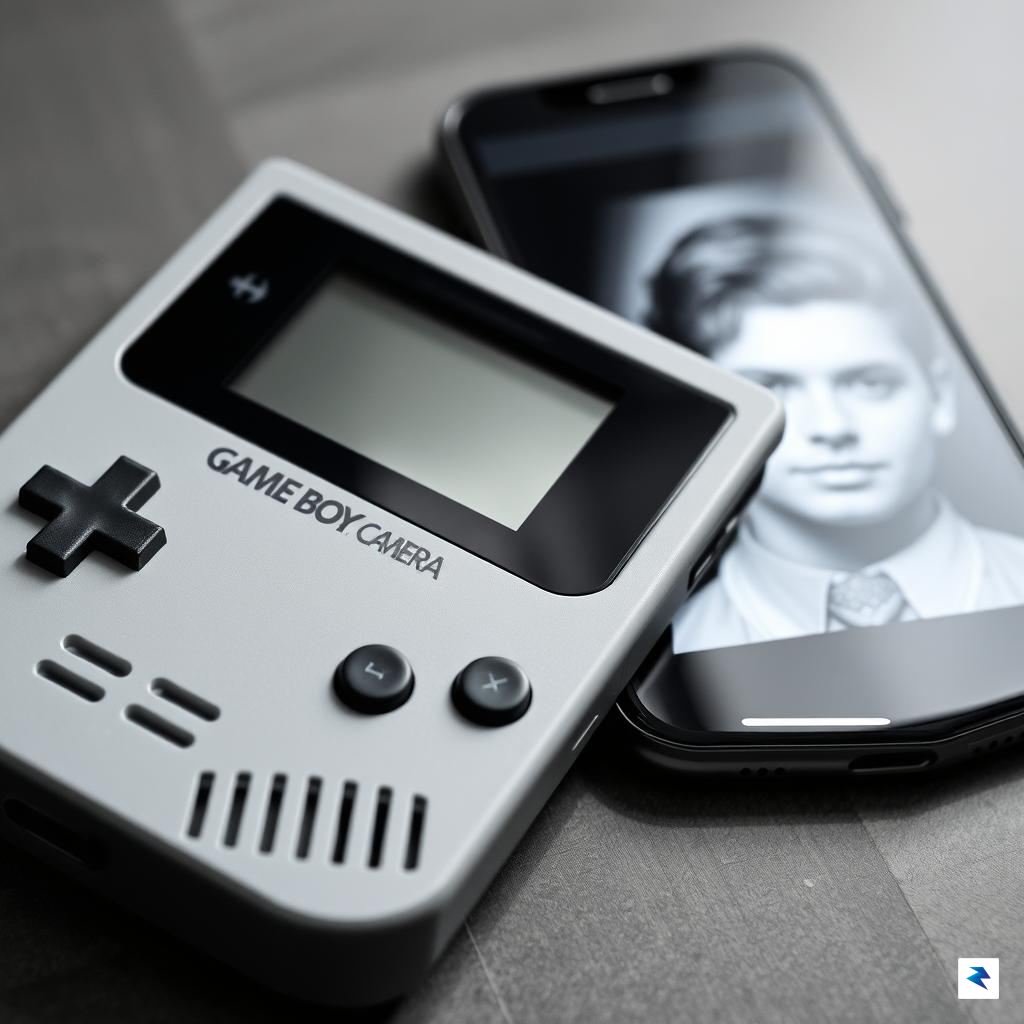
Third-party hardware innovators, such as the team at Epilogue, play a pivotal role in this preservation ecosystem by creating the necessary bridges between disparate technological eras. Their efforts prove that “obsolete” hardware often suffers from a lack of connectivity rather than a lack of utility. By developing adapters that allow cartridges to interface with modern software, these developers do more than just facilitate a fun project; they advocate for the longevity of physical media. This culture of preservation is vital because it prevents proprietary gaming history from becoming inaccessible as older consoles inevitably succumb to hardware failure or component degradation.
The true value of hardware preservation lies in its ability to democratize access to the past, turning abandoned relics into relevant instruments for modern creative expression.
Furthermore, the intersection of nostalgia and modern utility serves as a powerful reminder that technology does not have to be linear. We often fall into the trap of believing that the latest gadget must render all its predecessors useless, but the resurgence of the Game Boy Camera demonstrates that limitations can be a source of profound inspiration. When we integrate these old-school components into our current workflows, we are not merely looking backward; we are expanding the creative toolkit of the present. Ultimately, these projects ensure that our digital heritage remains a living, breathing part of the tech landscape, proving that hardware—much like the art it helped create—can endure long after its initial commercial life cycle has ended.
You must be logged in to post a comment.