
Turn Your Smartphone Into a 90s Camera: The Game Boy Camera Guide
Introduction: The Retro Renaissance of the Game Boy Camera When the Game Boy Camera hit shelves in 1998, it was widely regarded as a quirky,…
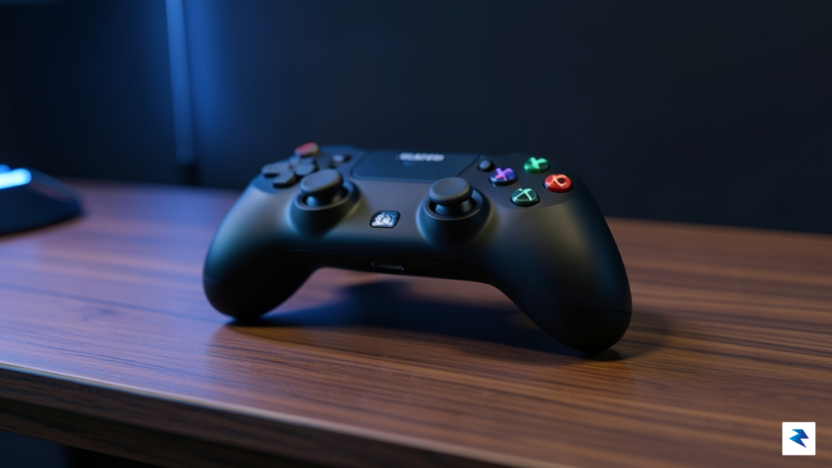
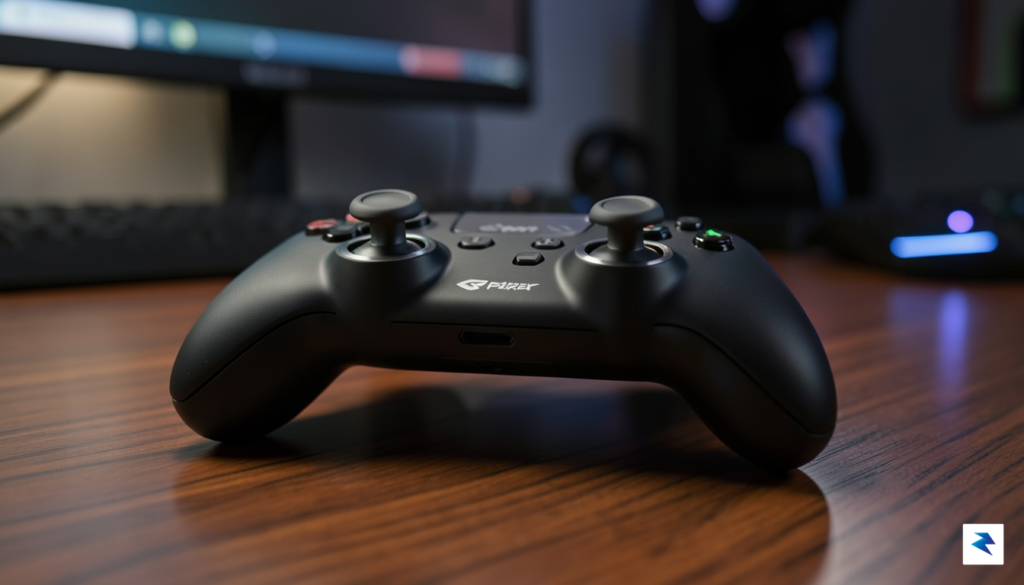
For years, the original Steam Controller lived in a strange, liminal space within the gaming community, often dismissed as a failed experiment upon its 2015 release, only to evolve into a revered cult classic. Its unique trackpads and unconventional ergonomics were ahead of their time, offering a level of customization that modern gamepads still struggle to replicate. As Valve’s hardware ecosystem expanded through the Steam Deck, the desire for a refined, purpose-built successor grew from a quiet murmur into a deafening roar. When rumors of a revival began to circulate, the anticipation reached a fever pitch, signaling that the market was not just ready for a new iteration, but actively starving for the specific utility that only this controller could provide.
However, the transition from nostalgic longing to tangible hardware has hit a severe logistical bottleneck. Valve’s latest reservation update has sent shockwaves through the enthusiast community, as delivery estimates have drifted into the distant horizon of late 2026 and well into 2027. This isn’t merely a minor delay; it represents a fundamental misalignment between the immense, viral consumer demand and the realities of modern global supply chains. For those who rushed to secure a pre-order, the realization that they might be waiting several years for a piece of plastic and circuitry is a sobering reminder that even the most influential companies are not immune to the complexities of large-scale manufacturing.

This unprecedented backlog marks a significant shift in how Valve approaches its hardware rollouts. Previously, the company managed its hardware releases with a degree of measured, invite-only exclusivity that kept expectations—and shipping queues—tightly controlled. By opening the floodgates to a much wider audience this time around, Valve has inadvertently highlighted the sheer scale of the Steam Deck’s success, which has clearly created a halo effect that the company may not have fully anticipated. The 2027 shipping window serves as a testament to the fact that hardware production remains an unforgiving discipline, requiring a delicate balance between engineering innovation and the brutal logistics of global distribution.
The extended shipping timeline suggests that Valve is prioritizing quality and manufacturing stability over rapid market saturation, signaling a move toward a more cautious, long-term hardware strategy.
Ultimately, the current situation leaves potential buyers in an awkward position, balancing the excitement of technological progress against the frustration of a multi-year wait. Whether this prolonged period of anticipation will heighten the value of the device or lead to consumer fatigue remains to be seen. What is certain, however, is that the industry is watching closely; the way Valve navigates this supply chain crisis will likely set a new precedent for how major players manage the lifecycle of high-demand peripheral hardware in an increasingly volatile global market.
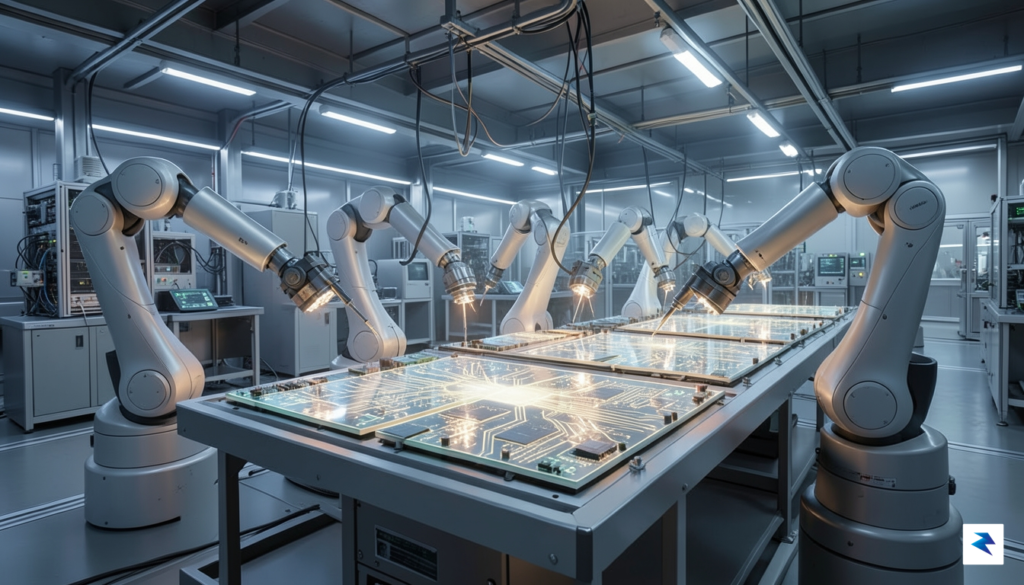
The astonishing prospect of waiting until 2027 for a Steam Controller order isn’t merely a tale of overwhelming demand; it’s a stark illustration of the intricate, often fragile, modern manufacturing landscape. Behind those distant shipping dates lies a complex puzzle, pieced together by global component sourcing challenges, shifting manufacturing capacities, and strategic decisions within Valve itself. The world of electronics production has undergone seismic shifts since the original Steam Controller first debuted, transforming what was once a relatively straightforward process into a high-stakes logistical tightrope walk.
At the heart of many contemporary electronics delays, including those impacting the Steam Controller, is the persistent global shortage of semiconductors. These tiny, yet indispensable, chips are the brains of nearly every electronic device, from smartphones and cars to gaming peripherals. While the Steam Controller might not require the cutting-edge, high-performance semiconductors found in a Steam Deck or a top-tier GPU, it still relies on a variety of specialized microcontrollers, memory chips, and power management units. The global supply chain for these components has been severely strained, leading to extended lead times and increased costs, even for older or less complex chip designs. Manufacturers, facing capacity constraints, often prioritize larger orders for more current, high-profit devices, pushing smaller or legacy product lines further down the queue.
Beyond general-purpose semiconductors, the Steam Controller also boasts several highly specialized components that contribute to its unique user experience. Its haptic actuators, precision trackpads, and intricate internal layout demand custom or semi-custom parts that aren’t readily available off-the-shelf. The manufacturing of these specialized elements often involves a limited number of dedicated suppliers, each with its own production schedules, material sourcing challenges, and quality control processes. If even one of these crucial, bespoke components faces a bottleneck – perhaps due to a raw material shortage, a labor issue at a specific factory, or a sudden surge in demand from other industries – the entire assembly line for the Steam Controller grinds to a halt, regardless of how many other parts are ready.
This situation also prompts questions about Valve’s manufacturing philosophy for the Steam Controller. Is their seemingly conservative approach a deliberate strategic choice designed to avoid costly overproduction and inventory waste, especially for a niche peripheral? Or is it a more reactive stance, forced by current global trade conditions and their prioritization of other, more critical products like the highly successful Steam Deck, which likely shares some underlying component types and manufacturing resources? It’s plausible that Valve is balancing the desire to fulfill demand with the practicalities of a lean production model, aiming to produce only what they can reliably ship while navigating a volatile supply chain. This balance could lead to smaller, more frequent production runs that are more susceptible to external disruptions.
Ultimately, the projected 2027 shipping dates for some Steam Controller orders underscore the complex interplay of technical and logistical factors in modern manufacturing. It’s not simply a matter of Valve flipping a switch and producing more units; it involves navigating a labyrinth of global supply chains, securing specialized components, competing for manufacturing capacity in a constrained market, and making strategic decisions about product prioritization. The delays serve as a powerful reminder that even for seemingly established products, the journey from factory to consumer is fraught with unseen challenges in today’s interconnected, yet often fragmented, global economy.

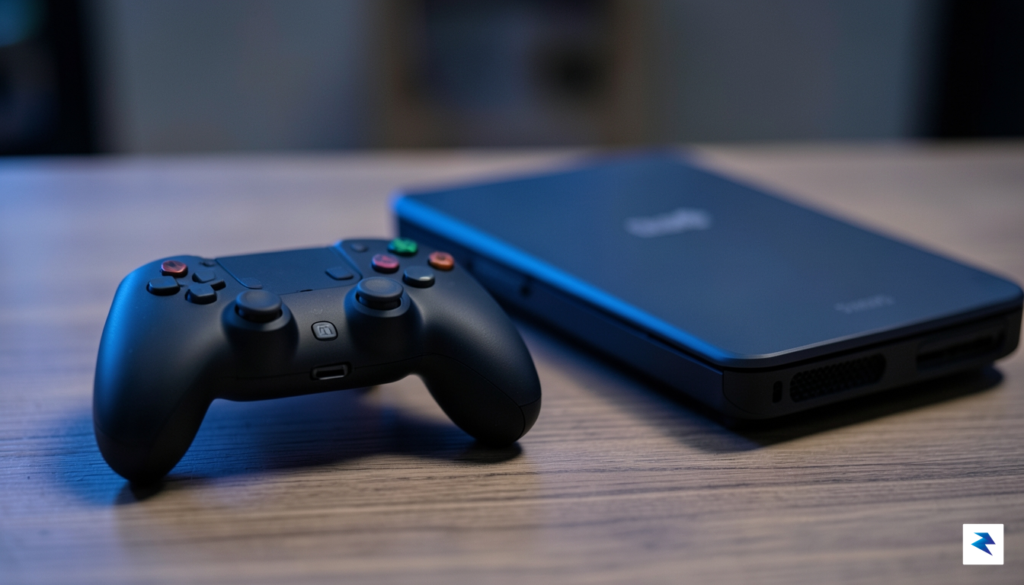
The unprecedented surge in interest for this hardware can largely be traced back to the “Steam Deck effect.” When Valve successfully bridged the gap between console convenience and PC versatility, they effectively revitalized the entire ecosystem of their proprietary peripherals. Users who have grown accustomed to the ergonomic comfort and input flexibility of the Steam Deck are now looking backward, rediscovering the Steam Controller as the missing piece of their living room setups. This newfound appreciation for Valve’s hardware design language has transformed a device once considered a niche experiment into a highly coveted accessory for the modern PC gamer.
Beyond the immediate halo effect of the Steam Deck, there is a profound psychological component driving this backlog: the allure of the unique trackpad input system. For a dedicated segment of the gaming population, the Steam Controller remains the gold standard for playing strategy and simulation games on a couch. The precision of the dual trackpads, combined with the haptic feedback systems that Valve pioneered, provides an experience that traditional dual-stick controllers simply cannot replicate. Because this specific input philosophy is so distinct from the industry-standard Xbox or PlayStation layouts, enthusiasts feel a sense of urgency to secure a unit before the technology becomes a relic of the past.
The scarcity of the Steam Controller has inadvertently turned a functional peripheral into a collector’s item, creating a “must-have” fervor that Valve likely underestimated when they opened the latest round of reservations.
Furthermore, nostalgia plays a significant role in this market frenzy. Many gamers missed their chance to experience the controller during its original, turbulent release window, and they are now eager to rectify that perceived oversight. This collective desire to own a piece of “PC gaming history” has created a feedback loop where the long wait times actually serve to validate the device’s importance. When a product is projected to be out of stock for years, it ceases to be just another peripheral and instead becomes an aspirational object. Valve is currently dealing with the paradoxical reality that their own hardware’s reputation has grown significantly more than their manufacturing capacity, leaving them to manage a massive queue of fans who are willing to wait until 2027 just to hold a piece of the future—or perhaps, a perfected version of the past.

If you find yourself staring at an estimated delivery date stretching into 2027, it is easy to feel a sense of frustration regarding the current state of hardware production. Valve’s decision to provide these granular windows—ranging from September 2026 to the far reaches of 2027—serves as a double-edged sword for the consumer. On one hand, this transparency allows you to plan your gaming budget accordingly, knowing exactly how long your current peripherals will need to soldier on. On the other hand, it forces a difficult confrontation with the reality of supply chain constraints that continue to plague niche enthusiast hardware. Understanding where you fall within this timeline is the first step toward deciding whether your spot in the queue is worth the wait or if you should seek an alternative path.
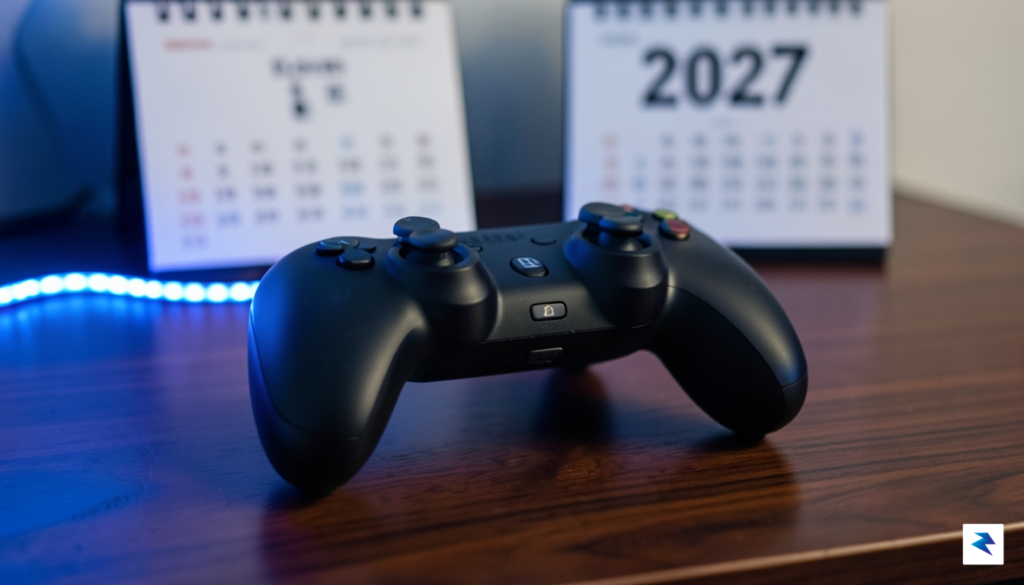
For those currently assigned a late 2026 or early 2027 shipping window, the best course of action is to carefully weigh the unique value proposition of the hardware against the rapidly evolving market of third-party controllers. If you are a die-hard enthusiast who prioritizes the specific ergonomic layout and the proprietary trackpad integration that only this device offers, holding your reservation is almost certainly the correct move. By keeping your spot, you are essentially insulating yourself from the predatory practices of secondary-market scalpers. Valve’s reservation system is specifically designed to prioritize genuine users over automated bots, ensuring that when the units are finally produced, they reach the hands of players rather than warehouses of resellers looking to inflate prices.
The core value of the current reservation system lies in its ability to gatekeep against scalping, ensuring that patience is rewarded with MSRP pricing rather than a mark-up.
Conversely, if you find the wait time untenable, you are not without options. The controller market is currently experiencing a renaissance of high-end, customizable alternatives that can bridge the gap while you wait for your reservation to mature. Many players are opting to utilize a “wait and see” approach: maintaining their existing reservation while investing in a stop-gap controller that fulfills their current needs. If your reservation date eventually arrives and you no longer require the device, the process to cancel or modify your order is straightforward and carries no penalty. Ultimately, remaining in the queue is a low-risk commitment that keeps your options open, provided you are willing to manage your expectations regarding the long-term timeline of modern hardware manufacturing.
The extended wait times for new Steam Controller orders, stretching years into the future, are not merely a logistical hiccup but rather a telling indication of Valve’s distinct, long-term hardware strategy. Unlike many tech giants driven by quarterly earnings and rapid product cycles, Valve operates with a singular focus on cultivating a robust, integrated ecosystem. This deliberate pacing suggests a fundamental shift away from conventional, supply-strained launches, instead prioritizing sustainable growth and deeply considered product development. It reflects a company comfortable with playing the long game, understanding that enduring impact often stems from meticulous execution rather than fleeting market dominance.
This strategic patience, however, profoundly reshapes Valve’s relationship with its most dedicated users and the broader PC gaming community. While immediate availability is often a key factor for consumer satisfaction, Valve appears to be banking on the trust and anticipation built by delivering polished, well-supported products. By avoiding the pitfalls of rushed releases and subsequent consumer disappointment, Valve is setting a precedent for how a platform holder can interact with its user base: not as transient customers, but as partners in an evolving ecosystem. This approach fosters a community that values quality and longevity, even if it means exercising considerable patience for new hardware innovations.
Indeed, this measured philosophy is poised to influence Valve’s future hardware endeavors significantly. For instance, the inevitable successor to the highly successful Steam Deck is unlikely to follow an annual refresh cycle common in the smartphone or console market. Instead, we can anticipate that Valve will take its time, allowing the current Steam Deck to mature fully through software updates and community feedback, before launching a new iteration that offers substantial, meaningful advancements. This ensures that each hardware generation feels truly impactful, rather than just an incremental upgrade designed to meet an arbitrary release schedule. It’s about engineering significant leaps forward that genuinely enhance the user experience.
Similarly, this strategy will almost certainly extend to Valve’s ventures into virtual reality and other potential peripherals. Rather than rushing new VR headsets or input devices to market to capture fleeting trends, Valve will likely continue its tradition of meticulous development, focusing on deep integration with its software platforms and a seamless user experience. The Valve Index, for example, has enjoyed a prolonged lifecycle, benefiting from continuous software refinement and a focus on premium performance over mass-market accessibility. This methodical approach allows Valve to innovate without the immense pressure of constant, rapid iteration, fostering an environment where truly groundbreaking hardware can emerge.
Ultimately, the multi-year backlog for the Steam Controller serves as a clear signal of Valve’s enduring hardware philosophy. It’s a testament to their commitment to quality, ecosystem integrity, and a user-centric approach that prioritizes long-term satisfaction over short-term sales spikes. For consumers, this means that while waiting for Valve hardware might test one’s patience, the eventual reward is typically a product that is robust, thoughtfully designed, and deeply integrated into the Steam ecosystem, solidifying Valve’s unique position as a hardware innovator in the PC gaming landscape.
You must be logged in to post a comment.