
OKX and MetaMask Join Forces to Build Legal Framework for AI Agents
The Rise of Autonomous AI Agents in Finance The financial landscape is undergoing a radical metamorphosis as artificial intelligence…


For over two decades, the United States Army has operated under the comforting luxury of a permissive logistical environment. During the Global War on Terror, the primary challenge of supply was not the threat of enemy interdiction, but the sheer geographic distance of the mission. Soldiers could rely on near-total air superiority, secure supply routes, and established bases that functioned with the efficiency of a corporate warehouse. In this era, logistics were effectively invisible; the “iron mountain” of supplies arrived on schedule, unimpeded by serious enemy fire. This long-term operational ease has fostered a dangerous institutional assumption: that the U.S. military can project and sustain power anywhere on the globe without having to worry about the survival of the pipeline itself.
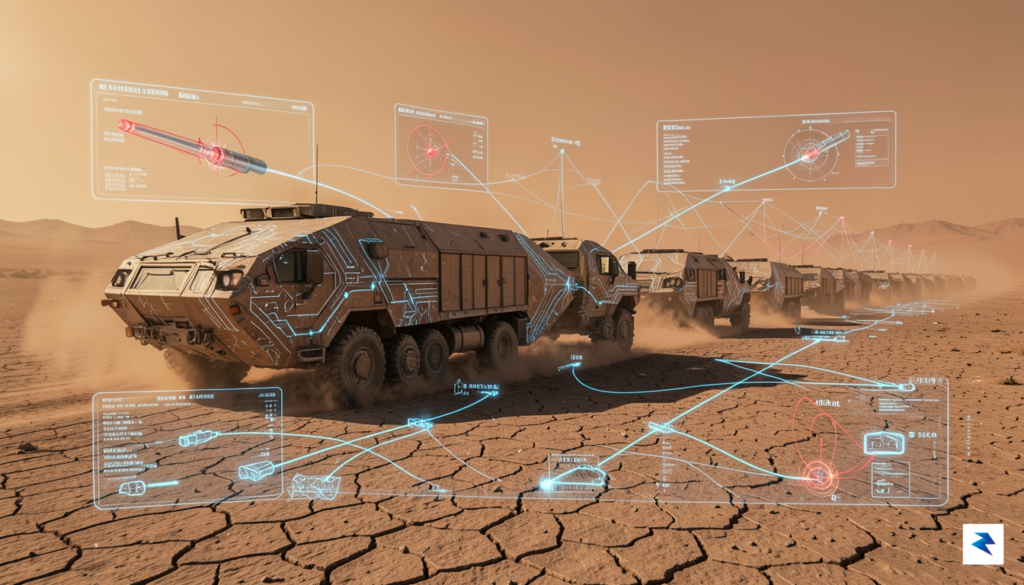
However, the transition toward a peer-level conflict against sophisticated adversaries shatters this illusion of dominance. Unlike insurgent forces, modern near-peer competitors possess the advanced intelligence, surveillance, and reconnaissance (ISR) capabilities necessary to map and target the very arteries of our military strength. These adversaries have studied our logistical tail for years and have developed “anti-access/area-denial” strategies specifically designed to sever our supply lines at their most vulnerable points. The assumption that we can operate with impunity in the rear, or that our vast logistical footprint will remain undisturbed, is a strategic blindness that ignores the harsh realities of high-intensity, multi-domain warfare.
The reliance on a hyper-efficient, centralized logistical system creates a “glass backbone”: it is technically brilliant and remarkably lean, but it possesses zero tolerance for impact.
This “glass backbone” metaphor serves as a warning for what happens when a system optimized for peace is thrust into a chaotic, contested theater. Our current logistical infrastructure relies on massive, concentrated hubs and a digital architecture that prizes speed and just-in-time delivery over resilience and redundancy. While this model is perfect for keeping costs low and operations lean during routine deployments, it is catastrophically brittle when faced with a determined enemy. In a peer-level fight, every major port, fuel depot, and supply route will be under constant threat from long-range precision fires, cyberattacks, and electronic warfare. If we fail to harden this infrastructure and decentralize our distribution networks, we risk a scenario where the backbone of our military power shatters at the very moment it is needed most, leaving our frontline forces stranded without the ammunition, fuel, and medical support required to survive.
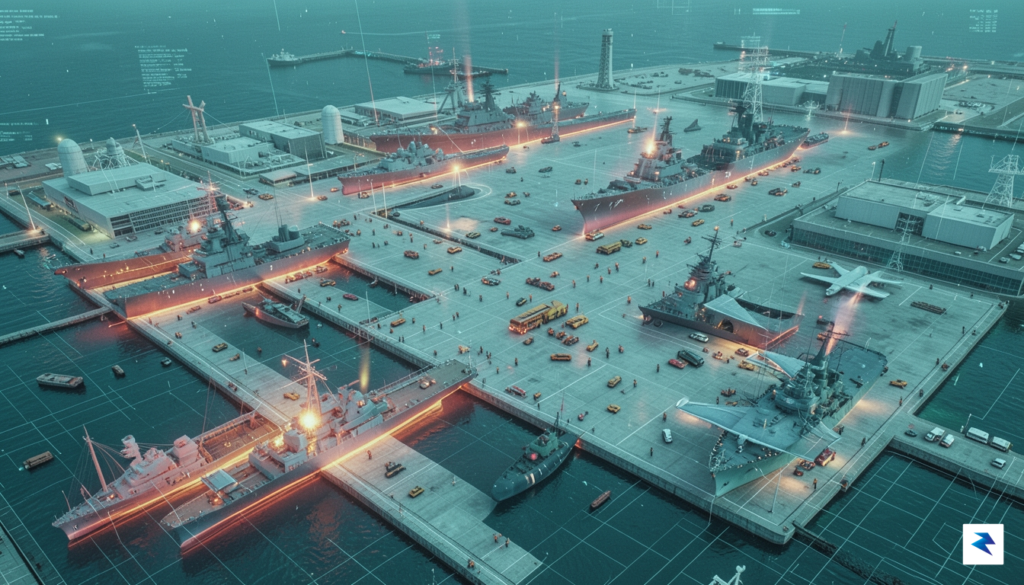
For decades, the United States Army operated under the assumption that the “rear area” was a sanctuary, a safe haven where massive supply depots—often referred to as “iron mountains”—could be safely aggregated to feed the front lines. This logistical philosophy relied on the luxury of air superiority and the absence of a peer adversary capable of reaching deep behind the forward edge of the battle area. However, the emergence of sophisticated anti-access/area-denial (A2/AD) capabilities has rendered this outdated model not just obsolete, but profoundly dangerous. Today, long-range precision fires, hyper-accurate cruise missiles, and persistent loitering munitions mean that any concentrated stockpile of fuel, ammunition, or spare parts is essentially a target waiting to be liquidated within minutes of its discovery.
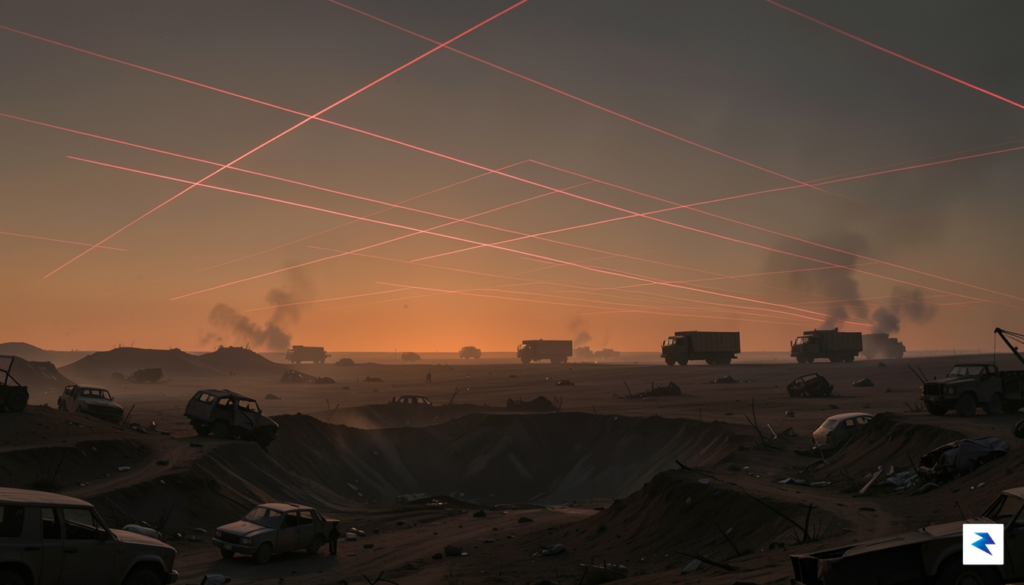
The ubiquity of modern surveillance technology has effectively stripped away the veil of invisibility that once protected logistical tail elements. With low-cost commercial satellites, high-altitude long-endurance drones, and advanced cyber-reconnaissance tools, adversaries can now track supply movements in near-real-time. There is nowhere left to hide mass. When a logistical node is identified, it is no longer hit by chance; it is systematically dismantled by precision-guided munitions that can strike from hundreds of miles away. Consequently, the traditional “pull” system of logistics, which relies on large-scale warehousing, has become a strategic liability that invites catastrophic attrition before a single soldier even engages the enemy.
The era of the “iron mountain” is over; in a high-intensity conflict against a near-peer adversary, the side that remains static is the side that loses its sustainment capacity.
To survive in this high-threat environment, the military must pivot toward the concept of distributed logistics. This approach demands that supplies be broken down into smaller, highly mobile packets that are constantly in motion, preventing the enemy from finding a lucrative target worth the cost of a precision strike. While conceptually sound, the shift to distributed logistics is exceptionally difficult to execute in practice. It requires a radical departure from centralized command structures and necessitates an unprecedented level of autonomy for junior sustainment officers. Furthermore, it places a massive burden on communication networks, which must remain resilient against electronic warfare and cyber-attacks that seek to sever the digital links between supply hubs and combat units.
Ultimately, the transition from a rigid, concentrated logistical backbone to a fluid, dispersed network is the only path forward, yet it remains a significant hurdle for an institution long accustomed to industrial-scale predictability. The battlefield is no longer divided into neat zones of combat and support; it is a singular, lethal expanse where sustainment is as much a part of the frontline as the infantry. Unless the Army can master the art of logistical agility—moving faster than the adversary’s kill chain can close—the “glass backbone” of modern warfare will inevitably shatter under the weight of the next major conflict.

Modern military power is often measured in terms of firepower, stealth, and electronic warfare capabilities, yet the true determinant of strategic success remains the ability to sustain forces across vast distances. For decades, the United States military has leaned heavily on global commercial shipping and civilian infrastructure to bridge the gap between domestic production and overseas theaters of operation. This reliance on commercial sea lines of communication (SLOCs) creates a precarious situation where the military’s reach is inextricably linked to the efficiency of the global economy. By outsourcing the logistics tail to civilian carriers, the Army has effectively traded sovereign control for operational convenience, assuming that these private networks will remain open and functional regardless of the geopolitical climate.
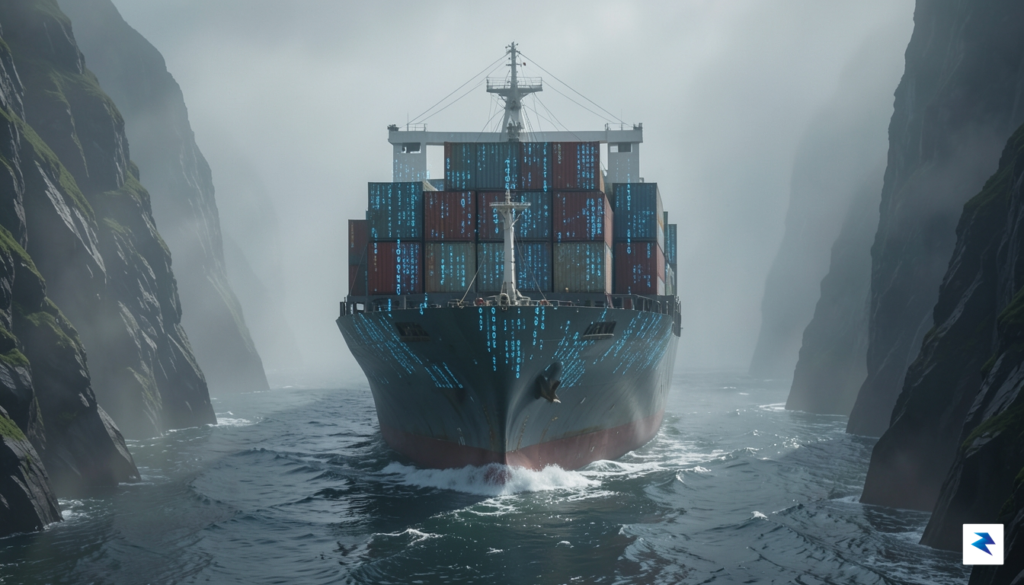
The core of this problem lies in the transition from a just-in-case inventory philosophy, which prioritizes stockpiles and surplus, to a just-in-time delivery model that emphasizes lean efficiency. In the civilian sector, this model is a marvel of optimization; however, in the context of a high-intensity peer conflict, it becomes a structural liability. Modern logistics rely on highly automated port operations, where digital scheduling systems and robotic cranes manage the flow of goods with surgical precision. If an adversary were to launch a sophisticated non-kinetic attack—such as a ransomware campaign or a systematic disruption of the industrial control systems governing these ports—the entire supply chain could grind to a halt in a matter of hours. The very technology that makes our supply chains fast also makes them brittle, as they lack the manual, analog redundancies that once allowed logistics networks to survive in the absence of centralized digital oversight.
The reliance on civilian infrastructure means that in a major conflict, the Army is not just fighting an adversary on the battlefield; it is competing with the global economy for access to the very ports, ships, and rail lines that are essential for national survival.
Furthermore, these long-range supply chains are funneled through critical maritime and terrestrial choke points that serve as massive single points of failure. Whether it is the narrow passage of a strategic canal or the concentrated congestion of a major container terminal, these nodes are inherently defensible only if the environment remains permissive. Adversaries are acutely aware of this, and they have developed strategies that target these bottlenecks through sabotage, asymmetric cyber warfare, or even the threat of kinetic blockade. By exploiting these choke points, a hostile actor does not need to sink every ship in the fleet to cripple the logistics effort; they only need to create enough chaos and uncertainty to force commercial carriers to pause their operations. Once the flow is disrupted, the downstream consequences—ranging from fuel shortages to the lack of precision-guided munitions—would ripple through the theater, leaving forward-deployed forces dangerously isolated and unable to sustain their momentum.
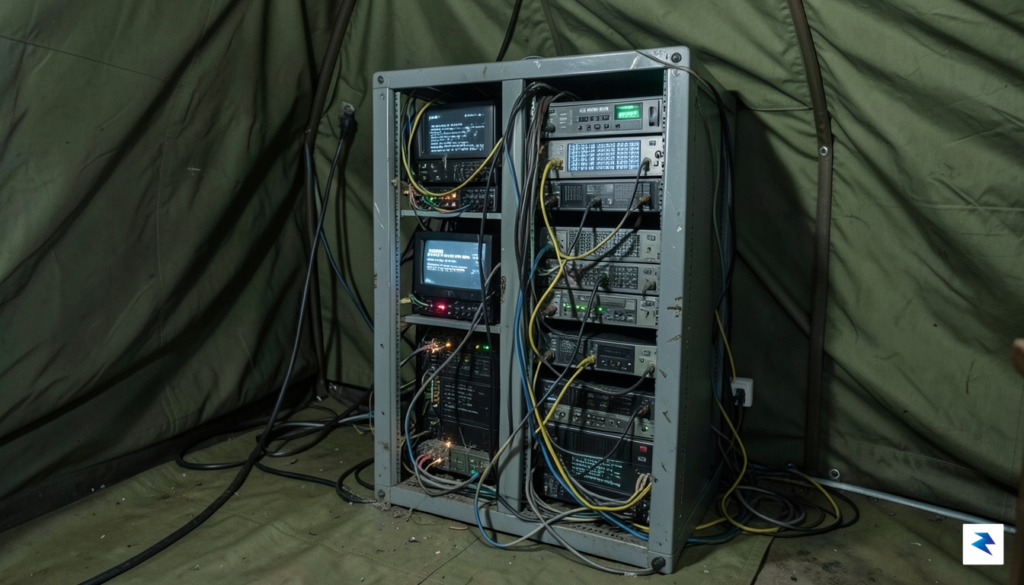
For decades, the United States Army has pursued a doctrine of “just-in-time” logistics, heavily leveraging digital optimization to slash overhead and increase efficiency. By centralizing inventory management through cloud-based platforms and satellite-linked tracking, the military has successfully reduced the physical footprint of supply depots. However, this pursuit of hyper-efficiency has inadvertently constructed a “glass backbone”—a system that appears sleek and perfectly calibrated in peacetime but possesses almost no structural integrity under the duress of a high-intensity conflict. When the digital architecture that governs the flow of fuel, ammunition, and rations is treated as infallible, the underlying physical requirements of war are often relegated to secondary concerns.
The core danger lies in the vulnerability of our centralized command and control systems to modern electronic warfare. Peer adversaries now possess the sophisticated capability to jam satellite communications and overwhelm GPS signals, effectively severing the tether between the supply chain and its digital brain. If a logistics unit relies entirely on a real-time, network-dependent interface to track its stock, the moment the connection is lost, that unit is effectively blinded. We have traded the messy, resilient reality of analog record-keeping for a brittle digital dependency, assuming that the theater of operations will always remain a permissive environment for our communication relays.
The irony of our current logistical posture is that we have optimized for a world where connectivity is guaranteed, while actively preparing for a war where connectivity is the first casualty.
To survive the next major conflict, the military must fundamentally pivot away from this fragile centralization and embrace the necessity of local autonomy. Forward-deployed units cannot afford to wait for instructions from a distant, server-reliant headquarters that may be suffering from its own signal degradation. Instead, logistics must be decentralized, empowering platoon and company leaders to manage their own resources based on local situational awareness rather than top-down data feeds. This requires a cultural shift in how we train our supply officers: they must be as proficient with paper ledgers and offline tactical planning as they are with software suites.
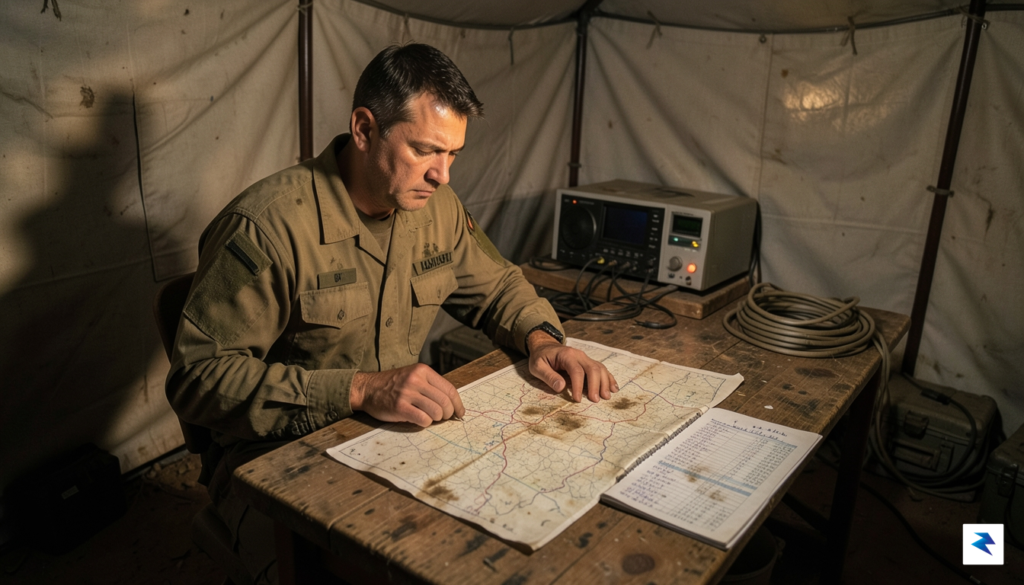
Ultimately, the goal is to build an “analog fallback” that functions regardless of whether the network is live or dormant. By integrating redundant manual systems into our standard operating procedures, we can ensure that if the glass backbone finally shatters, the logistics chain does not collapse with it. Resilience in war is not found in the speed of an algorithm, but in the ability of a unit to continue the fight when the lights—and the data streams—inevitably go dark.

To avoid a catastrophic collapse in the next major conflict, the Army must execute a radical pivot from the “efficiency-first” model that has defined its supply chain for decades. For years, the military prioritized lean, just-in-time logistics to save costs and reduce footprints, but this approach has inadvertently created a fragile, brittle “glass backbone.” In a high-intensity combat environment against a peer adversary, these centralized hubs will become primary targets for long-range precision fires, leaving frontline units stranded. Moving forward, the strategic imperative must be a transition to a “resilience-first” philosophy, where the architecture is intentionally designed to absorb, survive, and recover from severe disruption.
The solution lies in the adoption of micro-logistics and the rapid integration of additive manufacturing, or 3D printing, directly at the tactical edge. By moving away from massive, vulnerable warehouses, the Army can empower smaller, self-sustaining units to produce essential spare parts on-site, effectively reducing the need for a constant, predictable flow of supplies along perilous lines of communication. This shift toward decentralized production transforms the logistics chain from a single, breakable thread into a distributed network of capabilities. When combat units can manufacture components in the field, they are no longer tethered to the slow-moving, high-visibility convoys that the enemy is waiting to strike.
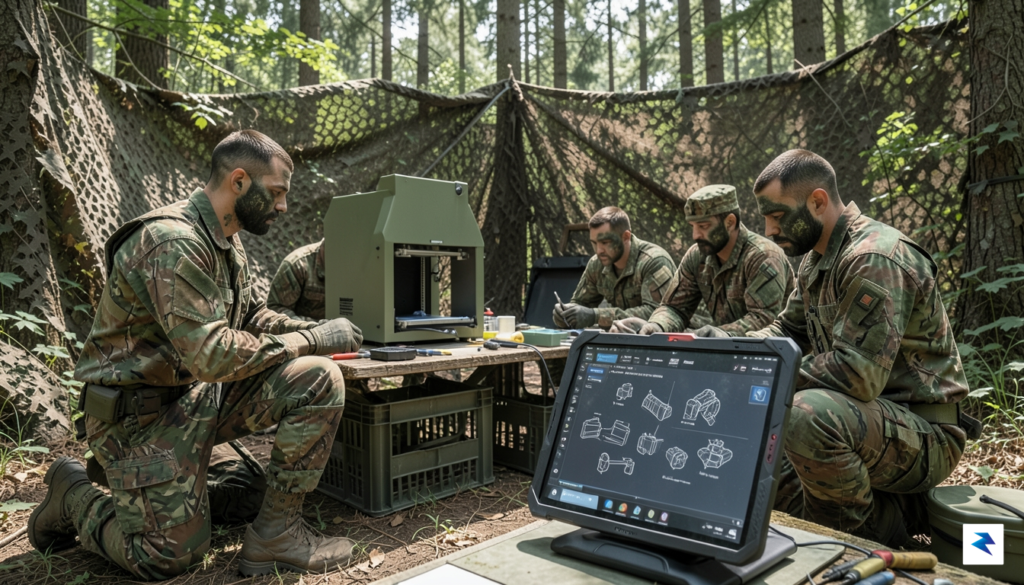
Furthermore, the Army must abandon the reliance on centralized, massive stockpiles in favor of hardened, dispersed supply caches. Distributing critical resources across a wide, non-linear geography makes it mathematically impossible for an adversary to neutralize the logistics network with a limited number of precision strikes. This dispersion must be coupled with a profound cultural shift that pushes decision-making authority down to the lowest levels. Junior leaders must be trained and empowered to manage, forecast, and distribute supplies in disconnected, contested environments where real-time guidance from higher headquarters may be impossible. Resilience is not merely a technical challenge; it is a behavioral one that requires trust and initiative at the squad and platoon level.
True resilience in modern warfare is measured by the ability to operate in isolation, transforming every unit into a self-sustaining node that contributes to the collective force rather than drawing from a central point of failure.
Ultimately, surviving the next war will require the Army to embrace redundancy as a fundamental strength rather than an inefficiency. By weaving together advanced manufacturing, decentralized stockpiling, and a culture of tactical autonomy, the force can replace its brittle backbone with a distributed, resilient nervous system. This transition will not be easy, as it challenges deep-seated bureaucratic habits and institutional preferences for centralized control. However, the cost of inaction is too high; if the logistics architecture remains rigid, the entire weight of the Army’s combat power will inevitably shatter under the pressure of modern, multi-domain conflict.
You must be logged in to post a comment.