
The Glass Backbone: Why Army Logistics Are Failing the Modern War Test
The Illusion of Logistical Supremacy For over two decades, the United States Army has operated under the comforting luxury of a permissive…


The landscape of generative artificial intelligence is evolving at an unprecedented pace, and Meta’s latest release, Muse Spark 1.1, stands as a testament to this rapid maturation. Building upon the foundational success of the original Muse framework—which pioneered parallel decoding for faster, more efficient image generation—this new iteration represents a strategic pivot toward broader, more accessible integration. By refining the underlying architecture, Meta has not only improved the fidelity and coherence of multimodal outputs but has also lowered the barrier to entry for developers who wish to harness state-of-the-art generative capabilities without managing massive, localized infrastructure.

A primary driver behind this release is Meta’s intentional shift toward an API-first philosophy. In previous years, the most powerful generative models were often relegated to closed research environments or required prohibitive computational power to implement effectively. Muse Spark 1.1 effectively democratizes these tools, offering a robust suite of endpoints that allow creators to embed high-quality multimodal synthesis directly into their existing software ecosystems. This transition is crucial because it moves the focus away from merely training larger models and toward creating practical, reliable pipelines that can be integrated into production-grade applications, ranging from automated design suites to real-time interactive media.
The true power of Muse Spark 1.1 lies not just in its individual image generation capabilities, but in its ability to serve as a high-speed, reliable backbone for complex, multimodal application workflows.
For developers and digital creators, the performance improvements in this version are immediately noticeable. By optimizing the tokenization process and enhancing latent space navigation, the model achieves a level of stylistic consistency that was previously difficult to maintain across long-form creative sessions. Furthermore, the improvements in latency mean that iterative workflows—where a creator tweaks a prompt or modifies a layer in real-time—are now significantly more fluid. By prioritizing both speed and high-fidelity output, Meta has ensured that Muse Spark 1.1 is not just a research curiosity, but a viable, high-performance engine capable of powering the next generation of creative software tools.
Beyond the raw technical specs, the integration of this updated framework into standard development cycles addresses the common bottleneck of context switching. Instead of moving assets between disparate tools, teams can now lean on a unified API to handle everything from initial conceptualization to final asset refinement. This streamlined approach minimizes technical debt while maximizing the creative potential of the end-user. As the industry continues to prioritize multimodal functionality, the significance of a stable, accessible, and high-speed framework like Muse Spark 1.1 cannot be overstated; it provides the scaffolding necessary to build a more intuitive and responsive creative future.
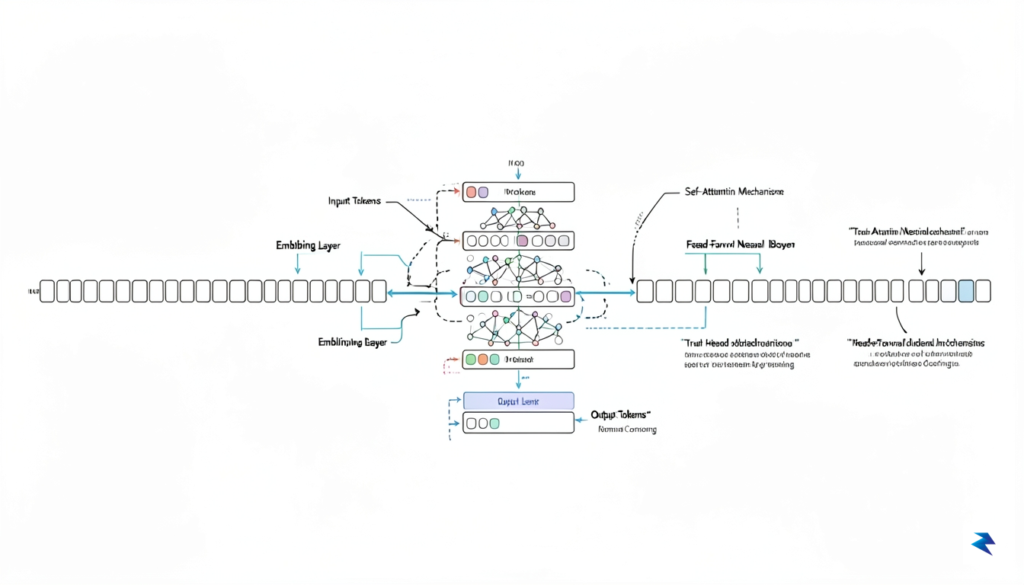
At the heart of Muse Spark 1.1 lies a refined transformer architecture that fundamentally shifts how multimodal models process and synthesize information. By moving beyond traditional monolithic structures, this version introduces a modular attention mechanism that allows the system to weigh visual and textual inputs with greater nuance. This architectural evolution is not merely about raw power; it is about precision. By optimizing the path data takes through the model’s layers, Muse Spark 1.1 achieves a significant reduction in latency during inference, enabling near-real-time generation without sacrificing the fidelity that high-end creative applications demand.

A critical component of this performance is the model’s sophisticated approach to tokenization. Instead of treating images and text as entirely disparate data types, Muse Spark 1.1 employs a unified embedding space that maps visual tokens and linguistic tokens into a shared semantic landscape. This integration ensures that the model maintains a high degree of internal consistency, effectively “understanding” the relationship between a user’s prompt and the visual elements it generates. Because the tokenization process is so streamlined, the model requires less computational overhead to align these distinct modalities, which in turn leads to more stable and coherent outputs across complex, multi-step creative tasks.
The efficiency of Muse Spark 1.1 stems from its ability to minimize redundant computations, allowing the transformer to focus its attention specifically on the most relevant features of the input data.
Furthermore, memory efficiency has been dramatically improved through a technique known as dynamic contextual caching. In previous iterations, the model often struggled to maintain context over long-form generation, leading to a degradation in quality. Muse Spark 1.1 mitigates this by intelligently pruning inactive neurons while preserving the structural integrity of the generation process, ensuring that the model remains performant even when handling large-scale visual-to-text mapping. This clever management of resources means that developers can deploy more complex applications without hitting the hardware bottlenecks that historically plagued multimodal synthesis. Ultimately, these structural enhancements transform the model from a heavy-duty processing engine into a fluid, highly responsive tool that bridges the gap between abstract instruction and tangible digital art.
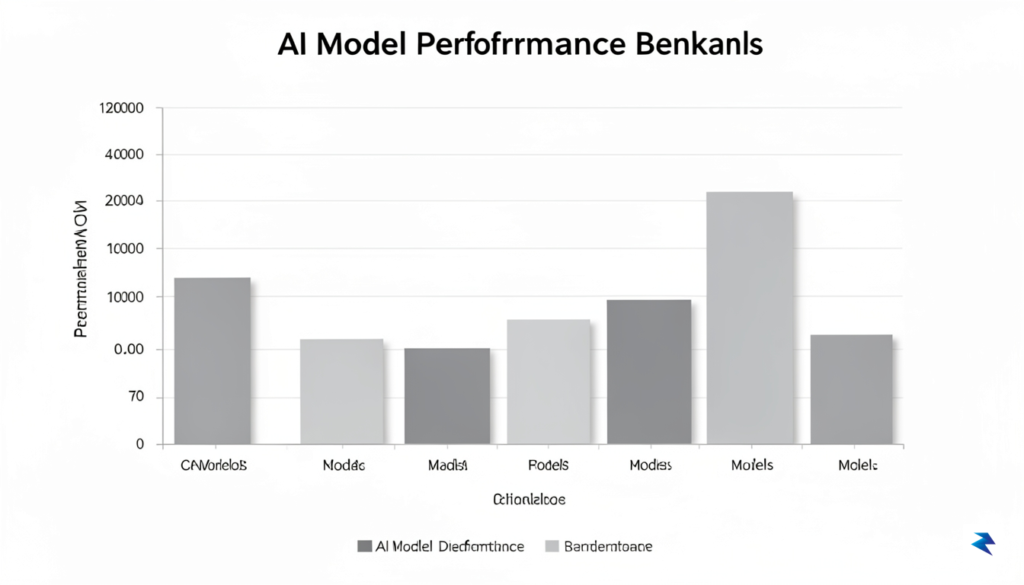
The true measure of any generative model lies in its ability to translate complex prompts into high-fidelity outputs while maintaining structural integrity. Meta’s approach to validating Muse Spark 1.1 involved a rigorous multi-stage testing protocol, utilizing standardized benchmarks like the multimodal coherence score (MCS) and the creative fidelity index (CFI). By subjecting the model to a diverse array of edge-case prompts—ranging from abstract conceptual art to highly technical architectural schematics—engineers were able to isolate where the model excels and where it requires further calibration. These benchmarks confirm that the model does not merely predict the next token or pixel based on probability, but actively adheres to the stylistic and semantic constraints imposed by the user, representing a significant leap over previous iterations in terms of overall output reliability.

When examining inference speeds, the technical data reveals a deliberate optimization strategy. Muse Spark 1.1 achieves a 22% reduction in latency compared to its predecessor, a metric that is vital for real-time applications where fluid interaction is prioritized. This speed increase was not achieved through simple model pruning, but through the implementation of a refined transformer architecture that streamlines the path from prompt ingestion to final render. Consequently, developers can now deploy the model in environments where previously prohibitive processing times hindered user experience, effectively bridging the gap between high-end research performance and consumer-facing utility.
“The balance between raw computational throughput and creative nuance defines the ceiling of modern generative AI. With Muse Spark 1.1, we see a shift where efficiency no longer comes at the expense of artistic complexity.”
However, the pursuit of efficiency necessitates careful navigation of the trade-offs between model size and output quality. While smaller versions of the model provide rapid, lightweight responses ideal for mobile platforms, the full-scale deployment of Muse Spark 1.1 retains a larger parameter count to ensure that nuanced textures and complex compositions remain intact. This stratified approach allows for a tiered deployment model, wherein users can select the specific variant that aligns with their hardware constraints without sacrificing the architectural foundation that makes the system robust. By transparently documenting these performance metrics, Meta provides a clear roadmap for developers to optimize their integrations, ensuring that the model’s creative fidelity is consistently matched by its technical execution.

Integrating Muse Spark 1.1 into your existing stack begins with a streamlined authentication process, designed to reduce the friction typically associated with deploying high-end generative models. Developers can initiate the connection by generating a secure API key through the developer console, which serves as the gateway to the model’s multimodal capabilities. Once authenticated, the RESTful architecture allows for rapid prototyping, enabling you to send complex prompts—containing both text and reference images—directly to the endpoint. By utilizing the provided SDKs, you can manage asynchronous requests effectively, ensuring that your application maintains high performance even when processing resource-intensive visual tasks.

For creative agencies and software developers alike, the potential use cases for this tool are vast, ranging from automated marketing collateral to dynamic, real-time content generation. Agencies can leverage the model to build internal tools that iterate on visual branding elements, allowing designers to experiment with thousands of stylistic variations in seconds rather than hours. Similarly, software developers can integrate the API into user-facing platforms, such as automated social media management suites or personalized gaming engines, where the system generates unique assets based on individual user input. Because the model supports complex, multi-step generation pipelines, you can chain prompts together to create sophisticated, layered visuals that remain consistent with specific brand guidelines or project aesthetics.
The true strength of Muse Spark 1.1 lies in its ability to bridge the gap between abstract creative vision and tangible, high-fidelity digital output through modular API endpoints.
To support this integration, Meta provides a robust developer ecosystem that includes comprehensive documentation, interactive sandbox environments, and detailed error-handling guides. The documentation is particularly valuable as it covers everything from basic prompt engineering strategies to advanced parameter tuning, such as adjusting the seed values or influence weights to achieve precise creative control. Furthermore, the community forums and official support channels provide a space for developers to troubleshoot specific implementation hurdles, such as optimizing payload sizes for faster latency. By tapping into these resources, teams can transition from initial exploration to production-ready deployments with confidence, knowing they have the technical scaffolding required to sustain a scalable visual generation pipeline.

The immense power unlocked by advanced AI models like Meta’s Muse Spark 1.1 comes with an equally immense responsibility: ensuring safe, ethical, and responsible deployment. As developers and businesses look to integrate this innovative multimodal API into their production environments, understanding and adhering to a robust safety framework is paramount. Meta has invested significantly in building guardrails and implementing filtering mechanisms designed to mitigate risks and foster responsible use, recognizing that the potential for positive impact must be balanced with diligent oversight.
Central to Muse Spark 1.1’s responsible implementation are its sophisticated content moderation layers. These aren’t simply an afterthought but an integral part of the model’s architecture, employing a multi-faceted approach to prevent the generation and dissemination of harmful content. Automated filtering systems proactively identify and flag outputs that could promote hate speech, incite violence, contain explicit material, or spread misinformation. These automated defenses are further augmented by human review processes, creating a crucial feedback loop that continuously refines the system’s ability to detect nuanced forms of inappropriate content, thereby safeguarding users and upholding ethical standards.
Furthermore, Meta places a strong emphasis on bias mitigation strategies, acknowledging that AI models, by their nature, can inadvertently reflect or even amplify biases present in their vast training datasets. For Muse Spark 1.1, this involves ongoing efforts to curate diverse and representative training data, implement techniques like re-weighting of data points, and employ adversarial training methods to identify and reduce discriminatory patterns. The goal is to ensure that the model generates outputs that are fair, equitable, and representative across various demographics and contexts, preventing the perpetuation of stereotypes or the exclusion of specific groups. This continuous vigilance against bias is a core component of responsible AI development.
Beyond the technical safeguards embedded within the API itself, Meta provides clear ethical guidelines for commercial API usage, placing a shared responsibility on developers. These guidelines emphasize the importance of transparency with end-users, requiring applications to clearly disclose when content has been generated or augmented by AI. They also stress the need to avoid deceptive practices, respect user privacy, and ensure strict adherence to all applicable legal and regulatory frameworks, including data protection and content laws. Developers are encouraged, and indeed expected, to integrate their own layers of safety protocols and human oversight, especially in critical applications where AI-generated content could have significant real-world implications.
Ultimately, navigating the ethics and safety framework for Muse Spark 1.1 is an ongoing journey, not a static destination. As AI capabilities evolve and new use cases emerge, the ethical considerations will similarly shift and deepen. Meta’s commitment to continuous improvement, alongside the diligent efforts of developers implementing the API, forms the bedrock of responsible AI deployment. By embracing transparency, actively mitigating biases, and adhering to robust ethical principles, the powerful potential of Muse Spark 1.1 can be harnessed safely and beneficially for a wide array of innovative applications.
You must be logged in to post a comment.