
Meta’s Muse Spark 1.1: A Deep Dive into the New Multimodal API
Introduction: Meta’s Muse Spark 1.1 The landscape of generative artificial intelligence is evolving at an unprecedented pace, and Meta’s…
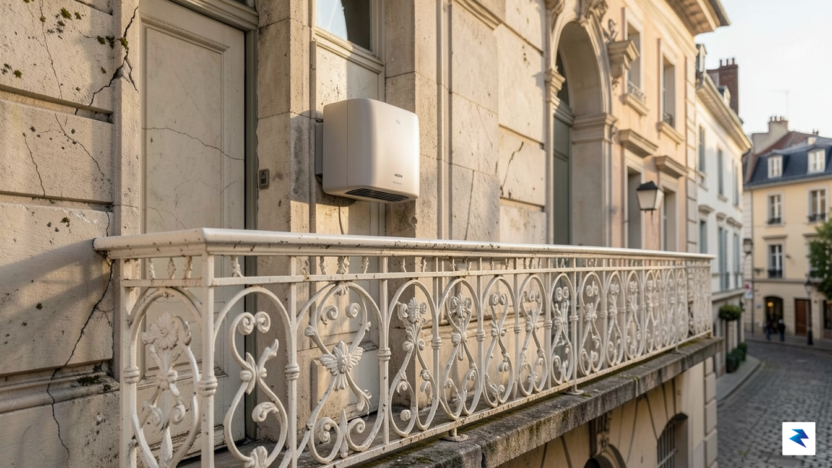

For decades, the European approach to summer comfort was defined by a philosophy of architectural resilience rather than mechanical intervention. Historically, the continent relied on “passive cooling”—a combination of thick stone masonry, heavy wooden shutters, and the strategic closing of windows during the heat of the day to trap the cool morning air. Unlike the United States, where post-war suburbanization integrated central air conditioning as a standard household utility, Europe viewed the technology as an intrusive, energy-inefficient luxury. This cultural skepticism was deeply rooted in a pride for vernacular architecture that naturally regulated indoor temperatures, alongside a widespread aesthetic aversion to the unsightly condenser units that clutter American facades.

However, the rapid acceleration of climate change has rendered these traditional methods increasingly insufficient. Recent summers have shattered temperature records across the continent, transforming once-tolerable heat into life-threatening conditions for vulnerable populations. As heatwaves become more frequent and prolonged, the structural integrity of old-world buildings is being pushed to its breaking point. These thick stone walls, which once acted as a thermal buffer, now function as heat sinks that absorb and retain record-breaking temperatures, often making interiors significantly hotter at night than they are outdoors. Consequently, the physiological necessity of cooling has begun to collide with the cultural preservation of the European way of life.
“The reliance on passive cooling is no longer a matter of preference or architectural purity; it has become an urgent public health challenge as our urban centers reach thermal limits that historical designs were never intended to withstand.”
This tension has ignited what some observers describe as an “AC culture war.” On one side of the divide are those who view the installation of air conditioning as an environmental betrayal—an energy-intensive practice that risks creating a feedback loop of greenhouse gas emissions, higher urban temperatures, and further reliance on cooling. On the other side is a growing demographic of residents, particularly the elderly and those living in poorly ventilated apartments, who view climate control as a fundamental right in an warming world. Bridging this gap requires more than just a debate over hardware; it necessitates a fundamental rethink of urban planning. To move forward, Europe must reconcile its environmental consciousness with the undeniable reality that its current infrastructure is struggling to keep pace with the shifting climate.

Traditional air conditioning systems, while offering much-needed respite from sweltering heat, come with a significant environmental baggage that is becoming increasingly difficult to ignore. At their core, these systems operate through a sophisticated cycle of compression and expansion, using a chemical refrigerant to absorb heat from indoor air and release it outdoors. This process, while effective, inherently relies on two major components that contribute heavily to their carbon footprint: the substantial energy required to power their compressors and the leakage of potent greenhouse gases known as hydrofluorocarbons, or HFCs, which are essential to the cooling cycle.
The energy demands of conventional HVAC units are particularly staggering, especially when considering the sheer scale of their operation across homes, offices, and commercial spaces. The compressor, often referred to as the heart of an AC system, is by far the most energy-intensive component, consuming the majority of electricity to circulate and pressurize the refrigerant. As global temperatures rise and heatwaves become more frequent and intense, the reliance on these energy-hungry machines escalates, leading to a corresponding surge in electricity generation, much of which still comes from fossil fuels, thereby exacerbating carbon emissions.
Beyond the substantial energy draw, the refrigerants themselves pose a critical environmental challenge. Hydrofluorocarbons (HFCs), widely adopted as replacements for ozone-depdepleting chlorofluorocarbons (CFCs) and hydrochlorofluorocarbons (HCFCs), are incredibly powerful greenhouse gases. While they do not harm the ozone layer, their Global Warming Potential (GWP) can be hundreds to thousands of times greater than carbon dioxide over a 100-year period. For instance, common refrigerants like R-410A or R-134a have GWPs of around 2,088 and 1,430 respectively, meaning that even a small leak from an AC unit can have the equivalent warming effect of several tons of CO2. Consequently, strict regulations are being implemented globally to phase down their use and improve containment.
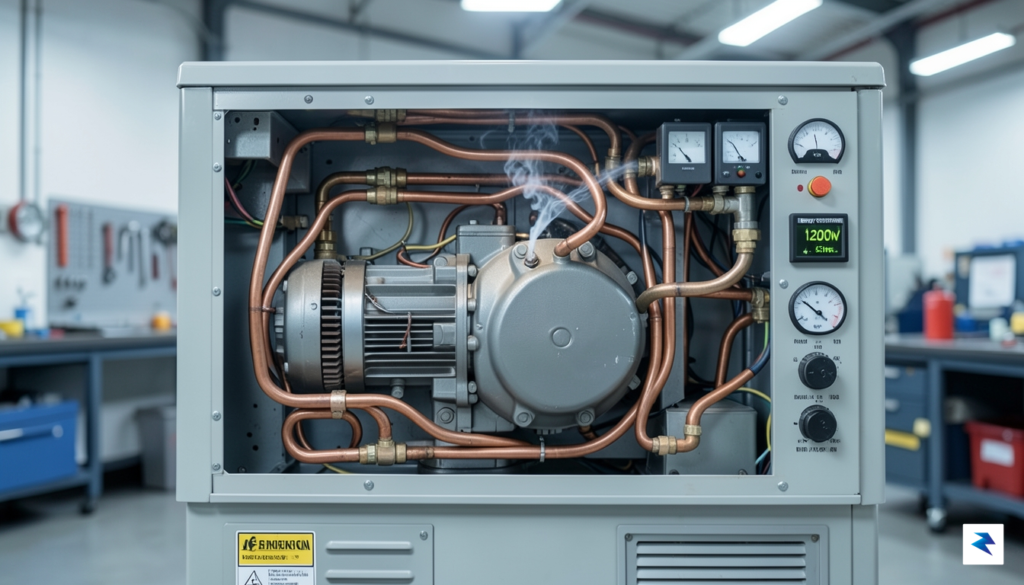
The collective strain these systems place on electrical grids, particularly across Europe during peak summer months, is a growing concern for energy infrastructure and stability. As millions of units simultaneously kick into high gear to combat soaring temperatures, the demand for electricity skyrockets, often pushing grids to their operational limits. This surge can lead to increased reliance on older, less efficient power plants, including those burning coal or natural gas, to meet peak demand, further undermining climate goals and contributing to air pollution. Moreover, the risk of power outages and grid instability becomes a tangible threat, highlighting the urgent need for more sustainable and less energy-intensive cooling solutions.
Ultimately, the traditional approach to air conditioning presents a formidable environmental paradox: providing comfort while simultaneously accelerating the very climate change it seeks to mitigate. The dual burden of high energy consumption, predominantly from fossil fuel-powered electricity, and the direct emission of super-potent HFC refrigerants paints a clear picture of the technical and ecological challenges facing widespread AC adoption. Addressing these fundamental issues is not merely an option but a necessity for Europe to ensure its cooling future is both comfortable and truly sustainable.

As Europe grapples with increasingly frequent and severe heatwaves, the traditional approach to cooling—reliant on energy-intensive, greenhouse-gas-heavy air conditioning units—is proving to be an unsustainable path forward. Fortunately, a paradigm shift is underway, moving away from antiquated technology toward high-efficiency innovations that prioritize climate resilience. At the forefront of this evolution are advanced air-source and ground-source heat pumps. Unlike legacy systems, modern heat pumps operate with incredible precision, utilizing variable-speed compressors and low-GWP (Global Warming Potential) refrigerants. By leveraging thermodynamic cycles that require significantly less electricity to move thermal energy, these units offer a circular solution: they provide efficient heating during the winter and highly effective cooling throughout the summer, drastically reducing the carbon footprint of individual households.
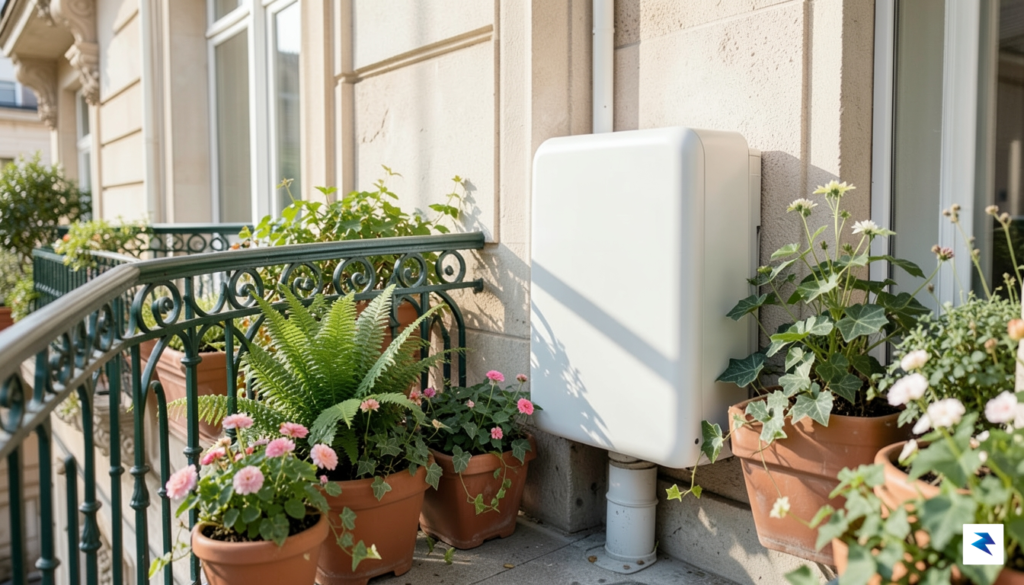
Beyond the individual unit, we are seeing a resurgence and modernization of evaporative cooling technologies. Often misunderstood as the bulky, inefficient “swamp coolers” of the past, contemporary iterations use advanced membrane technology and smart sensors to optimize moisture levels. These systems work by pulling warm air through a wetted medium, causing water to evaporate and naturally lower the air temperature. In dry European climates, this process consumes a mere fraction of the electricity required by traditional vapor-compression cycles. When paired with passive building designs—such as improved insulation and smart shading—these evaporative solutions can maintain comfortable indoor temperatures even during peak heat, proving that we do not always need high-pressure refrigerants to achieve climate comfort.
Perhaps the most ambitious frontier in cooling technology is the implementation of large-scale district cooling networks. Similar to the district heating systems already common in Nordic and Central European cities, these networks utilize centralized plants to distribute chilled water to multiple buildings via an underground pipe network. The true genius lies in the source of that “cold”: many projects are now successfully tapping into natural thermal sinks, such as deep-sea water, cold river currents, or even the stable, low temperatures of deep underground aquifers. By bypassing the need for thousands of individual compressors, district cooling can slash energy consumption by up to 80% compared to conventional air conditioning, effectively turning city infrastructure into a massive, low-carbon heat exchanger.
The integration of natural cold-water sources into urban infrastructure represents a massive leap toward climate-neutral cities, shifting the burden of cooling from individual machines to intelligent, shared systems.
Ultimately, the transition to sustainable cooling is not about sacrificing comfort, but about reimagining how we interact with our environment. By blending the efficiency of heat pumps, the simplicity of passive evaporative cooling, and the sheer scale of district-level solutions, Europe is building a cooling ecosystem that is both robust and environmentally responsible. This multi-layered approach ensures that as temperatures rise, our cities remain livable without locking us into a cycle of ever-increasing energy demand and environmental degradation.
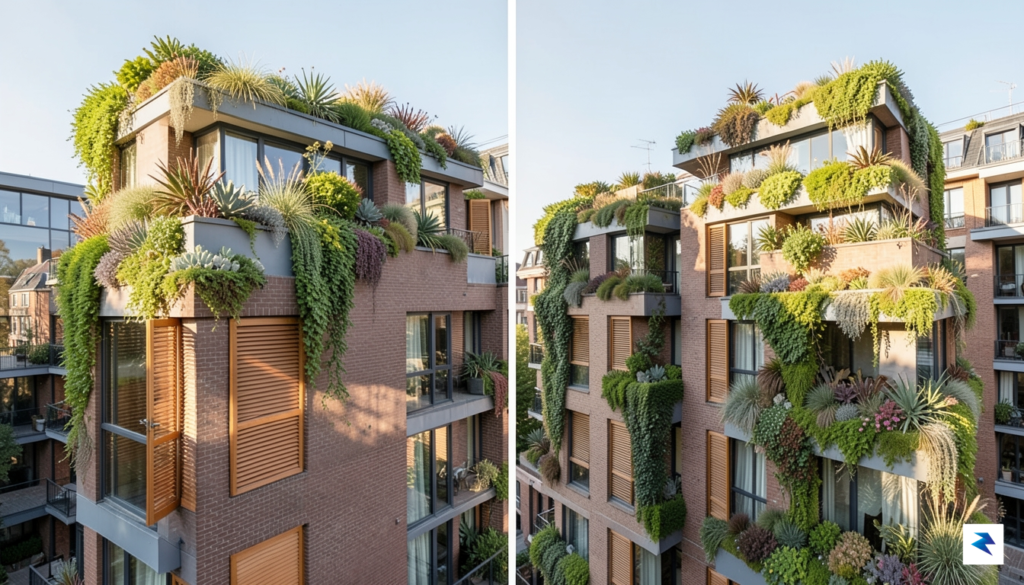
The most sustainable cooling solution is the one that remains inactive, relying instead on the inherent intelligence of the built environment. As Europe grapples with increasingly sweltering summers, the focus is shifting away from purely mechanical air-conditioning toward a renaissance of passive architectural techniques. By revisiting historical design wisdom, architects are discovering that buildings can act as thermal buffers rather than heat traps. Methods such as high thermal mass construction—using materials like stone, concrete, or rammed earth—allow structures to absorb heat during the day and release it gradually at night, keeping interior spaces remarkably stable without the hum of a compressor.
Complementing these structural choices are time-honored features like external window shutters and strategic cross-ventilation. In Mediterranean climates, thick walls and adjustable shutters have long served as the first line of defense against the sun, blocking solar gain before it ever reaches the glass. When paired with high-ceiling designs that facilitate the stack effect—where warm air rises and exits through upper vents while cooler air is drawn in from below—buildings can maintain a comfortable climate naturally. Modern European developments are now integrating these features into contemporary aesthetics, proving that energy efficiency does not have to come at the expense of architectural elegance.
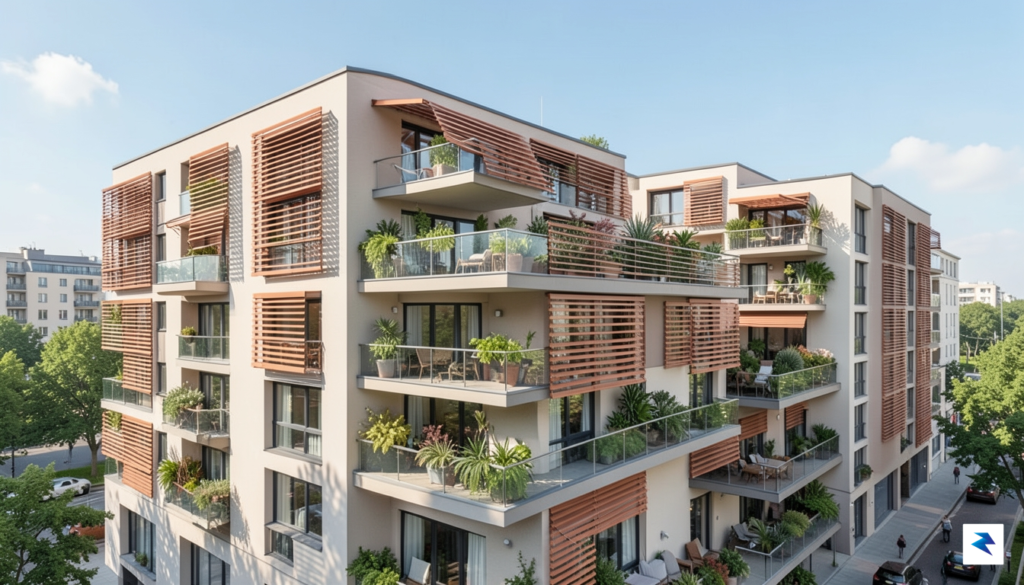
Beyond individual buildings, the broader urban landscape plays a critical role in mitigating the urban heat island effect, which often turns city centers into stifling heat pockets. Urban planning initiatives are now prioritizing the expansion of tree canopies and the integration of “green corridors” that provide natural shade and facilitate evaporative cooling. By replacing vast stretches of asphalt with permeable, light-colored surfaces, cities can significantly reduce the amount of heat absorbed during the day. These reflective materials, combined with strategic vegetation, work in tandem to lower the ambient air temperature, thereby decreasing the cooling load on every building in the vicinity.
True urban resilience is built not by cooling the air inside our homes, but by preventing our cities from heating up in the first place.
Ultimately, the goal of modern European urbanism is to design spaces that work with the climate rather than against it. When architects and city planners prioritize passive cooling, they reduce the immediate dependence on energy-intensive machinery, creating a more sustainable and resilient future. This shift requires a departure from the “glass box” architecture that dominated the late 20th century, favoring instead a more nuanced approach that respects local geography and solar orientation. By embedding these passive strategies into the very foundation of our cities, Europe can transition toward a cooling model that is both environmentally responsible and inherently comfortable.
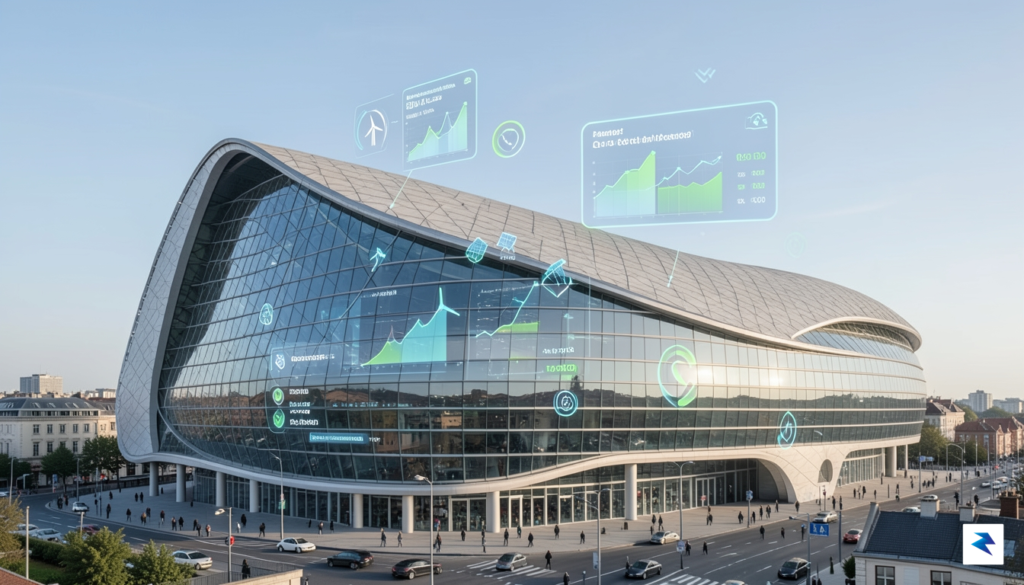
The European Union has moved beyond mere suggestion, implementing a rigorous legislative framework that is fundamentally reshaping the cooling industry. Central to this transformation is the aggressive tightening of the EU F-gas regulations, which seek to phase down the use of hydrofluorocarbons—potent greenhouse gases commonly used in traditional air conditioning units. By setting strict quotas on the market availability of these chemicals, regulators are effectively forcing manufacturers to pivot toward low-global-warming-potential (GWP) alternatives, such as propane or CO2-based systems. This is not just a minor adjustment; it represents a complete overhaul of the mechanical engineering standards that have defined the HVAC sector for decades.
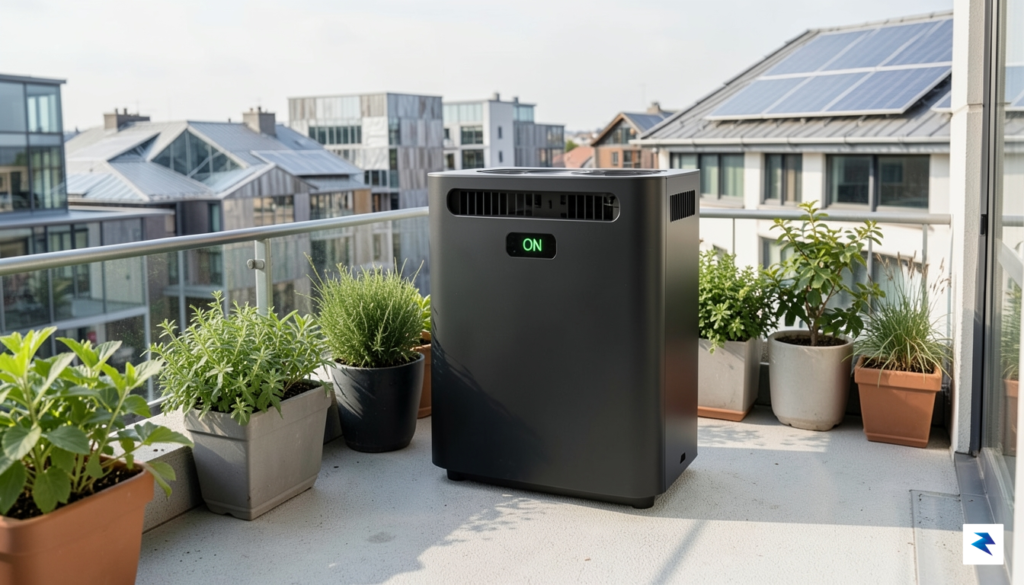
Complementing these regulatory pressures is a wave of government-led incentives designed to accelerate the transition toward green retrofitting. Across the continent, national governments are offering substantial tax credits, subsidies, and low-interest loans to homeowners and businesses that replace archaic, inefficient cooling systems with high-efficiency heat pumps. These policies are strategically designed to lower the barrier to entry for clean technology, ensuring that sustainable cooling is viewed as an investment in property value rather than an unavoidable expense. By linking energy efficiency standards to broader climate targets, the EU is creating a market environment where legacy HVAC technologies are becoming increasingly obsolete and prohibitively expensive to maintain.
The transition toward sustainable cooling is no longer a niche environmental goal; it is a mandatory evolution driven by market-wide legislative alignment.
Looking ahead, Europe appears poised to establish a uniquely “green” cooling standard that could eventually serve as a blueprint for the rest of the world. While global markets in North America and Asia continue to rely heavily on traditional refrigerants, Europe’s focus on circularity, energy efficiency, and low-impact gases is setting a new benchmark for performance. This divergence suggests that Europe will likely become the primary incubator for next-generation cooling technologies. As manufacturers scramble to align with these stringent requirements, the resulting innovations—ranging from AI-optimized cooling cycles to natural refrigerant integration—will likely define the global standard for what it means to keep a building comfortable without compromising the health of the planet.
You must be logged in to post a comment.