
AI’s Hidden Cost: Examining the Water Safety Concerns at Meta’s Data Centers
The Nexus of AI Growth and Resource Scarcity The unprecedented acceleration of the artificial intelligence sector has transformed the digital…
The recent scrutiny surrounding Anthropic’s Claude Code has sparked a significant geopolitical and technical debate, centering on a stark disagreement between Chinese regulatory bodies and the Silicon Valley AI developer. At the heart of the conflict is a warning issued by Chinese authorities, who have characterized certain remote-access capabilities within the Claude Code tool as a potential “backdoor.” This classification suggests that the software contains hidden entry points that could allow unauthorized actors or the manufacturer itself to bypass local security protocols, thereby compromising the integrity of sensitive software development environments. For global enterprises that rely heavily on AI to accelerate their coding workflows, these allegations raise urgent questions about where the line is drawn between necessary administrative oversight and intrusive surveillance.

To navigate this controversy, it is essential to first understand the role of Claude Code within the modern developer ecosystem. As an AI-powered agent designed to execute terminal commands, manage file systems, and perform complex debugging tasks, Claude Code requires a level of elevated privilege that far exceeds traditional chatbots. Anthropic has defended its architecture by arguing that these features are not malicious backdoors but are instead robust “anti-abuse” and safety mechanisms. According to the company, these internal safeguards are designed to prevent the model from executing dangerous commands, protect against prompt injection attacks, and ensure that the AI remains within the intended boundaries of its operational environment. From Anthropic’s perspective, these are essential security layers that protect both the user and the integrity of the AI’s decision-making process.
The tension lies in the fundamental disagreement over intent: regulators view deep-system access as a vulnerability, while developers view it as a prerequisite for functional autonomy.
The discrepancy between these two viewpoints highlights a growing challenge for multinational corporations that operate across different regulatory jurisdictions. While Chinese regulators are prioritizing data sovereignty and the prevention of unauthorized external control over domestic infrastructure, Anthropic is focused on the technical necessity of maintaining a “sandbox” that can actively monitor and correct the AI’s behavior in real-time. This friction is not merely a semantic dispute over the word “backdoor”; it represents a fundamental clash between two different philosophies of software security. As AI agents become more deeply integrated into the core of software engineering, businesses must determine how to balance the productivity gains of these tools against the perceived risks of granting them deep access to their proprietary codebases and internal networks.

To understand the security profile of Claude Code, one must first recognize that it functions as a highly privileged local agent rather than a traditional cloud-based service. When a user initializes the tool, it operates within the local development environment, granting it the capacity to read project files, execute shell commands, and interact with version control systems. Unlike standard web interfaces, this architecture requires the agent to bridge the gap between human intent—expressed through natural language—and machine-executable operations. This bridge is maintained through a set of internal protocols that allow the AI to chain commands together, creating a seamless workflow that can manipulate complex codebases without constant human intervention.
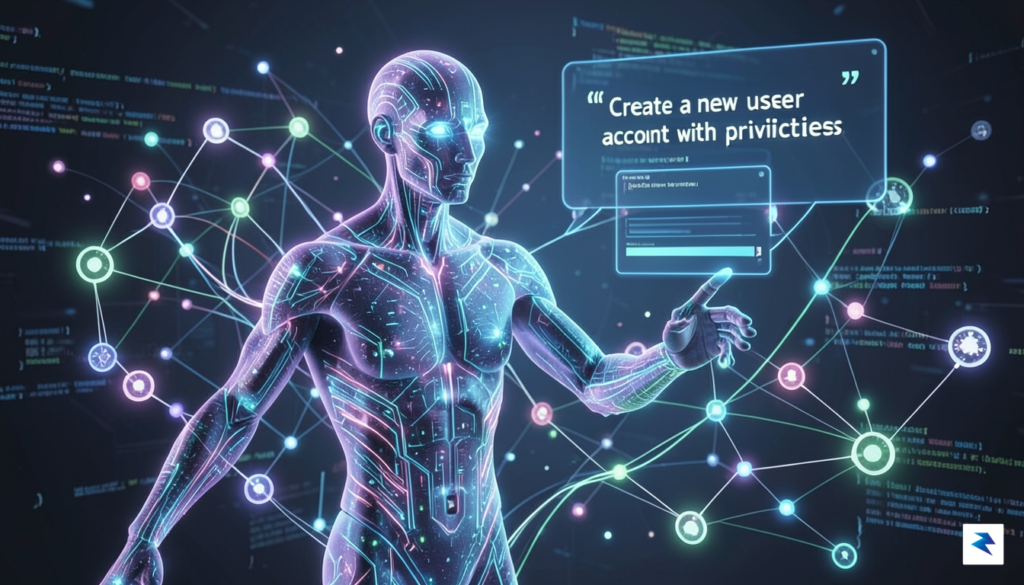
The core of the recent security concerns lies in how the tool manages this autonomy. To prevent malicious actors or misaligned AI behavior from overwhelming system resources or inadvertently exfiltrating data, developers have implemented rigorous anti-abuse mechanisms. These systems function by monitoring command sequences and enforcing strict rate limits on sensitive operations. For instance, if the agent detects a command that attempts to reach out to an unauthorized external server or modify critical system configuration files, it triggers an internal safety check. These checks are designed to act as a “circuit breaker,” halting the process before potential damage occurs. However, because these mechanisms are embedded deep within the execution loop, they can appear to external security auditors as hidden command-and-control channels, leading to the misinterpretation of defensive guardrails as potential backdoors.
The distinction between a functional safety mechanism and a vulnerability often depends on transparency; while Claude Code requires deep system access to be useful, its internal monitoring is intended to serve as a self-regulating wall against both external exploitation and internal hallucinations.
Furthermore, it is essential to distinguish between local execution and remote access. A true backdoor would imply an unauthorized remote party maintaining persistent, invisible access to a user’s machine. In contrast, Claude Code’s architecture relies on a “human-in-the-loop” model, where the agent’s lifecycle is bound to the active terminal session. While the agent utilizes telemetry to maintain context and improve performance, this data is distinct from the command execution stream. The security friction arises because the agent is granted permission to perform tasks that a human developer would otherwise do manually. Consequently, when auditors observe the tool autonomously navigating the file system, they are seeing the intended design in action—a design that necessarily requires broad permissions to fulfill its mandate of coding assistance, but which relies on these complex internal filters to keep that power contained.

The recent warnings concerning potential security vulnerabilities in tools like Claude Code are far from isolated technical critiques; instead, they function as a strategic maneuver within a burgeoning era of digital protectionism. For Beijing, the scrutiny of Western-developed artificial intelligence is fundamentally tied to the concept of technological sovereignty. As AI becomes the central nervous system of modern economic and governmental infrastructure, the Chinese state views reliance on foreign-coded software as a significant liability. This defensive stance is deeply rooted in a desire to mitigate dependency on American innovations, which are increasingly perceived as potential vectors for surveillance, data exfiltration, or sudden service termination amidst shifting diplomatic tides.
This scrutiny is reinforced by an evolving legal framework, most notably the Data Security Law and the Personal Information Protection Law, which mandate strict oversight on how information traverses borders. By framing Western AI tools as potential “backdoors,” regulators are essentially creating a justification for businesses and state-linked entities to pivot toward domestic alternatives. The goal is to build a self-contained ecosystem—a “Great Firewall” for the age of generative AI—where the underlying algorithms are transparent to local auditors and shielded from the opaque security policies of Silicon Valley firms. Consequently, this shift represents more than just a technical preference; it is a calculated retreat into a sovereign digital space designed to insulate the national economy from external shocks.
The push for technological independence is not merely about software performance; it is a defensive strategy intended to ensure that China’s critical digital infrastructure remains under domestic control, regardless of the global political climate.
The broader “tech cold war” has essentially turned software supply chains into a new battlefield where code is viewed through the lens of national security. When major Western AI models are introduced into the Chinese market, they are subjected to rigorous, often punitive, evaluations that rarely apply to local competitors. This asymmetry complicates global cross-border collaboration, as international companies struggle to comply with conflicting sets of standards while maintaining their intellectual property rights. Ultimately, the suspicion cast upon tools like Claude Code signals that the era of frictionless global software adoption is rapidly fading, replaced by a fragmented landscape where security is defined by geopolitics as much as it is by lines of code.

The recent discourse surrounding potential vulnerabilities in AI-driven coding assistants serves as a critical wake-up call for IT leaders tasked with balancing innovation and security. Regardless of the specific technical merits of current allegations, the integration of autonomous agents into professional development workflows demands a rigorous, proactive posture. Organizations should move beyond passive trust and adopt a structured framework that treats every third-party AI tool as a potential vector for data exposure, ensuring that productivity gains do not come at the expense of a compromised architecture.
Before any AI coding assistant is granted access to a codebase, IT departments must implement a mandatory vetting process. This should start with a comprehensive review of the vendor’s data retention policies, specifically focusing on whether internal source code is utilized for model training. Organizations must insist on transparency regarding how the vendor handles proprietary data and whether they offer enterprise-grade privacy controls, such as zero-data-retention (ZDR) agreements. Furthermore, vetting should include an analysis of the tool’s dependency requirements, as agents that demand broad, unrestricted access to local system files or external network ports represent a significantly higher risk profile than those operating within isolated containers.
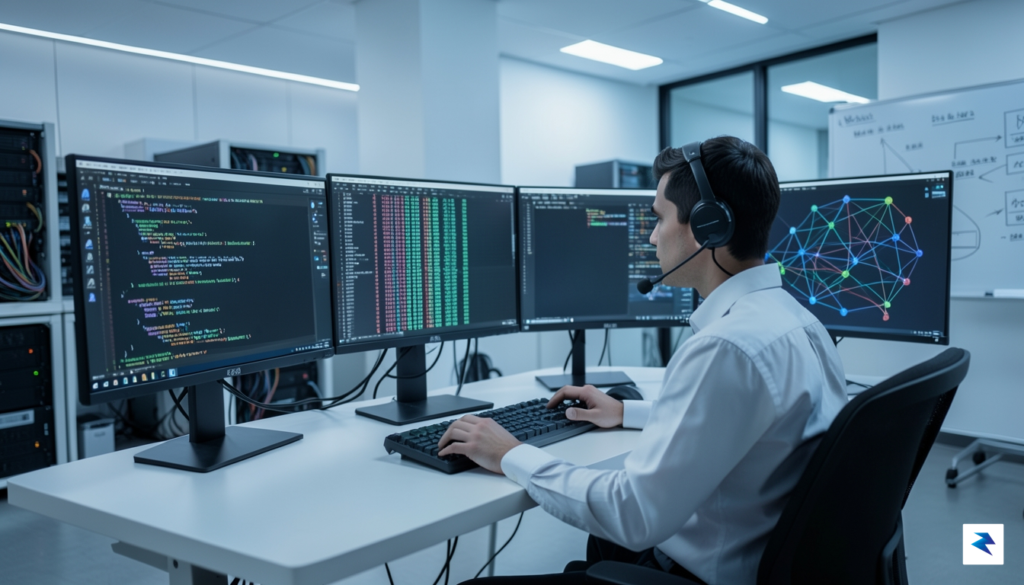
Beyond policy-based vetting, IT leaders must enforce technical controls that limit the blast radius of any potential security event. The most effective strategy is the use of sandboxed development environments, which physically or logically isolate AI agents from the organization’s production infrastructure and sensitive repositories. By restricting these tools to ephemeral, non-production environments, teams can leverage the utility of AI while ensuring that a misstep or a malicious command injection cannot move laterally through the corporate network.
To maintain a resilient security posture, organizations must adhere to the principle of least privilege, ensuring that AI agents are granted access only to the specific repositories and credentials strictly necessary for their assigned tasks.
Additionally, it is essential to monitor the outbound traffic generated by these tools. If an AI agent exhibits anomalous behavior—such as attempting to communicate with unauthorized external servers or scanning local directories it does not need to access—automated security systems should be configured to flag or terminate the process immediately. Maintaining a proactive stance through regular security disclosures and vendor updates is equally vital, as it allows security teams to stay ahead of patches and evolving threat vectors. By combining these defensive layers with continuous employee training on the responsible use of AI, organizations can successfully harness these powerful tools without compromising their fundamental integrity.

The integration of autonomous coding agents into the modern development lifecycle represents a seismic shift in how software is architected, tested, and deployed. As these tools evolve from simple autocomplete functions into sophisticated agents capable of refactoring entire codebases, the relationship between human engineers and their digital counterparts must be built on a foundation of verifiable trust. While the recent scrutiny regarding potential vulnerabilities in AI-driven tools may cause hesitation, it also serves as a necessary catalyst for a more mature dialogue between developers and enterprise stakeholders. Innovation cannot exist in a vacuum; it must be tethered to security protocols that evolve as rapidly as the underlying models themselves.
Achieving this balance requires a shift toward radical transparency, where the “black box” nature of AI development is replaced by auditable processes. For enterprises to confidently adopt these agents, they need more than just performance benchmarks; they require clear documentation of how these systems handle authorization, data isolation, and permission management. When developers are given visibility into the security architecture of an agent, they can implement the necessary guardrails to protect their intellectual property while still reaping the productivity gains of AI-assisted coding. Open-source initiatives and community-driven security audits will play a pivotal role here, effectively crowdsourcing the verification process and ensuring that no single entity holds the keys to a potentially vulnerable kingdom.
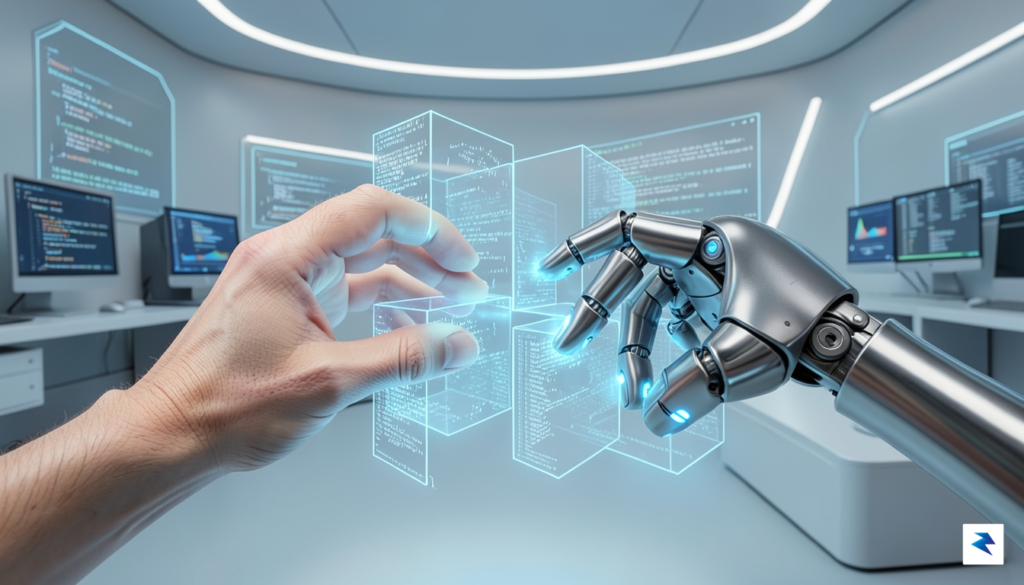
Looking toward the future, the goal is not to hinder the progress of AI, but to cultivate a symbiotic environment where human oversight remains the final line of defense. True innovation in the workplace will be defined by our ability to treat AI agents as powerful, yet fallible, team members that require constant monitoring and validation. This means that security teams must move away from reactive measures and instead adopt proactive, “security-by-design” methodologies that anticipate the risks posed by autonomous code execution. By integrating automated threat detection alongside AI agents, organizations can enjoy the speed of automation without sacrificing the integrity of their digital infrastructure.
The future of enterprise software is not a choice between innovation and security, but a commitment to a collaborative framework where transparency is the primary driver of adoption.
Ultimately, the digital landscape will continue to favor those who can navigate the complexities of AI with a cautious yet optimistic mindset. As we move forward, the most successful companies will be those that prioritize educational initiatives, ensuring that their engineers understand the limitations and potential attack vectors of their tools. By fostering an culture of digital skepticism and rigorous oversight, the industry can ensure that the next generation of coding agents acts as a bridge to unprecedented productivity rather than a gateway to systemic risk. Through this diligent approach, we can secure the future of software development while embracing the transformative power of artificial intelligence.
You must be logged in to post a comment.