Is Disney Plus Planning a Free Tier? What We Know So Far
The Strategic Shift Toward Free-Ad Supported Streaming (FAST) The streaming landscape is undergoing a fundamental transformation, shifting…
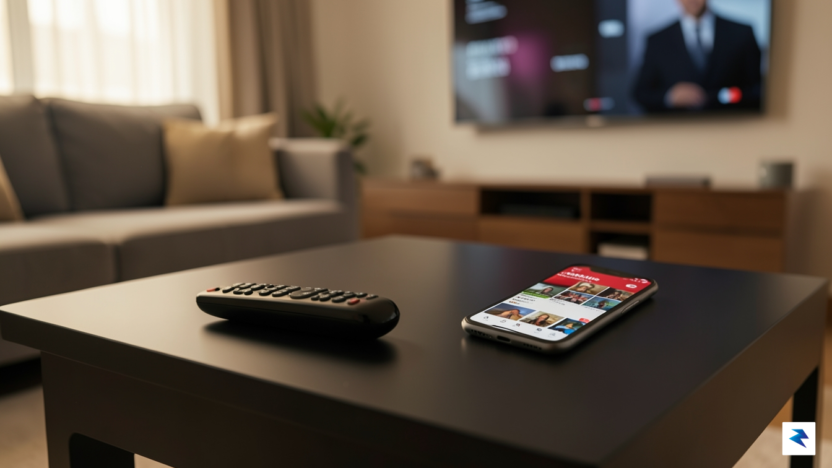
For over a decade, Netflix has been the undisputed architect of the on-demand revolution. By pivoting from its humble origins as a DVD-by-mail service to a global streaming juggernaut, the company effectively dismantled the constraints of traditional broadcast schedules. Viewers were granted the unprecedented freedom to consume content on their own terms, at their own pace, and in whatever sequence they desired. This “everything, everywhere, all at once” philosophy fundamentally reshaped the cultural landscape, turning the act of binge-watching into the primary mode of modern entertainment consumption.
However, this era of total autonomy has inadvertently birthed a new, pervasive problem: “scrolling paralysis.” As libraries have expanded to include thousands of titles, the psychological burden of choice has grown exponentially. Users often find themselves trapped in an endless loop of browsing, reading synopses, and skipping trailers, only to settle on a familiar comfort show—or worse, log off in frustration. The very feature that once defined the streaming advantage—the infinite catalog—has become a source of decision fatigue, leading many subscribers to yearn for a simpler, more guided viewing experience.
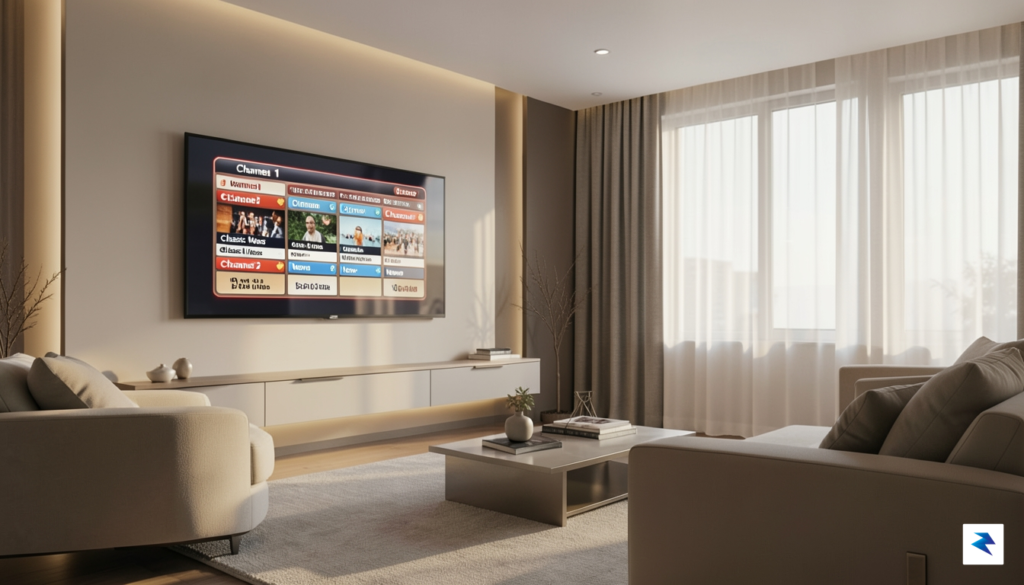
In response to this exhaustion, Netflix is reportedly exploring the implementation of 24/7 linear channels, a move that might seem like a regression to the cable era at first glance. Yet, this shift should not be viewed as a step backward, but rather as an evolution of curation. By offering “always-on” channels—perhaps organized by genre, franchise, or mood—Netflix is essentially outsourcing the decision-making process to an algorithm that functions like a traditional programmer. This model mimics the comfort of cable television, where a viewer can simply tune in and let the experience unfold without the pressure of active selection.
The transition toward linear programming represents a strategic move to recapture the communal and low-effort nature of television, acknowledging that sometimes, the best viewing experience is the one where the viewer does not have to choose at all.
Ultimately, by integrating linear channels into its ecosystem, Netflix is attempting to solve the paradox of choice that plagues its current interface. While the freedom of on-demand streaming will remain a core pillar of the platform, the addition of scheduled, curated content acknowledges that modern audiences are tired of acting as their own programmers. By blending the convenience of digital access with the passive ease of linear television, the company is positioning itself to satisfy both the binge-watchers of the past and the decision-fatigued subscribers of the present.
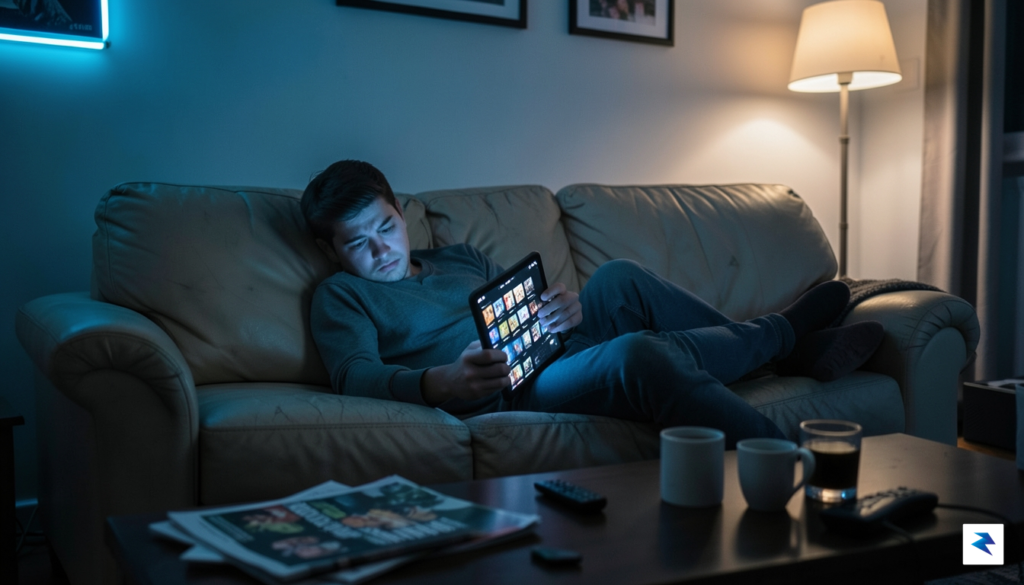
We have all experienced the nightly ritual: scrolling through an endless library of titles, reading brief synopses, and weighing the merits of a sci-fi epic against a quick sitcom episode, only to find ourselves still staring at a menu forty minutes later. This phenomenon, often referred to as the paradox of choice, suggests that while we crave variety, an overabundance of options can actually paralyze us, leading to decision fatigue rather than entertainment. Instead of enjoying our leisure time, we become curators of our own frustration, caught in a cycle of analysis that drains the joy from the viewing experience. By introducing always-on linear channels, Netflix could effectively circumvent this cognitive burden, shifting the user’s role from an exhausted searcher to a relaxed observer.
The beauty of the traditional cable experience—something many streaming platforms have long sought to disrupt—is its inherent, low-friction nature. When you flip to a linear channel, the decision has already been made for you; you simply step into the flow of content that is already in progress. This “lean-back” model reduces the cognitive load required to start a show, allowing viewers to bypass the exhausting search interface entirely. By curating a constant stream of thematic programming, Netflix could provide a digital version of a “comfort zone,” where the barrier to entry is lowered to the simple act of pressing a button. This is not a step backward into the past, but rather a sophisticated evolution in user interface design that prioritizes mood and atmosphere over endless data manipulation.
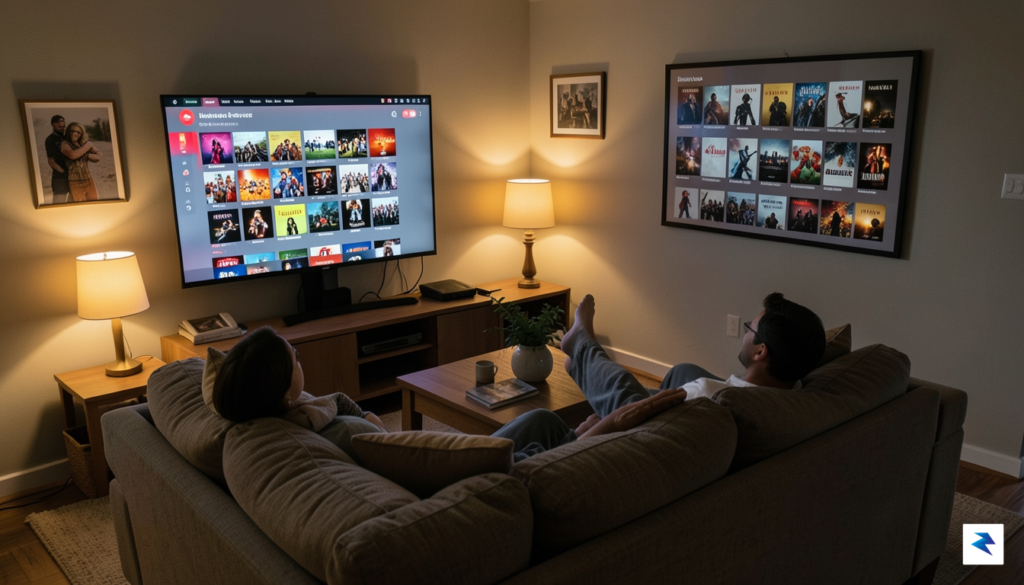
The most significant hurdle to modern streaming is not the quality of the content, but the sheer effort required to discover it. Always-on channels bridge the gap between choice and spontaneity.
Furthermore, these linear-style channels could help foster a sense of shared cultural moments that streaming has largely lacked. When everyone has access to the same curated feed, there is an unspoken synchronicity; you know that others are watching the same classic comedy or trending documentary at the exact same time. This predictability transforms the isolating experience of “on-demand” bingeing into something more communal and accessible. By embracing this passive mode of consumption, Netflix is acknowledging that sometimes, the best interface is no interface at all—it is simply a channel that knows exactly what you want before you even ask for it.
Ultimately, the move toward always-on programming acknowledges that our relationship with media is dynamic. We do not always want to be active participants in a search for the “perfect” film; sometimes, we simply want to be entertained without the mental work of browsing. By blending the vast library of a modern streaming giant with the reliable structure of traditional broadcasting, these channels could restore the simplicity that made television a cornerstone of relaxation for decades. This balance between modern convenience and old-school ease may very well be the key to keeping audiences engaged in an increasingly crowded media landscape.

For over a decade, the streaming industry has defined itself by the mantra of “choice.” By placing the entire library at the user’s fingertips, platforms like Netflix successfully dismantled the traditional cable model. However, a paradox of choice has emerged: when presented with thousands of options, viewers often suffer from “decision paralysis,” scrolling endlessly through menus before ultimately giving up or defaulting to a familiar rewatch. By introducing linear, “always-on” channels, Netflix is not merely chasing nostalgia; it is solving a fundamental friction point in the user experience. This shift represents a move toward passive consumption, where the platform curates the viewing journey, effectively removing the cognitive load from the subscriber.
From a business perspective, the logic behind this transition is rooted in the drive to maximize time-spent-on-platform. When a viewer stops searching for the “perfect” movie and instead clicks on a live-style stream, they are far less likely to abandon the service during the decision-making process. This engagement model mirrors the success of Free Ad-Supported Streaming TV (FAST) services like Pluto TV, which have proven that audiences are eager for a “lean-back” experience. By implementing similar programming blocks, Netflix can capture viewers who want to be entertained without the burden of active selection, thereby increasing total watch time and reinforcing the perceived value of the subscription.
The true genius of a linear channel strategy lies in its ability to solve the “buried content” problem that plagues massive content libraries.
Furthermore, this strategy serves as a powerful discovery engine for Netflix’s vast, aging back catalog. Currently, the algorithm often prioritizes trending titles or new releases, leaving older shows and overlooked gems to languish in the depths of the interface. Linear channels allow Netflix to package this underutilized library content into thematic blocks, such as “90s Sitcoms” or “True Crime Marathons,” surfacing these titles to a broad audience without requiring a targeted recommendation. This breathes new life into existing intellectual property, maximizing the return on investment for shows that have already been paid for.
Finally, the move toward linear programming opens a lucrative secondary revenue stream through ad-supported tiers. Linear environments allow for the seamless insertion of traditional commercial breaks, which are often more palatable to consumers in a scheduled format than they are in an on-demand environment. By creating reliable, scheduled windows for advertisements, Netflix can offer advertisers a more predictable, cable-like inventory that is highly attractive to legacy brands. Ultimately, this strategic pivot suggests that the future of streaming isn’t just about giving the audience everything they want, whenever they want it—it’s about expertly guiding them through the noise to keep them watching longer.
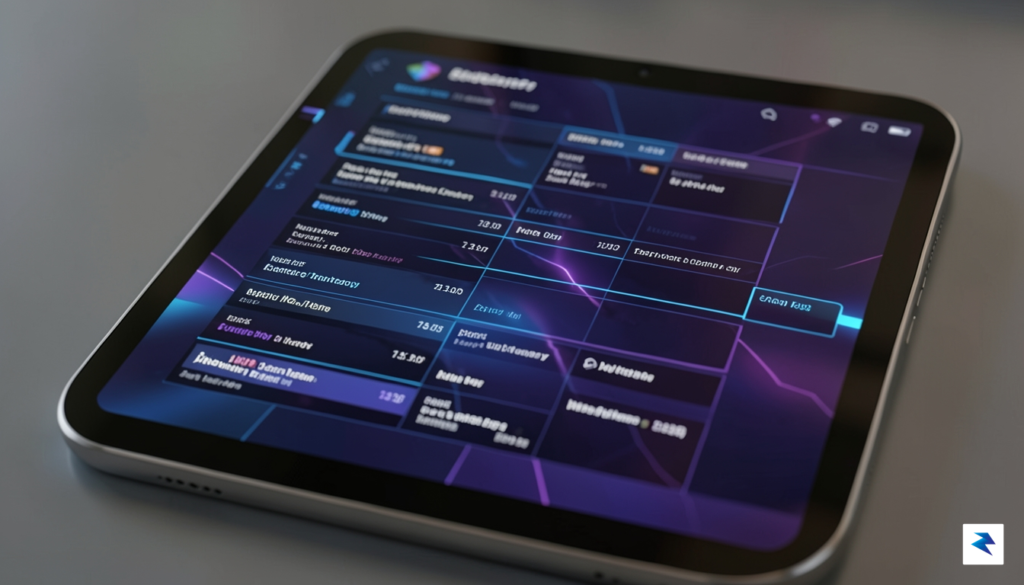
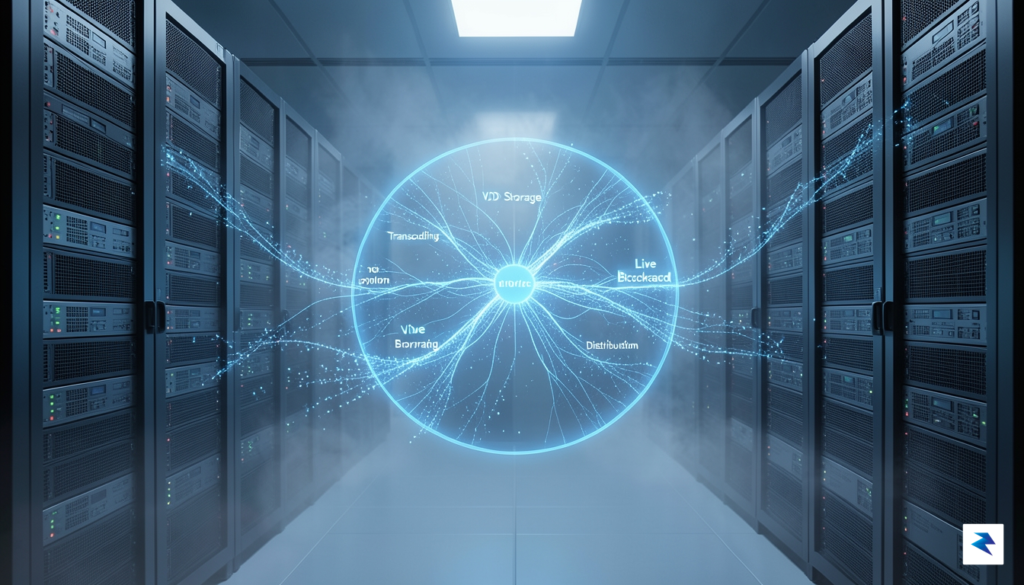
Transitioning a platform built entirely on the principles of Video on Demand (VOD) into a linear, live-streaming environment is a monumental architectural undertaking. Netflix’s infrastructure is currently optimized for unicast delivery, where each viewer pulls a specific stream from a content delivery network server at their own pace. Moving to a live model requires a fundamental shift toward multicast-like efficiency to manage the massive bandwidth spikes that occur when millions of users tune into the same broadcast simultaneously. This necessitates a robust overhaul of their backend to ensure low latency and perfect synchronization, preventing the dreaded “spoiler effect” where one viewer sees a live goal or cliffhanger seconds before their neighbor.
Beyond the raw data engineering, the user experience presents an even thornier paradox. Netflix has cultivated a minimalist, algorithmic interface designed to help users quickly find a specific show or movie, which stands in stark contrast to the traditional Electronic Program Guide (EPG). Introducing a linear “Live” tab requires designers to bridge the gap between “lean-back” passive viewing and “lean-forward” active selection. The challenge lies in maintaining the signature Netflix aesthetic—clean, intuitive, and visually driven—while implementing a channel-surfing interface that doesn’t feel like a clunky relic of the cable era. If the transition is too jarring, it risks alienating a user base that has spent over a decade unlearning the habits of scheduled television.
Integrating live programming isn’t just about adding a video player; it is about re-architecting the psychological contract between the platform and the viewer, moving from ‘what do I want to watch’ to ‘what is happening right now.’
Furthermore, the shift toward linear broadcasting introduces a complex web of licensing and rights management hurdles that differ significantly from on-demand distribution. In a VOD model, Netflix controls the availability of their library with relative ease, but live broadcasting brings in stringent regional restrictions and real-time licensing windows that are difficult to manage on a global scale. Distributing content in a scheduled format requires the company to renegotiate contracts that were originally drafted for the freedom of VOD, adding a layer of legal friction to every channel they launch. They must ensure that these “always-on” streams comply with the varying broadcasting regulations of each territory, a daunting task for a service that prides itself on seamless, borderless access.
Ultimately, the success of this initiative will depend on how Netflix balances these technical requirements with its brand identity. The goal is likely not to replicate cable television, but to evolve it into a more intelligent, algorithmically driven version of the experience. By leveraging their massive data sets, they could theoretically create personalized linear channels that mimic the feel of a curated broadcast while retaining the technical precision of modern streaming. Whether they can execute this without bloating their elegant interface or compromising the speed of their delivery remains the definitive question for the next generation of their platform.
The potential integration of 24/7 linear channels into the Netflix ecosystem signals a profound shift in the streaming landscape, effectively bridging the chasm between the convenience of on-demand browsing and the passive comfort of traditional cable. By adopting an “always-on” format, Netflix is not merely experimenting with a new feature; it is acknowledging that the paradox of choice—the modern fatigue of scrolling through endless menus to find a single show—has become a significant pain point for subscribers. If Netflix successfully implements these channels, it will likely trigger a ripple effect across the industry, forcing competitors like Disney+, Max, and Amazon Prime Video to reconsider their own user interfaces. In this new era, the platform that wins is the one that successfully balances the autonomy of an on-demand library with the low-friction, lean-back experience that originally made television a staple of the household.
Whether this evolution represents the “re-cable-ization” of streaming or the natural maturation of digital entertainment remains a subject of intense debate. Critics may argue that we have simply come full circle, rebuilding the very grids we spent a decade dismantling in favor of cord-cutting. However, this shift is better understood as a maturation process; streaming services have grown from startups into the primary utility for home entertainment, and they are now adopting the structural strengths of their predecessors to solve for user retention. By curating content into fixed, predictable blocks, these platforms can reduce the cognitive load on viewers, turning a search-heavy experience into a seamless, “turn-on-and-relax” utility that feels both nostalgic and distinctly modern.
The true value of this transition lies not in the return of the schedule, but in the return of human-led curation as a counterweight to the cold efficiency of the algorithm.
In an age where algorithms dictate our viewing habits based on past data, the reintroduction of curated channels offers a much-needed breath of fresh air. While machine learning is excellent at predicting what we might like, it often creates a narrow echo chamber that limits our discovery of new genres or unexpected classics. Human-led curation—the art of sequencing a narrative flow throughout the day—brings back a sense of serendipity and shared cultural experience that automated systems lack. As we move forward, the most successful platforms will be those that marry the precision of big data with the thoughtful, editorial touch of human curators, ultimately redefining what it means to “watch TV” in the 21st century.
You must be logged in to post a comment.