
Anker Prime 3-in-1 Charging Station Review: Why It’s the Best Nightstand Upgrade
The Evolution of Desktop Charging: Beyond the Clutter For most of us, the modern nightstand has become a chaotic battleground of tangled wires…
The streaming landscape is undergoing a fundamental transformation, shifting away from the rigid, subscription-exclusive models that defined the last decade. As the “streaming wars” reach a point of inevitable market saturation, households are increasingly pushing back against the cumulative cost of managing five or six different monthly platforms. This widespread subscription fatigue has forced major providers to rethink their growth strategies, leading them to embrace Free Ad-supported Streaming TV (FAST) models. By lowering the barrier to entry, these platforms can entice viewers who are no longer willing to pay for yet another service, effectively turning casual browsers into a new, lucrative segment of the audience.
For legacy media giants and tech-first streamers alike, the pivot toward ad-supported content is not merely an experiment; it is a calculated response to a maturing market. When growth in paid subscribers begins to plateau, advertising revenue becomes the most sustainable path toward profitability. Platforms are discovering that they can monetize their extensive back catalogs—titles that might otherwise sit idle—by wrapping them in ad breaks that mimic the traditional broadcast experience. This strategy allows services to extract value from every user, regardless of whether that user is a premium member or a passive viewer accessing the free tier. Consequently, advertising has transitioned from an optional revenue stream to a core pillar of the modern streaming business model.
The transition to hybrid models reflects a broader industry recognition: growth now depends on capturing the widest possible net, rather than relying solely on the shrinking pool of consumers willing to pay monthly premiums for every service.
This shift toward ad-supported tiers also provides a unique opportunity for data collection and targeted marketing. By offering a free tier, platforms can gather deeper insights into viewer demographics and content preferences, which in turn allows them to sell more precise advertising slots to brands. This creates a virtuous cycle where increased reach leads to better data, which drives higher ad revenue, ultimately subsidizing the cost of content production. As Disney Plus and its competitors evaluate these models, the focus remains clear: survival in the streaming era requires a flexible approach that meets the viewer where they are, whether that is behind a paywall or within an accessible, ad-supported environment.

The landscape of digital entertainment is shifting rapidly, and recent internal discussions at Disney suggest that the streaming giant is considering a bold evolution of its platform. Reports originating from a company-wide town hall meeting, where Disney’s senior vice president of product, Adam Smith, reportedly highlighted the potential for a free, ad-supported tier, have sparked widespread industry speculation. This prospective pivot is not merely a reactionary measure to market saturation but a calculated maneuver designed to broaden the reach of Disney’s massive intellectual property catalog. By exploring a version of the service that removes the barrier of a monthly subscription fee, Disney aims to capture a segment of the audience that has remained elusive: the casual viewer who enjoys high-quality storytelling but is not yet ready to commit to a recurring financial obligation.
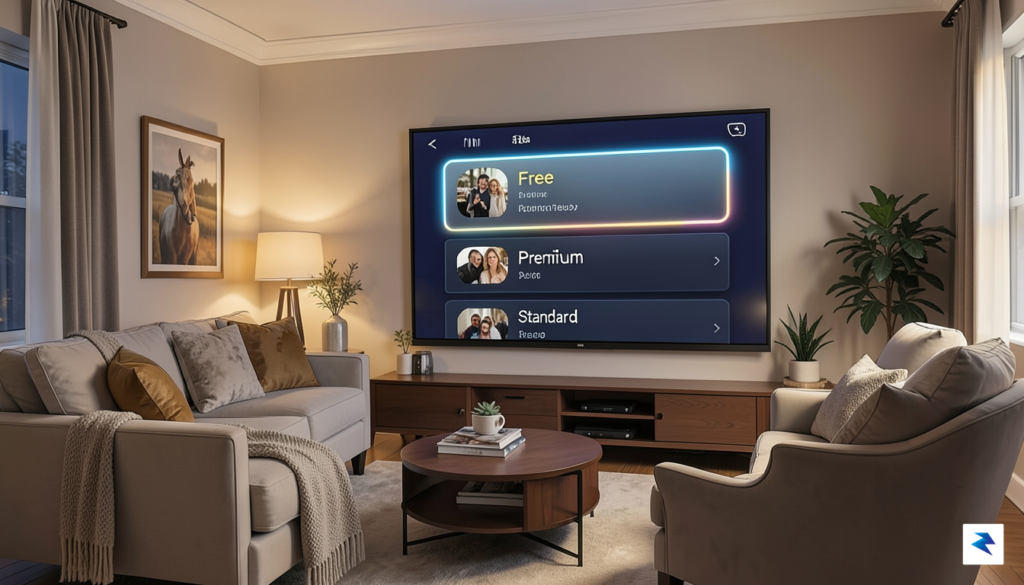
The strategic logic driving this evaluation centers on the concept of a “content funnel.” In this model, a free tier serves as a low-stakes gateway, inviting users into the Disney ecosystem without the friction of a paywall. Once these viewers are engaged with the platform’s interface and captivated by its vast library—which spans from timeless animated classics to modern franchises like Marvel and Star Wars—the company can effectively nurture them into loyal, paying subscribers. By offering a taste of the premium experience through ad-supported viewing, Disney can collect valuable data on user preferences and viewing habits, allowing for more precise marketing and content recommendations. This creates a symbiotic relationship where the free tier functions as a powerful acquisition tool, lowering churn and expanding the total addressable market.
Furthermore, this move reflects a broader industry realization regarding the hidden utility of deep back-catalogs. For years, media conglomerates have focused heavily on exclusive content to drive new sign-ups, yet much of their historical library often sits underutilized once the initial promotional window closes. By monetizing this extensive archive through an ad-supported model, Disney can extract long-term value from older titles that might not move the needle for new subscribers but still hold significant appeal for a broad, general audience.
“Transitioning to a hybrid model could allow Disney to maximize the lifespan of its creative assets, turning legacy content into a consistent revenue engine that funds future blockbusters while maintaining a presence in households that are increasingly selective about their streaming subscriptions.”
Ultimately, the decision to explore a free tier is indicative of a more flexible, data-driven approach to streaming. As the streaming wars reach a stage of maturity, the focus is shifting from simple subscriber growth at any cost to sustainable profitability and audience retention. If Disney moves forward with this plan, it would signify a transformation of the streaming experience into a more versatile product, one that meets viewers where they are, whether they are casual browsers or dedicated fans.
If Disney were to introduce a free, ad-supported tier, the most logical strategy would involve a “lean-back” experience that acts as a gateway to their premium ecosystem. Rather than offering the entire expansive library, the company would likely curate a rotating selection of content designed to entice casual viewers into becoming long-term subscribers. This might include a mix of archival television classics, first-episode previews of high-budget original series, or even a selection of “FAST” (Free Ad-Supported Streaming Television) channels that mimic the traditional broadcast experience. By limiting the scope of this tier, Disney preserves the value of its paid subscriptions while simultaneously capturing a demographic that is currently unwilling to pay a monthly fee.
Technically, Disney is already well-positioned to roll out such a feature because their current infrastructure is built to handle complex advertising logic. They have spent years refining their ad-insertion technology for the existing ad-supported tier, which can be easily adapted to manage a free version. However, the user experience would likely differ significantly; while the paid ad-tier prioritizes a seamless viewing experience with limited interruptions, a free tier might lean into a more traditional television model. This could mean longer ad breaks, strategically placed at natural narrative peaks, or even unique ad formats that are interactive, leveraging Disney’s deep connection with major global brands to create a more engaging commercial environment.
A free tier doesn’t just offer content; it acts as a funnel, using ad-supported access to convert casual viewers into loyal, paying members of the Disney ecosystem.
Furthermore, the implementation would likely be unified within the existing Disney Plus app, ensuring that the transition from free content to premium content is frictionless. Users could potentially encounter “upsell” prompts where they are invited to unlock the rest of a series by upgrading to a subscription, creating a clear path to monetization. By keeping the interface familiar and the content high-quality, Disney can maintain its reputation for premium entertainment while expanding its total addressable market. This dual approach ensures that even those not currently paying for a subscription remain deeply embedded in the brand’s digital footprint, perpetually exposed to trailers, legacy content, and the high-production values that define the Disney Plus service.
Disney’s potential entry into the free, ad-supported streaming television (FAST) market would not be taking place in a vacuum; rather, it would be a strategic pivot into an already crowded and fiercely contested landscape. Platforms such as Tubi, Pluto TV, the Roku Channel, and Amazon Freevee have successfully conditioned audiences to accept commercial interruptions in exchange for zero-cost access to deep libraries of content. While these incumbents have built their foundations on a mix of licensed back-catalog titles and niche programming, Disney brings a level of brand prestige and intellectual property depth that is currently unrivaled in the industry. By leveraging the sheer gravity of the Disney, Pixar, Marvel, and Star Wars brands, the company could effectively redefine what users expect from a “free” service, shifting the perception of FAST platforms from digital scrapheaps of older content to premium destinations for high-quality entertainment.
The introduction of a Disney-backed tier would also send significant tremors through the broader advertising ecosystem. Currently, the FAST market is fragmented, with ad rates often fluctuating based on the perceived quality of the content and the demographic reach of the platform. By introducing premium, family-friendly, and high-budget inventory into the mix, Disney would likely command higher CPMs (cost per thousand impressions) than many of its competitors. This move would force other platforms to either innovate their own content offerings to remain attractive to top-tier advertisers or risk losing market share to a service that offers both a massive, captive audience and the “brand safety” that major corporate sponsors crave. Consequently, the industry could see a consolidation of ad dollars as brands flock to the prestige associated with the House of Mouse.
The streaming wars are no longer just about subscriber acquisition numbers; they are evolving into a battle for total screen time and the ability to monetize every segment of the consumer base, regardless of their willingness to pay a monthly subscription fee.
Ultimately, this shift represents a maturation of the “streaming wars” narrative, moving away from the era of “growth at all costs” toward a more sustainable, diversified revenue model. As consumers experience subscription fatigue and look for ways to trim their monthly digital budgets, free tiers are becoming an essential retention tool for major media conglomerates. If Disney moves forward with this initiative, it will signal a tacit acknowledgment that the future of streaming lies in a hybrid model—one where the wall between premium content and accessible, ad-supported viewing is permanently dismantled. This isn’t just about competing with Pluto or Tubi; it is about Disney ensuring that its library remains the primary choice for global viewers, whether they are paying a monthly premium or watching through an ad-supported gateway.

For existing subscribers, the potential introduction of a free, ad-supported tier naturally sparks concerns regarding the future of their own user experience. The primary worry is that a shift toward free, high-volume advertising could inadvertently bleed into paid tiers, leading to increased ad loads or a degradation of platform performance. However, industry trends suggest that platforms typically delineate these experiences through strict tiering. Rather than cluttering premium accounts, Disney Plus would likely restrict the free version to a limited subset of its vast library—perhaps focusing on older catalog titles or pilot episodes—while reserving the full breadth of Marvel, Star Wars, and Pixar blockbusters for those who continue to pay. In this model, the paid subscription remains a premium sanctuary, distinct from the more commercialized, restricted environment of a free tier.
From a financial perspective, the move could actually serve as a stabilizing force for long-term subscribers who have grown weary of relentless price hikes. By attracting a massive new audience through a free tier, Disney can leverage a wider reach to appeal to advertisers, creating a sustainable revenue stream that isn’t solely dependent on membership fees. This additional income could provide the necessary cushion to offset the rising costs of producing high-budget prestige content, potentially slowing the rate of future subscription price increases for premium users. Essentially, the casual viewer who only engages with the platform sporadically becomes a source of ad revenue, while the loyal subscriber enjoys a more stable pricing environment and a continuation of the high-quality, ad-free experience they expect.
The core of the strategy lies in balancing accessibility with exclusivity; by funneling casual viewers into an ad-dense free environment, the platform can protect the value proposition of its premium tiers while expanding its total market footprint.
Ultimately, the transition toward a hybrid monetization model is a calculated response to a maturing streaming market where user acquisition has become increasingly difficult. Platforms are no longer just competing for subscribers; they are competing for attention in an economy where ad-supported content is regaining its status as a primary revenue driver. For the current Disney Plus subscriber, this evolution should be viewed as a trade-off: a more diverse platform ecosystem that encourages growth and financial sustainability without necessarily sacrificing the features that define the paid experience. As long as Disney maintains a clear demarcation between the “free” and “premium” worlds, the introduction of a lower-tier entry point may well be the key to keeping the entire service competitive in an era of shifting consumer habits.
You must be logged in to post a comment.