
Oratomic Raises $300M to Redefine the Quantum Computer Roadmap
The Quantum Computing Bottleneck For the past several years, the quantum computing sector has been firmly entrenched in the era of Noisy…
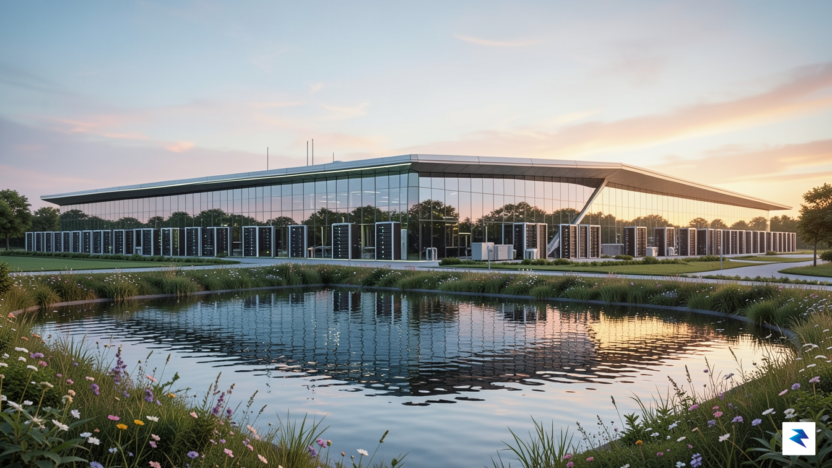

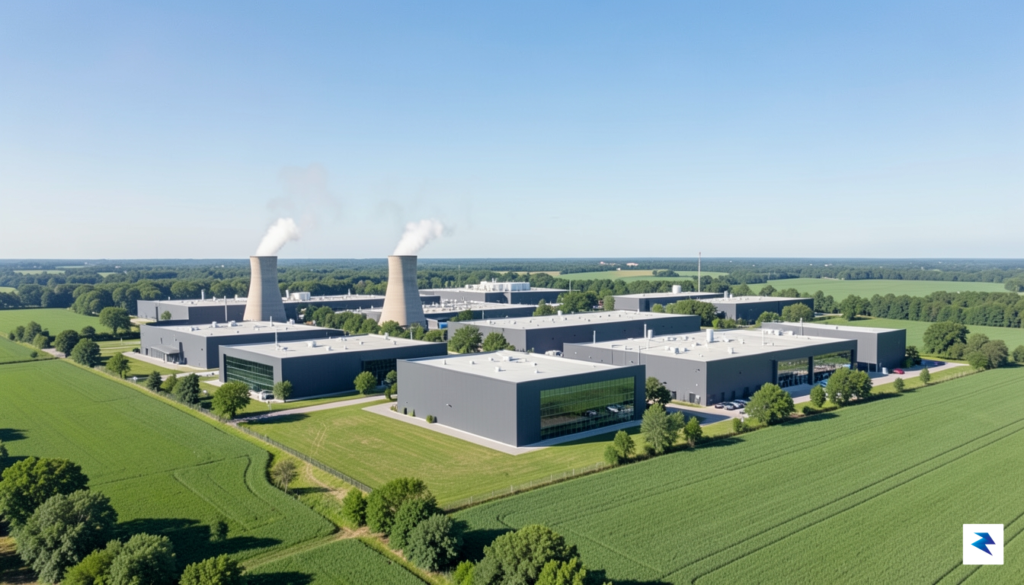
The unprecedented acceleration of the artificial intelligence sector has transformed the digital landscape, but this rapid evolution is tethered to a physical infrastructure that is increasingly difficult to ignore. While much of the public conversation surrounding AI has focused on the intellectual potential of large language models, the underlying hardware—vast arrays of high-performance GPUs and specialized chips—demands a staggering amount of energy and environmental resources. As companies race to achieve AI supremacy, the physical footprint of these massive data centers is expanding at an exponential rate. This expansion is not merely a matter of square footage; it represents a fundamental shift in how local infrastructure must manage limited natural resources to sustain the insatiable computational needs of the digital age.
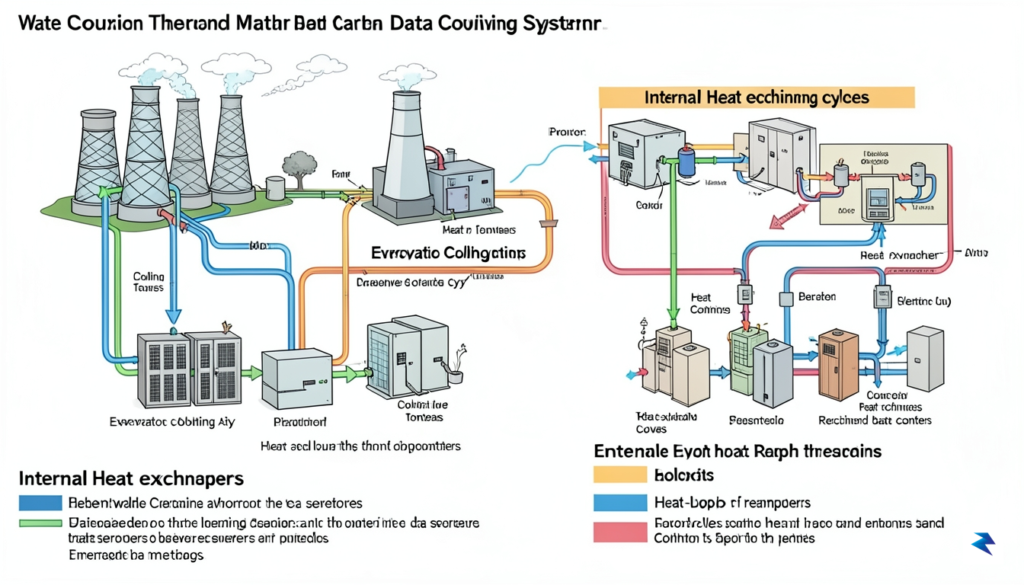
At the heart of this challenge lies the paradox of cooling. Because high-density AI servers generate immense amounts of heat, data centers rely heavily on sophisticated climate control systems to prevent hardware failure. Many facilities utilize evaporative cooling—a process that involves spraying water into the air to dissipate heat—because it is significantly more energy-efficient than traditional air conditioning. However, this efficiency comes at a steep price: the consumption of millions of gallons of potable water. While some newer facilities are transitioning toward closed-loop systems that recycle water internally, the sheer scale of current operations means that massive quantities of local water are still being evaporated, treated, and processed, creating a direct point of friction between industrial progress and the health of surrounding ecosystems.
The true cost of digital innovation is often measured in kilowatts, but as data centers continue to scale, the emerging metric of concern is the gallon.
This tension is exacerbated by the fact that data center development often outpaces the capacity of municipal water management systems. When a tech giant establishes a massive hub in a rural or semi-urban area, the local utility infrastructure is often stretched to its limit to meet these industrial demands. The resulting scarcity doesn’t just threaten the availability of water for residents and farmers; it creates complex public health risks if the management of these cooling systems is not handled with absolute precision. As we move further into the era of pervasive AI, the necessity for transparent water management strategies becomes clear. Balancing the economic benefits of hosting global tech infrastructure against the vital necessity of local resource security is no longer a peripheral concern—it is a central challenge of modern technological governance.
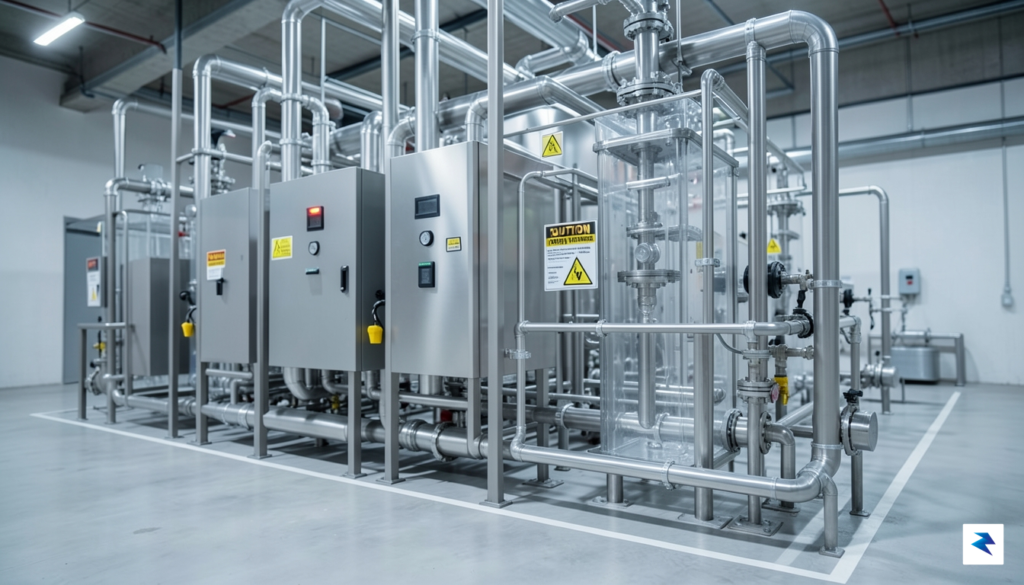
The recent controversy surrounding Meta’s data center operations in Cheyenne, Wyoming, centers on the intersection of aggressive industrial infrastructure expansion and the delicate management of local municipal resources. At the heart of the issue is the use of reclaimed water—wastewater that has been treated for non-potable uses—to cool the facility’s vast banks of servers. While reclaimed water is a standard, environmentally conscious choice for industrial cooling, local investigations revealed that the water supply associated with the facility’s operations had been linked to the presence of Legionella, a rare but dangerous bacteria capable of causing severe respiratory illness. This discovery prompted immediate concern among residents and environmental advocates, who questioned whether the rapid pace of data center development is outpacing the rigorous safety oversight required to protect public health.
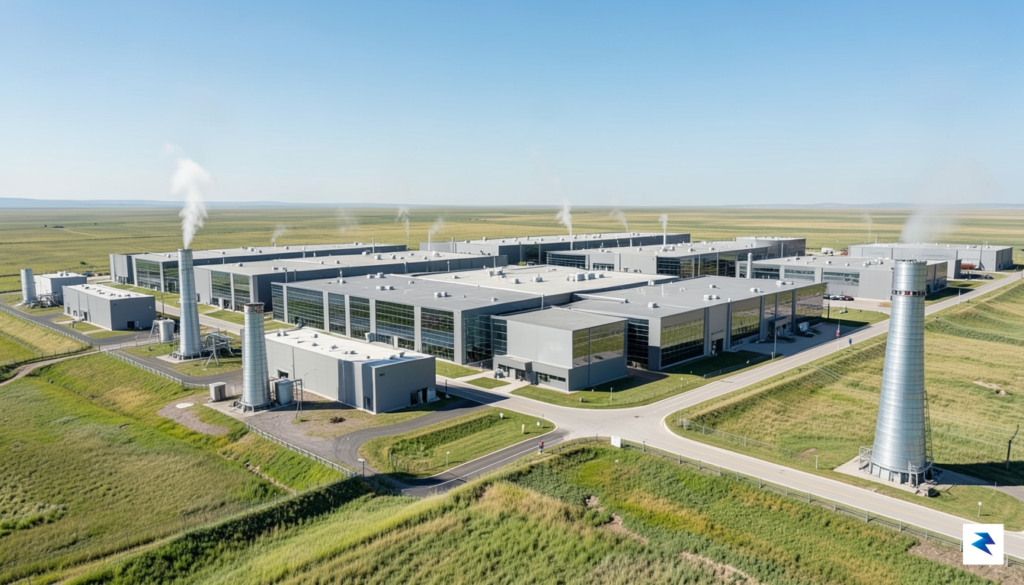
In municipal systems, reclaimed water is typically utilized for irrigation in parks, golf courses, and industrial cooling processes, specifically because it is not intended for human consumption. However, the transmission of bacteria like Legionella often occurs through aerosolization—the process where water is turned into a fine mist or spray. Because data centers utilize large-scale cooling towers that can release moisture into the surrounding air, the potential for these pathogens to migrate beyond the facility’s perimeter becomes a significant point of concern. If the treatment protocols for the reclaimed water are not perfectly maintained, or if the cooling systems themselves become contaminated through stagnation or poor maintenance, the risks of bacterial proliferation increase dramatically, posing a potential hazard to the surrounding community.
The core of the safety debate rests on the distinction between internal industrial utility and external environmental exposure; even non-potable water systems must be managed with strict biological controls to prevent the aerosolized spread of opportunistic pathogens.
Following the initial reports, local authorities and public health officials in Cheyenne initiated a series of comprehensive assessments to determine the scope of the bacterial presence and to audit the facility’s water management practices. The response focused on verifying the effectiveness of biocide treatments and ensuring that the aerosol emissions from the cooling towers remained within safe, regulated thresholds. By mandating stricter monitoring and increased transparency regarding water quality data, officials aimed to restore public confidence. This incident serves as a critical case study for other municipalities, illustrating that as large-scale AI infrastructure continues to proliferate, the technical requirements for managing industrial water usage must evolve alongside the capacity of the technology itself to ensure that the pursuit of digital progress does not compromise the fundamental safety of the local environment.
The rapid expansion of hyperscale data centers has outpaced the evolution of municipal water policy, leaving local governments to govern twenty-first-century industrial giants with mid-twentieth-century rulebooks. Historically, data center ordinances were drafted under the assumption that these facilities were relatively benign office spaces—largely focused on zoning, fire safety, and electrical grid capacity. However, as the computational demands of artificial intelligence continue to skyrocket, the cooling requirements for these facilities have transformed them into massive industrial water consumers. Because these facilities were often categorized as standard commercial entities rather than heavy industrial plants, they frequently bypassed the stringent wastewater oversight typically reserved for chemical manufacturing or large-scale agriculture.
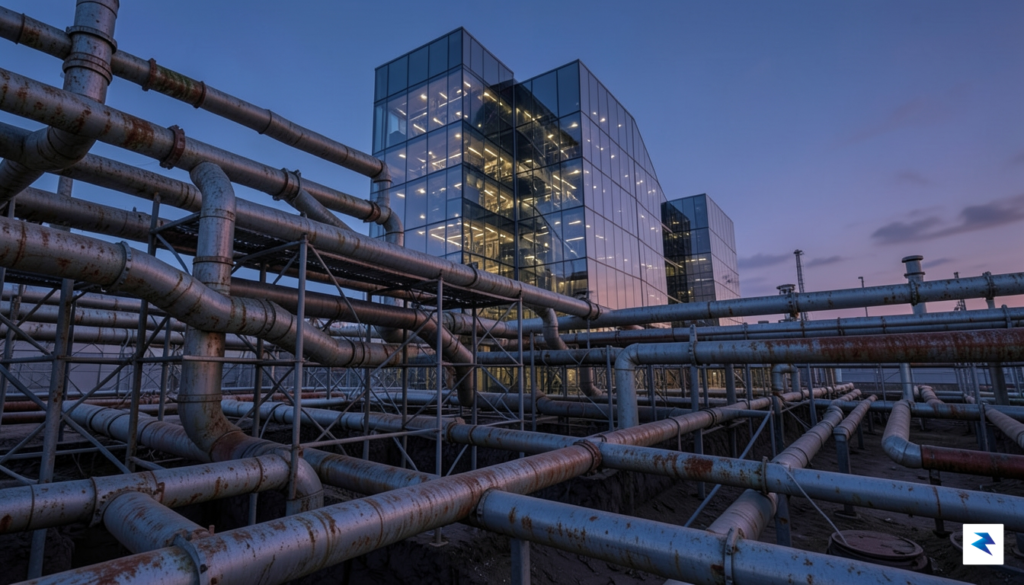
This classification gap is compounded by the industry’s recent pivot toward using “reclaimed” or treated wastewater to preserve local drinking supplies. While this is an environmentally conscious goal in theory, it introduces complex biological variables into the cooling loop. Current environmental impact assessments—often conducted years before a facility reaches full operational capacity—rarely account for the unique chemical and biological byproducts of massive, closed-loop cooling systems. When water is recycled through vast infrastructure to dissipate the heat generated by thousands of AI-focused GPUs, it can create an artificial environment where rare bacteria and biofilms thrive. Municipal utilities, designed to monitor standard residential and commercial sewage, often lack the real-time sensor technology and specialized testing protocols required to detect these specific industrial pathogens before they circulate back into the local environment.
The regulatory framework currently operates on a reactive rather than a proactive basis, leaving municipalities to address systemic environmental risks only after a public health concern has already surfaced.
Furthermore, the burden of oversight is frequently shifted to local utility boards that lack the technical expertise to audit the internal cooling water chemistry of a hyperscale facility. These utilities are often ill-equipped to enforce real-time reporting on effluent quality, relying instead on periodic self-reporting by the tech companies themselves. This creates a significant transparency gap where the intersection of industrial efficiency and public safety remains unmonitored. As these facilities become more essential to the global digital economy, the disconnect between their rapid infrastructure growth and the static nature of local water codes poses a mounting challenge. Without a comprehensive update to industrial wastewater management standards, cities remain vulnerable to the unintended consequences of the hardware that powers our modern digital lives.
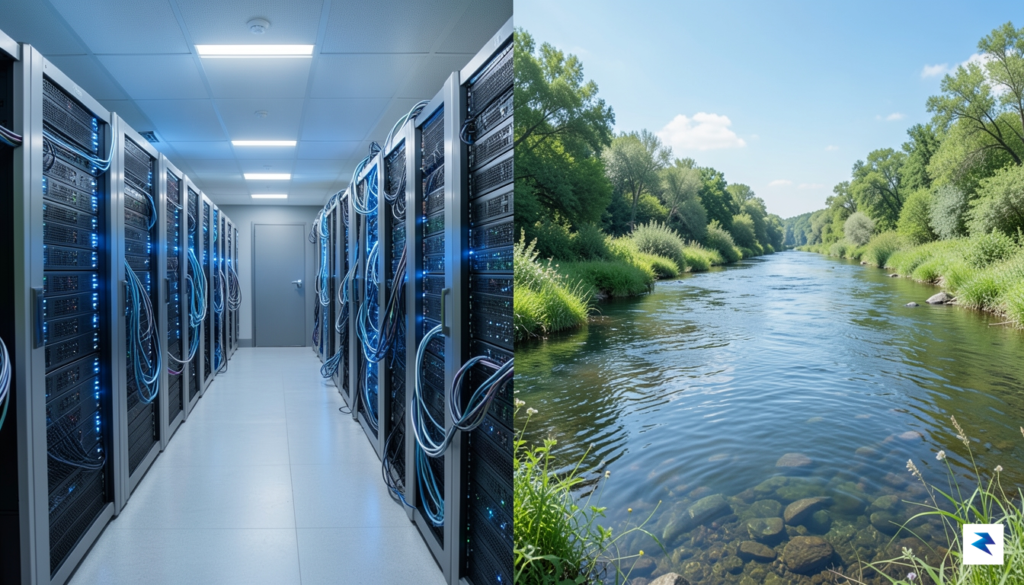
As the race for artificial intelligence dominance intensifies, the sheer physical infrastructure required to power large language models has moved from the abstract realm of software to the tangible reality of industrial engineering. For hyperscalers like Meta, data centers have become the beating heart of their operations, yet these facilities demand cooling systems that consume vast quantities of water. While the industry has spent years laser-focused on achieving carbon neutrality to mitigate climate change, water consumption has historically remained a secondary concern. However, as local communities increasingly face water scarcity and infrastructure strain, the industry is discovering that water is just as critical as electricity, if not more so, in the quest for sustainable technological growth.
The new corporate benchmark for responsible AI development is no longer just carbon reduction; it is the ambitious goal of becoming “water-positive.” This entails a commitment to returning more water to local watersheds than the facility consumes throughout its operational lifecycle. Achieving this requires a sophisticated, multi-layered approach to water management, moving beyond simple consumption monitoring toward advanced reclamation and recycling systems. Companies are now tasked with retrofitting legacy cooling towers with closed-loop technologies that minimize evaporation, alongside investing in massive local restoration projects to replenish the aquifers their facilities draw from. The challenge, however, lies in the fact that these technological fixes are often expensive and difficult to scale across a global network of hyper-dense computing clusters.

The recent concerns regarding water safety and potential bacterial contamination at data center sites serve as a stark reminder that technological ambition cannot exist in a vacuum. Effective water filtration and advanced UV treatment protocols are essential, yet they are only as reliable as the maintenance cycles and transparency standards governing them. When a corporation operates at the scale of a major tech giant, the environmental footprint is not merely a line item in an annual sustainability report; it is a shared resource that belongs to the local community. Without rigorous, transparent oversight—where data on water quality and consumption is made readily available to the public—the trust necessary for hosting these massive facilities quickly erodes.
True sustainability in the AI era is defined by a company’s ability to operate in harmony with local ecosystems, ensuring that the thirst for computational power does not jeopardize the safety or abundance of the community’s water supply.
Ultimately, the path forward requires a shift in corporate culture that treats water stewardship with the same urgency as data security. It is not enough to simply meet regulatory minimums when the local water table is at risk or when municipal infrastructure is being pushed to its limits. By integrating real-time monitoring, investing in circular water technologies, and maintaining an open dialogue with local stakeholders, companies can attempt to bridge the gap between their relentless pursuit of AI innovation and the fundamental necessity of environmental protection. The future of the digital age depends on proving that technological progress does not have to come at the expense of our most precious natural resource.
The recent health concerns linked to data center operations serve as a stark wake-up call for the entire technology sector. As artificial intelligence continues to drive unprecedented demand for computational power, the physical infrastructure supporting these models has transitioned from a background necessity to a dominant feature of our local landscapes. This evolution requires a fundamental shift in how corporations approach environmental integration, moving away from passive resource consumption toward a model of active, transparent, and rigorous stewardship. To ensure that AI development does not come at the expense of public health, the industry must adopt a proactive stance that treats every data center site as a critical node in a shared, vulnerable ecosystem.
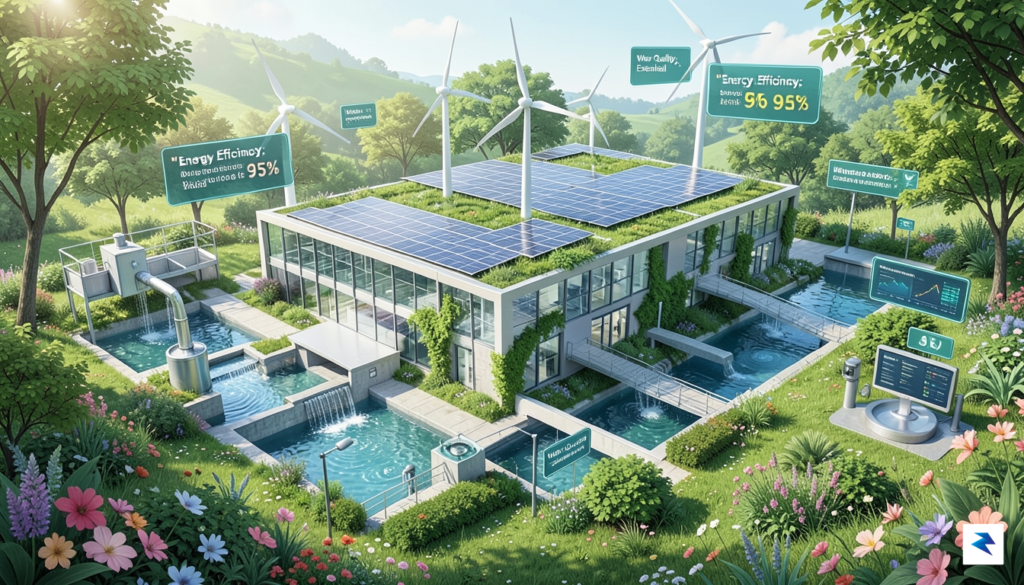
A primary pillar of this new framework must be the implementation of advanced, multi-stage filtration and monitoring technologies at the source. It is no longer sufficient to rely on municipal systems to handle the complexities of industrial water usage; instead, private operators should shoulder the responsibility of deploying state-of-the-art treatment facilities that neutralize biological and chemical threats before water is ever introduced into the cooling loop. By investing in redundant, high-precision detection sensors—capable of identifying rare pathogens or chemical imbalances in real-time—companies can create a vital buffer zone that protects local water supplies from accidental contamination.
True sustainability in the age of AI is defined not just by energy efficiency, but by the physical safety and ecological health of the communities that host our digital infrastructure.
Furthermore, the tech industry must abandon the siloed approach to operational planning in favor of collaborative governance models. This means engaging in deep, ongoing partnerships with local municipalities, environmental agencies, and public health officials long before a facility breaks ground. These governance frameworks should mandate radical transparency, where water quality data is shared openly with the public and local oversight committees have the authority to pause operations if safety benchmarks are not met. Such partnerships foster trust and ensure that the specific geological and biological risks of a region are accounted for during the design phase, rather than discovered through a public safety scare.
Ultimately, the industry must prioritize human safety over the pursuit of operational convenience. The speed at which AI infrastructure is deployed should never outpace the implementation of safety protocols. As we look toward a future dominated by large-scale computing, the tech giants leading this charge must demonstrate that they can grow without endangering the communities they inhabit. By establishing rigorous industry-wide standards for water safety, adopting circular water cooling technologies, and committing to third-party safety audits, the sector can transform its image from that of an indifferent consumer to one of a responsible, safety-conscious neighbor. Anything less is a gamble with public health that the modern digital economy cannot afford to take.
You must be logged in to post a comment.