
How Google’s New Gemini Quota System Works (And How to Monitor Your Usage)
Understanding the Shift: Google's New Gemini Quota System For a long time, users became accustomed to a relatively straightforward…

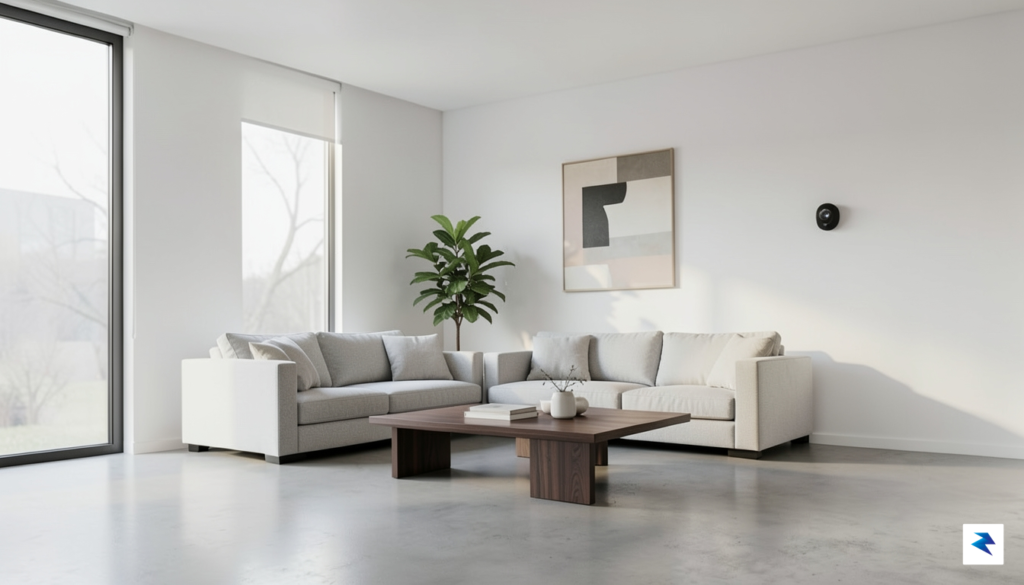
In an era where smart home technology is increasingly defined by constant visual monitoring, a growing number of homeowners are pushing back against the normalization of living under a digital lens. While cameras have long been marketed as the gold standard of home protection, they introduce significant vulnerabilities that extend far beyond simple hardware failure. Entrusting your most intimate spaces to cloud-based video storage creates a permanent target for data breaches, and the constant presence of a lens can erode the very sense of sanctuary your home is meant to provide. For many, the mental load of managing surveillance—often referred to as “surveillance fatigue”—outweighs the perceived benefits of being able to check a live feed from halfway across the world.

The fundamental misconception in modern home security is the belief that safety requires constant observation. True security is about awareness and response, not necessarily visual documentation. By shifting the focus away from cameras, we can leverage sophisticated sensor technology that provides robust protection without sacrificing the sanctity of private life. Motion detectors, contact sensors, and glass-break alarms operate on the principle of detecting specific, actionable events rather than recording the day-to-day life of a household. This approach allows for a highly responsive security posture that respects the inhabitant’s boundaries, ensuring that you are alerted only when something is truly amiss, rather than being subjected to a continuous stream of video metadata.
True home security should empower you to feel safe within your walls, not like an actor in a never-ending surveillance film.
Transitioning to a camera-free ecosystem also offers a more reliable and less intrusive way to manage home automation. When you utilize infrared motion sensors or ultrasonic detectors, the system functions invisibly, integrating seamlessly into the architecture of your home. These devices can trigger lighting, sound alarms, or send discreet notifications to your smartphone the moment an unauthorized entry is detected, all while keeping your domestic activities entirely offline and private. This high-tech, yet low-profile, method of monitoring effectively eliminates the risk of sensitive video data being intercepted or mishandled. By prioritizing non-visual sensors, you reclaim your home as a space of genuine comfort, proving that you can maintain a formidable defense against intruders without ever needing to look through a lens.
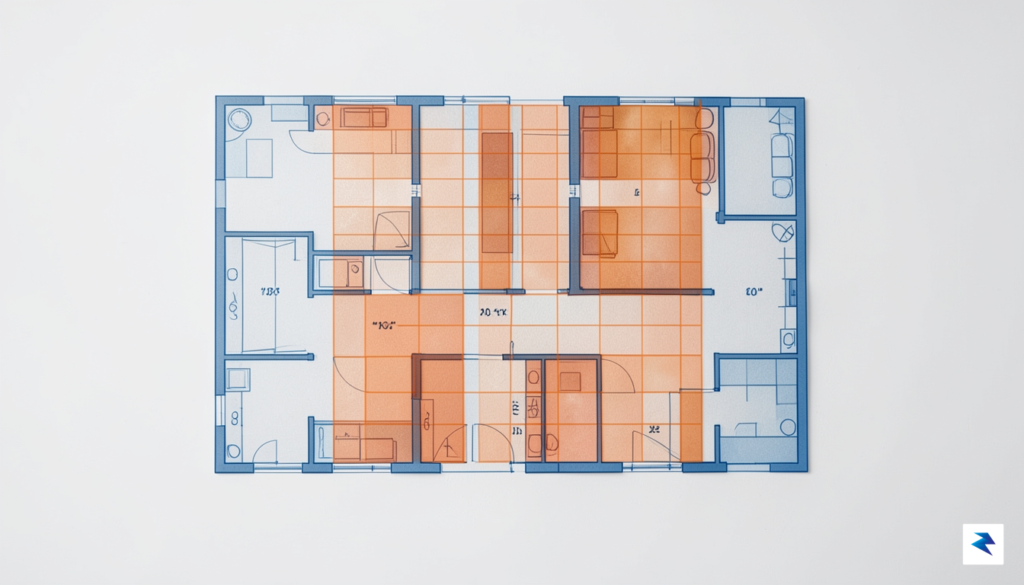
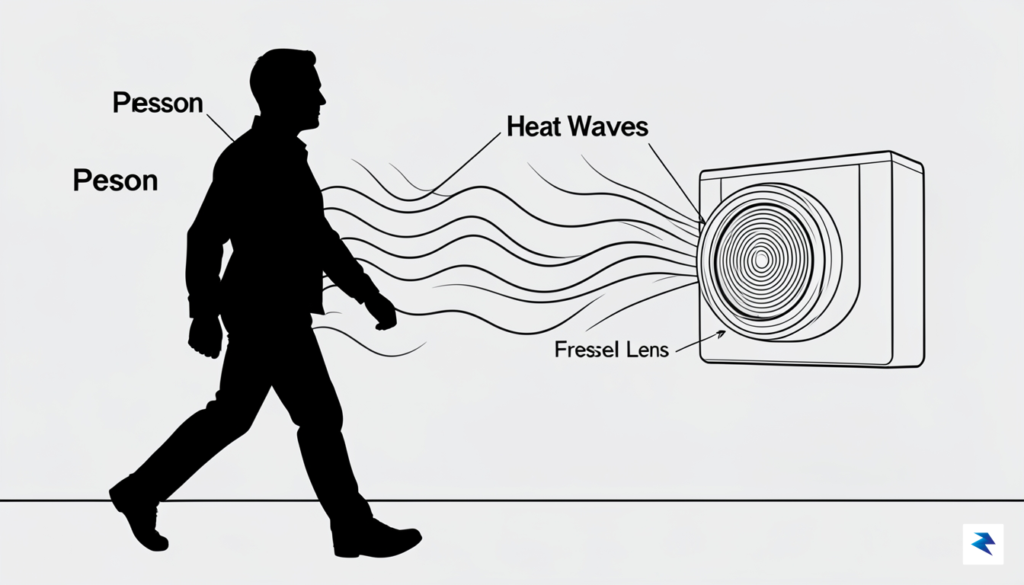
At the core of a truly private smart home ecosystem lies the Passive Infrared (PIR) sensor, a sophisticated piece of hardware designed to monitor your space without ever recording a single pixel. Unlike security cameras that rely on complex image processing and pattern recognition to identify movement, a PIR sensor functions by monitoring the ambient environment for fluctuations in infrared radiation. Every living being naturally emits heat in the form of infrared energy, and these sensors are engineered to detect the specific wavelength of heat produced by the human body. When an individual enters the sensor’s field of view, the device registers a sharp change in thermal intensity, which triggers the alert or automation sequence you have configured, effectively distinguishing between a static room and an active one while maintaining total visual anonymity.
The operational reliability of PIR technology often exceeds that of visual-based motion detection, especially in challenging lighting conditions. Because camera-based systems rely on pixels to discern changes in a frame, they are frequently prone to errors caused by shifting shadows, light glinting off surfaces, or even sudden changes in cloud cover. In contrast, PIR sensors are largely immune to these environmental light variations because they are not “looking” at the room at all; they are merely “feeling” the temperature. This makes them significantly more robust for use in dark hallways, basements, or entryways where a camera might struggle to achieve a clear, reliable image. By focusing exclusively on thermal signatures, these devices provide a consistent performance level that remains unaffected by the time of day or the quality of ambient illumination.
PIR sensors offer the gold standard for privacy-focused security because they detect the presence of life without ever interpreting the visual identity of the occupant.
Despite their technical prowess, homeowners often harbor misconceptions regarding sensor sensitivity and the potential for false triggers. It is important to understand that a PIR sensor is essentially a differential device; it looks for movement across multiple segments of its field of view, often defined by a Fresnel lens that segments the area into “hot” and “cold” zones. False triggers—such as a pet walking by or a draft from an HVAC vent—usually occur because the sensor has been placed in a high-traffic area or near an active heat source. To minimize these occurrences, modern sensors allow for sensitivity adjustments and zone masking, ensuring that your system remains responsive to human movement while ignoring the day-to-day fluctuations of your home environment. When calibrated correctly, these sensors provide a seamless, invisible layer of protection that respects your privacy while keeping you informed of activity throughout your property.
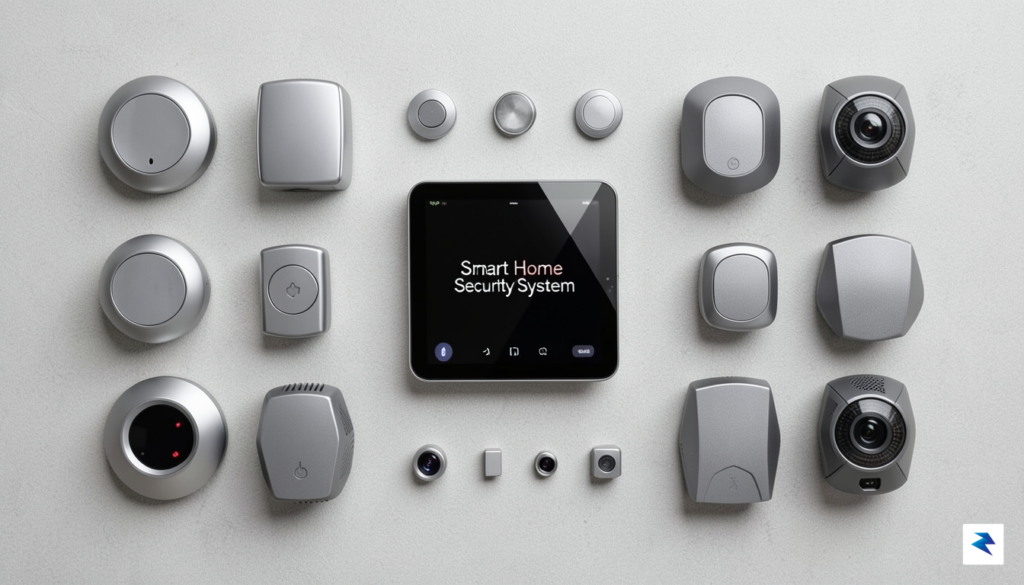
Creating a robust, camera-free security network requires a layered approach that prioritizes perimeter integrity and instant notification over visual monitoring. At the foundation of this system are door and window contact sensors, which utilize magnetic reed switches to detect the exact moment an entry point is breached. These compact devices are arguably the most essential hardware in your arsenal; when a magnet pulls away from the sensor, an instantaneous signal is sent to your network, ensuring you are alerted to unauthorized access the second it happens. Because they rely on simple binary logic—open or closed—they provide a high level of reliability without the privacy concerns associated with constant optical surveillance.
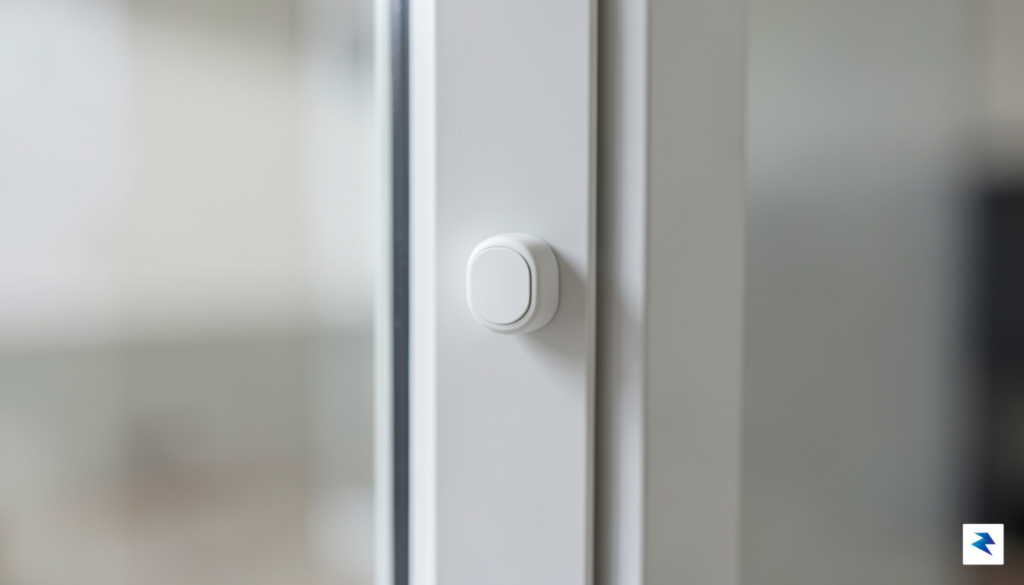
To augment your perimeter, glass-break sensors offer an essential secondary layer of protection by monitoring for the specific acoustic frequencies generated by shattering windows. Unlike motion detectors that might be triggered by pets or shifting shadows, these devices are tuned to the precise decibel levels and rapid frequency changes synonymous with glass breaking. This acoustic detection technology is highly effective at identifying forced entry attempts before an intruder even crosses the threshold of your home. By placing these sensors in rooms with large windows or glass-paneled doors, you create a “sonic fence” that triggers an immediate alarm response while maintaining complete visual anonymity.
For areas where physical installation is difficult or where you wish to monitor non-entry surfaces, vibration sensors serve as a versatile, non-invasive solution. These sensitive accelerometers can be attached to walls, cabinets, or even specific furniture pieces to detect unusual impact or persistent shaking. Whether someone is attempting to pry open a window frame or tampering with a secured safe, these sensors translate physical disturbance into digital alerts. They provide a sophisticated way to monitor the integrity of your home’s structure without ever requiring a line of sight.
The strength of a camera-free system lies in its interconnected nature; every sensor acts as a silent sentry that functions independently yet reports to a singular, unified intelligence.
Ultimately, none of these components would be effective without a centralized smart home hub to bridge the communication gap. This hub acts as the brain of your security ecosystem, aggregating data from every contact, glass-break, and vibration sensor into one cohesive dashboard. By utilizing local communication protocols like Zigbee, Z-Wave, or Thread, a central hub ensures that your sensors can communicate with one another—and with your notification system—without needing to rely on intrusive cloud-based video processing. This architecture not only enhances your privacy but also guarantees that your security system remains functional even if your internet connection experiences an outage, providing true peace of mind through engineering rather than observation.
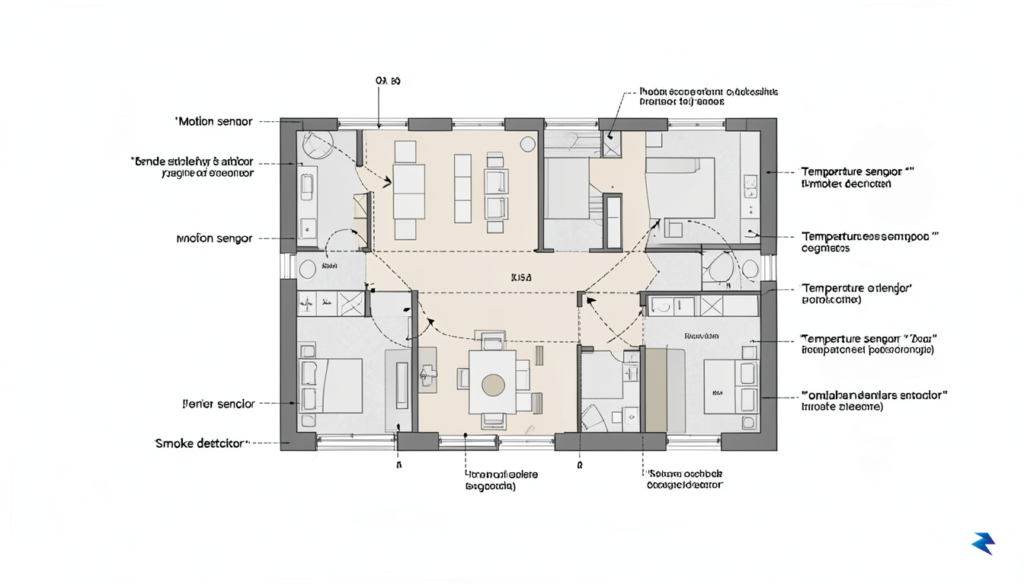
To effectively secure your home without relying on intrusive cameras, you must think of your sensor layout as a geometric puzzle. The goal is to establish a “virtual net” where any unauthorized movement triggers an alert before an intruder can reach your valuables. Most motion sensors operate using Passive Infrared (PIR) technology, which detects heat signatures moving across a field of vision. Because these sensors are most sensitive when an intruder walks *across* their detection beam rather than directly toward them, you should mount your devices in corners or along walls where they can sweep the entire width of a room. By positioning them strategically, you force an intruder to cross the sensor’s path regardless of which direction they approach from.
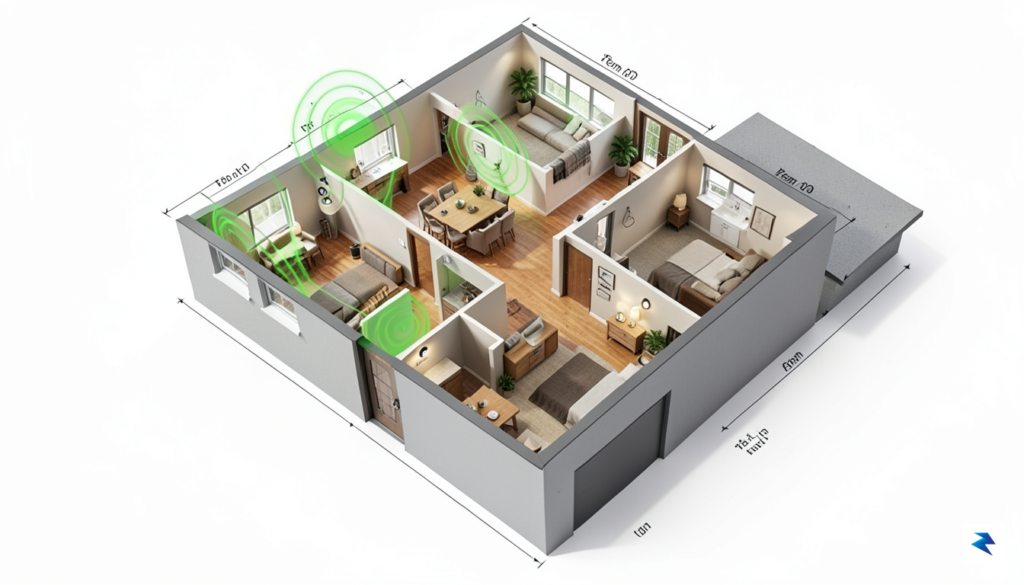
Identifying your home’s “choke points” is the most efficient way to maximize limited hardware. Think of these as the transition zones where a person must pass to move from one area of the house to another, such as narrow hallways, staircase landings, or the threshold between a living room and a kitchen. By focusing your sensors on these bottlenecks, you can achieve comprehensive coverage with fewer devices, ensuring that no one can navigate the interior without being detected. Prioritize all ground-floor access points, particularly windows and doors hidden from street view, as these are the most common vulnerabilities for forced entry. Placing a sensor in a foyer or near a back door provides an immediate early warning system that protects the entire perimeter.
Strategic placement isn’t just about covering space; it’s about creating a series of overlapping zones that leave no blind spots for an intruder to exploit.
However, the efficacy of your network depends on minimizing false alarms, which can lead to “alarm fatigue” and cause you to ignore valid alerts. To prevent interference, avoid aiming sensors directly at heat sources like HVAC vents, radiators, or south-facing windows where sunlight can trigger a false positive as temperatures shift. If you share your home with pets, look for “pet-immune” sensors that ignore movement below a certain weight threshold, or mount your standard sensors higher on the wall and angle them downward to stay above the pet’s typical line of travel. By carefully calibrating these zones and testing them during both day and night, you can create a robust, reliable security perimeter that alerts you to genuine threats while maintaining the peace and privacy of a camera-free household.
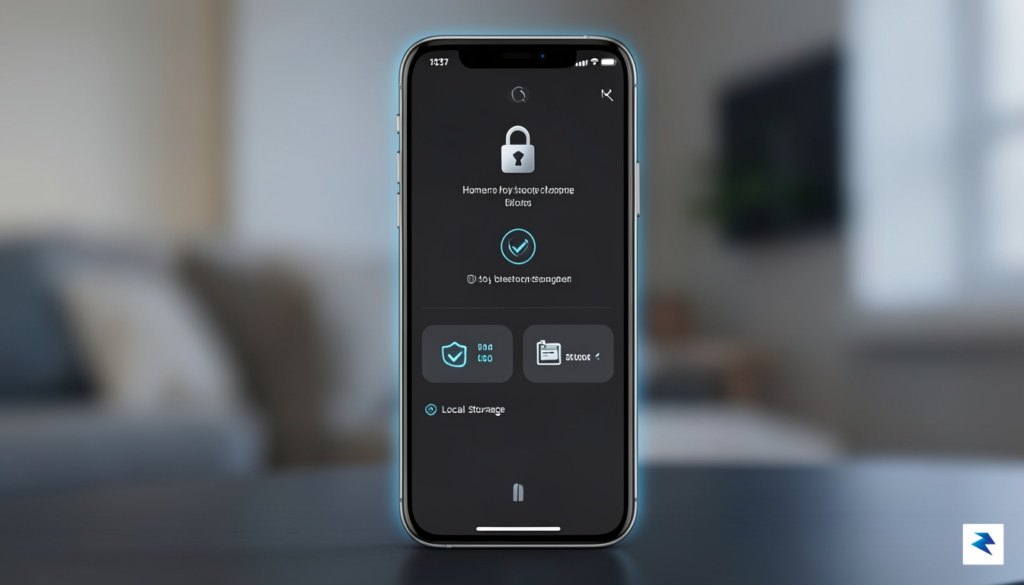
Building a robust security system that avoids the privacy pitfalls of cloud-reliant gadgets begins with a fundamental shift in architecture: prioritizing local processing over remote server dependencies. Most mainstream smart home devices rely on sending data to external cloud servers to trigger commands, which introduces both latency and significant data privacy vulnerabilities. By opting for a local-first ecosystem, your motion sensors, door contact triggers, and smart lights communicate directly with a central hub physically located inside your residence. This ensures that even if your internet connection experiences an outage, your automated security routines remain fully functional and, more importantly, your activity logs never leave the four walls of your home.
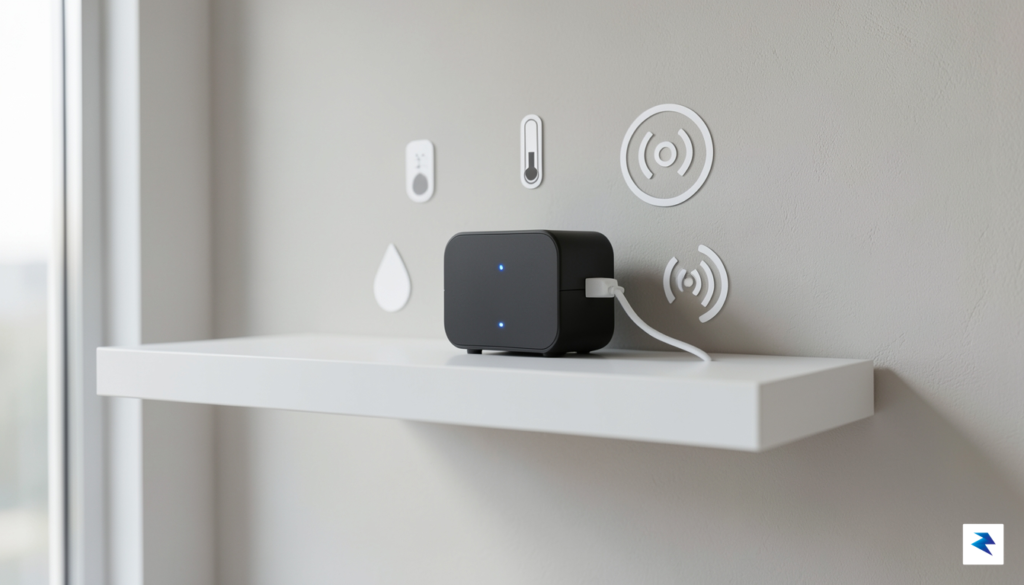
To achieve this level of privacy, look for hubs and devices that support open-standard communication protocols like Zigbee, Z-Wave, or the newer Matter-over-Thread. These technologies are inherently designed for local mesh networking, allowing your sensors to talk to your hub without needing to “phone home” to a corporate manufacturer’s server. Brands such as Home Assistant Green, Hubitat, or specialized Z-Wave controllers offer a powerful foundation for users who want to be the sole custodians of their data. When shopping for sensors, avoid devices that mandate a proprietary cloud account for basic functionality; instead, prioritize hardware that offers open API access or local integration capabilities, ensuring that your security data stays off the grid.
True digital sovereignty in the home is only possible when your automation logic exists entirely on your local hardware rather than in a remote cloud database.
Once your local hub is established, the real power lies in creating sophisticated automated alerts that don’t rely on expensive, privacy-invasive third-party monitoring services. You can configure your local ecosystem to trigger a variety of immediate physical responses the moment a motion sensor or contact sensor is tripped. For instance, you can program your system to instantly turn on specific smart lights in the hallway, activate a loud local siren, or send a secure push notification directly to your smartphone via a self-hosted server. Because the entire logic chain—from the detection of movement to the activation of the alarm—happens on your local network, you eliminate the risk of your home security patterns being harvested for marketing data or exposed through a cloud-based security breach.
Ultimately, transitioning to a locally controlled smart home requires a bit more technical upfront planning, but the payoff is absolute peace of mind. By removing the “middleman” of cloud monitoring, you effectively harden your home against external digital intrusion while gaining a more responsive, reliable security system. Your smart home should be a sanctuary of privacy, not a stream of metadata, and by insisting on local hardware, you ensure your residence remains exactly that.

True security is far more than a collection of high-definition lenses staring back at you from every corner of your living space; it is the fundamental feeling of safety and autonomy within your own four walls. By shifting the focus toward non-visual sensors—such as infrared motion detectors, door and window contact sensors, and glass-break acoustic monitors—you can establish a robust perimeter that alerts you to genuine threats without turning your private residence into a broadcast studio. This approach acknowledges that the most effective security system is one that integrates seamlessly into your life, providing peace of mind through precision rather than persistent surveillance. When you choose to protect your home through these discreet, data-mined alternatives, you reclaim the sanctity of your private life, proving that modern vigilance does not require a constant, digital eye.
Adopting a privacy-first mindset requires a fundamental rethink of what we define as a “protected” home. It is easy to get caught up in the marketing hype of ubiquitous video streaming, but true reliability comes from systems that function quietly in the background, only intervening when an actual breach occurs. By prioritizing sensors that detect physical motion or environmental changes rather than capturing visual data, you eliminate the risks associated with cloud storage vulnerabilities, potential hacking of live feeds, and the psychological burden of feeling watched in your most intimate moments. This shift is not about sacrificing safety; rather, it is about setting boundaries that respect the human need for solitude while maintaining an uncompromising standard of property protection.
True security is found at the intersection of technological awareness and personal boundaries, where the goal is to protect your property while preserving the peace of your private life.
Ultimately, the future of home protection lies in the ability to balance convenience with the necessity of personal space. You do not need to choose between being safe and being private; the market for camera-free technology is more sophisticated than ever, offering tools that are as responsive and intelligent as their visual counterparts. By curating a system that relies on motion detection, vibration sensors, and smart entry alerts, you empower yourself to react to threats immediately without the compromise of constant monitoring. As you move forward in designing your own smart home environment, remember that your comfort is the ultimate measure of security. When you trust your instincts and invest in technology that honors your right to be undisturbed, you create a sanctuary that is as secure as it is serene.
You must be logged in to post a comment.