Why GTA VI Is the Most Anticipated Game in History
The Cultural Phenomenon of GTA VI The wait for the next chapter in the Grand Theft Auto saga has transcended the typical hype cycle associated…


As we move through the economic landscape of 2026, the definition of a “good deal” has shifted from simple impulse gratification to a more disciplined pursuit of long-term utility. In an era where inflation and market volatility have become constant variables in our monthly budgets, intentional spending is no longer just a financial tip—it is a foundational survival strategy. Prime Day serves as a pivotal moment to recalibrate your household inventory, allowing you to acquire high-quality tools and technologies that streamline your daily routine without compromising your fiscal health. By focusing our attention on items priced under $100, we effectively mitigate the risk of long-term debt while still securing significant upgrades that offer immediate, tangible improvements to our quality of life.

Adopting a “sub-$100” threshold is a deliberate tactic to ensure that your purchases remain within the realm of manageable expenses, preventing the kind of “lifestyle creep” that often accompanies larger retail events. When you limit your spending to this price tier, you force yourself to prioritize products that offer genuine reliability and high utility rather than those that are merely trendy or flashy. Our selection criteria for this year’s list were rigorous: we looked for items that provide longevity, solve a persistent daily problem, and have been vetted by consistent, long-term user performance. This approach ensures that every dollar spent is an investment in efficiency, helping you maintain a high standard of living even when the broader economy suggests caution.
True value is found at the intersection of necessity and durability; a sub-$100 purchase that lasts for years is always a better bargain than a premium item that fails in months.
Ultimately, smart shopping in 2026 is about reclaiming control over your personal finances while refusing to settle for low-quality goods. By curating a list of essential, highly-rated items that fall comfortably under the century mark, we aim to help you navigate the noise of Prime Day with clarity and purpose. Whether it is an upgrade to your kitchen tools, a boost to your digital workspace, or a meaningful addition to your home maintenance kit, these deals represent the best balance between cost-effectiveness and performance. By focusing on these high-value, low-friction acquisitions, you can successfully enhance your home environment without the weight of financial strain, proving that excellence does not always require a premium price tag.

Technology should simplify your life, not complicate your budget. In an era where flagship devices often command four-figure price tags, the concept of “diminishing returns” becomes increasingly relevant for the savvy consumer. This economic principle suggests that after a certain point, the incremental improvements in performance—such as a slightly faster processor or a negligible increase in screen resolution—no longer justify the massive leap in cost. By focusing on the sub-$100 market, you can identify a “sweet spot” where hardware delivers roughly 90% of the premium experience for a fraction of the investment, allowing you to achieve meaningful upgrades without financial strain.
When it comes to wireless earbuds, the gap between entry-level models and luxury alternatives has narrowed significantly. Modern budget-friendly options now prioritize essential features that were once reserved for professional-grade gear, specifically focusing on active noise cancellation (ANC) and multi-day battery endurance. By utilizing advanced chipset efficiencies, these affordable earbuds can now provide immersive sound isolation that effectively mutes the ambient roar of a commute or the hum of an office air conditioner. When shopping for these deals, look for models that offer at least six hours of continuous playback, as this reliability ensures your tech remains a tool for productivity rather than a source of charging anxiety.
While smartphones are ubiquitous, they often serve as a source of constant distraction, which is why dedicated e-readers remain a top investment for readers. These devices have matured into specialized hardware that mimics the physical sensation of paper, utilizing glare-free electronic ink displays that are gentle on the eyes during long reading sessions. Because e-readers are designed for a singular purpose, they avoid the bloat of notifications and multitasking, allowing for a deeper focus that tablets simply cannot match. Investing in an e-reader under $100 provides access to a portable library capable of holding thousands of titles, effectively replacing heavy bookshelves with a device that fits comfortably in a coat pocket or small bag.
The true value of an upgrade is measured not by its technical specifications, but by how seamlessly it integrates into your daily routine to remove friction and enhance your focus.
Ultimately, prioritizing these specific tech categories allows you to curate a high-functioning digital ecosystem. By choosing hardware that excels in its specific domain—whether it is silencing the world around you or providing a sanctuary for reading—you can build a setup that feels premium and intentional. These sub-$100 selections prove that you do not need to overspend to enjoy the latest advancements in consumer electronics, provided you know exactly which features translate into real-world utility.

Oftentimes, the most profound improvements to our daily quality of life do not come from massive renovations or expensive overhauls, but rather from the small, intentional upgrades we make to our personal environments. By focusing on ergonomic tools and smart utility gadgets, you can transform a cluttered or uncomfortable workspace into a hub of efficiency. For those spending hours at a desk, investing in high-quality ergonomic accessories—such as memory foam wrist rests, adjustable monitor stands, or high-CRI LED task lighting—can significantly reduce physical strain. Proper task lighting, in particular, is an underrated productivity booster; by reducing eye fatigue through adjustable color temperatures, you can maintain focus for longer stretches without the mid-afternoon burnout associated with harsh overhead bulbs.

Beyond the workspace, streamlining your daily rituals in the kitchen can save precious minutes that add up over the course of a week. Precision technology, such as digital food scales that offer sub-gram accuracy, removes the guesswork from meal prep, ensuring consistent results whether you are brewing a pour-over coffee or following a complex recipe. Furthermore, the integration of smart hydration tools, like self-cleaning water bottles that track your intake, acts as a subtle but effective nudge toward maintaining better physical health throughout the day. When your environment supports your goals rather than impeding them, you gain a sense of cognitive clarity that translates directly into better performance and relaxation.
True productivity is not about working harder, but about optimizing your surroundings so that your best habits become your default behavior.
Managing the “digital tangle” is another critical component of a stress-free home. Cable management solutions, including adhesive clips, braided cable sleeves, and under-desk trays, are essential for maintaining a visual sense of order. When your physical space is free of cord clutter, your mental space often follows suit, leading to a more serene atmosphere conducive to deep work. Integrating these subtle improvements—from the way you light your room to the way you organize your cables—creates a cumulative effect. By choosing tools that prioritize both longevity and functionality, you are not just buying gadgets; you are investing in a more sustainable, comfortable, and efficient lifestyle for the year ahead.

Gone are the days when automating your living space required a massive financial investment and a degree in electrical engineering. Today, the barrier to entry has crumbled, allowing anyone to curate a responsive, efficient home environment for less than the cost of a high-end dinner. By leveraging essential entry-point devices, you can transform a standard apartment or house into a cohesive system that prioritizes both security and daily convenience. The key to this evolution lies in starting small—focusing on high-impact, low-cost hardware that addresses your specific pain points, whether that is monitoring your front door or ensuring your lights aren’t left running when you leave for work.
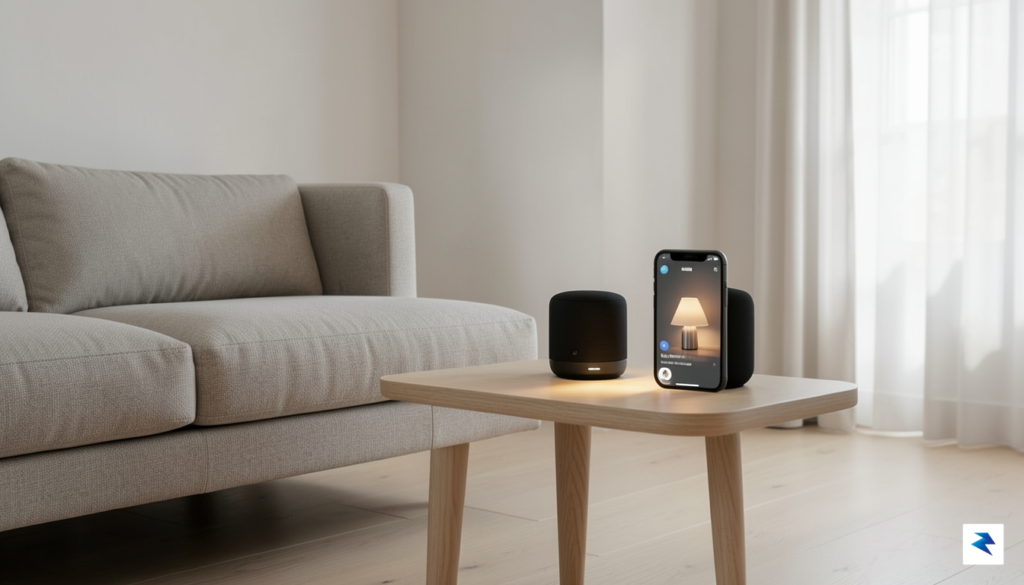
The most accessible gateway into a smart home is the humble smart plug. These unassuming devices act as the bridge between your “dumb” appliances and your digital ecosystem, allowing you to control coffee makers, floor lamps, or humidifiers remotely. By setting schedules or using voice commands, you gain immediate control over your energy consumption and home ambiance. Complementing these are basic home security cameras, which have become remarkably affordable without sacrificing critical features like motion detection, two-way audio, and cloud storage. Installing a single camera near a primary entryway provides immense peace of mind, acting as a watchful eye that alerts you to package deliveries or unexpected visitors while you are away.
To tie these components together, a reliable smart speaker serves as the central command center. Modern entry-level speakers offer surprisingly robust audio quality alongside sophisticated virtual assistants capable of coordinating your connected devices. When you pair a smart speaker with your plugs and cameras, you create an interoperable web where a single voice command can simultaneously lock your doors, turn off the lights, and activate your security monitoring. This level of synchronization turns individual gadgets into a unified, intelligent home infrastructure.
Success in smart home integration isn’t about buying the most expensive gear; it’s about choosing devices that communicate fluently with one another to solve your daily frustrations.
If you are looking to start your journey without overspending, begin by identifying one recurring inconvenience in your routine and addressing it with a single, dedicated device. Avoid the temptation to purchase comprehensive “starter kits” that include unnecessary sensors or features you aren’t ready to manage yet. Instead, focus on building your ecosystem incrementally. By selecting devices that support universal communication standards—such as Matter or Thread—you ensure that your current budget-friendly purchases will remain compatible with future upgrades. This methodical, feature-focused approach allows you to build a sophisticated, customized environment that grows alongside your needs, ensuring that every dollar spent contributes directly to a more modern and secure way of living.

While events like Prime Day capture our attention with their flash sales and limited-time offers, true savings extend far beyond these designated shopping holidays. Developing a smart shopping mindset is a continuous journey, ensuring you consistently secure the best prices for the products you need, regardless of the calendar. This proactive approach involves understanding market dynamics and leveraging readily available tools to transform you from a reactive shopper into a strategic consumer.
One of the most powerful strategies for maximizing savings is the intelligent use of price-tracking tools. Services like CamelCamelCamel, specifically designed for Amazon, or broader browser extensions such as Keepa or Honey, are invaluable allies in this quest. These tools allow you to view an item’s historical price fluctuations, revealing its lowest, highest, and average selling prices over time. By setting up price alerts, you can receive notifications the moment a product drops to your desired price point, ensuring you never miss a genuine deal and can confidently assess whether a current “sale” price is truly a bargain or just a marketing ploy.

Furthermore, adopting a ‘wait-and-see’ approach for non-urgent purchases can yield significant dividends. Instead of succumbing to the pressure of immediate gratification or the fear of missing out on a perceived deal, exercise patience. If an item isn’t immediately essential, add it to your wishlist or set a price alert using your tracking tool of choice. This strategy often results in purchasing the item at a substantially lower price later on, especially as product cycles evolve or competing retailers introduce their own sales. It also helps in curbing impulse buys, allowing for more thoughtful and budget-conscious decisions over time.
A critical skill for any savvy consumer is the ability to distinguish between genuine discounts and what can sometimes be termed “fake” or misleading price drops. Retailers occasionally employ tactics like temporarily raising an item’s price just before a major sale event, only to then “discount” it back to its original or even a slightly higher price. Without historical data, this can appear to be a significant saving. Price-tracking tools are incredibly effective at exposing these practices by showing you the item’s true price history. Always compare the current sale price not just to the advertised original price, but to the item’s average price over the past few months to understand its real value proposition.
Key Takeaway: Smart shopping isn’t about buying more; it’s about buying smarter. Leverage price tracking, embrace patience, and scrutinize discounts to ensure every purchase is a genuine win for your wallet.
By consistently applying these strategies—utilizing price-tracking tools, patiently waiting for optimal pricing, and meticulously identifying authentic discounts—you empower yourself to navigate the retail landscape with confidence. This proactive mindset transforms every shopping occasion, be it a major sale event or a routine purchase, into an opportunity for genuine savings, extending the benefits of a “deal” far beyond any specific promotional day.

As the digital dust settles on another major sales event, it is easy to feel overwhelmed by the sheer volume of discounted goods clamoring for your attention. However, true value is rarely found in the excitement of a countdown clock or a flashing percentage-off badge; instead, it is discovered when a purchase integrates seamlessly into your daily routine, solving a genuine problem or enhancing your productivity. Before finalizing your cart, take a moment to pause and consider whether these items will still be providing utility six months from now, or if they will simply become clutter in a drawer. By shifting your mindset from chasing the lowest price to identifying the highest utility, you transform shopping from a reactive habit into a deliberate tool for improving your standard of living.

Prioritizing durability and long-term utility is the secret to successful budget-conscious shopping. While it is tempting to gravitate toward flashy gadgets or trendy impulse buys that seem like a steal under the hundred-dollar threshold, the most meaningful investments are often the ones that stand the test of time. A high-quality kitchen tool that survives daily use for years is vastly more valuable than a fragile electronic device that breaks after a few weeks of light operation. When you choose to invest in items that are built to last, you are effectively lowering your long-term cost of ownership, which is the ultimate hallmark of fiscal responsibility. Remember that a high-quality life is not a byproduct of how much you spend, but rather a reflection of the intentionality behind what you choose to own.
The true measure of a successful sale is not the amount of money you save at checkout, but the enduring value the item adds to your life long after the transaction is complete.
Moving forward, use these insights to curate your shopping habits beyond just the annual sales calendar. By curating your home environment with items that serve a specific purpose, you can create a more streamlined, efficient, and enjoyable living space without overextending your financial resources. Whether you are upgrading your workspace, refining your kitchen equipment, or investing in personal care essentials, keep your focus on the quality of the experience rather than the quantity of the acquisition. Ultimately, when you master the art of discerning need from noise, you regain control over your spending and ensure that your hard-earned money is always working toward your long-term goals rather than just fueling a cycle of temporary consumption.
You must be logged in to post a comment.