AI Didn’t Make Programming Easier: Navigating the New Complexity
The Illusion of Ease: Why AI Coding Isn't a Silver Bullet The prevailing narrative surrounding Large Language Models suggests that we…
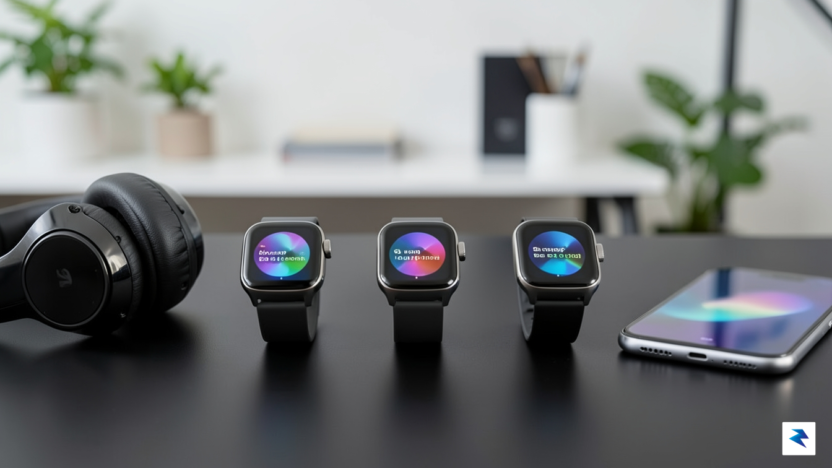
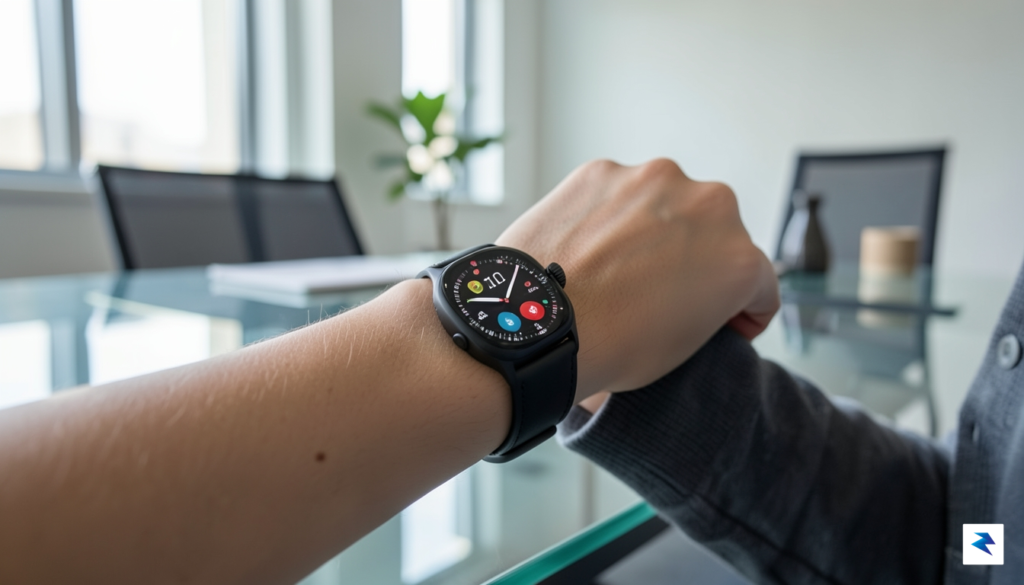
For years, the smartwatch existed in a precarious state of dependency, acting as little more than a tethered peripheral to the smartphone resting in your pocket. In 2026, however, that paradigm has fundamentally shifted. We have entered the era of the truly independent wearable, where LTE integration and sophisticated onboard processing allow devices to function as autonomous command centers. Today’s top-tier models no longer require a constant Bluetooth handshake with a handset to remain useful; instead, they serve as primary hubs for communication, navigation, and real-time health diagnostics that operate seamlessly whether your phone is in the next room or left behind entirely.
This leap toward standalone utility is driven by a massive overhaul in how software manages background processes. Modern watch operating systems have transcended the limitations of simple notification mirroring, evolving into intuitive interfaces designed for proactive task management. Rather than just buzzing to alert you of an incoming email, the 2026 smartwatch leverages on-device artificial intelligence to triage your digital life. It understands context, prioritizes urgent alerts, and allows you to dictate responses or initiate workflows with minimal friction. This transition from passive “notification checking” to active “life management” means that users can step out for a run, a meeting, or a commute without the constant anxiety of being disconnected from their digital ecosystem.
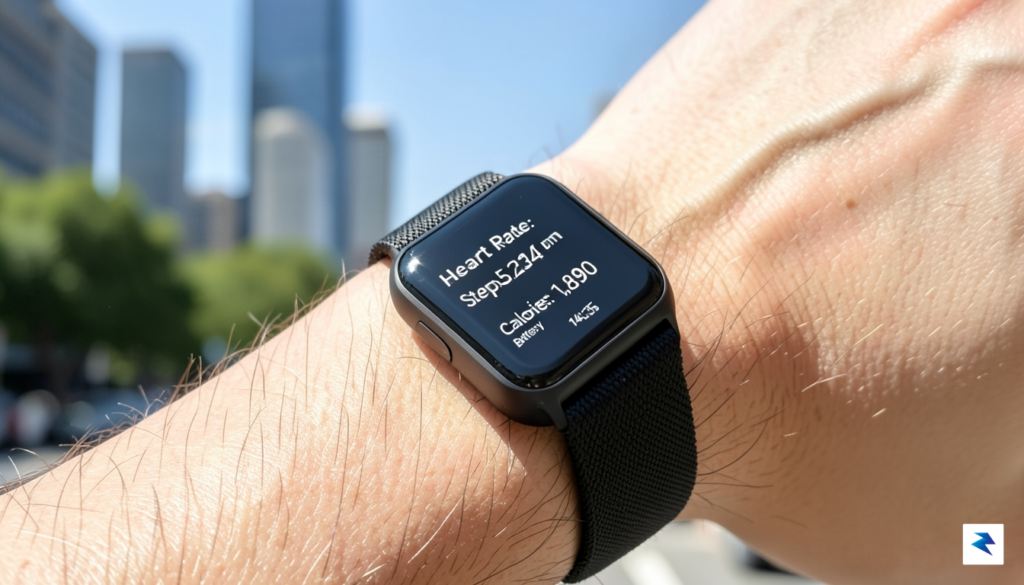
The implications of this shift are profound for both productivity and personal wellness. Because these devices now possess the computational power to handle complex biometric analysis—ranging from continuous glucose monitoring to advanced neural fatigue tracking—they have become indispensable personal health assistants. They do not merely record data; they interpret it, offering actionable insights that help users balance their workload against their physiological state. By integrating these health metrics with calendar management and communication tools, the smartwatch has effectively become the smallest, most personal computer we have ever owned.
The true measure of a 2026 wearable is its ability to disappear into your routine while providing the constant, reliable connectivity that allows you to leave your smartphone behind without missing a beat.
As we move deeper into this year, the expectation for high-end wearables is no longer just about durability or screen resolution; it is about the degree of agency the device provides. Users are increasingly prioritizing watches that act as holistic assistants, capable of handling everything from contactless payments and smart home control to secure identity verification. By shedding the “accessory” label, the modern smartwatch has secured its place as a cornerstone of the connected lifestyle, proving that the future of computing is not just mobile—it is wearable.
Before you get swept away by sleek designs or advanced health sensors, you must address the foundational reality of the modern wearable market: your choice of smartphone effectively dictates your choice of watch. The Apple Watch remains the gold standard of tight integration, operating as a seamless extension of the iPhone. Because Apple maintains a closed ecosystem, the communication between your watch and your phone is fluid, secure, and incredibly reliable. From the instant syncing of notifications to the deep health data integration within the Apple Health app, the experience is designed to be frictionless. If you are an iPhone user, straying from the Apple Watch often results in a compromised experience where features like iMessage replies, emergency SOS, and seamless cellular handoffs are either severely limited or entirely absent.
On the other side of the divide, Google’s Wear OS has matured into a powerful, versatile platform that serves as the backbone for a wide variety of Android-compatible devices. Unlike Apple, the Android ecosystem thrives on diversity, allowing users to choose hardware that fits their personal style, whether that is the high-performance aesthetics of the Google Pixel Watch or the rugged, professional design of a Samsung Galaxy Watch. Wear OS provides a deep integration with Google services, such as seamless Google Assistant prompts, native Maps navigation, and robust support for the Play Store. This platform is ideal for those who value customization and the ability to choose from a variety of manufacturers while still maintaining a cohesive smart experience that talks back to their smartphone with impressive accuracy.
The most common regret among smartwatch buyers is purchasing a high-end device that lacks full compatibility with their specific phone’s operating system. Always prioritize ecosystem synergy over aesthetic appeal.
For those who feel restricted by the constant charging requirements and “always-on” nature of mainstream smartwatches, the third-party ecosystem—led by brands like Garmin, Withings, and Suunto—offers a compelling alternative. These devices are largely platform-agnostic, meaning they bridge the gap between iOS and Android with a dedicated companion app that functions equally well on either operating system. While you might lose some of the deep, system-level integration found in an Apple Watch or Wear OS device, you gain unparalleled battery life, specialized fitness tracking metrics, and a more focused, “distraction-free” user interface. These watches are designed for users who view their wearable as a tool for health and outdoor exploration rather than a second screen for their smartphone notifications.
Ultimately, your decision should be rooted in your daily habits and how much you rely on your phone’s ecosystem to manage your life. If you are deeply invested in iCloud services, the Apple Watch is a non-negotiable asset. Conversely, if you enjoy the flexibility of the Android ecosystem, Wear OS ensures you remain connected without sacrificing the smart features you rely on. If, however, you find that constant notifications are a distraction, exploring the hybrid or specialized fitness wearable market might offer the perfect balance of utility and peace of mind.
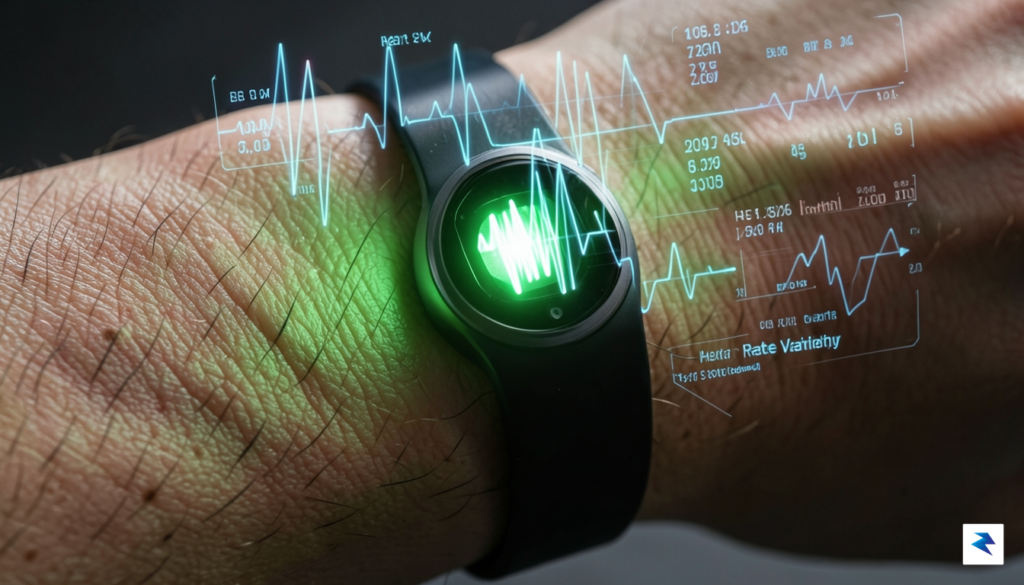
Gone are the days when a smartwatch merely counted your steps or estimated calories burned. By 2026, these sophisticated wrist-worn devices have transcended basic activity logging, transforming into highly advanced personal health companions. Leveraging an intricate array of biometric sensors, today’s smartwatches offer an unparalleled, comprehensive map of your daily wellness, tracking everything from subtle changes in blood oxygen saturation to the intricate architecture of your sleep cycles. They don’t just record data; they provide a holistic view of your physiological state, guiding you towards better health decisions.
The accuracy and reliability of these miniaturized health labs have seen exponential growth, addressing previous concerns about consumer-grade tracking. Multi-wavelength photoplethysmography (PPG) sensors, enhanced electrical heart sensors for electrocardiograms (ECGs), and improved skin contact technologies now work in concert with sophisticated algorithms to deliver data approaching clinical-grade precision for many metrics. For instance, the ability to detect atrial fibrillation (AFib) or monitor blood oxygen levels (SpO2) often comes with regulatory clearances, underscoring their verifiable medical utility. This leap in sensor fidelity means users can trust the insights generated by their devices more than ever before, using them as reliable indicators for their health journey.
However, merely collecting vast amounts of data is
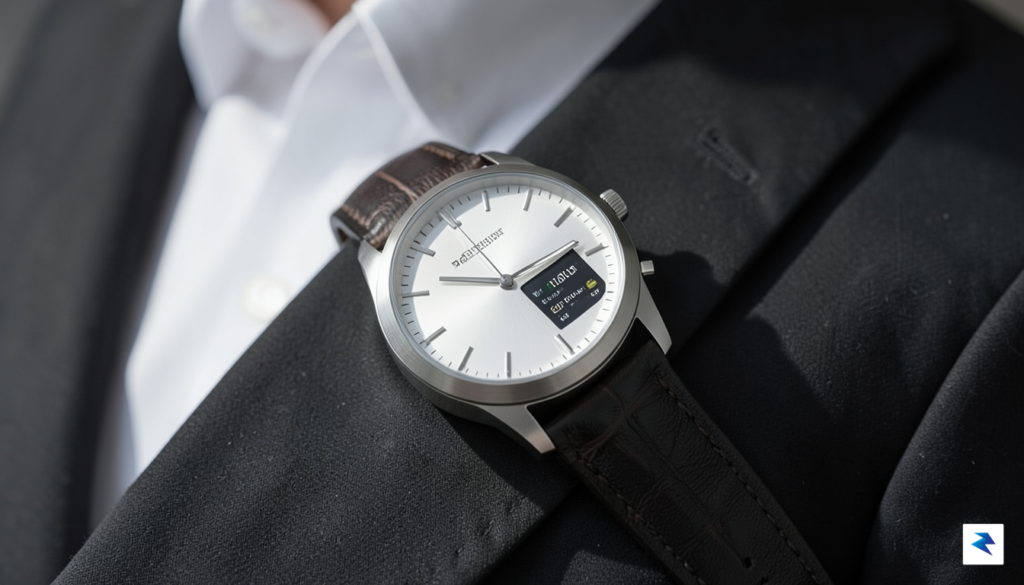
For many professionals and watch enthusiasts, the ubiquitous “glass rectangle” aesthetic of modern smartwatches feels better suited for a gym locker than a boardroom. If you find the glowing, high-resolution screens of typical wearables to be intrusive or visually dissonant with your personal style, the hybrid smartwatch category offers a compelling middle ground. A hybrid smartwatch retains the physical hands, tactile crowns, and traditional watch faces of a classic timepiece, yet it hides a suite of sophisticated sensors beneath its analog exterior. By integrating discreet haptic motors and tiny, hidden OLED displays, these devices bridge the gap between heirloom-quality craftsmanship and the essential data-tracking needs of the digital age.
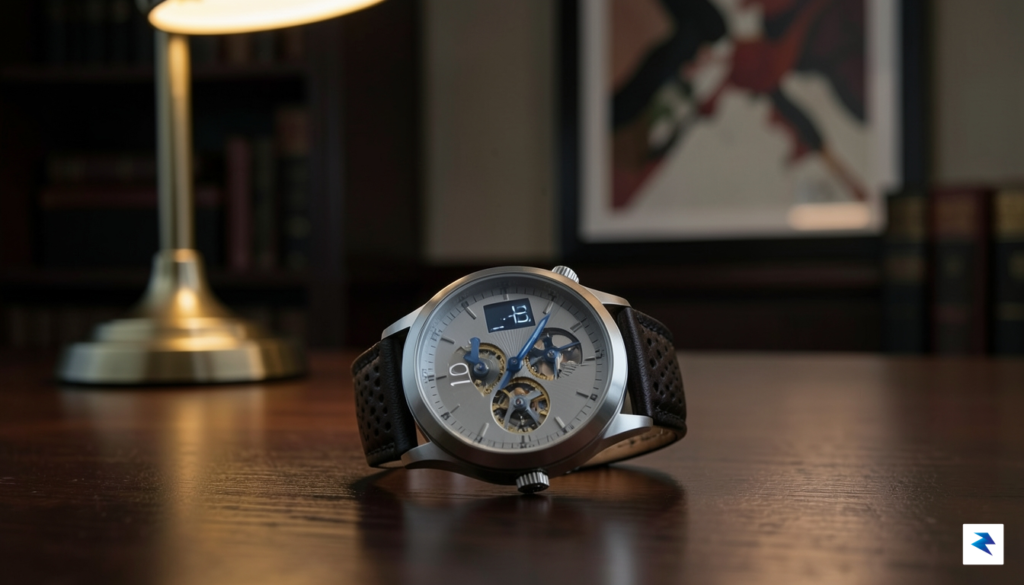
When choosing a hybrid device, it is important to understand the fundamental trade-offs involved in this design philosophy. Because these watches eschew large, power-hungry touchscreens, you gain significant advantages in battery longevity and aesthetic versatility; many hybrid models can operate for weeks, rather than days, on a single charge. However, this minimalist approach means you do lose the expansive screen real estate required for reading long text messages, navigating complex maps, or installing a vast library of third-party applications. You are essentially choosing to prioritize a timeless, always-on look that doesn’t require a “raise-to-wake” gesture just to check the time, at the expense of the immersive, smartphone-like experience provided by dedicated touch-based wearables.
The true value of a hybrid watch lies in its ability to provide essential information without demanding your constant attention. It is a device designed for the wearer who wants the benefits of health tracking and notification filtering without sacrificing the elegance of a classic timepiece.
The ideal candidate for a hybrid smartwatch is the user who values subtlety above all else. If you are someone who finds yourself constantly distracted by the pinging and flashing of a standard smartwatch, the gentle, customizable vibrations of a hybrid model can help you regain control of your digital boundaries. These watches are perfect for those who wear formal attire daily and want their wrist-worn technology to complement, rather than clash with, their clothing. By opting for a hybrid device, you aren’t just buying a gadget; you are investing in a piece of jewelry that happens to be smart enough to track your steps, monitor your sleep, and keep you connected to what matters most without the constant glare of a digital screen.
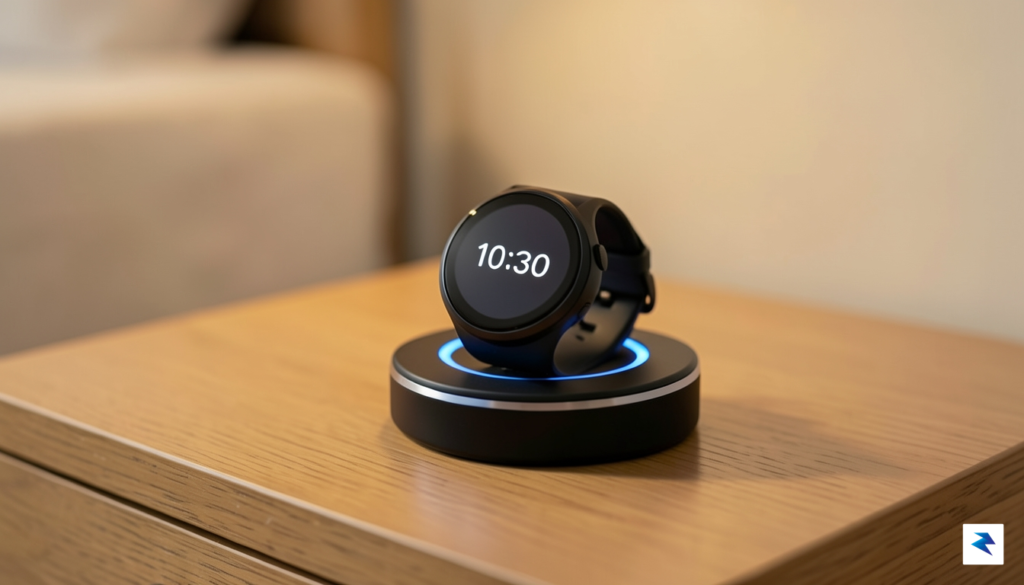
For many potential buyers, the “charging tax”—the necessity of tethering a device to a power outlet daily—remains the primary barrier to wearable adoption. In the 2026 market, it is vital to understand that high-performance smartwatches are essentially miniature smartphones strapped to your wrist. Devices equipped with vibrant, high-resolution AMOLED displays offer stunning color depth and fluid animations, but this visual richness comes at a significant energy cost. Because these screens must constantly update pixels to keep your data visible, the battery drain is often non-negotiable for power users who leverage always-on display modes and frequent GPS tracking.
The core tension in wearable technology lies in the choice between display types. On one end of the spectrum, you have AMOLED panels that offer superior readability and aesthetic appeal, yet typically demand a nightly charge. Conversely, watches utilizing Memory-in-Pixel (MiP) or low-temperature polycrystalline oxide (LTPO) technology are designed for efficiency, often pushing battery life into the week-long territory. While MiP displays may lack the punchy contrast of their OLED counterparts, they excel in direct sunlight and provide the peace of mind that comes with knowing your watch won’t die in the middle of a multi-day hiking trip. Ultimately, your choice should depend on whether you prioritize a cinema-like experience on your wrist or the convenience of infrequent charging.
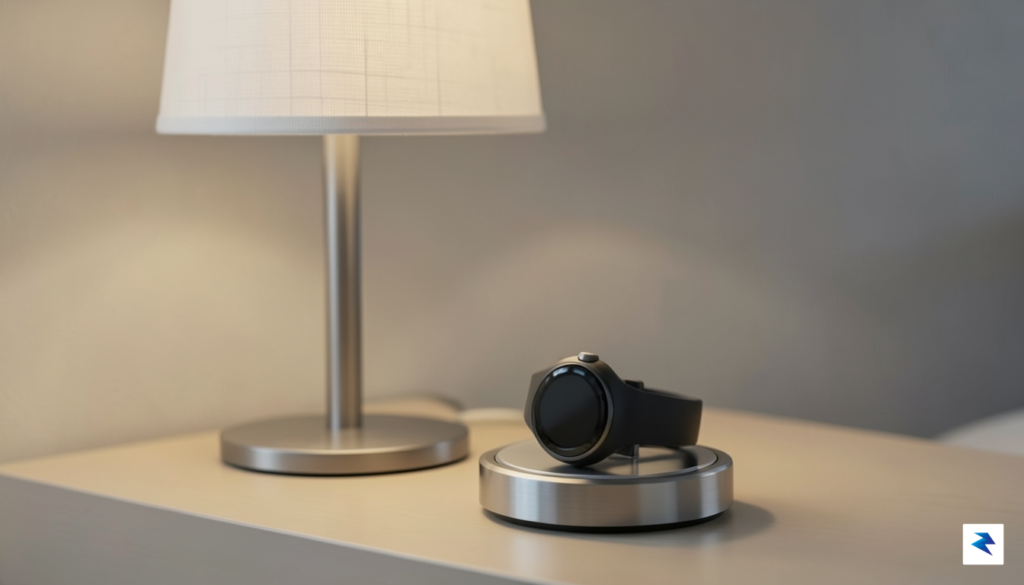
If you find that your chosen smartwatch is draining faster than anticipated, there are several tactical adjustments you can make to extend its longevity without stripping away its core utility. Start by auditing your notification settings; constant haptic feedback for every social media alert is one of the fastest ways to deplete a battery. Additionally, disabling features you rarely use—such as continuous blood oxygen monitoring or overly frequent heart rate tracking—can yield hours of extra runtime. Many modern devices also offer “Power Saver” or “Smart Battery” modes that intelligently throttle background processes, which can be a lifesaver during long travel days or when you have forgotten your charger at home.
The best battery strategy is not to turn off your watch, but to align your settings with your specific daily needs. By customizing your refresh rates and notification filters, you can effectively balance high-tech features with the practical requirement of daily endurance.
To ensure a seamless transition into your daily life, consider the charging ecosystem of your device. Many 2026 models feature fast-charging capabilities that can recover 50% of your battery life in under thirty minutes. By integrating a quick “top-up” into your morning shower or evening wind-down routine, you can eliminate the anxiety of a dead battery entirely. By reframing your relationship with the charger—moving from a forced chore to a brief, habitual maintenance task—you can enjoy the benefits of a feature-rich smartwatch without feeling like a slave to the power outlet.
You must be logged in to post a comment.