Best Smartwatches of 2026: The Ultimate Buyer’s Guide
The Evolution of Smartwatch Utility in 2026 For years, the smartwatch existed in a precarious state of dependency, acting as little more than…
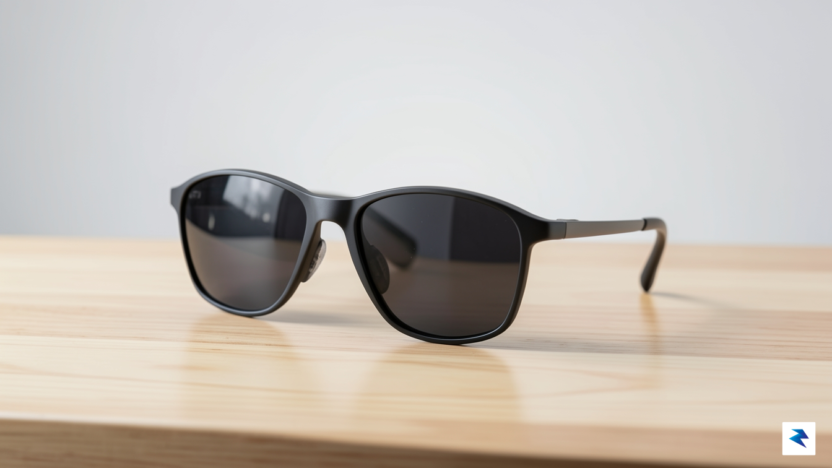

For over a decade, the narrative surrounding smart eyewear has been inextricably linked to the lens. Ever since the introduction of early prototypes like Google Glass, the industry operated under the assumption that the ultimate utility of a wearable device was its ability to record, stream, or document the world from a first-person perspective. However, this focus on visual capture inadvertently created a persistent “creepy” stigma. Pedestrians and colleagues alike often felt an immediate sense of unease when faced with a camera-equipped wearable, leading to social friction and a perception of these devices as tools for surveillance rather than personal empowerment. This cultural resistance effectively relegated smart glasses to the fringes of tech enthusiast circles, preventing them from becoming the seamless, everyday productivity tools they were intended to be.

The Halliday G2 represents a calculated pivot away from this optics-heavy legacy, marking a fundamental shift in how we conceive of wearable intelligence. By intentionally removing the camera, Halliday has stripped away the primary source of social anxiety, allowing the hardware to focus on its true, untapped potential: audio-centric assistance. Instead of acting as a recording device that constantly monitors the environment, the G2 functions as a personalized, invisible digital concierge. This strategic choice signals that the future of wearable tech is not about documenting your surroundings, but about enhancing your internal workflow. By prioritizing high-fidelity audio, noise-canceling microphones, and real-time data processing, the device acts as a cognitive bridge, delivering information, reminders, and communication directly to the user without ever compromising the privacy of those nearby.
The most powerful technology is often the kind that disappears into the background, providing utility without demanding the attention of the world around it.
This move toward an audio-first architecture positions the G2 as a dedicated tool for concentration and professional efficiency. In a world saturated with visual distractions and the constant urge to document, the G2 offers a sanctuary for deep work. It allows professionals to stay connected to their digital ecosystem—receiving meeting briefs, managing schedules, or accessing real-time transcription—while maintaining full, uninterrupted eye contact with the people in front of them. By removing the lens, Halliday has not only solved a significant privacy hurdle but has also refined the purpose of the device. The G2 is no longer a gadget for the voyeur; it is a sophisticated instrument for the high-performing professional who requires seamless information access without the social baggage of a camera.
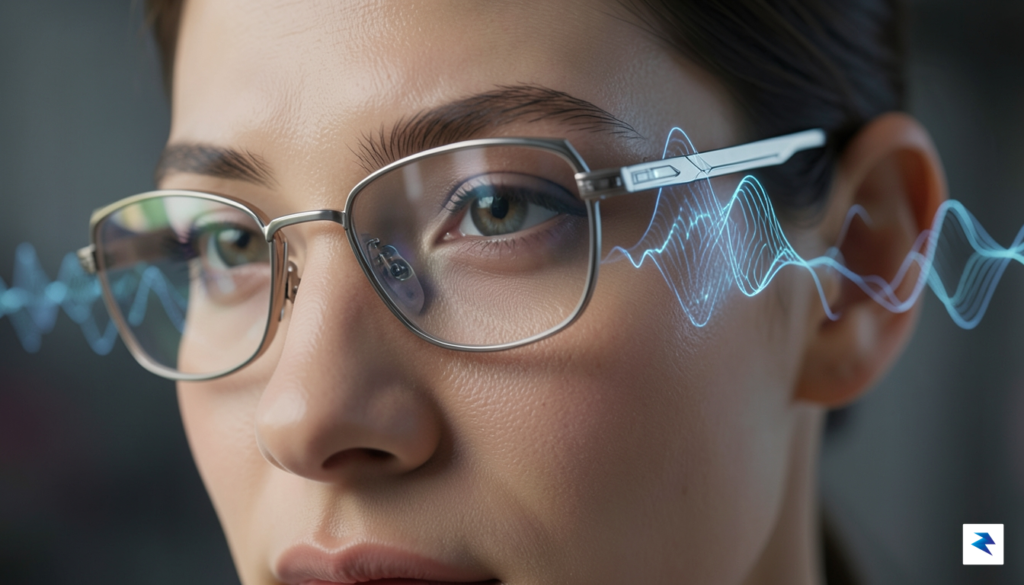
The core innovation behind the Halliday G2 glasses lies in their deliberate decision to prioritize high-fidelity acoustics over visual sensors. Instead of traditional camera lenses that raise privacy concerns and consume massive amounts of battery life, the G2 utilizes a sophisticated, beam-forming microphone array embedded discreetly within the frames. These microphones are specifically tuned to isolate human speech, filtering out ambient background noise to ensure that the wearer’s conversations are captured with crystal clarity. By focusing exclusively on audio, the device functions less like a camera and more like a high-end, hands-free transcription device that is always ready to listen, yet entirely unobtrusive in social or professional settings.
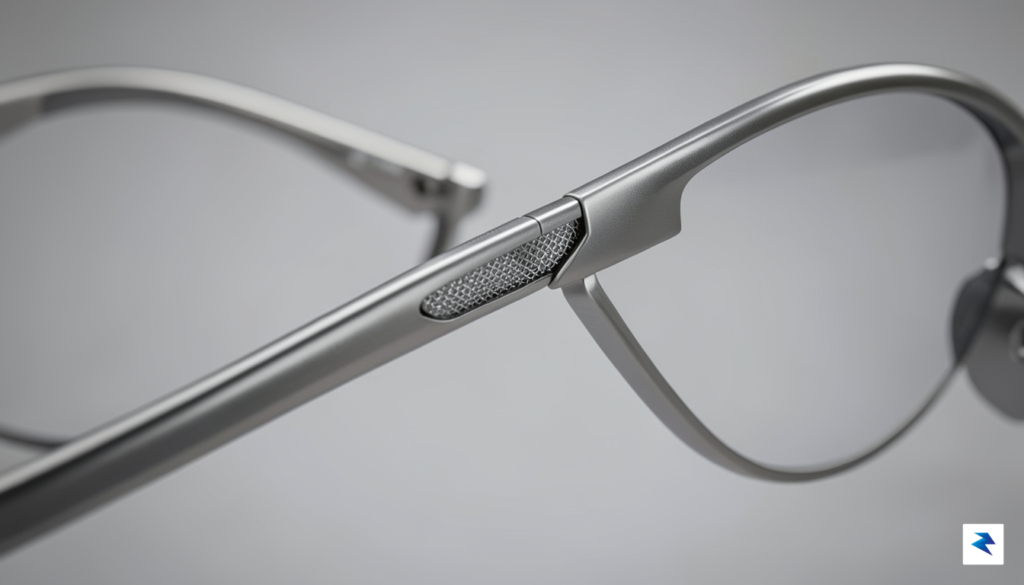
Once the audio data is captured, the G2 relies on a seamless, low-latency pipeline to transform raw sound into usable intelligence. The device pairs effortlessly with the user’s smartphone, offloading the heavy lifting of real-time processing to the phone’s more powerful processor. This architectural choice is intentional; it keeps the glasses lightweight and comfortable for all-day wear while leveraging the robust computing power already present in the user’s pocket. As the audio stream reaches the smartphone, it is fed into a specialized AI engine that parses the conversation, distinguishing between speakers, identifying key discussion points, and filtering out conversational filler.
The true power of the G2 isn’t in what it sees, but in how it distills the noise of a busy workday into a coherent, actionable narrative.
The final stage of the process is where the G2 truly shines as a productivity tool. The AI backend analyzes the structured data to generate concise, human-readable summaries that are pushed to the user’s connected app or synchronized directly with project management software. Whether you are in a brainstorming session, a quick client sync, or a sprawling team meeting, the glasses function as a silent personal secretary that lives on your face. By distilling hours of dialogue into bullet points, action items, and follow-up reminders, the Halliday G2 removes the need for frantic note-taking. This integration of hardware and software ensures that the user remains fully present in the room, engaging with colleagues while the technology works quietly in the background to document the essentials of every interaction.
The history of wearable technology has been largely defined by a recurring tension between innovation and suspicion. For years, the integration of high-definition cameras into eyewear turned these devices into symbols of invasive surveillance, creating a “creep factor” that effectively barred them from boardrooms, cafes, and private social gatherings. By stripping the camera lens from the hardware entirely, the Halliday G2 fundamentally recalibrates this relationship. Instead of positioning the wearer as a potential paparazzi or a silent observer, the device adopts a “privacy by design” philosophy that prioritizes the comfort of those in the user’s vicinity. This strategic omission transforms the glasses from a suspicious gadget into a benign, professional tool, effectively neutralizing the most common social objection to augmented reality.

This shift represents a significant evolution in the social contract between technology users and their peers. When a person wears glasses equipped with a camera, those around them often feel an instinctive need to modify their behavior, assuming they are being recorded. This psychological barrier creates an immediate friction that prevents the widespread adoption of smart eyewear in professional settings where confidentiality and discretion are paramount. By removing the lens, Halliday creates a “safe zone” for communication. Colleagues no longer have to wonder if their brainstorming sessions are being digitized or uploaded to a cloud server, allowing for a more authentic and less guarded interaction. The absence of a camera acts as an implicit promise of privacy, which is arguably more valuable than any feature a camera could offer in a productivity-focused device.
The most powerful feature of modern wearable tech may not be what it can capture, but what it chooses not to record.
Furthermore, this design choice positions the Halliday G2 as a serious instrument for the modern workforce rather than a novelty for tech enthusiasts. In high-stakes corporate environments, the priority is on data visualization, hands-free navigation, and streamlined workflows—not on documenting one’s surroundings. By focusing exclusively on these utility-driven goals, Halliday avoids the regulatory and ethical quagmires that have plagued their camera-equipped competitors. This deliberate limitation allows the user to focus on their primary tasks without the social baggage that accompanies integrated recording hardware. Ultimately, by ditching the camera, Halliday hasn’t just removed a component; they have cleared a path for smart glasses to be accepted as a standard, non-intrusive part of the professional wardrobe.

For the modern professional, the constant churn of back-to-back meetings often leaves little room for reflection or deep synthesis of information. By integrating Halliday’s new smart glasses into your daily workflow, you effectively transform the passive act of listening into an active, high-utility productivity engine. Rather than struggling to scribble down action items or losing the thread of a complex proposal while distracted by a notepad, these glasses provide a seamless, non-intrusive way to capture every critical insight. Because the device eschews a camera, it avoids the social friction and privacy concerns often associated with wearable tech, allowing you to maintain genuine eye contact with your colleagues while the system works silently in the background.

In high-stakes brainstorming sessions, the ability to remain fully present is your greatest asset. When your cognitive load is freed from the burden of verbatim note-taking, you can dedicate your full mental energy to creative problem-solving and nuanced interpersonal communication. The glasses function as an ‘always-on’ intelligent assistant, logging the trajectory of the discussion and flagging key takeaways as they arise. This ensures that even in the most fast-paced, multi-threaded conversations, no pivotal idea is lost in the shuffle. By automating the capture of documentation, the device empowers you to contribute more meaningfully, knowing that an accurate, structured record is being compiled automatically for later review.
Remote collaboration also stands to gain significantly from this technology, especially when coordinating across time zones and digital platforms. During virtual calls, the glasses can transcribe and categorize discussion points in real-time, providing a cohesive summary that bridges the gap between disparate communication channels. This capability is particularly beneficial for professionals who juggle multiple projects simultaneously, as it allows for immediate post-meeting synthesis without the traditional delay of manual transcription.
By reducing the mental overhead of administrative documentation, Halliday’s hardware shifts the focus from recording the past to shaping the future of your projects.
Ultimately, the true value of this wearable lies in its ability to foster a more human-centric work environment. By removing the need to stare at a screen or a notebook, you reclaim the ability to read the room, engage with the emotional context of a conversation, and provide thoughtful, immediate feedback. This is not merely about efficiency; it is about reclaiming your presence in the workplace while ensuring that every professional interaction is anchored by reliable, actionable data.

As we look toward the horizon of personal technology, the industry seems to be reaching a critical inflection point where the focus is shifting from “what can a device do” to “how can a device disappear into our daily lives.” For years, the wearable market has been obsessed with the visual—packing cameras, high-resolution displays, and bulky battery packs into frames that feel more like science fiction props than functional tools. However, the G2 represents a calculated departure from this trend, signaling a transition toward what experts call “ambient computing.” Instead of demanding your constant attention with glowing icons or augmented reality overlays, these glasses act as a silent partner, processing information in the background and delivering only what is essential through subtle, non-intrusive feedback.

This evolution suggests that the future of wearable tech will be defined by its invisibility rather than its complexity. By stripping away the camera—a feature that often creates social friction and privacy concerns—Halliday is betting that users don’t want their glasses to be a secondary smartphone strapped to their faces. They want an intuitive assistant that augments their cognitive abilities without fracturing their focus. This is the core tenet of human-centric design: technology should amplify our human experience, not distract from it. In a professional setting, this means having access to real-time data, communication, and scheduling tools that feel like a natural extension of one’s own thought process, effectively raising the floor for individual productivity.
The most profound technologies are those that disappear. They weave themselves into the fabric of everyday life until they are indistinguishable from it.
Ultimately, the G2 serves as a precursor to a new class of wearable assistants that prioritize utility over visual gimmickry. As AI continues to become more deeply integrated into our hardware, the winners in this space will be the devices that successfully balance raw computational power with the nuances of daily human behavior. By opting for a form factor that feels familiar and unobtrusive, Halliday is not just launching a new product; they are setting a new standard for how we interact with intelligent systems. In the coming years, we will likely see more companies pivot away from the “all-in-one” gadget approach, favoring specialized, purpose-built wearables that understand that the most helpful technology is the kind you almost forget you are wearing.
You must be logged in to post a comment.