
Why Halliday’s New Smart Glasses Ditched the Camera for Productivity
The Evolution of Smart Eyewear: Moving Beyond the Camera For over a decade, the narrative surrounding smart eyewear has been inextricably…
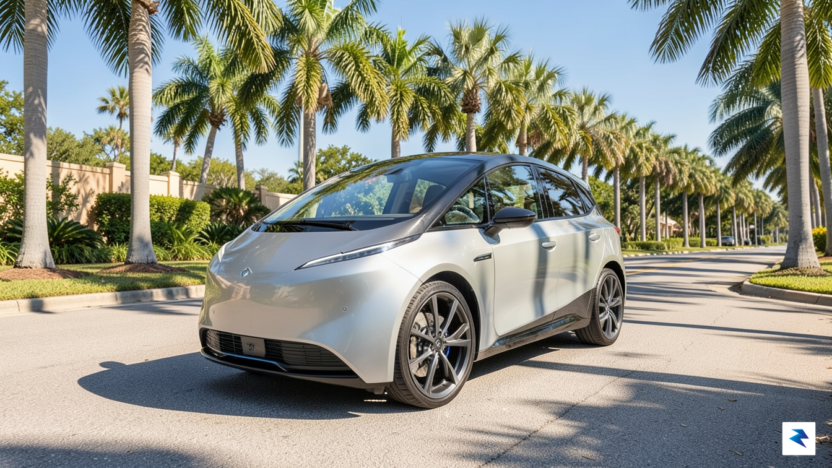
The recent announcement that Tesla is targeting Florida for the rollout of its autonomous Robotaxi service marks a pivotal evolution in the company’s long-term business strategy. By transitioning from a luxury vehicle manufacturer to a platform-based transportation provider, Tesla is signaling that its Full Self-Driving (FSD) technology has reached a level of maturity capable of handling the complexities of high-traffic public roads. This expansion is not merely a geographic milestone; it represents a fundamental shift in how the company intends to monetize its massive fleet of data-gathering vehicles. By deploying autonomous fleets in major urban hubs, Tesla is effectively moving to challenge traditional ride-hailing giants, leveraging its unique vertical integration to undercut existing market costs while maximizing the utility of its proprietary software.
Florida’s selection as a primary testing ground is far from accidental, as the state offers a unique combination of demographic and environmental factors that are ideal for autonomous operations. Cities like Orlando and Tampa provide a high density of short-range transit needs, particularly within the tourism and hospitality sectors, where visitors frequently require reliable, on-demand transportation between resorts, parks, and dining districts. Furthermore, Florida’s favorable climate—characterized by consistent visibility and a lack of severe winter weather—removes significant variables that often hinder autonomous sensor suites. This geographic advantage allows the fleet to maintain high uptime, providing the consistent data stream necessary for refining the FSD algorithms under varied but manageable real-world conditions.
The expansion into Florida serves as a strategic bellwether for the company’s fiscal future, directly aligning with the goals outlined in recent earnings reports that prioritize the transition toward an autonomous, services-based revenue model.
This initiative is deeply intertwined with Tesla’s broader financial roadmap, which emphasizes the scalability of autonomous infrastructure over the traditional hardware-centric model. As Tesla pivots toward commercializing FSD in environments that present diverse traffic patterns, the company is effectively building a “moat” that is difficult for competitors to replicate. By integrating the Robotaxi ecosystem into its existing mobile application, Tesla is aiming to lower the barrier to entry for users, potentially turning every miles-driven metric into a recurring revenue stream. As the service matures, the success of this Florida expansion will likely dictate the speed at which Tesla scales its autonomous offerings to other states, fundamentally altering the competitive landscape of the ride-hailing industry in the coming years.
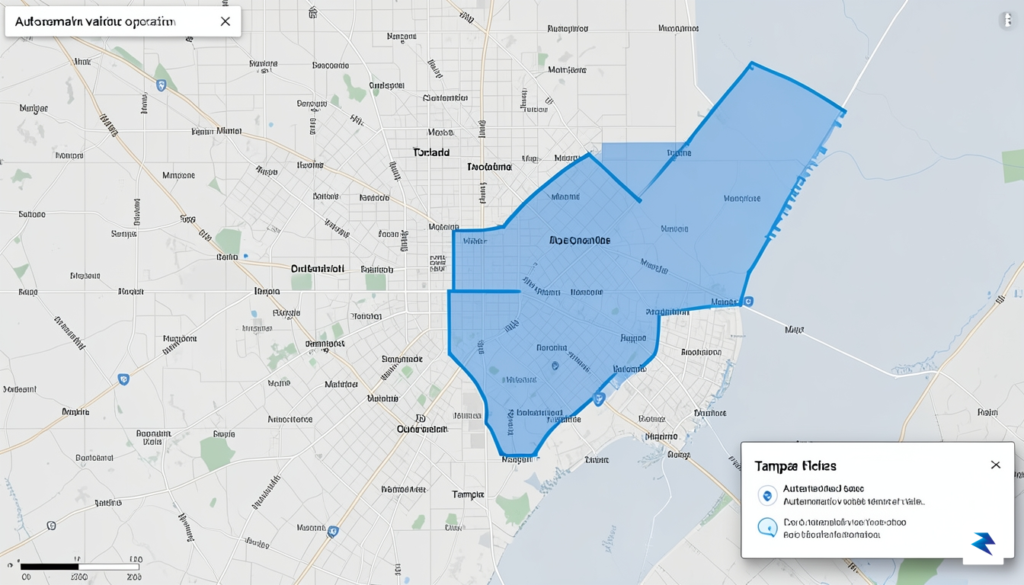
Tesla’s initial rollout in Florida centers on carefully curated service zones across Orlando and Tampa, providing a clear window into how the company plans to integrate autonomous vehicles into real-world traffic. By releasing detailed maps of these operational boundaries, Tesla has highlighted a strategy that balances high-density tourist corridors with quieter residential pockets. This intentional geographic selection is designed to test the system’s decision-making capabilities across a spectrum of environments—ranging from the unpredictable, high-volume traffic near Florida’s major theme parks to the more structured, lower-speed navigation required in local neighborhoods. By focusing on these specific, geofenced areas, the company aims to refine its software in environments where pedestrian activity, complex intersections, and sudden road hazards are commonplace.
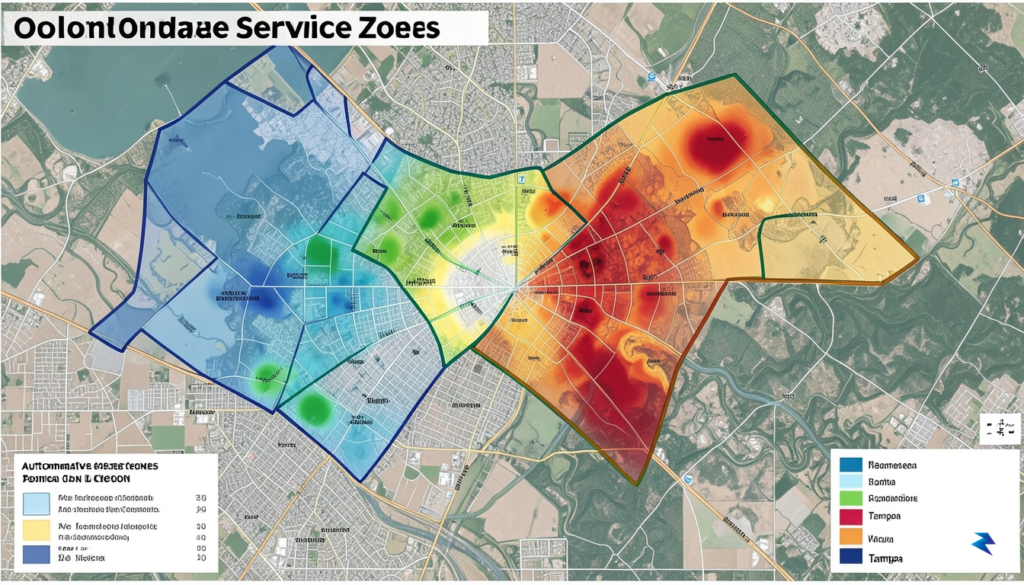
For visitors and residents alike, the utility of these service zones cannot be overstated, particularly in cities defined by their sprawl and heavy reliance on personal vehicles. In a city like Orlando, where thousands of tourists navigate between hotels, attractions, and dining hubs daily, a reliable, autonomous ride-hailing option could significantly alleviate the frustration of parking and navigating unfamiliar routes. For daily commuters, these zones offer a glimpse into a future where the stress of urban gridlock is mitigated by autonomous efficiency. However, it is important to recognize that these boundaries are strictly geofenced, meaning the vehicles are currently programmed to function only within these pre-mapped digital perimeters. While this limitation keeps the system safer during its infancy, it also means that users must remain mindful of where their trip begins and ends.
The success of this launch hinges on the vehicle’s ability to interpret the chaotic, high-turnover traffic patterns typical of Florida’s most popular vacation destinations.
Navigating these tourist-heavy corridors presents a unique set of challenges that go beyond standard highway driving. Unlike static residential streets, areas surrounding major attractions are characterized by constant pedestrian crossings, aggressive merging from visitors who are often distracted, and fluctuating traffic light patterns that don’t always follow predictable logic. Tesla’s choice to launch in these specific regions suggests a high degree of confidence in their sensor suite’s ability to process these complex variables in real-time. As residents begin to utilize these services, the data gathered will be instrumental in expanding these boundaries, eventually paving the way for a more seamless, door-to-door transportation experience that transcends the current, limited operational footprint.
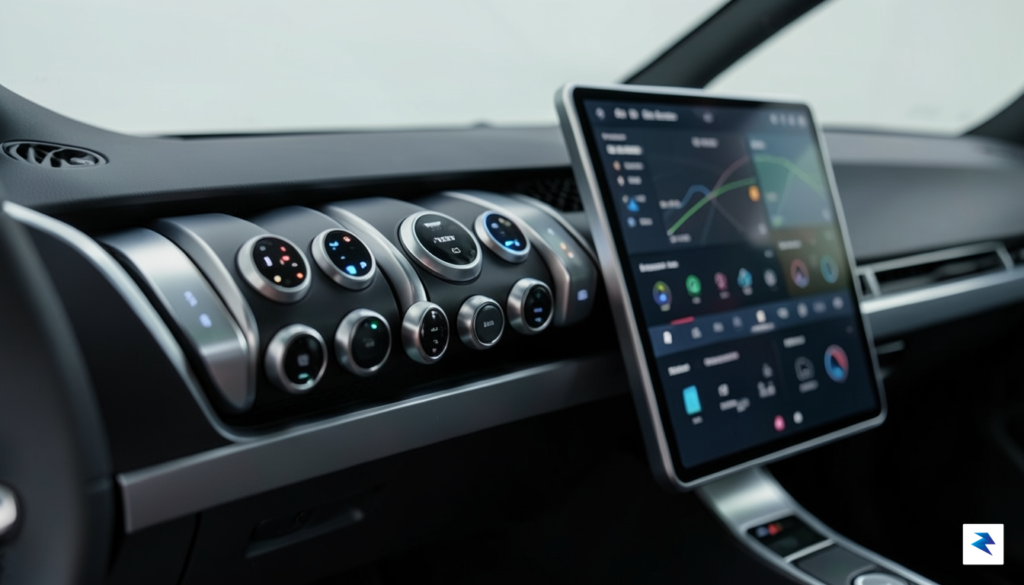
The operational backbone of the Florida robotaxi initiative rests squarely on the shoulders of Tesla’s Full Self-Driving (FSD) software stack. Unlike industry peers that lean heavily on expensive LiDAR suites and high-definition mapping, Tesla has opted for a pure vision-based approach. This strategy relies on an array of external cameras and a neural network architecture modeled after the human brain, which processes visual data to interpret complex road environments in real-time. By eschewing external sensors, Tesla aims to create a scalable system that can adapt to any road without the need for pre-mapped geographical constraints, making it uniquely suited for the rapid expansion envisioned for Florida’s diverse urban and suburban sprawl.
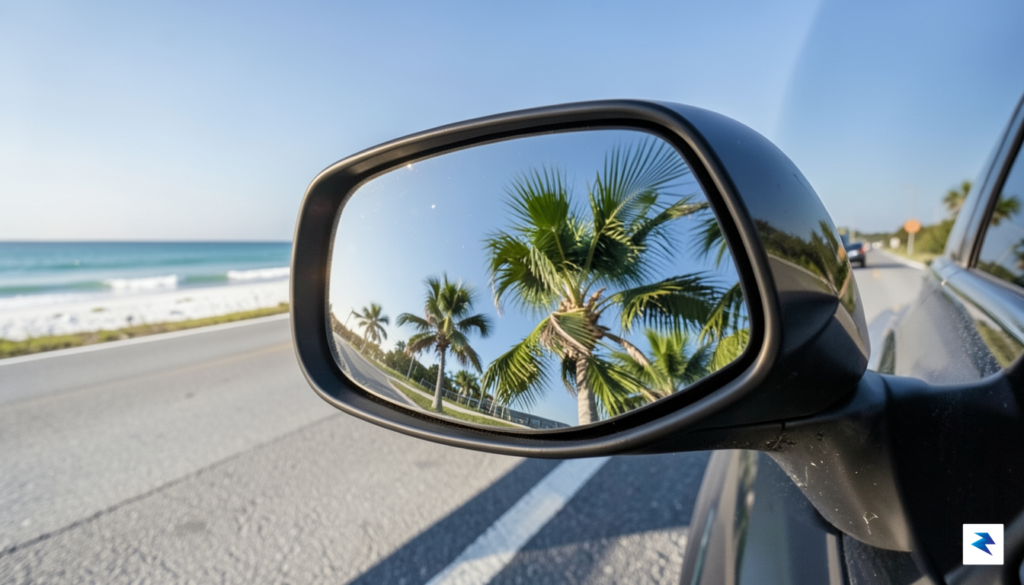
Transitioning this technology to the Sunshine State presents a distinct set of engineering challenges, particularly regarding Florida’s notoriously unpredictable weather patterns. The software must contend with sudden, heavy tropical downpours that can obscure visibility and drastically alter road surface friction. To combat these environmental variables, Tesla has been aggressively training its neural networks on massive datasets collected from vehicles operating in varied climates. By exposing the system to millions of miles of diverse weather conditions, the FSD stack has evolved to better recognize lane markings through standing water and distinguish between legitimate obstacles and the visual noise created by heavy rain spray.
The reliance on vision-only intelligence forces the vehicle to “think” like a human driver, prioritizing adaptability over static, pre-programmed sensor data.
Furthermore, the infrastructure in Florida—characterized by high-speed arterial roads, complex multi-lane intersections, and a high density of tourist-heavy traffic—serves as an ideal crucible for testing the latest iterations of FSD. The system’s technical preparedness for these scenarios is enhanced by its ability to perform high-frequency inference, which allows the car to make split-second decisions at busy four-way stops or during heavy merging traffic. As the software continues to mature through over-the-air updates, it is becoming increasingly adept at anticipating the erratic movements of other human-driven vehicles, a critical skill for navigating Florida’s bustling transit corridors. This continuous refinement cycle ensures that the robotaxi fleet remains at the cutting edge of autonomous safety, constantly learning from its surroundings to provide a smoother, more reliable passenger experience.

Deploying a fleet of autonomous taxis across Florida’s diverse urban and suburban landscapes is a challenge that transcends mere software engineering; it is fundamentally a test of regulatory agility and societal integration. Florida has historically positioned itself as one of the most welcoming states for autonomous vehicle (AV) testing, thanks to legislation that explicitly permits the operation of vehicles without a human driver, provided they meet specific safety standards. However, Tesla’s entry into this market requires more than just state-level approval. The company must navigate a complex web of municipal policies, insurance mandates, and local infrastructure requirements that vary significantly between bustling metropolitan hubs like Miami and the quieter, golf-cart-friendly streets of retiree-heavy enclaves.
At the heart of the transition to driverless operation lies the rigid requirement for safety protocols that satisfy both state regulators and the skeptical public. To achieve true autonomy on public roads, Tesla must demonstrate that its vehicles can handle Florida’s unique environmental variables, such as sudden, intense tropical rainstorms that can obscure camera sensors and lidar. Regulatory bodies are increasingly focused on the “hand-off” scenarios—those critical moments where a system might need to navigate a construction zone or an unpredictable pedestrian interaction. Consequently, the legal path forward will likely require Tesla to provide extensive performance data and evidence of rigorous testing in simulated high-stress conditions before a single passenger is allowed to hail a ride without a safety driver present.
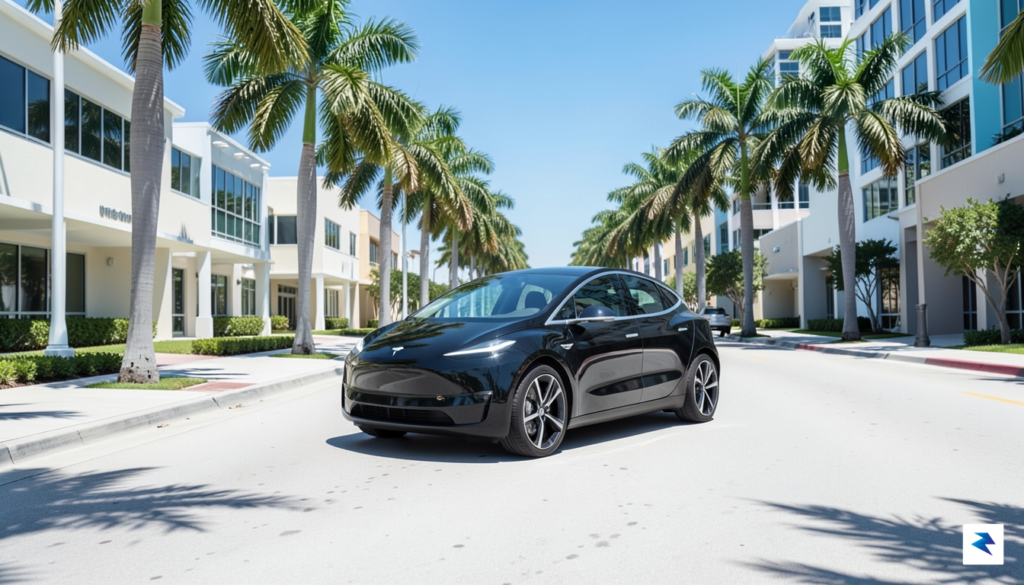
True public adoption of autonomous transit hinges on the industry’s ability to move beyond “beta” branding and provide verifiable, transparent safety metrics that the average rider can trust.
Public perception remains perhaps the most significant hurdle for the widespread normalization of Robotaxis. While early adopters may be eager to experience the future of transportation, the general public often views autonomous technology with a mix of curiosity and deep-seated apprehension, particularly following high-profile news reports concerning driver-assistance system failures. To build the necessary trust, Tesla will likely need to prioritize data transparency, potentially through partnerships with local government agencies to share real-time safety reports. By proving that these vehicles are not only capable of following traffic laws but are also statistically safer than human-operated cars, Tesla can begin to shift the narrative from one of experimental risk to one of reliable, everyday utility for Florida commuters.
Ultimately, the success of this initiative will depend on a collaborative approach between private innovation and public oversight. Municipalities will need to determine how autonomous fleets impact traffic flow, parking, and transit equity, ensuring that these high-tech solutions do not exacerbate existing congestion or leave underserved populations behind. As Tesla maneuvers through these regulatory checkpoints, the Florida experiment will likely serve as a blueprint for the rest of the nation, proving whether the promise of autonomous mobility can truly be reconciled with the realities of public safety and legal accountability.
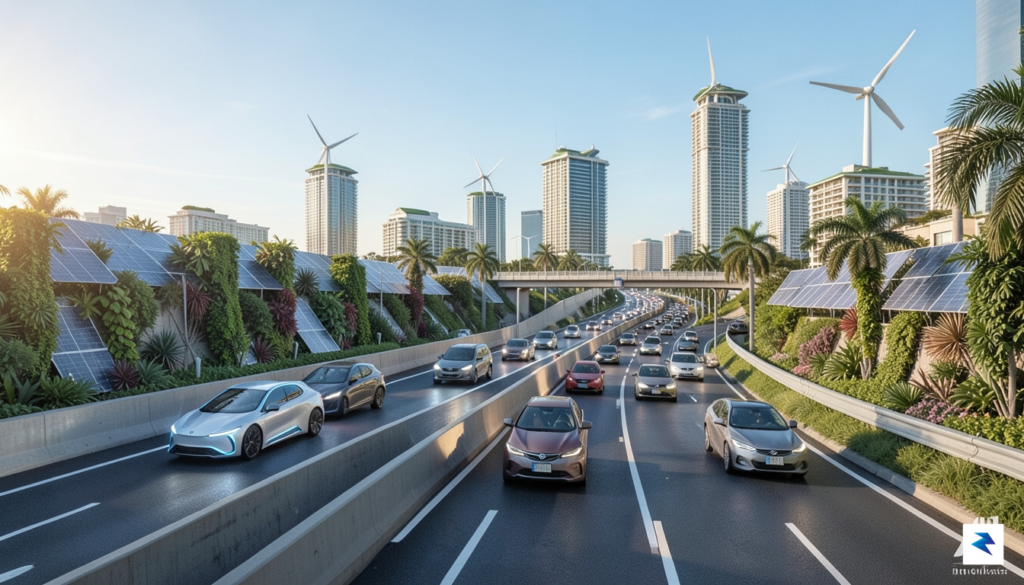
The introduction of Tesla’s autonomous fleet into the Florida market is far more than a localized experiment; it represents a potential seismic shift in the state’s long-standing car culture. As urban centers like Miami, Orlando, and Tampa grapple with rapid population growth and the inevitable gridlock that follows, the arrival of on-demand, driverless transit offers a compelling alternative to traditional congestion. If this pilot program achieves its performance benchmarks, it will undoubtedly serve as the primary blueprint for Tesla’s national expansion strategy, proving that autonomous ride-hailing can navigate the unique challenges of Florida’s climate and unpredictable traffic patterns. By successfully integrating into these high-density environments, Tesla could effectively turn the Sunshine State into a massive laboratory for the future of urban mobility.
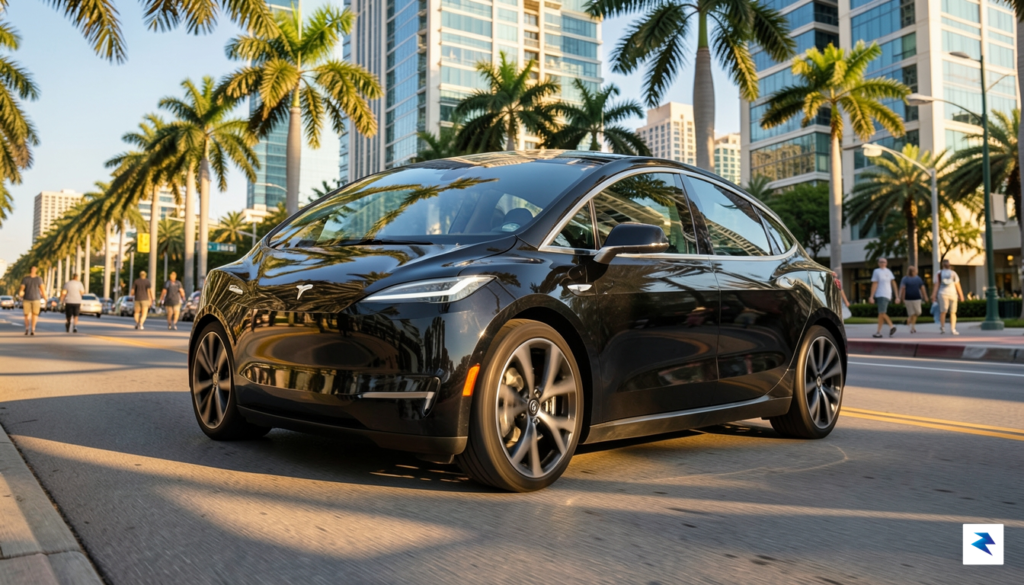
For the average Floridian, the long-term implications of this transition could be profound, particularly regarding the necessity of private vehicle ownership. Currently, the state’s transportation infrastructure relies heavily on the “one person, one car” model, which contributes significantly to peak-hour delays and the need for massive parking lots that consume valuable urban real estate. As autonomous services become more reliable and affordable, we may witness a gradual decline in individual car purchases, as residents begin to view “mobility-as-a-service” as a more convenient and cost-effective alternative. This shift would force ride-sharing giants like Uber and Lyft to radically evolve their business models, likely transitioning from a driver-reliant workforce to maintaining their own autonomous fleets to remain competitive in an increasingly automated marketplace.
The true success of autonomous transit will be measured not just by its technological capability, but by its ability to provide a safer, more efficient, and undeniably cheaper alternative to the daily commute.
Despite the excitement surrounding this transition, a balanced perspective on the timeline for full-scale commercial availability is essential. While the technology is advancing at an exponential rate, the road to mass adoption is paved with regulatory hurdles, insurance complexities, and the need for rigorous safety validation in real-world scenarios. Floridians should anticipate a gradual rollout, beginning with highly controlled zones and limited service areas before the technology is trusted to navigate complex, high-speed highway traffic or severe weather conditions. Consequently, while the promise of a driverless future is drawing closer, it will likely be a multi-year evolution rather than an overnight transformation, requiring a collaborative effort between tech innovators and municipal planners to ensure the transition is both equitable and secure for all road users.
You must be logged in to post a comment.