
Tesla Robotaxis Are Coming to Florida: What You Need to Know
Tesla announces the rollout of its Robotaxi service in Orlando and Tampa, Florida. Explore the service area, technology, and what this means…
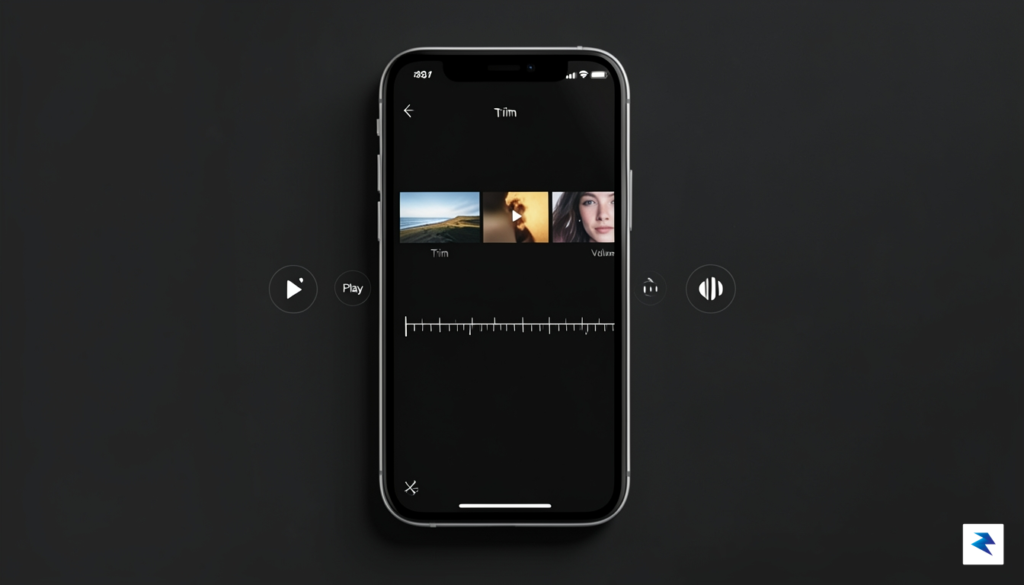
For years, the relationship between creators and social media platforms has been defined by a rigid “publish-and-forget” mentality. Historically, once a piece of content was posted, it became a permanent artifact, frozen in time regardless of evolving trends, copyright shifts, or simple human error. This lack of editability created a significant power imbalance, where the platform dictated the lifecycle of a post, often forcing creators to delete high-performing content simply because a trending song became unavailable or a technical mistake ruined the audio quality. By introducing the ability to swap audio on legacy posts, Instagram is fundamentally challenging this paradigm, signaling a move toward a more flexible, creator-centric digital ecosystem where content is viewed as a living asset rather than a static snapshot.

This update addresses a long-standing point of friction known as “creator fatigue,” a phenomenon often exacerbated by the platform’s previous inflexibility. Previously, if a user wanted to capitalize on a new viral sound or fix an audio glitch in a popular Reel from six months ago, they were forced to archive the original—sacrificing all its accumulated engagement, comments, and algorithmic reach—and repost it as a new entity. This cycle was not only frustrating but also counterproductive to growth, as it severed the connection between the audience and the original post’s history. Now, by allowing for post-publication adjustments, Instagram is empowering creators to breathe new life into their archives, ensuring that high-quality content remains relevant and discoverable without requiring the tedious labor of constant re-uploading.
The shift toward post-publication flexibility acknowledges that a creator’s work is not a static product, but an evolving piece of media that should adapt to the speed of internet culture.
Furthermore, this feature reflects a broader industry trend toward platform-level post-publication flexibility. We are seeing a slow but steady migration away from the era of “permanent records” toward a model that prioritizes iterative improvement. Whether it is the ability to edit captions, update tags, or now, swap out audio, these tools grant creators the agency to maintain the integrity of their brand over time. This evolution suggests that platforms are finally recognizing that the value of a creator’s library is their most important asset; by providing the digital “tools of the trade” to maintain that library, Instagram is fostering a more sustainable environment where creators are encouraged to invest in their long-term content strategy rather than just chasing the fleeting engagement of the daily feed.
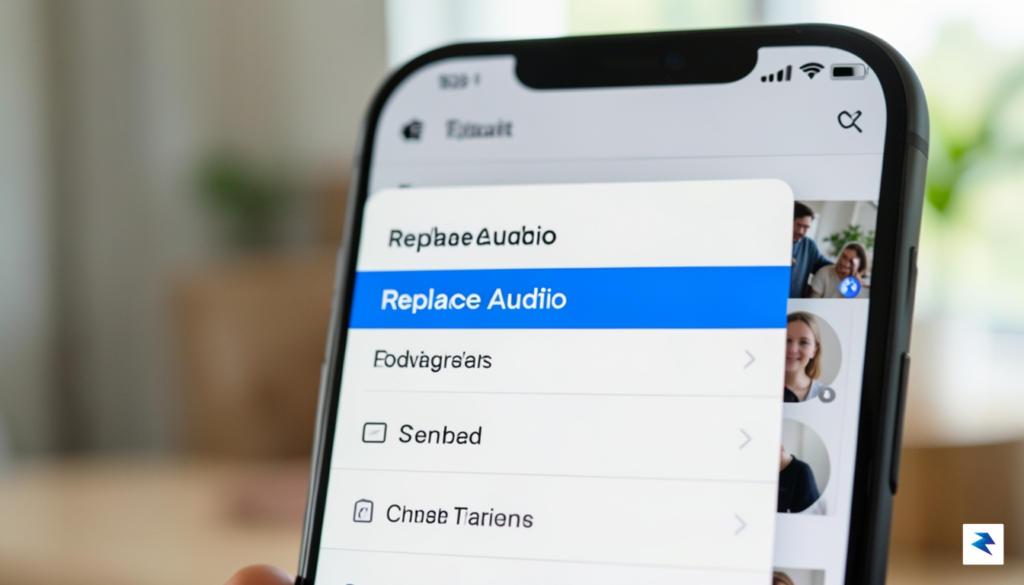
To breathe new life into older content, Instagram has streamlined the process of retroactively modifying the soundscape of your existing Reels. The mechanism is remarkably intuitive: users simply navigate to the specific post they wish to update, tap the three-dot menu icon, and select the “Edit” option. From there, a dedicated audio interface allows you to browse the extensive Instagram music library or select trending audio clips that align better with current platform algorithms. Once you choose a new track, the system automatically replaces the original audio file while preserving the visual integrity of your video. This technical shift acts as a digital reset button, allowing creators to pivot the tone of a post without having to delete the original file and lose the organic accumulation of views and comments.
However, the functionality comes with necessary guardrails, particularly regarding copyright and intellectual property. While the tool is designed to be seamless, users must remain cognizant that swapping audio may trigger new copyright detection scans. If the selected song is restricted in certain geographic regions or carries specific licensing limitations, your post might be muted in those areas, which effectively limits its reach. Furthermore, it is important to note that while this feature can revitalize a post’s engagement potential, it does not guarantee a surge in performance. Because the platform’s recommendation engine often favors content based on initial velocity, changing the audio might occasionally cause the algorithm to re-evaluate the post, leading to unpredictable fluctuations in how frequently it appears in the Explore tab.
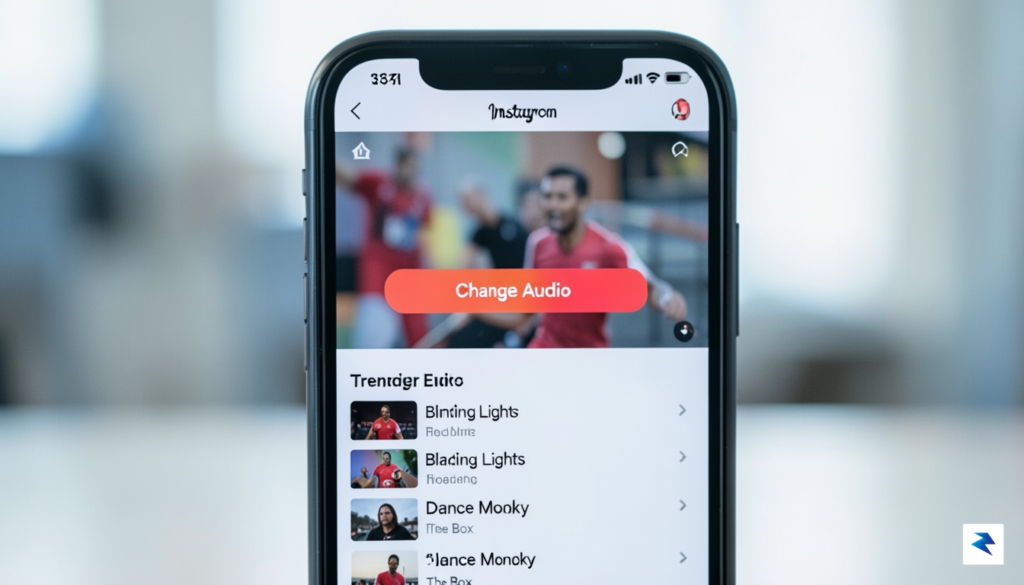
Swapping audio is not merely a technical fix; it is a strategic maneuver that can extend the shelf-life of your static video content by aligning it with current cultural trends.
The implications for a creator’s content strategy are substantial, as this update effectively mitigates the “one-and-done” nature of social media publishing. Previously, a technical mishap—such as a sync error or an outdated song choice—would force a creator to delete their work and sacrifice the accompanying engagement metrics. Now, you can perform these edits in retrospect, maintaining your historical data while optimizing for current trends. By strategically pairing older visual content with high-performing, trending audio, you can turn a dormant post into a fresh discovery for your followers, effectively recycling your best work to maintain a consistent presence without the need for constant, exhaustive production cycles.
In the fast-paced ecosystem of short-form video, audio serves as the invisible heartbeat of your content. It is rarely just background noise; rather, it functions as a critical metadata tag that the Instagram algorithm uses to categorize your posts and serve them to the right audience. When a user selects a track that is currently trending, they are essentially tapping into a pre-existing wave of engagement, signaling to the platform that their content is relevant to current cultural conversations. By allowing creators to retroactively swap the audio on older posts, Instagram is effectively providing a second life to content that may have initially stalled due to a poor musical choice or an outdated trend.
The psychological impact of sound on viewer retention cannot be overstated. A well-timed beat drop or a familiar, catchy melody can transform a static visual into an immersive experience, compelling viewers to watch the video in its entirety rather than scrolling past. When the audio matches the pacing and tone of the visual edits, it creates a “sticky” effect that increases watch time—a primary metric that influences how widely the algorithm distributes your content. If you have an older post that failed to gain traction, the culprit is often a disconnect between the visual storytelling and the auditory experience. Swapping that audio for a track that aligns better with current viewer preferences can radically improve the perceived quality of the video.
The right audio isn’t just an accessory; it is a discovery tool. By refreshing an older post with a trending track, you reset the content’s algorithmic clock, potentially exposing your work to a fresh audience that is already actively engaging with that specific sound.
Furthermore, this feature offers a strategic advantage for creators who want to keep their profiles looking dynamic without the constant pressure of filming new footage. You can now revisit your archive to identify high-potential clips—those with strong visual hooks but poor audio performance—and revitalize them with a trending sound. This strategy is particularly effective for evergreen content, such as tutorials, travel highlights, or behind-the-scenes clips, which remain relevant long after their original post date. By periodically auditing your older posts and updating the audio to match current trends, you maintain a consistent level of algorithmic visibility and ensure that your hard work continues to earn impressions long after it was first published.

The relationship between content creators and social media platforms has always been defined by a delicate, often precarious, power dynamic. Creators pour their energy, time, and creative vision into these digital ecosystems, yet they remain tethered to the whims of algorithms and proprietary feature sets. By introducing granular control over audio on archival posts, Instagram is effectively acknowledging that it must act as a partner rather than just a landlord. This shift signals a strategic pivot: platforms now realize that retaining top-tier talent requires providing the tools necessary to maintain and refresh older content, ensuring that a creator’s back catalog remains relevant even as audio trends evolve at breakneck speed.
In an increasingly crowded landscape, the competition for creator loyalty is fiercer than ever, with platforms like TikTok constantly vying for attention. If a creator feels their past work is “locked” or rendered obsolete by shifting audio trends or copyright restrictions, they are far more likely to drift toward competitors that offer greater flexibility. Instagram’s decision to allow users to swap audio on old posts is a defensive yet necessary move to curb creator churn. By lowering the friction associated with maintaining an archive, the platform encourages creators to stay within its walls, transforming the digital footprint from a static historical record into a living, breathing asset that can be updated alongside current trends.

While these in-app tools provide immediate utility, they also highlight the trade-offs inherent in relying on platform-specific editing features versus external software. Using Instagram’s native tools allows for seamless integration and algorithmic favor, as the platform naturally rewards content created within its own ecosystem. However, this convenience comes at the cost of creative autonomy; when a platform changes its terms, removes a feature, or alters its audio licensing agreements, the creator’s archives can suddenly become vulnerable. External editing software offers a level of permanence and portability that no social media app can guarantee, but it lacks the frictionless “one-tap” simplicity that allows creators to keep pace with viral trends.
True creative sovereignty lies in balancing the convenience of platform-native tools with the security of maintaining your own off-platform archive of original, unedited source files.
Ultimately, the most successful creators are those who treat their social media presence as a rented space rather than a permanent home. While features like the new audio swap tool provide immense value for day-to-day engagement and archival management, they should be viewed as a convenience rather than a foundation. By leveraging these tools to maintain relevance while keeping a master copy of their work securely elsewhere, creators can navigate the symbiotic, yet inherently frustrating, nature of the creator economy without sacrificing their long-term digital independence.

For the modern creator, the ability to swap audio on legacy posts is far more than a simple convenience; it is a powerful strategic lever for revitalizing your digital footprint. By treating your existing content library as an evergreen asset rather than a static graveyard of past performance, you can align old visuals with current cultural movements. Start by conducting a systematic audit of your high-performing posts from the last year. Look for videos that maintain high visual relevance but suffer from dated or underperforming background tracks. By applying a trending, high-velocity audio clip to a video that previously gained traction, you can effectively re-introduce that content to the algorithm, potentially capturing a new wave of engagement without the need for redundant reposting.
However, the decision to re-optimize requires a discerning eye. Not every piece of content deserves a facelift. Focus your efforts on “evergreen” posts—those that offer tutorials, educational value, or timeless aesthetic appeal—rather than time-sensitive announcements or holiday-specific content that has already passed its expiration date. If a post failed to gain traction initially due to a poor audio choice, swapping the track is a low-risk experiment that can breathe life into an otherwise stagnant piece of media. Conversely, if a post is already performing well, leave it untouched; sometimes the original audio choice is what contributed to its success, and tinkering with it could inadvertently disrupt the momentum you have already built.
Think of your Instagram profile as a living portfolio rather than a chronological log. By curating your library with current audio trends, you ensure that every visitor—no matter how far they scroll down your grid—experiences your brand through the lens of modern relevance.
Maintaining an evergreen library is essential for sustained growth, as it transforms your profile into a reliable resource for new followers. When you update the audio on older assets, you are essentially “refreshing” the metadata of your feed. This allows your content to be indexed under new audio categories, effectively widening your reach to audiences who are browsing by sound. To implement this effectively, create a monthly rotation schedule where you review your top-performing legacy content and test one or two audio swaps per week. This disciplined approach ensures that your feed remains dynamic, polished, and perfectly synced with the pulse of the platform, all while maximizing the return on investment for the time you initially spent creating that content.
You must be logged in to post a comment.