
Is Bitcoin Ready for Quantum? A New Recovery Tool Explained
The Looming Quantum Threat to Bitcoin For over a decade, Bitcoin’s security has rested on the mathematical elegance of elliptic curve…
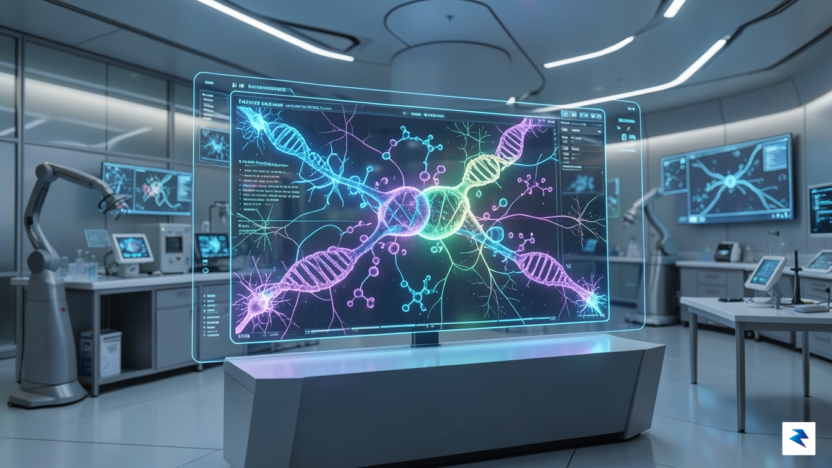
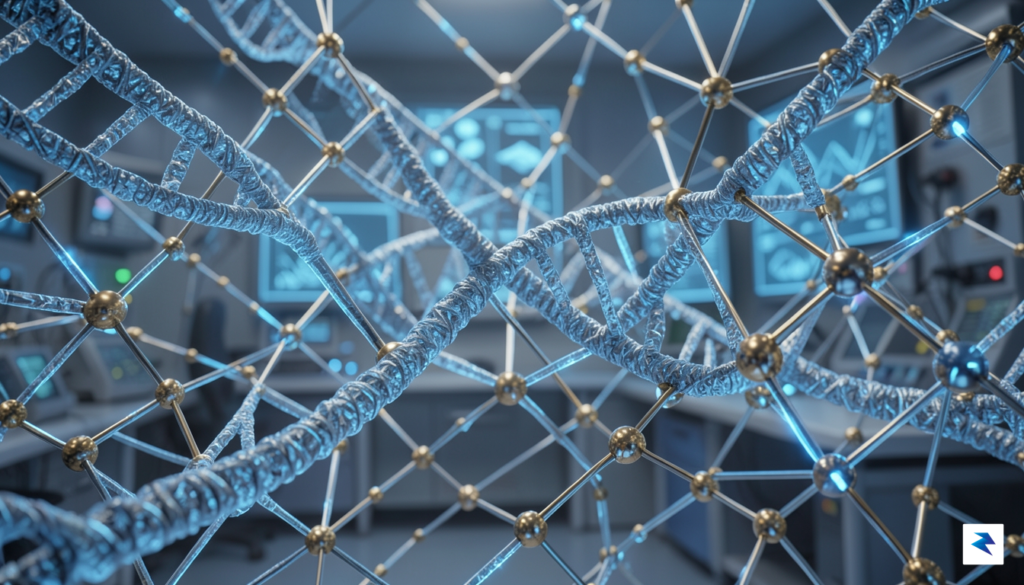
Bioresilience represents a profound shift in how we approach the delicate yet robust mechanisms of life itself. At its core, bioresilience is the comprehensive capacity of a biological system—whether it’s a single cell, an organism, or an entire ecosystem—to not only withstand disturbances but also to adapt, recover, and even thrive in the face of ongoing stress and change. This isn’t merely about survival; it’s about understanding the intricate interplay of factors that grant stability, adaptability, and the ability to fortify living systems against a spectrum of potential crises, from pathogens and environmental shifts to internal malfunctions. It’s a multidimensional framework that seeks to move beyond basic repair, aiming instead for proactive stability and sustained health.
Historically

The collaboration between Isomorphic Labs and Google DeepMind represents a deliberate fusion of two distinct scientific cultures, designed to solve the most intractable puzzles in human biology. While Google DeepMind has long served as the pioneer of fundamental artificial intelligence research—consistently breaking barriers in game theory, protein folding, and complex problem-solving—Isomorphic Labs operates with the hyper-focused mandate of transforming those theoretical breakthroughs into a commercial engine for therapeutic discovery. By anchoring these efforts together, the partnership creates a continuous loop: DeepMind provides the vast computational infrastructure and cutting-edge algorithmic innovation, while Isomorphic Labs applies that power to the high-stakes, precision-oriented environment of drug development.
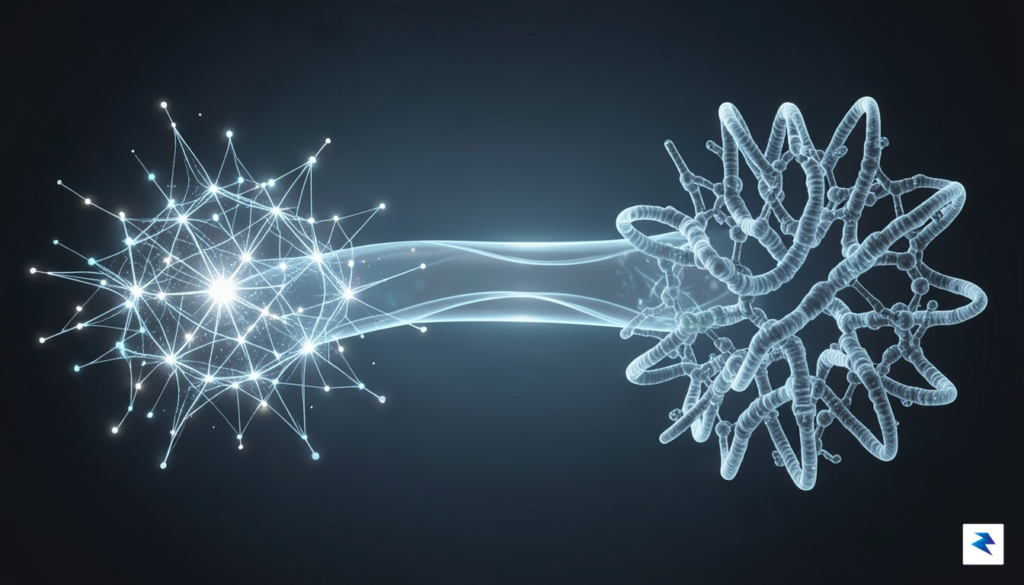
At the heart of this synergy is the shared ambition to move beyond descriptive biology and into the realm of predictive, programmable medicine. DeepMind’s heritage of tackling large-scale, generalized intelligence problems provides the foundational bedrock, offering the massive compute capacity and deep learning expertise required to model the behavior of life at the molecular level. Isomorphic Labs then acts as the specialized conduit, taking these sophisticated models and refining them through iterative, industrial-grade biological experimentation. This structure is intentionally designed to address the “valley of death” that often separates academic research from the clinical reality of pharmaceutical development, ensuring that insights gained from machine learning are not just scientifically elegant, but medically actionable.
The true power of this union lies in the iterative cycle: where traditional pharmaceutical discovery might take years to test a single hypothesis, this partnership leverages computational speed to simulate thousands of possibilities, narrowing the focus to only the most promising therapeutic targets.
Ultimately, the marriage of these two organizations bridges the divide between foundational research and commercial utility. By embedding Isomorphic Labs within a culture defined by the relentless pursuit of solving universal problems, the partnership ensures that the models developed today are optimized for the complex, multifaceted challenges of modern medicine tomorrow. This approach does more than just accelerate the speed of discovery; it fundamentally changes the nature of the inquiry. By treating biological systems as computational problems that can be solved with the right algorithmic lens, the collaboration is establishing a new paradigm where the design of life-saving treatments is no longer a matter of serendipity, but a rigorous, engineering-led discipline.
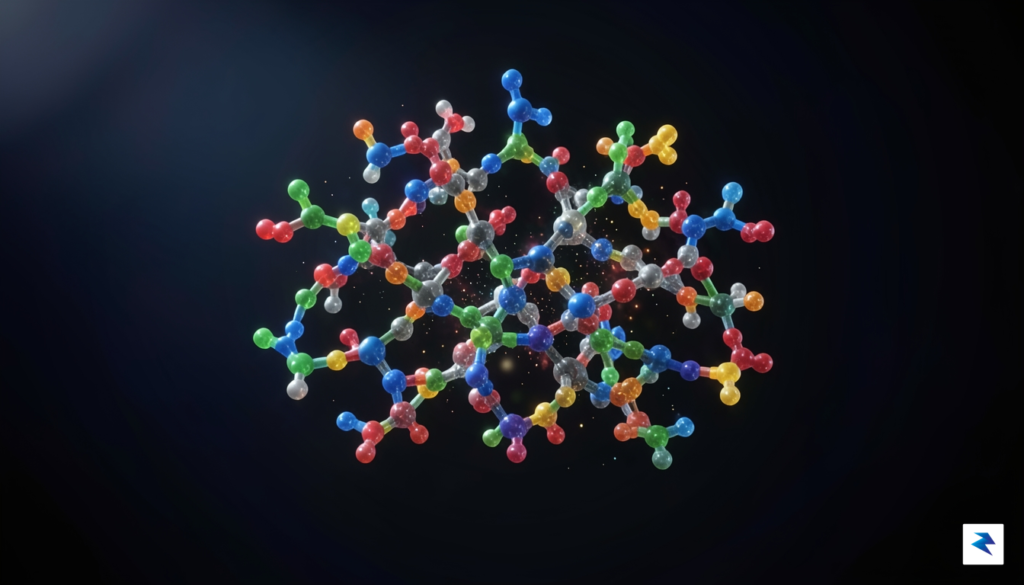
The success of AlphaFold, which effectively solved the long-standing “protein folding problem,” served as a foundational milestone that proved artificial intelligence could decipher the structural blueprints of life. However, understanding the static shape of a protein is merely the opening chapter in a much larger narrative. To truly achieve bioresilience—the ability to engineer robust responses to biological threats—we must transition from observing static snapshots to modeling the kinetic choreography of cellular life. This evolution requires us to move beyond structural prediction and into the realm of generative biology, where models can anticipate how molecules behave, interact, and evolve within the chaotic, high-dimensional environment of a living cell.
The next frontier involves mastering the complex landscape of protein-ligand binding and small-molecule interactions. In traditional drug discovery, scientists often spend years in a laboratory physically testing compounds against biological targets, a process that is as costly as it is slow. By leveraging advanced generative models, we are shifting this burden toward in silico simulation. These models act as a digital sandbox where millions of molecular interactions can be tested and discarded in seconds, allowing researchers to explore chemical spaces that were previously inaccessible. By predicting how a drug candidate might dock with a target protein and influence broader metabolic pathways, we can identify therapeutic candidates with unprecedented precision long before a single test tube is touched.
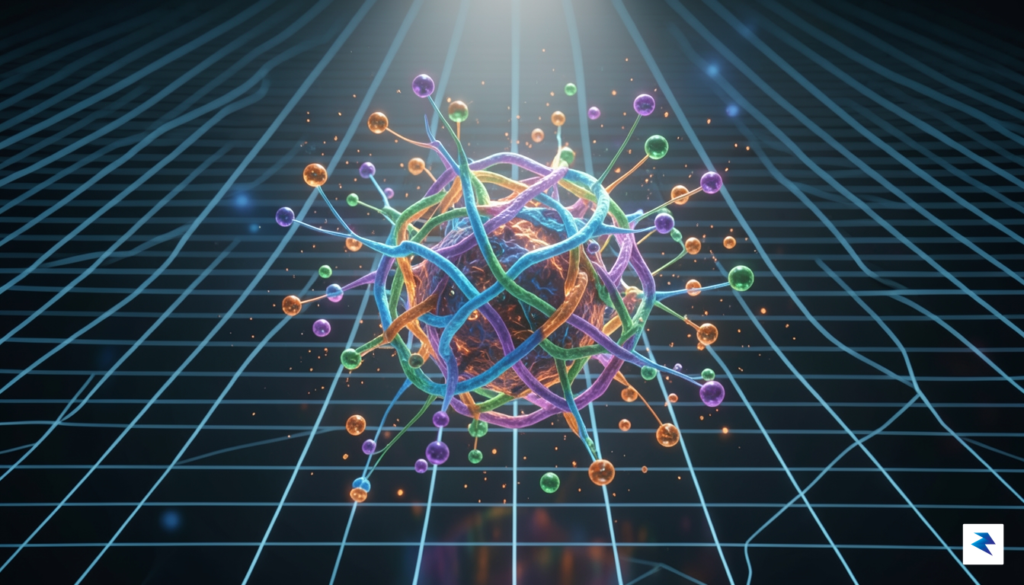
Simulating these biological systems, however, presents significant technical hurdles that require a fundamental rethink of how we process molecular data. Biological entities do not exist in isolation; they are deeply interconnected, existing in a state of constant flux where high dimensionality is the rule rather than the exception. A single protein’s behavior can be influenced by temperature, pH levels, the presence of other proteins, and a cascade of biochemical signals. To capture this, our generative models must account for the stochastic nature of biological interactions, effectively mapping the probabilistic outcomes of molecular movement. This requires moving away from rigid, deterministic algorithms toward dynamic, attention-based architectures capable of learning the underlying physics and evolutionary logic of biological systems.
The goal is to create a digital twin of biological processes that is not only predictive but also generative, capable of suggesting novel therapeutic interventions that nature may have never produced on its own.
Ultimately, this approach to bioresilience is about mastering the language of biology itself. By synthesizing massive datasets from genomic sequences, proteomic interactions, and metabolic pathways, we are training AI to recognize the patterns that govern life’s response to external stressors. This leap—from knowing what a molecule looks like to knowing what it will do—is what will empower the next generation of medicine. By integrating these insights into a unified framework, Isomorphic Labs and Google DeepMind are not just observing biology; we are developing the tools necessary to navigate its complexities with the foresight required to tackle the most pressing health challenges of our era.

The pursuit of biological innovation through artificial intelligence carries a profound responsibility that necessitates a foundation of rigorous safety architectures. As we unlock the potential to map protein structures and simulate complex molecular interactions, the primary challenge lies in the dual-use nature of these powerful computational tools. While the goal is to accelerate the discovery of life-saving therapeutics, the same models could theoretically be repurposed to identify or enhance harmful biological agents. To mitigate these significant risks, Isomorphic Labs and Google DeepMind have adopted a comprehensive “safety-by-design” philosophy, which mandates that robust guardrails are woven into the very fabric of our algorithmic development rather than treated as an afterthought.
Central to this framework is the proactive identification of potential misuse scenarios long before a model is deployed. By stress-testing our systems against a diverse array of edge cases, we ensure that our biological modeling tools possess inherent limitations that prevent them from being weaponized. This involves not only technical safeguards, such as specialized filtering and restricted access protocols, but also a commitment to ongoing red-teaming exercises. In these simulations, internal experts act as adversarial agents to identify vulnerabilities in the model’s reasoning, allowing us to patch potential loopholes before they can be exploited by bad actors.
Technology alone cannot address the ethical complexities inherent in biological simulation; therefore, maintaining a human-in-the-loop oversight mechanism is non-negotiable. While AI can process vast datasets at speeds impossible for the human mind, it lacks the contextual wisdom and ethical judgment required to navigate the societal implications of its output. By integrating expert biologists, bioethicists, and security researchers into every stage of the research pipeline, we ensure that the development process remains grounded in human values. This collaborative approach allows for nuanced decision-making, particularly when a model yields results that are scientifically profound but ethically sensitive.
True bioresilience is not merely about technological advancement; it is about ensuring that the tools we build to heal the world are fundamentally incapable of causing it harm.
Transparency acts as the final pillar of our responsible deployment strategy. In an era where proprietary black-box models often dominate the conversation, we prioritize open communication with the broader scientific community, regulatory bodies, and public health organizations. By sharing our safety methodologies and contributing to the development of international standards for AI-driven biological research, we aim to foster a global culture of accountability. This commitment ensures that as we redefine the boundaries of what is possible in medicine, we do so with a clear, verifiable, and ethical mandate that prioritizes the safety of the global population above all else.

The convergence of artificial intelligence and biological research marks the beginning of a transformative era in global medicine, one where the traditional, decade-long cycle of drug development is replaced by a more precise, computational paradigm. By leveraging the predictive power of models like AlphaFold, researchers can now visualize the intricate architecture of proteins with unprecedented clarity, allowing for the design of therapeutics that are tailored to specific molecular targets before a single lab experiment is conducted. This shift fundamentally alters the pharmaceutical industry, moving it away from the costly, trial-and-error methodologies of the past toward a proactive, engineering-driven discipline. As these predictive capabilities continue to mature, the time required to bring life-saving treatments to market will shrink, effectively turning the tide against diseases that have historically been considered “undruggable.”
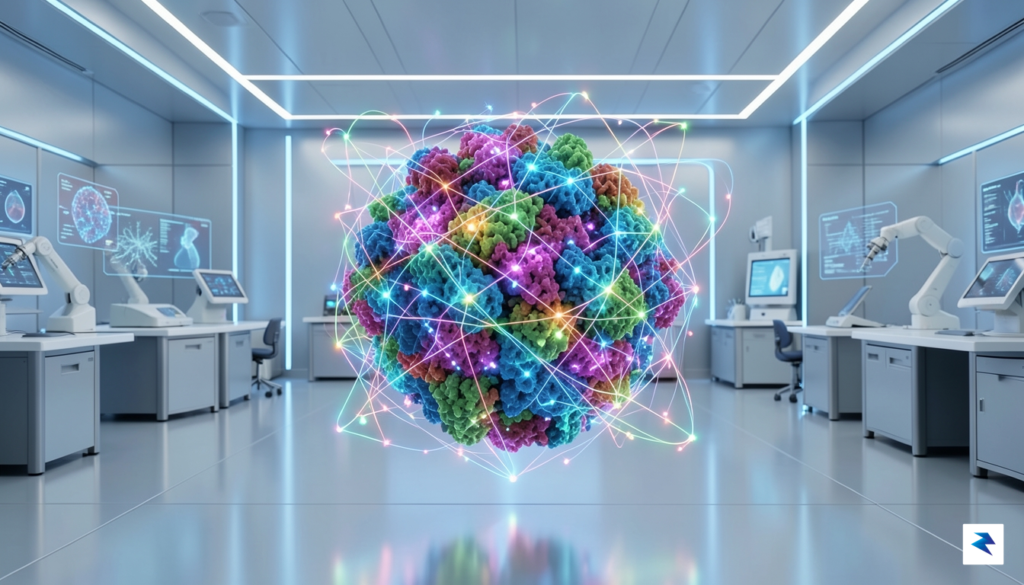
Beyond increasing the speed of discovery, this technological leap paves the way for the true realization of personalized medicine. Instead of relying on broad, one-size-fits-all treatments, clinicians will eventually be able to utilize AI-driven insights to develop bespoke therapies that align with an individual’s unique genetic makeup and biological profile. This evolution promises to maximize efficacy while minimizing the harmful side effects that often accompany conventional pharmaceuticals. By treating patients as distinct biological systems rather than monolithic categories, we can move toward a healthcare model that prioritizes individual resilience, ensuring that treatments are not only effective but also perfectly suited to the specific patient in need.
The ultimate success of bioresilience will be measured not just by the speed of our breakthroughs, but by our ability to make intelligent, scalable healthcare solutions an accessible global standard.
Looking further toward the horizon, the long-term goal of integrating these technologies is to establish a robust infrastructure for global health that is inherently resilient against future biological threats. By creating a world where biological crises are met with rapid, computational responses, we are fundamentally redefining our relationship with disease—transitioning from a reactive posture to a state of perpetual readiness. When we can simulate and mitigate viral mutations or metabolic disruptions in silico within days rather than years, we secure a safer future for global populations. Ultimately, this journey toward bioresilience is about standardizing the ability to adapt, ensuring that the next generation of medical technology is as flexible and intelligent as the life it seeks to protect.
You must be logged in to post a comment.