
Jaredfromsubway.eth Drained: The $7.5 Million Irony of Ethereum’s Top Sandwich Bot
The Irony of the Sandwich: How the Hunter Became the Prey For months, the Ethereum landscape has been haunted by the relentless presence of…
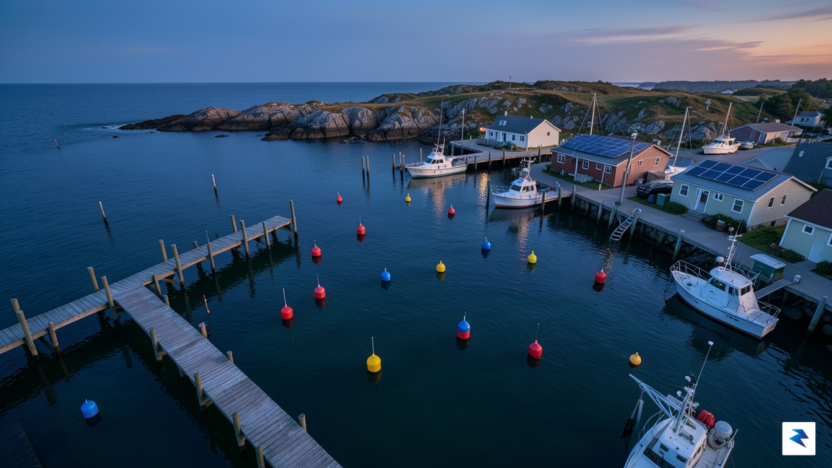
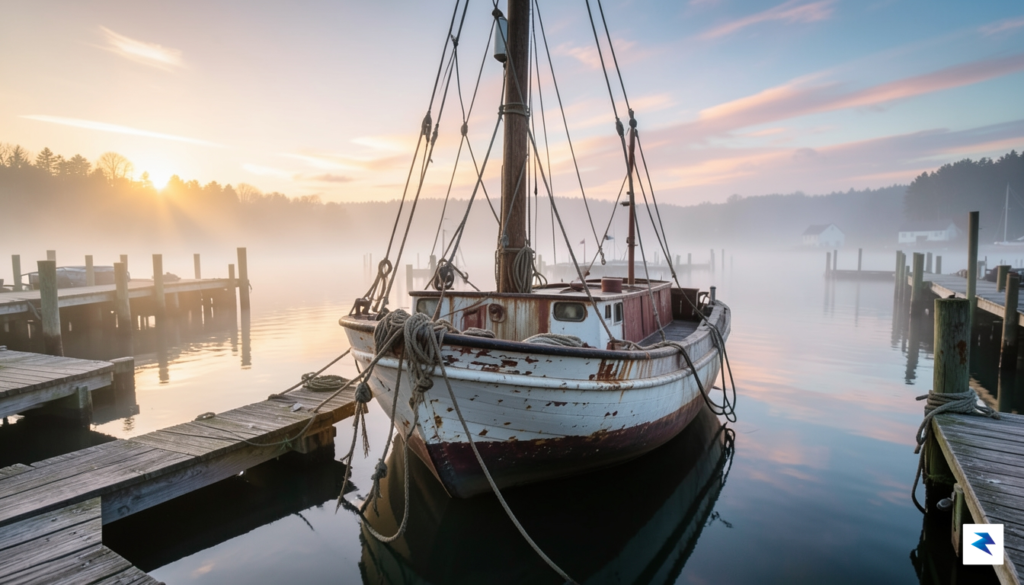
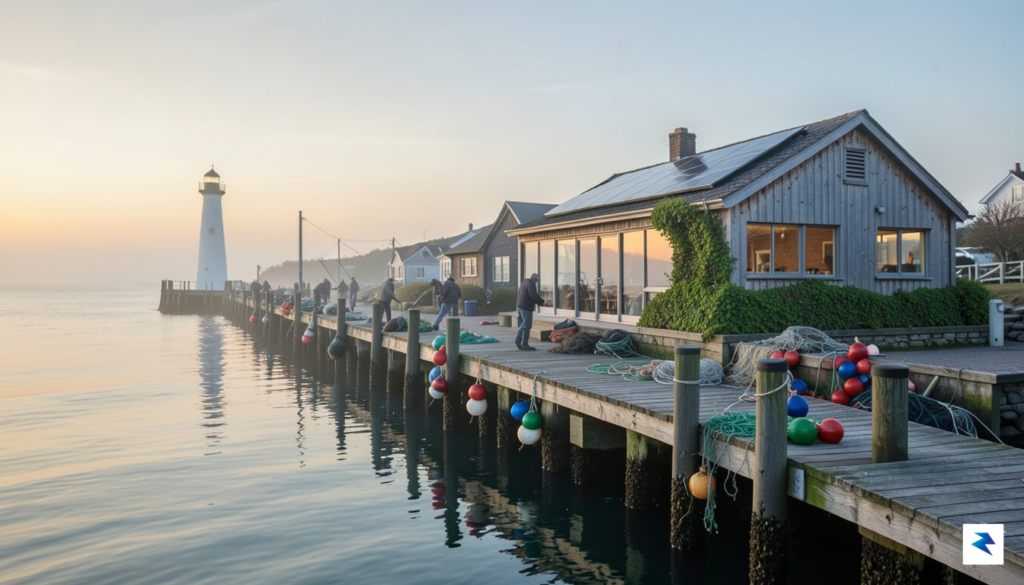
The rugged coastline of Maine has long been defined by its working waterfronts—the essential interface where sea meets land, facilitating a way of life that has sustained generations of families. However, these historic hubs are currently teetering on the edge of a systemic collapse. Small-scale commercial fishing, once the lifeblood of these communities, is increasingly squeezed by a perfect storm of rising operational overhead, unpredictable environmental shifts, and tightening regulatory frameworks. As the cost of fuel, insurance, and specialized equipment outpaces the stagnant market value of the catch, many independent fishermen find themselves unable to maintain their vessels, let alone profit from their labor. This economic thinning is not merely a financial statistic; it is a profound erosion of a maritime culture that has anchored Maine’s identity for centuries.
Beyond the immediate struggles of the fleet, these communities are battling the relentless tide of gentrification. As coastal property values skyrocket, the land-based infrastructure necessary for a working harbor—such as bait sheds, fuel docks, and boat repair yards—is being systematically displaced by luxury residential developments and tourism-centric enterprises. When a town loses its physical access to the water, it loses its ability to function as a fishing port. This transition often forces aging, multi-generational families to sell their ancestral holdings, effectively severing the link between the community’s heritage and its future. The resulting socioeconomic displacement leaves villages like Port Clyde in a precarious position, where the aesthetic appeal of a “quaint” fishing town remains, yet the authentic industry that necessitated its existence is vanishing.
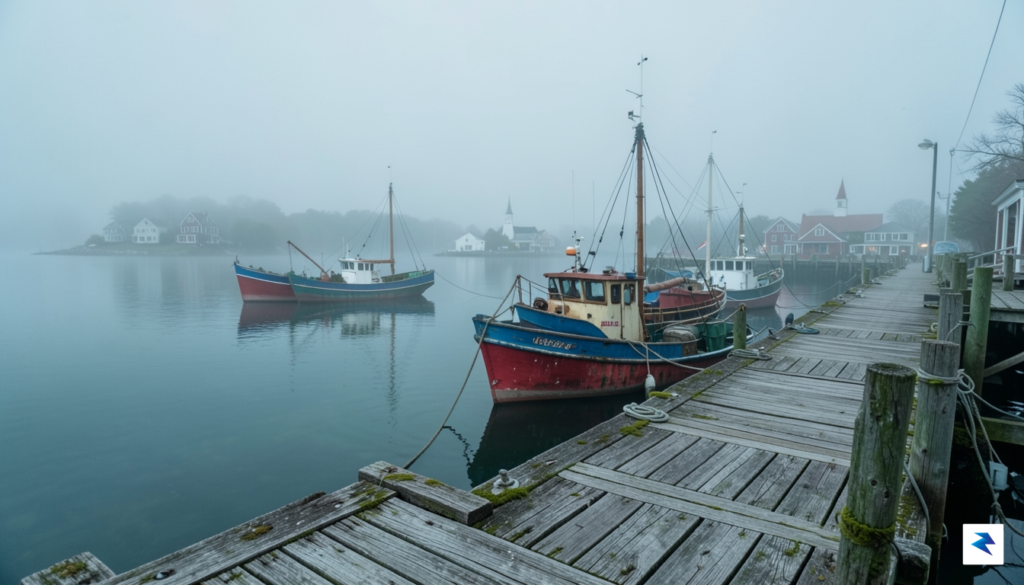
The “working waterfront” is more than just a place of business; it is a vital social commons where the expertise of the sea is passed down and the local economy remains tethered to the natural resources of the Gulf of Maine.
Traditional economic models have proven woefully inadequate in addressing this crisis because they fail to account for the “social capital” inherent in these waterfronts. Market forces often treat a dock as mere real estate, failing to recognize that once the infrastructure of a working harbor is converted for private use, it is almost impossible to recover. The decline of these ports creates a domino effect: as the fishermen leave, local processing facilities shutter, specialized tradespeople move away, and the tax base required to support essential public services begins to wither. Without a proactive intervention to preserve these spaces, the unique socioeconomic fabric of Maine’s coastal life risks being replaced by a sanitized version of itself, one that serves the interests of seasonal visitors rather than the families who have served as the stewards of the coast for generations.
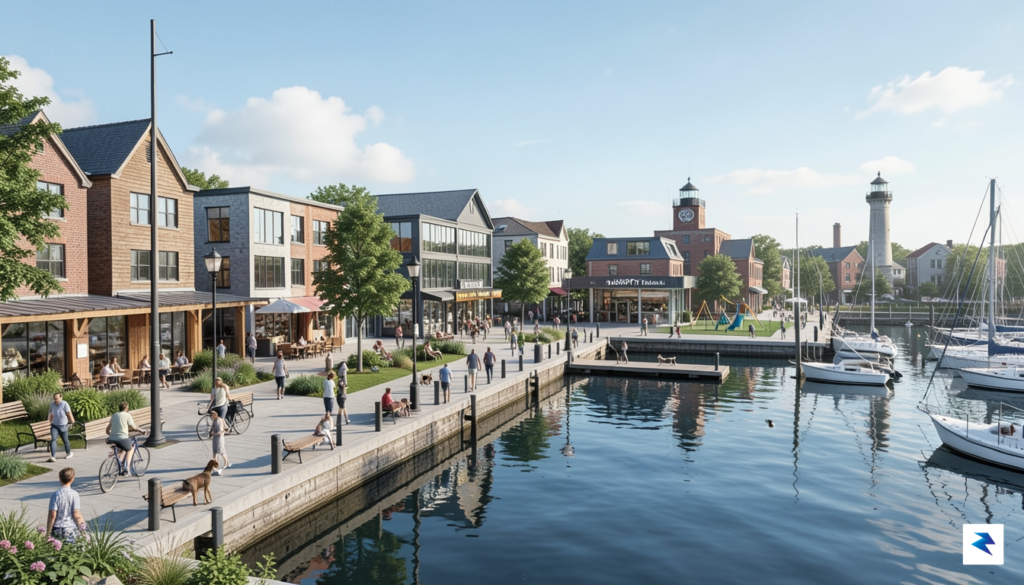
In an unprecedented move that redefines the role of educational institutions in regional development, Colby College has stepped forward as a pivotal civic savior for the struggling coastal community of Port Clyde, Maine. This is far from a traditional philanthropic gesture; instead, it represents a highly strategic and calculated intervention designed to fortify the very foundations of the town’s physical and economic viability. By leveraging substantial capital from a prominent private construction financier, the college is orchestrating a revitalization effort that aims to secure Port Clyde’s future, ensuring its vital maritime assets can continue to function robustly for generations to come.
The financial architecture of this initiative is particularly innovative, moving beyond simple donations to establish a more enduring framework. Colby College is effectively acting as a conduit and strategic manager for significant private philanthropic capital, channeled specifically towards critical infrastructure projects in Port Clyde. This arrangement allows for the efficient deployment of funds, often bypassing the slower processes associated with traditional grant-making or public sector financing. The construction magnate’s investment is not merely a gift but a partnership, structured to provide the expertise and resources necessary for large-scale infrastructure overhauls, thereby ensuring the longevity and resilience of the town’s essential services and industries.
Colby College’s motivation for this deep regional involvement extends beyond altruism; it is rooted in a broader vision for Maine’s prosperity and the college’s integral role within it. The institution recognizes that the health of its surrounding communities directly impacts the state’s economic landscape and, by extension, the opportunities available to its students and faculty. By actively engaging in projects like the Port Clyde revitalization, Colby reinforces its commitment to civic engagement, provides invaluable real-world learning opportunities for students across various disciplines—from environmental studies to economics—and strengthens its identity as a force for positive change in New England. This approach highlights a forward-thinking institutional strategy that sees community welfare as intrinsically linked to academic mission and regional stability.
The intervention’s focus is acutely precise, targeting the very assets that form the backbone of Port Clyde’s enduring maritime economy. Foremost among these are the critically threatened wharves, which are essential docking points for fishing vessels and marine traffic, vital for commerce and daily operations. Alongside these, the project is prioritizing the rehabilitation of fuel docks, ensuring that the fishing fleet has reliable access to necessary resources, a fundamental requirement for their continued operation. Furthermore, the revitalization encompasses the crucial processing facilities where the day’s catch is prepared for market, directly supporting local jobs and the economic cycle of the fishing industry. This comprehensive approach underscores a deep understanding of Port Clyde’s needs, aiming to stabilize and modernize the infrastructure that underpins the community’s identity and livelihood.
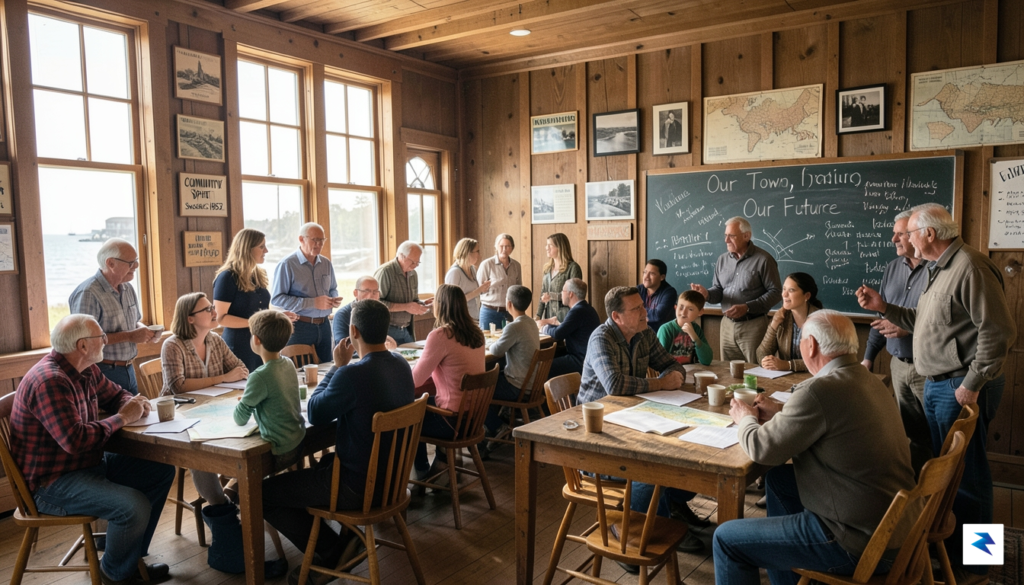
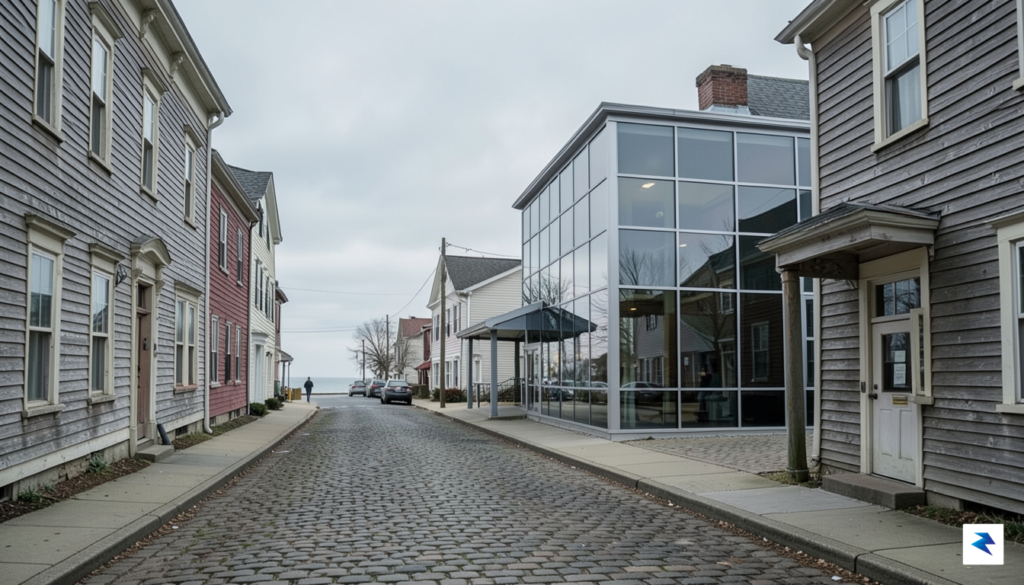
When an academic institution steps into the role of a primary developer, it disrupts the traditional dichotomy between the volatility of private equity and the often-stagnant nature of state-funded bureaucracy. Unlike private-equity buyouts, which frequently prioritize rapid capital appreciation and aggressive exit strategies, Colby College’s approach operates on the principle of “patient capital.” This model recognizes that rural revitalization cannot be solved within a standard five-year investment cycle. By tethering the economic health of the town to an endowment-backed mission rather than a quarterly earnings report, the college creates a buffer against the boom-and-bust cycles that have historically devastated small coastal communities. This stewardship approach prioritizes the long-term viability of local infrastructure over immediate profit margins, fundamentally altering the risk profile of rural commercial development.
However, the shift toward institutional-led development is not without its democratic challenges. While philanthropic liquidity provides the necessary fuel to jumpstart stalled economies, it also necessitates a significant transfer of influence. When a singular, powerful entity controls a substantial portion of a town’s commercial real estate, the organic evolution of local decision-making can be subsumed by the strategic vision of a distant board of trustees. This creates a complex power dynamic where the lines between civic progress and corporate paternalism begin to blur. For residents, the benefit of restored storefronts and stabilized housing must be weighed against the potential loss of community autonomy, as the town’s identity becomes increasingly aligned with the institutional brand of its benefactor.
The true test of institutional-led renewal lies not in the speed of the construction, but in the resilience of the community long after the initial influx of capital has settled into the bedrock of the local economy.
Comparing this model to state-funded initiatives reveals further nuances in sustainability. State grants are often hampered by narrow mandates, restrictive timelines, and the shifting winds of political priority, which can leave half-finished projects stranded if funding cycles are interrupted. In contrast, non-profit-backed commercial development offers a more cohesive, integrated strategy that links education, commerce, and housing into a single, functional ecosystem. By acting as an anchor institution, the college provides a level of certainty that encourages smaller, independent entrepreneurs to take risks they might otherwise avoid. Ultimately, this represents a hybrid approach to rural renewal: it leverages the efficiency of private enterprise while maintaining the social-good mission of an educational non-profit, effectively creating a model that is both economically robust and socially responsible.
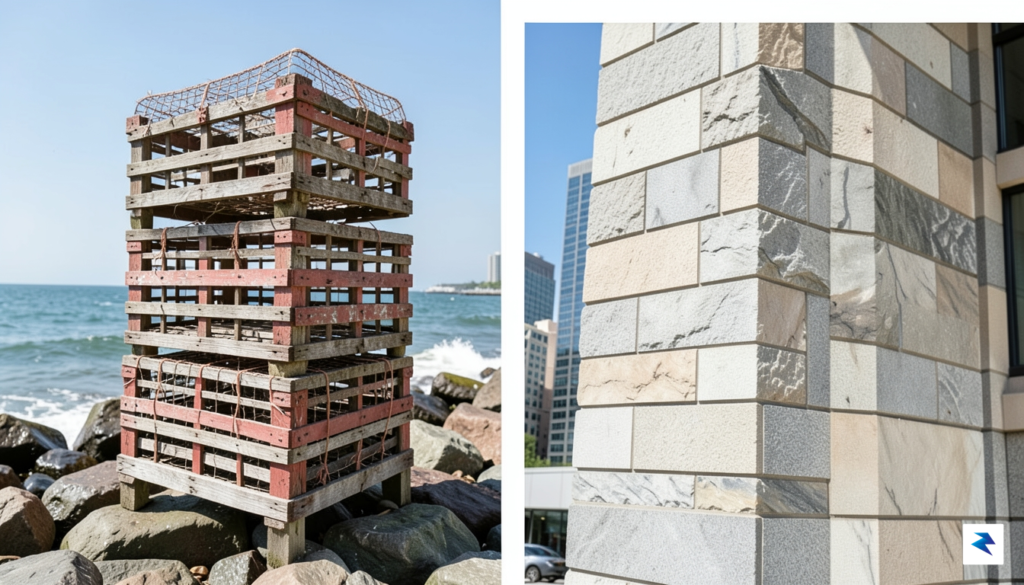
The transformation of a historic harbor like Port Clyde is a delicate tightrope walk between necessary revitalization and the preservation of a way of life that has defined the region for generations. For the local residents, the primary apprehension is not the arrival of new resources, but the potential erosion of the town’s authentic character. There is a palpable tension between the urgency of economic survival—which requires modernized infrastructure and sustainable business models—and the desire to maintain the rugged, unpolished charm that makes this Maine outpost so unique. As stakeholders navigate this transition, the overarching goal has become clear: to foster an environment where organic growth flourishes without succumbing to the static, curated nature of a “museum-ified” tourist attraction.
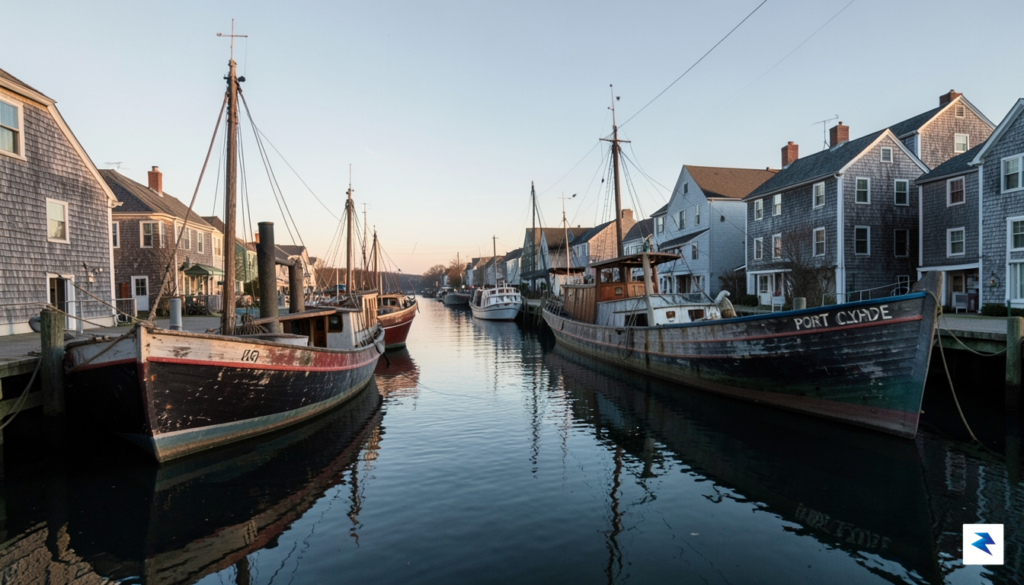
Central to this initiative is the commitment to ensuring that the working waterfront remains a functional engine for the independent fishermen who have anchored the local economy for decades. Development plans are being meticulously audited to prevent the displacement of these essential workers, ensuring that as facilities are upgraded, they remain accessible and affordable for the local fleet. By prioritizing the operational needs of the fishing community, Colby College and its partners are signaling that progress does not have to mean the exclusion of the very people who built the town’s identity. The objective is to build a bridge between traditional maritime practices and modern logistical efficiencies, ensuring that the harbor remains a place of production rather than merely a backdrop for seasonal visitors.
True revitalization must be measured not by the influx of capital, but by the sustained ability of the community to define its own future while honoring its past.
Ultimately, the risk of losing the “soul” of Port Clyde is being mitigated through a strategy of thoughtful, incremental evolution. Instead of radical, wholesale redevelopment, the project focuses on sensitive interventions that respect the established architectural vernacular. By integrating new educational and commercial spaces into the existing footprint of the town, the developers are attempting to weave a new narrative into the fabric of the old. This approach acknowledges that while change is an inescapable reality of the modern era, it can be directed in a way that amplifies the town’s heritage. The success of this effort will likely depend on maintaining an open, ongoing dialogue with the residents, ensuring that the community remains the primary architect of its own long-term legacy.

The intervention in Port Clyde represents more than a localized act of preservation; it serves as a high-stakes laboratory for the future of rural New England. If this partnership between Colby College and the town’s essential infrastructure proves successful, it could establish a repeatable blueprint for other coastal municipalities currently grappling with the dual pressures of climate change and economic erosion. By treating vital community assets—such as working waterfronts and small-scale commercial hubs—as public goods rather than strictly profit-seeking ventures, the initiative demonstrates a shift in how academic institutions can anchor the regions they inhabit. This model of “institutional stewardship” offers a compelling alternative to the traditional cycle of development, where vulnerable towns are often left to the mercy of volatile market shifts or seasonal tourism trends.
For many Maine coastal towns, the primary challenge is achieving long-term economic scalability without sacrificing the authentic character that defines the region. The Port Clyde model suggests that sustainability requires a delicate balance: the capital and expertise of a larger institution must be paired with a commitment to local autonomy. By investing in resilient infrastructure that supports traditional industries like fishing while simultaneously fostering modern economic opportunities, Colby College is effectively de-risking the future for local residents. If this approach can be scaled, it provides a roadmap for other colleges and foundations to step in as “economic shock absorbers,” helping to stabilize communities that are currently experiencing significant demographic and financial instability.
Ultimately, the survival of the New England coast may depend on our willingness to redefine community resilience as a collaborative, intergenerational investment rather than a solitary struggle for survival.
Looking toward the 21st century, the definition of resilience is evolving from a focus on mere disaster recovery to a proactive strategy of community fortification. This project highlights that the future of rural resilience is not just about physical walls or seawalls, but about economic connectivity and the preservation of the social fabric. As other coastal towns look to Port Clyde, they will likely see that the most effective way to secure a future is to bridge the gap between academic resources and local grassroots needs. By fostering these hybrid partnerships, Maine can transition from a narrative of decline to one of adaptive growth, ensuring that the working waterfronts of today become the sustainable foundations for the generations of tomorrow.
You must be logged in to post a comment.