
How Colby College Is Reshaping the Future of Port Clyde
The Crisis of Maine's Working Waterfronts The rugged coastline of Maine has long been defined by its working waterfronts—the essential…
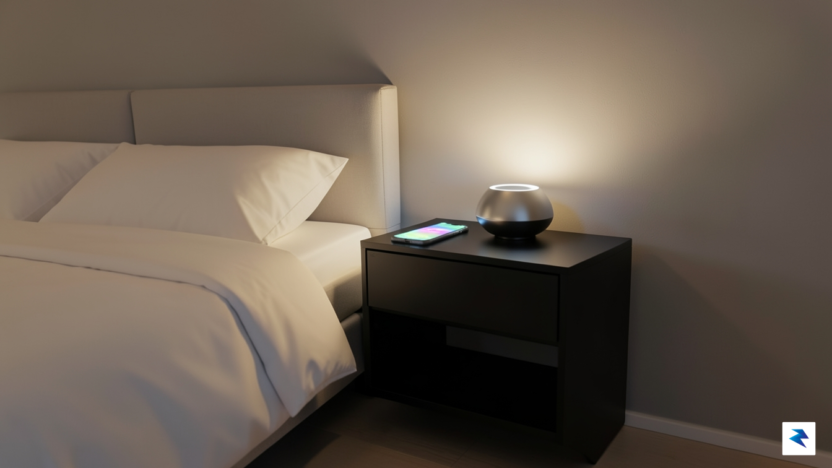
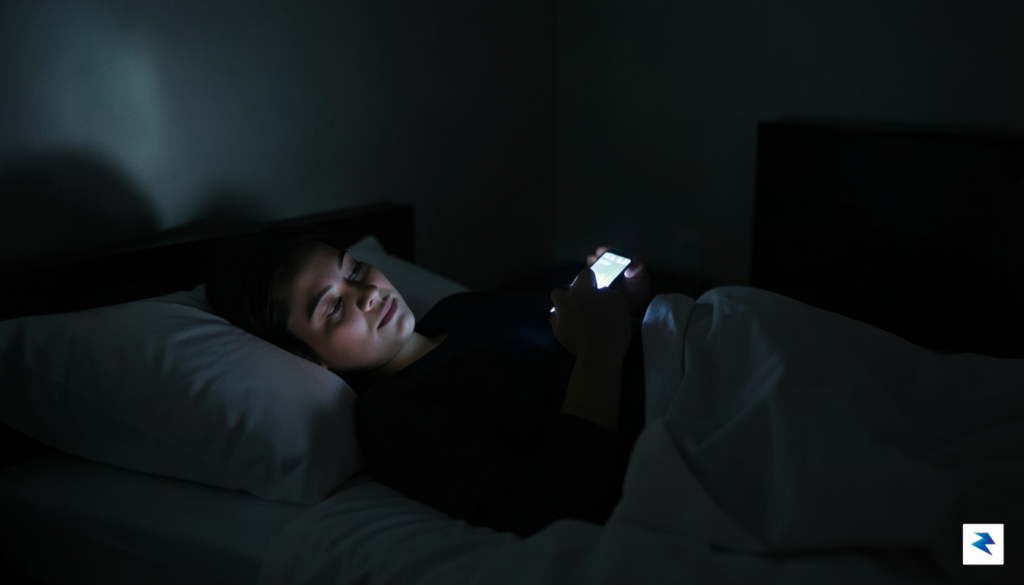
It often starts with a simple intention: checking a single email or glancing at a weather update before turning in for the night. However, within minutes, you find yourself deep in a digital rabbit hole, a phenomenon driven by the Zeigarnik effect. This psychological principle suggests that our brains are wired to remember uncompleted tasks better than finished ones, creating a nagging sense of mental clutter. As you scroll, every new post or notification acts as an unfinished “loop,” compelling your brain to seek resolution, which effectively tricks you into believing that just one more swipe will finally quiet your mind. Instead, this cycle keeps your cognitive engine revving, making it nearly impossible to achieve the mental stillness required for restorative sleep.
The mechanical nature of these platforms is no accident; infinite scrolling algorithms are precision-engineered to exploit our dopamine reward system. Much like a slot machine, the unpredictability of what you might find next—a funny video, a controversial headline, or a message from a friend—triggers a release of dopamine in the brain. This neurochemical reward reinforces the behavior, creating a subconscious drive to stay awake that feels less like a choice and more like a compulsion. By constantly providing these micro-doses of stimulation, your device keeps you in a state of high alert, effectively delaying the onset of REM sleep and disrupting the natural transition from wakefulness to slumber.
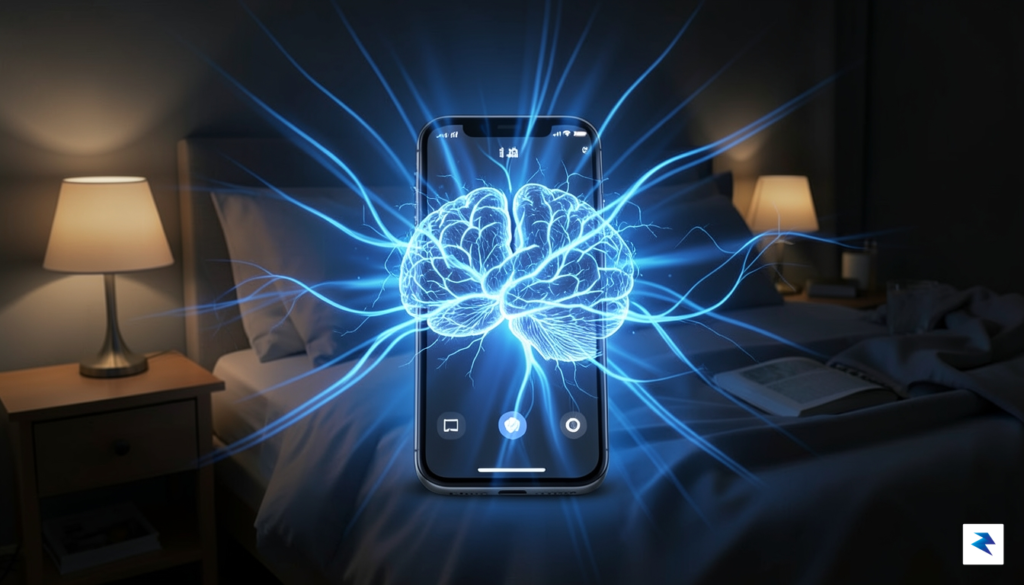
The desire to reclaim personal time at night—often called ‘revenge bedtime procrastination’—is a subconscious attempt to regain a sense of autonomy in a world that demands our constant attention, yet it comes at the steep price of our long-term health.
Beyond the neurological pull, there is a distinct physiological cost to this nighttime habit. The blue light emitted by our screens mimics the intensity of daylight, which suppresses the production of melatonin, the essential hormone responsible for signaling to your body that it is time to rest. When you expose your eyes to this artificial luminosity during the hours when you should be winding down, you effectively shift your internal circadian rhythm, telling your brain that the day is still in full swing. This hormonal disruption not only makes falling asleep more difficult but also degrades the overall quality of your sleep cycles, leaving you feeling exhausted regardless of how many hours you eventually clock.
Understanding this intersection of behavioral psychology and biology is the first step toward breaking the cycle. By recognizing that your phone is designed to bypass your willpower, you can begin to shift your perspective. It is not a lack of discipline that keeps you awake, but rather a sophisticated feedback loop that requires an intentional, tangible intervention to break. Moving away from these screens isn’t just about turning off a device; it is about reclaiming your biological right to rest and allowing your nervous system the quiet space it needs to recover from the demands of the day.
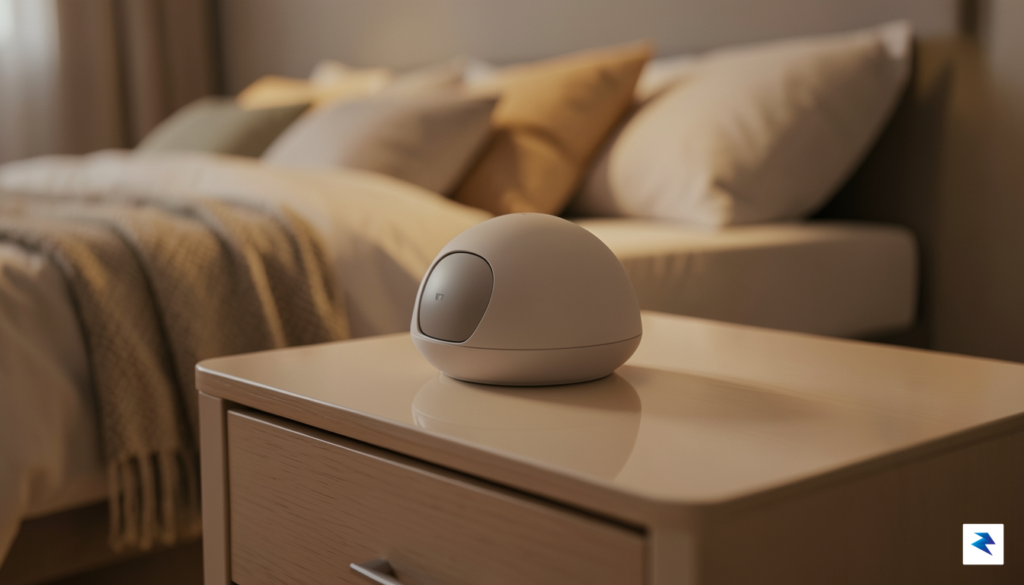
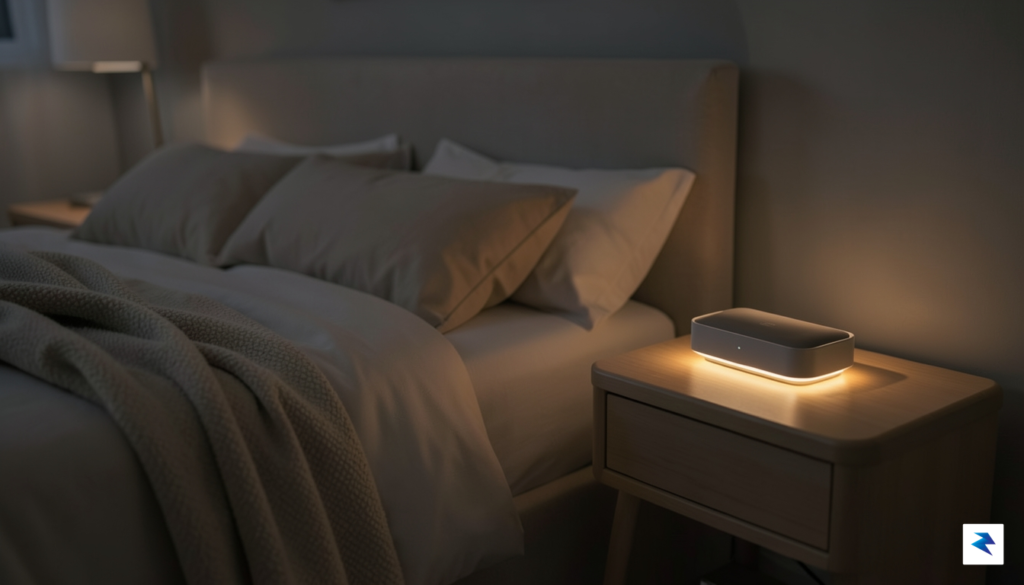
For most of us, the primary obstacle to a good night’s rest isn’t a lack of desire to sleep, but a lack of structural willpower. When you rely solely on software-based screen time limiters, you are essentially asking the fox to guard the henhouse; the very device designed to keep you awake is also the one tasked with policing its own usage. With a simple tap, a “snooze” button, or a quick swipe to bypass a notification, the intended boundary evaporates in seconds. Halo disrupts this cycle by shifting the intervention from the volatile realm of software to the immutable reality of hardware. By introducing physical friction into your bedtime ritual, it forces a conscious, tactile departure from the digital world that a pop-up notification simply cannot replicate.
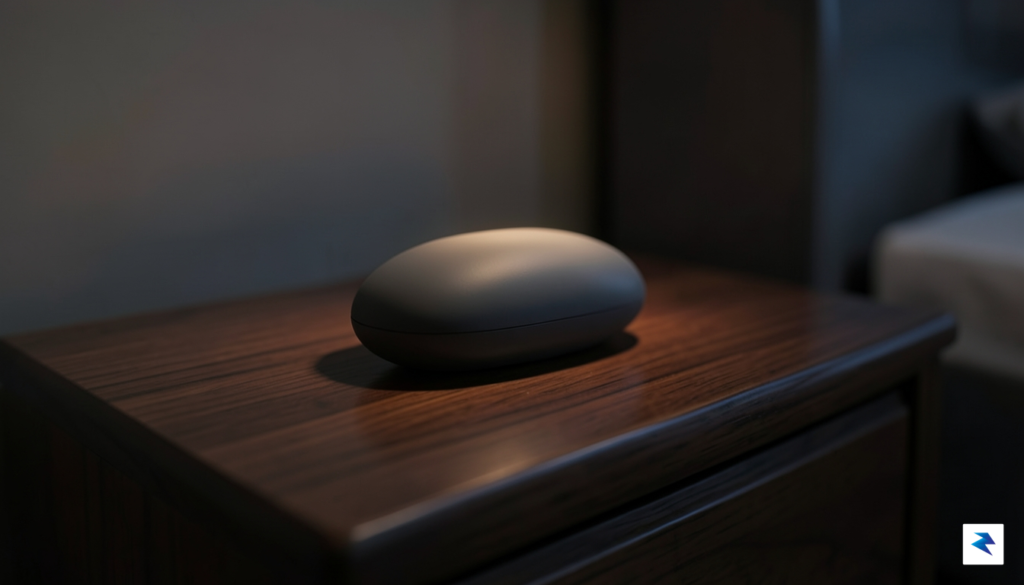
The core mechanism of the Halo gadget lies in its ability to act as a tangible “off-switch” for your digital life. Unlike an app that relies on your fleeting self-control to abide by a self-imposed lock, Halo functions as a dedicated gatekeeper that occupies physical space. When you engage the device at the end of the day, you are performing a deliberate, ceremonial action that signals to your brain that the “active” portion of your day has concluded. This creates a psychological partition between your daylight productivity and your nighttime recovery, turning the act of disconnecting into a ritual rather than a chore. Because the device exists outside of your phone’s operating system, it cannot be overridden by a panicked “just five more minutes” impulse.
The beauty of a hardware-based intervention is that it removes the choice from the moment of weakness. When the barrier is physical, the decision to scroll requires an intentional effort that breaks the trance of the late-night algorithm.
This separation is crucial because software notifications have become background noise to the modern brain. We are conditioned to reflexively dismiss alerts, clear banners, and ignore “time to wind down” reminders that appear on our lock screens. Halo circumvents this habituation entirely by demanding an interaction that is entirely detached from the digital feedback loop. By placing a physical object between you and your screen, you regain control over your environment. You are no longer negotiating with an algorithm that is optimized to keep you scrolling; you are interacting with a device that is optimized to help you disappear into rest. This shift from passive software consumption to active physical management is exactly what is required to break the cycle of bedtime procrastination once and for all.
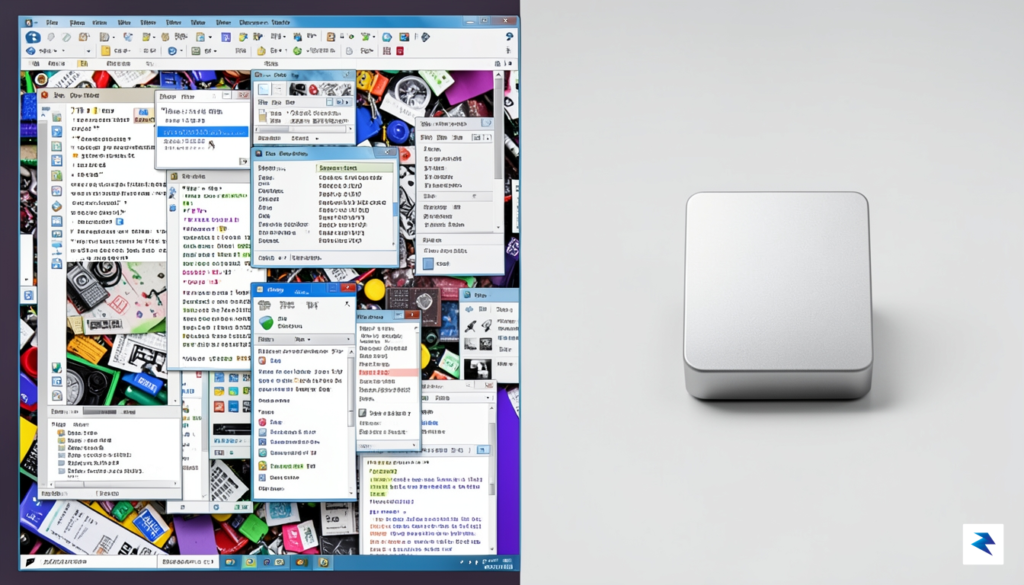
The modern battle for our attention is an asymmetric war. On one side, we have our own waning willpower, depleted by a long day of decisions and professional stress. On the other, we face multi-billion dollar algorithms specifically engineered to exploit our biological reward systems. Relying on sheer self-discipline to stop scrolling at 11:00 PM is akin to trying to hold back a flood with a paper umbrella; eventually, the cognitive load becomes too great, and the impulse to refresh the feed wins out. When the barrier to engagement is as simple as a thumb swipe, our internal resolve is rarely enough to serve as a sufficient deterrent.
This is where the friction principle in behavioral psychology becomes essential. To change a habit, you must either increase the effort required to perform the unwanted behavior or decrease the effort required to perform the desired one. Software-based blockers often fail because they exist within the same digital ecosystem they intend to govern. When a screen-time app notification pops up, it offers a “snooze” button or an “ignore for 15 minutes” option, providing a convenient loophole for our tired brains to exploit. Because the device remains within arm’s reach, the temptation is never truly removed; it is merely hidden behind a thin digital veil that can be bypassed in seconds.
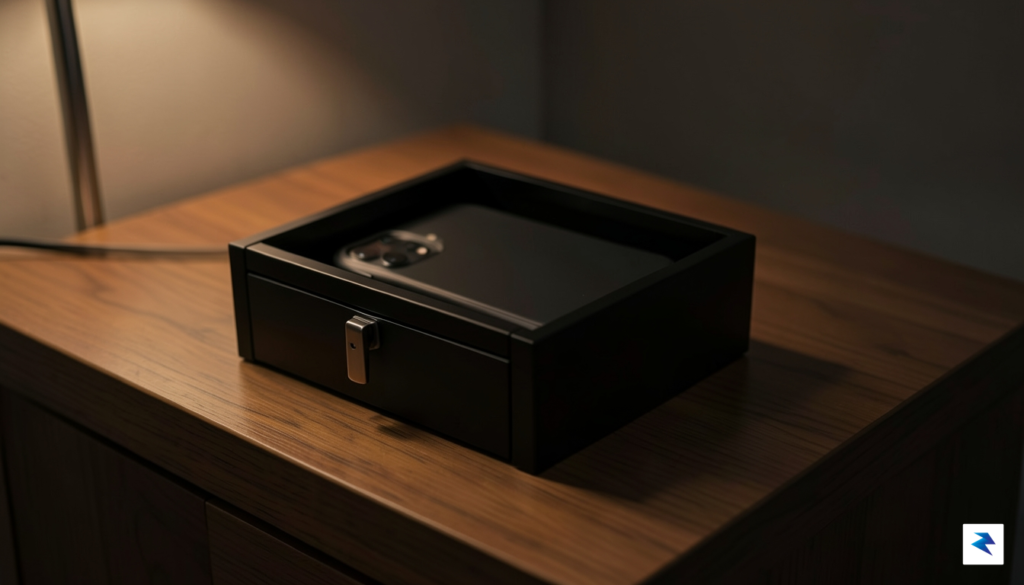
Physical hardware, by contrast, introduces a mandatory break in the digital feedback loop that software simply cannot replicate. By requiring a tactile, physical action to commit to sleep—such as placing a device into a dedicated hardware station—you engage your motor skills in a way that signals the end of the day to your brain. This act of “closing out” serves as a ritualistic boundary. It transitions the user from an active, consuming state to a passive, restorative one. When the device is physically removed from your immediate environment, the psychological “out of sight, out of mind” effect kicks in, reducing the phantom vibration syndrome and the reflexive urge to reach for the screen during a bout of insomnia.
True behavioral change is rarely achieved through digital restriction; it is found in the creation of physical environments that make the unwanted habit impossible to sustain.
Ultimately, hardware wins because it creates a permanent, non-negotiable barrier. While software requires constant maintenance and ongoing choices to uphold, a physical intervention functions autonomously. It does not require you to make a decision when you are at your most vulnerable or exhausted. By offloading the responsibility of discipline from your weary mind to an external, physical object, you reclaim your agency. You are no longer fighting the device; you are simply removing it from the equation, allowing your circadian rhythm to take over without the constant interference of blue light and infinite content streams.
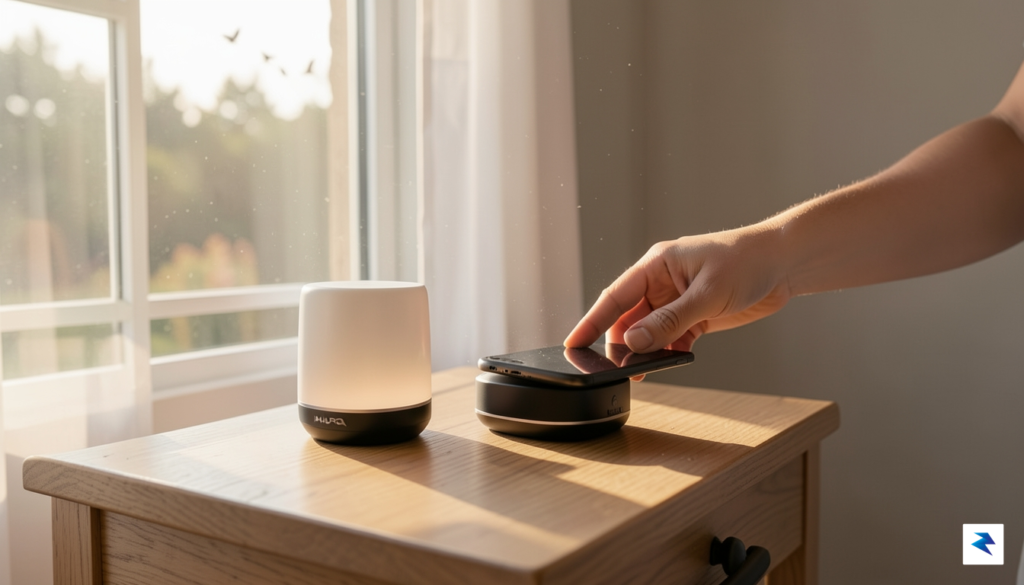
The journey to truly restorative sleep isn’t just about owning the right gadget; it’s about purposefully integrating that technology into a robust, consistent nightly ritual. While the Halo device excels at gently guiding you towards a digital-free wind-down, its true power unfolds when it becomes the anchor for a sequence of habits designed to optimize your sleep hygiene. Think of the Halo not as a standalone solution, but as the central pillar around which you construct a personalized blueprint for reclaiming your evenings from endless scrolling and ushering in profound rest. This means intentionally building a routine that signals to both your mind and body that it

When you stare at a smartphone screen late at night, you are doing far more than simply consuming content; you are actively engaging in a physiological tug-of-war with your circadian rhythm. The blue light emitted by digital devices mimics the wavelength of midday sunlight, signaling to your brain that it is time to remain alert and productive. This artificial stimulus suppresses the production of melatonin, the vital hormone responsible for signaling to your body that it is time to rest. When melatonin levels are stunted, your sleep onset is delayed, and the transition into deeper, restorative cycles is often fragmented. By replacing the glow of a screen with a device designed to enforce disconnection, you effectively remove the primary chemical barrier standing between you and a truly restful night.
Beyond the chemical impact of light, there is the crucial process of cognitive offloading that must occur for high-quality sleep. Throughout the day, our brains are bombarded with information, notifications, and the persistent pressure to process incoming data, which keeps our cortisol levels—the body’s stress hormone—artificially elevated. When we scroll right up until the moment we close our eyes, we deny our minds the “buffer zone” necessary to process these daily inputs and shift into a parasympathetic, or “rest and digest,” state. True cognitive unwinding requires a deliberate cessation of digital input, allowing the brain to move from a state of active alertness to the quiet contemplation required for rapid eye movement (REM) and deep-wave sleep.
Protecting your sleep hygiene is not an act of luxury; it is a fundamental pillar of long-term cognitive health and metabolic regulation.
The long-term consequences of failing to protect this transition period are significant, ranging from weakened immune function to impaired emotional regulation and memory consolidation. When you prioritize a digital-free wind-down, you are effectively allowing your brain to perform its essential maintenance work—clearing out metabolic waste and stabilizing the neural pathways built during your waking hours. By using tools that facilitate this separation, you are reclaiming your natural biological heritage, ensuring that your sleep is deep enough to actually repair your body. Ultimately, the choice to disconnect isn’t just about avoiding a few extra videos; it is about honoring the complex physiological dance that occurs once the lights go out, ensuring you wake up truly refreshed rather than merely powered on.
You must be logged in to post a comment.