Bramble: A Local-First, Open Source Password Manager for Total Privacy
The Case for Local-First Security The traditional model of password management relies heavily on the "cloud vault," a centralized architecture…
The Drug Enforcement Administration (DEA) has initiated a pivotal shift in its drug control strategy by signaling its intent to exercise its emergency scheduling authority over 7-hydroxymitragynine (7-OH). Unlike the agency’s previous, broad-brush attempts to regulate the entire kratom plant, this action specifically isolates 7-OH, a highly potent alkaloid that acts as a powerful opioid receptor agonist. By invoking Section 201(h) of the Controlled Substances Act, the DEA aims to bypass the standard, years-long administrative rulemaking process, instead implementing a temporary scheduling order that can take effect almost immediately. This legal mechanism is reserved for substances the agency deems to pose an “imminent hazard to public safety,” allowing for a two-year ban that can be extended while permanent scheduling proceedings are conducted.
To justify this drastic measure, the DEA must demonstrate that the substance presents a clear and present danger to the American public. In the case of 7-OH, the agency points toward the compound’s significant potency—which far exceeds that of the traditional kratom leaf—and its increasing prevalence in the unregulated market. Because 7-OH is often synthesized or concentrated into products marketed as potent, pill-based alternatives to prescription opioids, federal regulators argue that it creates a high risk of abuse, addiction, and accidental overdose. By targeting this specific chemical component, the DEA is attempting to address the “gas station heroin” phenomenon without necessarily triggering the massive public outcry that derailed their 2016 attempt to classify all kratom as a Schedule I substance.
The pivot toward targeting isolated alkaloids like 7-OH represents a more surgical approach to federal drug enforcement, prioritizing the suppression of high-potency laboratory-derived substances over the traditional botanical products that have long been at the center of the kratom debate.

The strategic shift observed today is fundamentally different from the ill-fated 2016 proposal, which sought to ban the entire Mitragyna speciosa plant species. That earlier attempt failed largely due to a lack of scientific consensus and intense pressure from a vocal community of users who argued that the whole plant offered therapeutic benefits without the extreme risks associated with opioids. By narrowing the scope to 7-OH, the DEA is signaling that they are no longer interested in debating the merits of traditional kratom use; instead, they are focusing their enforcement resources on what they perceive as a novel, dangerous synthetic opioid market. This targeted strategy is designed to be more legally defensible in court, as the agency can focus its evidence on the specific pharmacology of 7-OH rather than the complex, multifaceted profile of the plant itself.
Ultimately, this regulatory action places the burgeoning market for concentrated kratom extracts and isolated alkaloids on shaky ground. For retailers and consumers who have enjoyed a period of relative legal stability since the 2016 reversal, the move to classify 7-OH as a Schedule I substance would effectively terminate the sale of these high-potency products nationwide. As the DEA collects data to support its emergency finding, the outcome will likely hinge on whether they can prove that the compound’s risks are truly distinct from the botanical material, potentially setting a new precedent for how the government regulates bioactive compounds derived from nature.
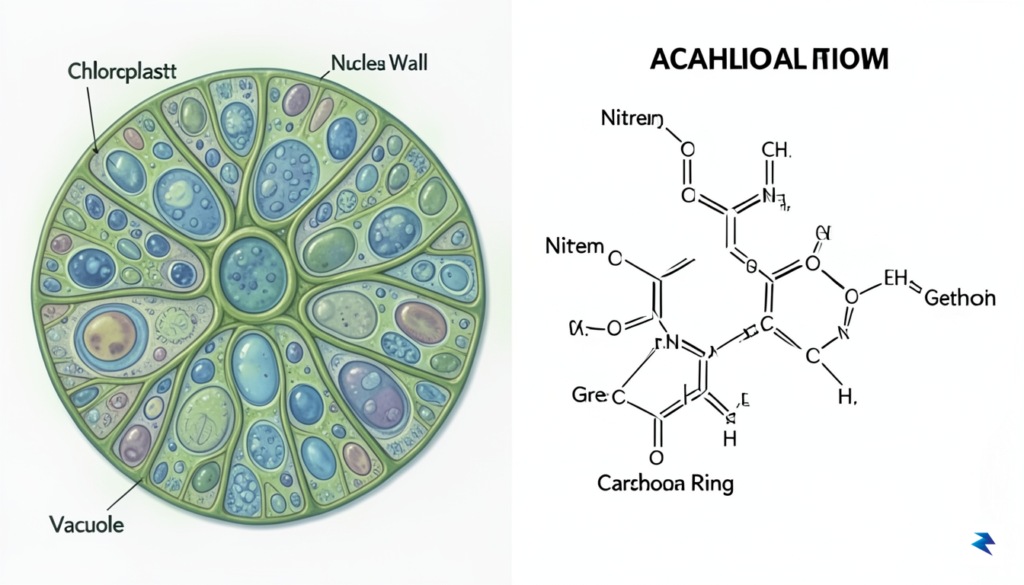
To understand why the Drug Enforcement Administration (DEA) has shifted its focus toward 7-hydroxymitragynine (7-OH), one must first distinguish between the traditional use of the Mitragyna speciosa tree and the modern chemical isolation of its constituents. For centuries, traditional consumers in Southeast Asia chewed raw kratom leaves or brewed them into a mild tea, a method that delivers a complex, holistic profile of dozens of alkaloids. In this natural state, 7-OH exists only in trace amounts, often representing a negligible fraction of the plant’s total alkaloid content. The user experience is consequently tempered by the presence of other compounds that may modulate, or even antagonize, the effects of the primary active ingredients.
In contrast, 7-hydroxymitragynine represents a radical departure from the plant’s botanical integrity. Through sophisticated laboratory extraction and synthesis processes, manufacturers can now isolate this specific alkaloid, concentrating it into tablets, shots, or powders that contain levels far exceeding anything found in nature. Pharmacologically, 7-OH is significantly more potent than mitragynine, which is the primary alkaloid in the plant. Research suggests that 7-OH possesses a much higher binding affinity for mu-opioid receptors, the same biological targets as prescription painkillers and illicit opioids. By stripping away the plant’s natural buffering agents, these high-potency extracts transform a mild herbal supplement into a concentrated substance that acts with the intensity and predictability of a synthetic pharmaceutical.
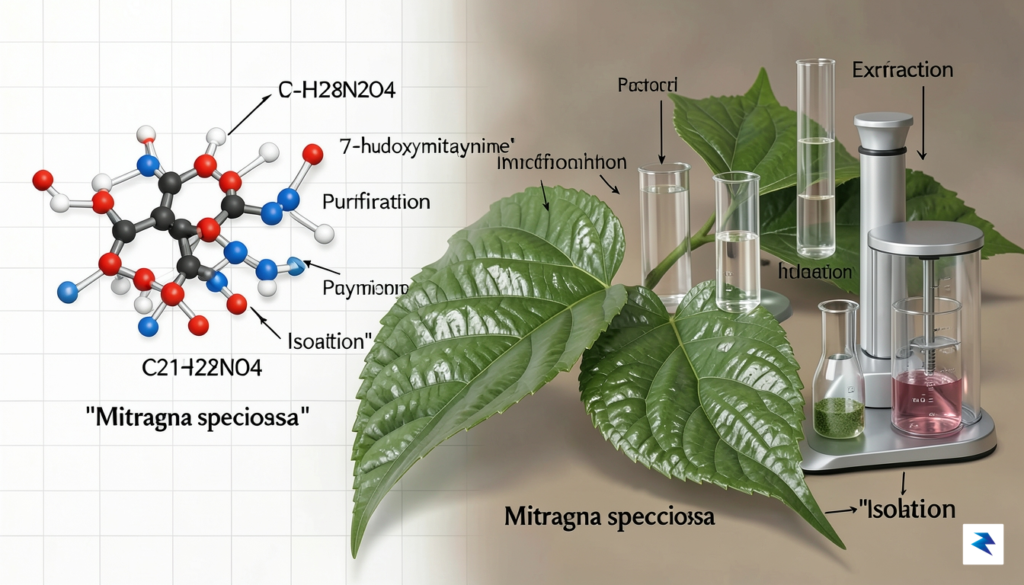
The regulatory concern stems largely from the “potency gap” created by these extraction methods. When an individual consumes raw leaf powder, the body processes the material slowly, which acts as a natural ceiling on the concentration of alkaloids reaching the bloodstream. However, these concentrated 7-OH products bypass that natural regulation, leading to rapid absorption and a more profound impact on the central nervous system. Because these products have flooded the market relatively quickly, there is a glaring absence of long-term clinical data regarding their safety profile. We currently lack robust, peer-reviewed studies on the potential for physical dependency, cardiovascular impact, or long-term neurotoxicity associated with chronic use of high-concentration 7-OH.
The core issue for regulators is not the plant itself, but the transition from a botanical product to an isolated, potent opioid-mimetic that carries significant risks of misuse and overdose.
Ultimately, the distinction between traditional kratom and 7-OH is not merely a matter of semantics; it is a matter of pharmacology and risk management. While proponents of the plant argue that kratom should remain accessible for its potential therapeutic benefits, the rise of concentrated 7-OH has muddied the waters for legislators. By isolating the most potent compound and stripping it of its natural chemical context, the industry has inadvertently invited the kind of federal scrutiny typically reserved for controlled substances. Until comprehensive toxicology reports and clinical trials are conducted, the scientific community remains cautious, viewing these isolated extracts as a completely different category of substance that demands a much higher level of regulatory oversight.

The emergence of 7-hydroxymitragynine (7-OH) in retail environments has sparked an intense national debate, largely centered on the controversial moniker “gas station heroin.” This label, while inflammatory, reflects a growing alarm among health experts and regulators regarding the ubiquity of potent, unregulated psychoactive substances. Unlike traditional herbal kratom, which has been used for centuries, 7-OH is often concentrated into highly refined tablets or shots sold alongside energy drinks and snacks. Because these products are frequently available at convenience stores and smoke shops without rigorous age verification or standardized safety labeling, they have created a massive, opaque blind spot in the American public health landscape.
The primary concern for clinicians lies in the chemical profile of 7-OH, which demonstrates a significantly higher binding affinity for opioid receptors than the parent alkaloid mitragynine. As these products gain popularity, reports of dependency and severe withdrawal symptoms have begun to surface, mirroring the clinical experiences associated with traditional opioid misuse. Consumers often purchase these items under the assumption that they are “natural supplements,” yet they lack any guidance regarding the biological risks of frequent ingestion. At the point of sale, there is rarely a pharmacist or trained professional to explain the potential for addiction, leaving the average consumer to navigate the compound’s potent effects entirely on their own.
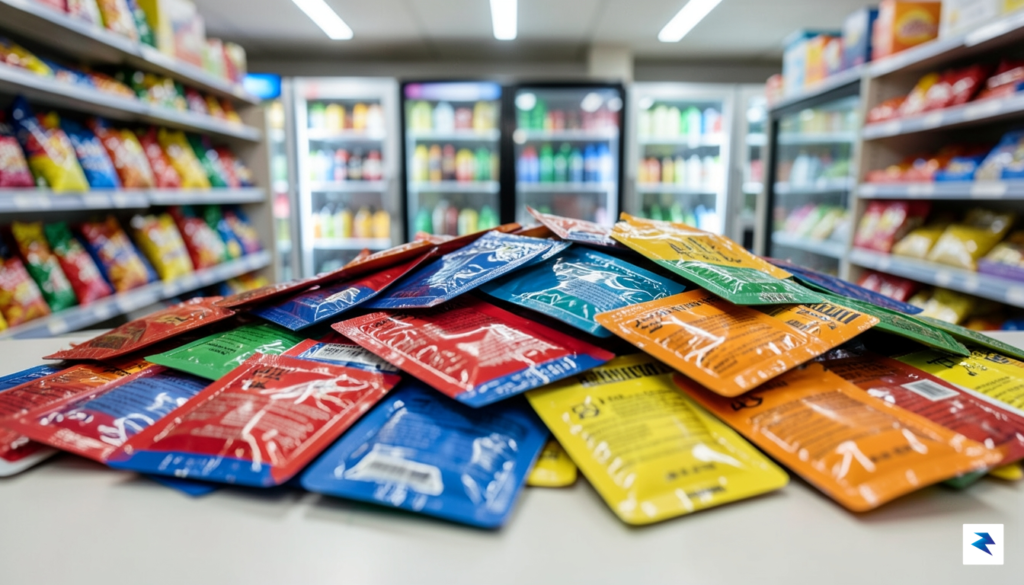
The transition of 7-OH from a niche botanical isolate to a mass-marketed retail product highlights the dangerous lag between the rapid evolution of the supplement industry and the slow pace of federal oversight.
Critics of the current market structure argue that the “gas station” distribution model inherently promotes irresponsible usage. When potent, opioid-like compounds are positioned as impulse buys, it strips away the necessary layer of medical gatekeeping required for substances that alter brain chemistry. Health advocates emphasize that the lack of standardized dosing makes it nearly impossible for users to track their intake, leading to an increased risk of accidental overconsumption. Furthermore, the absence of clean manufacturing standards means that consumers may be exposed to contaminants, variable potency levels, or adulterants, compounding the physical risks. Consequently, the push for a federal ban or stricter regulatory classification is not merely a bureaucratic maneuver, but a reactive measure intended to curb a burgeoning public health crisis before the cycle of dependency reaches a wider demographic.
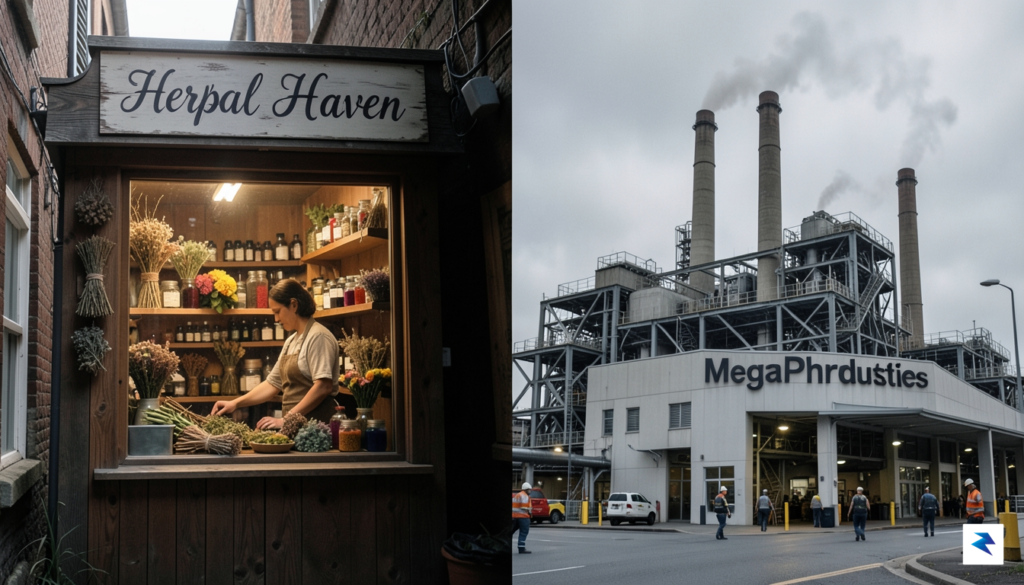
The proposed federal crackdown on 7-hydroxymitragynine (7-OH) has fractured the kratom industry, exposing a widening chasm between purists and innovators. For years, the American Kratom Association (AKA) and traditionalist advocates have championed raw-leaf kratom as a botanical supplement, distancing it from synthetic-like enhancements. These proponents argue that the rise of concentrated 7-OH products—often marketed as “gas station heroin”—threatens the legitimacy of the entire plant, providing critics and regulators with ammunition to justify a blanket ban. By distancing themselves from these highly potent extracts, traditionalists hope to safeguard the accessibility of natural kratom for long-term users who rely on it for wellness.
Conversely, companies that have heavily invested in the development and distribution of these specialized extracts are facing an existential crisis. For these businesses, 7-OH represents the frontier of botanical science, offering precise dosing and enhanced efficacy that many consumers now prefer over raw leaf. The looming threat of a federal ban places these legitimate enterprises in a precarious position; they must navigate a shifting legal landscape while balancing significant capital investments against the reality of potential prohibition. Many industry stakeholders fear that if these products are removed, the vacuum will not be filled by a return to traditional leaf, but rather by an influx of black-market, unregulated, and potentially adulterated substances that lack any semblance of quality control.
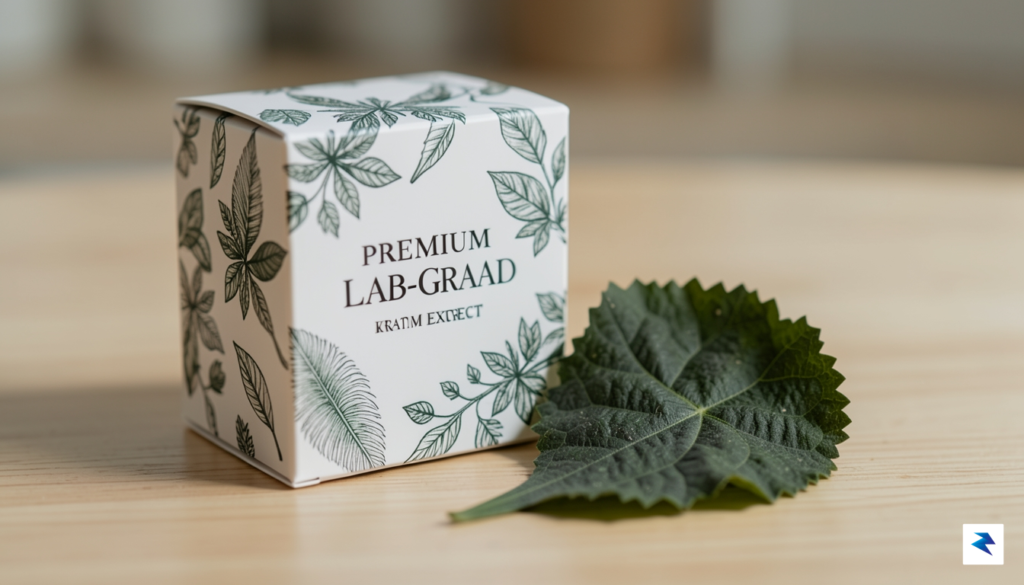
The industry-wide struggle lies in whether self-regulation—such as strict purity standards and transparent lab testing—can satisfy federal authorities, or if the government is intent on sweeping the entire category under the rug of the Controlled Substances Act.
The consequences of a federal ban extend far beyond the balance sheets of extract manufacturers. Public health advocates express concern that a prohibition could inadvertently push vulnerable consumers toward more dangerous, illicit markets or even back into the orbit of pharmaceutical opioids. When regulated, tested products are stripped from the shelves, the incentive for consumers to seek out unregulated, “under-the-counter” alternatives increases exponentially. Furthermore, the loss of these products may disrupt the recovery journeys of individuals who turned to high-potency kratom extracts as a harm-reduction strategy to manage withdrawal symptoms or chronic pain. As the DEA weighs its next move, the kratom community remains caught in a high-stakes dilemma: sacrifice the most potent segments of the market to ensure the survival of the whole, or risk losing the entire industry to a sweeping, possibly irreversible, federal prohibition.

The potential federal scheduling of 7-hydroxymitragynine (7-OH) marks a critical inflection point in how the United States government approaches the intersection of botanical supplements and potent, lab-isolated compounds. As the FDA continues to scrutinize substances that mimic pharmaceutical effects, the agency faces a growing challenge: balancing the preservation of traditional botanical use against the rapid commercialization of concentrated alkaloids. If the DEA proceeds with a formal ban, it may set a restrictive precedent for how all novel natural extracts are categorized, potentially shifting the burden of proof onto manufacturers to demonstrate safety before these compounds ever reach the market. This regulatory tightening suggests that the era of “gray market” supplements may be drawing to a close, replaced by a more rigid framework that treats isolated natural extracts with the same skepticism as synthetic drugs.

However, total prohibition is not the only path forward, and many industry advocates argue that a more nuanced approach—modeled after the Kratom Consumer Protection Act (KCPA)—could offer a superior alternative. Already adopted in various forms by several states, the KCPA framework prioritizes rigorous testing, mandatory labeling, and age restrictions rather than outright bans. By adopting this as a national template, lawmakers could theoretically ensure that consumers have access to verified, contaminant-free products while simultaneously curbing the sale of adulterated or dangerously concentrated extracts.
“The challenge for regulators is to distinguish between legitimate, safe botanical products and the high-potency synthetic or isolated compounds that bypass existing safety guardrails.”
Transitioning toward a national standard based on transparency would require a significant shift in the FDA’s current posture, which has historically favored warning letters and import alerts over the establishment of a formal, regulated market. If the government chooses to bypass this middle ground in favor of an emergency scheduling action, it risks driving the market underground, where unregulated and potentially dangerous additives flourish without oversight. Ultimately, a balanced policy must prioritize consumer safety through education and accountability. By fostering an environment where quality control is paramount, lawmakers can protect public health without inadvertently criminalizing botanical traditions that millions of Americans utilize for their daily wellness routines. Moving forward, the legislative focus must remain on creating a clear, evidence-based pathway that allows for innovation while preventing the exploitation of the supplement market by bad actors.
You must be logged in to post a comment.