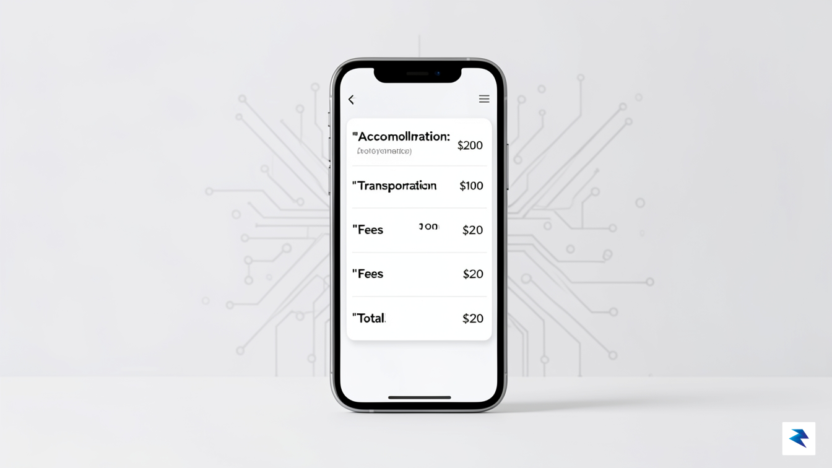
The Anatomy of the Hopper FTC Settlement

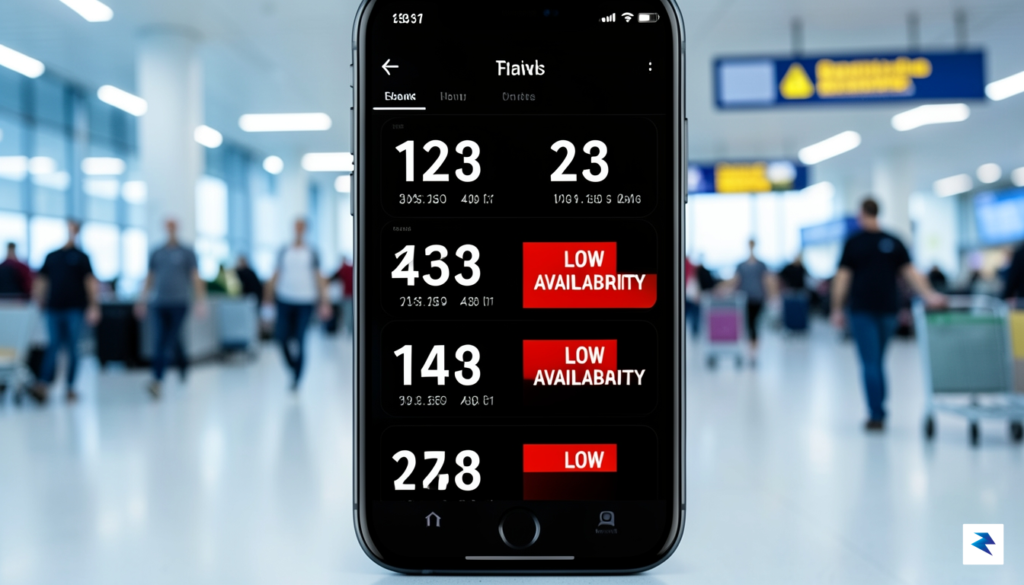
The travel industry is currently navigating a significant regulatory reckoning as the Federal Trade Commission (FTC) intensifies its focus on manipulative digital design patterns, commonly referred to as “dark patterns.” At the center of this scrutiny is Hopper, a high-growth travel technology platform that has become a staple for budget-conscious travelers. The FTC’s recent legal action against the company centers on allegations that Hopper utilized deceptive user interfaces to push consumers into purchasing non-refundable travel protection plans. These practices allegedly included the use of misleading countdown timers and false claims regarding the scarcity of travel deals, which pressured users into making hasty financial decisions under the illusion of urgency.
The scale of this settlement is substantial, reflecting both the severity of the alleged deception and the massive user base impacted by these features. Hopper has agreed to pay a total of $35 million to resolve these claims, a penalty structure designed primarily to provide refunds to the millions of consumers who were misled by the app’s “Price Freeze” and “Cancel for Any Reason” offerings. Beyond the monetary penalty, the settlement serves as a stern warning to the broader travel-tech sector. The investigation, which spanned several months of rigorous oversight, uncovered that many of the features marketed as “exclusive” or “time-sensitive” were, in fact, pervasive and non-negotiable aspects of the app’s architecture rather than genuine market conditions.
The FTC’s enforcement action emphasizes a growing intolerance for digital interfaces that prioritize conversion metrics over transparent consumer information.
Looking toward the future, the settlement mandates significant operational changes for Hopper. The company is now legally required to overhaul its user interface to ensure that any claims regarding price, availability, or refund eligibility are grounded in verifiable data rather than psychological manipulation. This means the end of artificial countdown clocks that reset upon refreshing the page and a more transparent disclosure process regarding the actual value and limitations of their add-on services. By forcing these structural adjustments, the FTC is attempting to restore a baseline of consumer trust in the travel booking ecosystem, ensuring that users can make informed choices without being coerced by manufactured anxiety.
Ultimately, this $35 million resolution is more than just a financial hit for the company; it represents a fundamental shift in how digital travel platforms must interact with their users. As the company moves forward under these new compliance requirements, the burden of proof will now rest on them to demonstrate that their features are built for utility rather than deception. For the average traveler, this means that the next time they open the app, the experience should be stripped of the high-pressure sales tactics that have defined the platform’s past, signaling a new era of digital accountability in the travel market.
Understanding Dark Patterns in Travel Booking

In the world of user interface design, the term “dark patterns” refers to deceptive user interface techniques specifically crafted to manipulate users into taking actions they might not have otherwise chosen. Far from being simple instances of poor design, these are calculated psychological maneuvers designed to exploit the way our brains process information. When you are navigating a travel app, these tactics often function by bypassing your rational decision-making process, nudging you toward add-ons or premium services through a mixture of fear, urgency, and confusion.
The Federal Trade Commission’s recent action against Hopper highlights how these subtle interface cues can cross the line from persuasive marketing into deceptive practice. For example, Hopper was accused of employing artificial scarcity through countdown timers that suggested a “sale” or a “deal” was about to expire, even when those conditions were not based on actual inventory constraints. By creating a false sense of urgency, the app essentially forces the user to skip the necessary step of comparing prices or reviewing the fine print, leading them to commit to a purchase under the duress of a ticking clock.
Another common tactic identified in the investigation involves the use of pre-selected add-ons or misleading “protection” plans. These patterns exploit cognitive biases, such as the status quo bias—the natural human tendency to stick with the default option because it requires the least amount of cognitive effort. When an app automatically ticks a box for a pricey refund policy or a flexible booking fee, the user often overlooks the extra cost, assuming the pre-selected option is standard or necessary. This approach relies on the user’s lack of attention rather than the inherent value of the service being offered.
Dark patterns transform the user interface from a helpful tool into a mechanism for extraction, turning the high-stakes, time-sensitive nature of travel planning against the consumer.
Ultimately, these design choices are aimed at increasing conversion rates by creating friction for those who want to opt out while smoothing the path for those who are being nudged. By presenting options in a way that prioritizes the company’s revenue over the user’s clarity, these apps capitalize on the fact that travel booking is inherently stressful. When users are already overwhelmed by flight times, hotel locations, and budget constraints, they are significantly more susceptible to these manipulative UI elements, which is precisely why regulatory bodies are beginning to clamp down on such practices to ensure a more transparent digital marketplace.
The True Cost of Hidden Fees in Digital Travel

Hidden fees have long been a source of profound frustration for travelers, a perennial thorn in the side of what should be an exciting planning process. In the digital age, however, this grievance takes on a new, more insidious dimension when travel applications obscure these costs until the very last click. Often, these undisclosed charges manifest as “service fees,” “platform fees,” or “taxes and charges” that materialize only on the final checkout page, long after a traveler has invested considerable time and effort comparing options and building an itinerary. This strategic placement at the end of the booking funnel leverages the psychological principle of sunk cost, making consumers far more likely to grudgingly accept the extra expense rather than abandoning their carefully selected plans and starting the search anew.
The economic ramifications for the average traveler are significant and often underestimated. What might appear as a small, unavoidable fee of a few dollars can quickly accumulate, particularly across multiple bookings or for longer trips involving several components like flights, hotels, and car rentals. Travelers budget meticulously for their journeys, relying on the advertised prices to make informed decisions. When these hidden charges inflate the final price by 10%, 15%, or even more, it throws carefully planned finances into disarray, leading to unexpected out-of-pocket expenses that could have been allocated to experiences or necessities during the trip itself. Beyond the direct financial hit, this practice erodes consumer trust, leaving travelers feeling duped and exploited, undermining the very foundation of fair digital commerce.
Psychologically, the impact extends beyond mere financial inconvenience. Discovering substantial hidden fees at the point of purchase can trigger feelings of anger, frustration, and helplessness. It transforms the excitement of booking a trip into a stressful negotiation, where the consumer feels powerless against an opaque system. This erosion of trust isn’t limited to a single transaction; it can taint a traveler’s perception of an entire platform or even the broader digital travel industry. When apps fail to uphold transparency, they chip away at the confidence consumers place in online services, creating a climate where skepticism rather than convenience dictates purchasing decisions. This is more than just an annoyance; it’s a breach of the implicit contract between a service provider and its user.
The practice of incrementally revealing the total price, often referred to as “drip pricing,” is not entirely new to the consumer landscape. Industries like hospitality, airlines, and event ticketing have historically employed similar tactics. Think of resort fees added to hotel bills, baggage fees on what seemed like an all-inclusive flight price, or the notorious “convenience fees” tacked onto concert tickets. However, digital travel platforms have perfected this model, integrating it seamlessly into user interfaces that prioritize speed and apparent simplicity over full disclosure. The digital environment makes it incredibly easy to obscure these details until the critical moment, leveraging sophisticated design and behavioral economics to nudge users towards completion despite the added costs. This digital manifestation makes drip pricing particularly pervasive and challenging for consumers to navigate proactively.
“True transparency means presenting the full, all-inclusive price upfront, allowing consumers to make genuine apples-to-apples comparisons and build trust with the platforms they use to plan their travels.”
Ultimately, when apps obscure significant costs, it doesn’t just impact individual wallets; it undermines the integrity of the entire digital travel marketplace. If left unchecked, such practices can become an industry standard, forcing even ethical competitors to adopt similar tactics to remain competitive, leading to a race to the bottom in terms of consumer transparency. Regulatory intervention and robust consumer advocacy are crucial to ensure that digital platforms adhere to principles of fairness and clarity. For the digital travel ecosystem to truly flourish, it must prioritize clear, upfront pricing, allowing travelers to make confident and informed decisions without the anxiety of discovering hidden surcharges at the eleventh hour. Only then can the convenience of digital booking truly align with the promise of a stress-free travel experience.
How to Protect Yourself When Booking Online
As digital platforms become increasingly sophisticated in their sales tactics, the burden of vigilance often falls squarely on the consumer. Ensuring you are getting the deal you actually signed up for requires a keen eye and a strategic approach. Navigating the myriad of online booking sites, from flights and hotels to rental cars and experiences, demands a proactive stance to avoid common pitfalls like hidden fees and deceptive pricing.
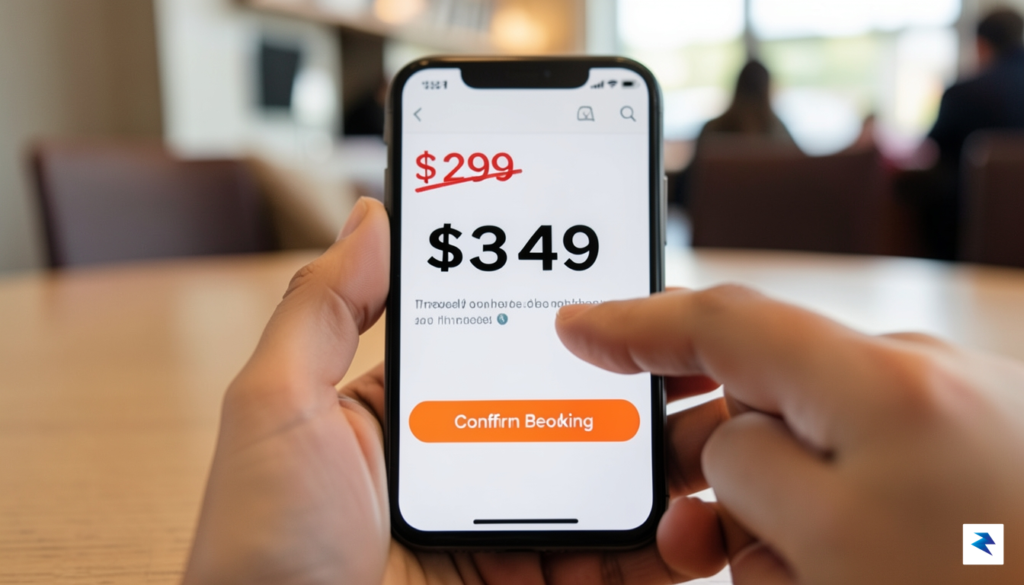
One of the most crucial steps you can take is to meticulously verify the final checkout price before committing to any payment. Many booking platforms employ a drip pricing strategy, where the initial advertised price gradually accumulates additional charges as you move through the booking process. To counteract this, always proceed through the entire booking flow, adding all desired services and options, right up to the payment confirmation page – but stop *before* entering your payment details. At this final stage, the platform is legally obligated to display the complete, all-inclusive price. Scrutinize this breakdown for any unexpected “service fees,” “convenience charges,” “resort fees,” or mandatory “taxes and surcharges” that were not clearly itemized or transparently included in the initial quote.
Furthermore, be inherently wary of “limited time” offers and countdown timers that attempt to create a false sense of urgency. These psychological tactics are designed to rush you into a decision before you have the chance to fully evaluate the offer or compare it with alternatives. While genuine flash sales do exist, many online booking sites strategically deploy these timers to pressure consumers, often resetting them or reapplying the “sale” price later. Instead of succumbing to the immediate pressure, take a deep breath, perhaps even close the tab and reopen it later to see if the “deal” is still available. This simple act can help you distinguish between a genuine bargain and a manipulative sales ploy, allowing you to make a more informed and less impulsive decision.
Key Takeaway: Never finalize a booking without thoroughly reviewing the full, itemized cost on the payment page. The advertised price is rarely the final price.
Leveraging price comparison tools can also be an invaluable asset in your booking arsenal. Websites like Google Flights, Kayak, Skyscanner, and Expedia are designed to aggregate prices from various airlines, hotels, and booking agencies, providing a broader view of the market. However, it’s essential to use these tools as a starting point rather than a definitive source. Always cross-reference the prices you find on comparison sites by checking directly on the official websites of the airline, hotel, or car rental company. Sometimes, direct bookings offer exclusive discounts, loyalty program benefits, or even better cancellation policies that aren’t available through third-party aggregators, ensuring you secure the best possible deal with full transparency.

Finally, always, *always* read the fine print, especially regarding non-refundable service fees and cancellation policies, before you click that final “confirm” button. Many platforms include non-refundable service charges that apply even if the underlying booking (like a flight or hotel stay) is cancellable or refundable. This means you could get your money back for the main booking but still lose a significant portion to these fees. Pay close attention to sections detailing “terms and conditions,” “cancellation policy,” and “fee breakdown.” Understanding these details upfront can prevent significant financial disappointment later, particularly if unforeseen circumstances force you to alter or cancel your travel plans. Being an informed consumer is your best defense against unexpected costs and ensures a smoother, more transparent booking experience.
The Future of Transparency in Travel Tech
The recent enforcement action against Hopper signals a definitive shift in how regulatory bodies view the intersection of user interface design and consumer protection. For years, the travel-tech industry has relied on “dark patterns”—subtle design choices that nudge users toward purchases or hide the true cost of a booking until the final checkout screen. By imposing a $35 million settlement, the Federal Trade Commission has made it clear that these manipulative tactics are no longer acceptable. This regulatory spotlight is forcing a long-overdue reckoning, compelling travel apps to move away from obfuscation and toward a model of radical transparency that prioritizes the user’s right to informed decision-making.
As we look toward the future, it is highly probable that we will see a widespread overhaul of app architectures across the entire travel sector. Developers can no longer afford to bury “junk fees” or misleading refund policies in the fine print of a complex user journey. Instead, we can expect to see more upfront pricing models, clearer disclosures regarding service charges, and a more ethical approach to gamification. Companies that fail to adapt their design philosophy to these new standards will likely face increasing legal scrutiny and significant financial penalties, making transparency not just a moral choice, but a necessary strategy for long-term business survival.
Ultimately, this transition toward honesty in pricing could serve as a powerful competitive advantage for brands that embrace it early. In an era where consumer trust is becoming increasingly fragile, travelers are more likely to remain loyal to platforms that demonstrate integrity rather than those that attempt to squeeze extra margins through hidden costs. When an app provides a clear, accurate, and predictable booking experience, it fosters a sense of reliability that turns one-time users into lifelong customers. The long-term benefits of this shift are clear: as the industry sheds its reputation for hidden fees, the entire travel-tech ecosystem will likely become more efficient, trustworthy, and user-centric.
True innovation in travel technology shouldn’t just be about how fast a user can book a flight; it should be about how confident they feel in the price they are paying.
Moving forward, the success of travel apps will likely be measured by their commitment to “truth in advertising” at every step of the funnel. While it may take time for the industry to fully shed the habits of the past, the message from regulators is loud and clear: the era of hidden fees is coming to an end. Travelers who have long felt frustrated by sudden price hikes at checkout may finally see a more straightforward, honest future where the price they see at the beginning is the price they pay at the end. This evolution represents a significant victory for the average consumer, promising a future where booking a vacation is as stress-free as the trip itself.