7 Essential Google Account Settings to Secure Your Privacy Today
Introduction: Taking Control of Your Digital Footprint For most of us, our Google account is the silent engine powering our digital existence.…

The latest quarterly report from Tesla has provided a much-needed shot of adrenaline for investors and enthusiasts alike, signaling a robust departure from the operational stagnation that defined much of the previous year. By delivering 451,758 vehicles in Q2 2026, the company has demonstrated a sharp 25 percent increase in sales, effectively silencing critics who had begun to question the manufacturer’s ability to maintain its high-growth trajectory. This rebound is not merely a statistical anomaly; it represents a significant stabilization of the supply chain and a refinement in assembly line throughput that was largely absent during the preceding, more turbulent quarters.
When comparing these figures to the lackluster performance seen throughout the prior fiscal periods, the shift is palpable. The jump in production capacity indicates that Tesla has successfully navigated the logistical bottlenecks that previously hindered its ability to meet global demand. By optimizing its manufacturing footprint and streamlining internal operational processes, the company has managed to move past the temporary inefficiencies that caused the production dip last year. This operational recovery serves as a compelling case study for the broader automotive industry, proving that even in a cooling market, targeted refinements in production methodology can yield substantial results.
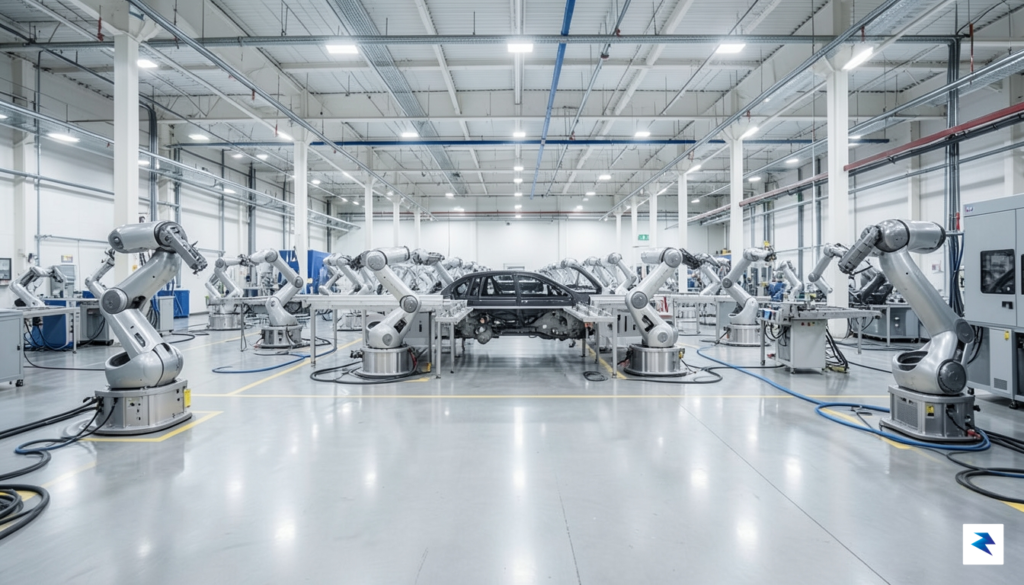
Beyond the raw data, this surge carries profound implications for the global transition toward sustainable transportation. As legacy automakers continue to struggle with the complexities of scaling their own electrification programs, Tesla’s ability to rapidly recalibrate its production volume underscores its persistent dominance in the space. The success of this quarter demonstrates that the company remains uniquely agile, capable of scaling its output to meet fluctuating market conditions without sacrificing the quality or technology that define its fleet.
The 25 percent increase in quarterly sales confirms that Tesla’s pivot toward refined manufacturing efficiency is not just theoretical—it is yielding tangible growth in an increasingly competitive electric vehicle landscape.
Ultimately, these results suggest that the “production plateau” of 2025 was a temporary hurdle rather than a long-term structural decline. By prioritizing internal operational health and leveraging data-driven manufacturing adjustments, Tesla has reclaimed its momentum. For the remainder of 2026, the challenge will be to sustain this improved cadence while navigating the evolving regulatory and competitive landscape that continues to shape the future of the automotive sector.
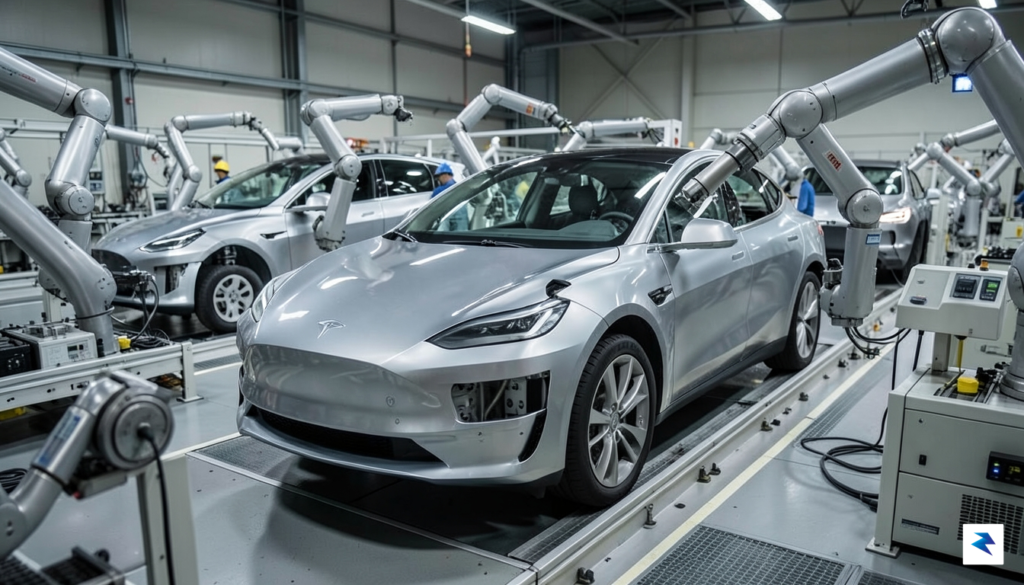
While Tesla’s broader ecosystem encompasses luxury sedans and niche performance vehicles, the sheer volume of the company’s recent growth is anchored almost entirely by its high-volume platforms. During the second quarter, Tesla produced 442,936 units of the Model 3 and Model Y, a figure that dwarfs the output of its premium offerings. This massive production split confirms that Tesla is not merely testing the waters of mass-market appeal; it is operating as a high-efficiency manufacturing powerhouse dedicated to the vehicles that the average consumer is most likely to purchase. By prioritizing these models, the company has effectively insulated its quarterly performance from the volatility that often impacts luxury-only automotive manufacturers.
The endurance of the Model 3 and Model Y as the backbone of Tesla’s catalog is no accident, as these vehicles represent the sweet spot for widespread electric vehicle adoption. They offer a compelling balance of range, software-integrated technology, and price points that are increasingly competitive with traditional internal combustion engine vehicles. As charging infrastructure continues to expand globally, the accessibility of these two models serves as the primary gateway for households making the transition from gasoline to electricity. Because these cars address the needs of the daily commuter rather than the luxury enthusiast, they provide a stable, recurring demand that serves as the bedrock of Tesla’s financial health.
The consistency in producing nearly 443,000 core units proves that Tesla has moved beyond the “production hell” of its early years into a phase of mature, repeatable manufacturing excellence.
Furthermore, this high output signals a significant milestone in manufacturing maturity and supply chain stability. To sustain a 25 percent jump in sales, Tesla had to master the intricate logistics of global parts procurement and streamlined assembly-line rhythms for its most popular lines. By focusing its resources on the Model 3 and Model Y, the company has achieved a level of economies of scale that few other automakers have successfully replicated. This refined approach to production allows Tesla to navigate potential supply chain bottlenecks with greater agility, ensuring that their most sought-after vehicles remain readily available for a growing global market. Ultimately, the data suggests that Tesla’s strategy for long-term dominance is built on the foundation of high-volume, standardized manufacturing that prioritizes the consumer’s most practical needs.

The landscape for electric vehicles in 2025 was defined by a perfect storm of economic and structural hurdles that left even the most optimistic industry analysts questioning the pace of the transition. Throughout that year, the sector grappled with persistent high interest rates, which significantly hampered consumer purchasing power and cooled demand for high-ticket items like premium EVs. Simultaneously, the market began to show signs of saturation, as the “early adopter” phase gave way to a more skeptical mainstream audience wary of charging infrastructure gaps and price volatility. These macroeconomic headwinds were further compounded by a surge in aggressive competition from legacy automakers and nimble EV startups alike, all of which placed immense downward pressure on Tesla’s margins and market dominance.
Looking back at that period of stagnation, it is clear that the manufacturer was caught in a transitional phase, forced to balance massive capital expenditures with a softening consumer appetite. However, the data from the second quarter of 2026 serves as a definitive turning point, signaling that the company has effectively navigated the worst of those pressures. By refining its operational strategy, Tesla has managed to decouple its growth trajectory from the broader market malaise that plagued the previous twelve months. This recovery is not merely a result of improved economic conditions, but rather a direct byproduct of calculated internal pivots that have repositioned the brand to thrive in a more crowded, price-sensitive environment.
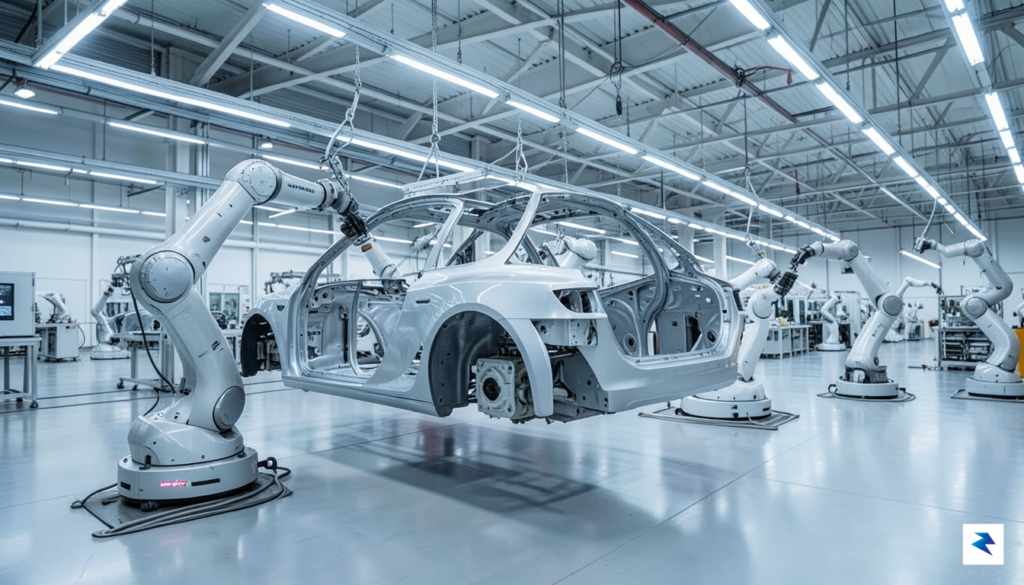
To reclaim its momentum, the company executed a multi-pronged approach that prioritized both affordability and technological differentiation. First, strategic price adjustments allowed the automaker to align its offerings with the tightening budgets of 2026 consumers, effectively lowering the barrier to entry without sacrificing the brand’s premium allure. Beyond simple discounting, the company leveraged deep-seated manufacturing improvements, streamlining production lines to reduce waste and increase throughput capacity. These operational efficiencies have proven vital, as they provided the necessary cushion to maintain profitability even as the company fought to regain market share from competitors who had gained ground during the 2025 slump.
The combination of streamlined manufacturing and aggressive software integration has proven to be the winning formula for reclaiming market leadership in a post-slump economy.
Furthermore, the aggressive rollout of advanced software updates has kept the existing fleet feeling fresh and relevant, effectively turning the user experience into a primary retention tool. By prioritizing over-the-air improvements, the company has ensured that its vehicles remain at the cutting edge of safety and performance, even as new entrants attempt to compete on hardware alone. This focus on the “software-defined vehicle” has created a unique value proposition that legacy competitors, who are still struggling to integrate complex digital ecosystems, have found difficult to replicate. As a result, the brand has successfully converted past skepticism into renewed buyer confidence, setting a robust foundation for the remainder of the year.

Tesla’s impressive 25 percent surge in second-quarter sales serves as a definitive bellwether for the broader electric vehicle industry, signaling that consumer demand remains resilient despite cooling economic forecasts. This uptick is not merely a corporate victory; it represents a fundamental shift in market dynamics that forces legacy automotive giants to reconsider their current electrification strategies. As Tesla accelerates its output, the competitive landscape is tightening, leaving less room for error for traditional OEMs that have struggled to balance their transition from internal combustion engines to high-volume battery-electric platforms. Consequently, these established manufacturers are now under immense pressure to optimize their production efficiencies and resolve lingering supply chain bottlenecks to avoid losing significant ground in the coming fiscal years.

The primary takeaway from this production milestone is the widening gap in manufacturing prowess. While legacy automakers grapple with the complexities of retrofitting existing assembly lines, Tesla’s ability to scale output so rapidly underscores the inherent advantages of a vertically integrated, software-defined production model. This efficiency gap is becoming the primary battleground of the EV era; companies that cannot match Tesla’s cost-per-unit metrics will likely face shrinking margins as the industry pushes toward mass-market pricing. Investors and industry analysts should monitor how traditional manufacturers respond to this threat, particularly regarding whether they choose to accelerate their own capital expenditure plans or seek strategic partnerships to share the exorbitant costs of battery and drivetrain development.
The true measure of this surge lies in its ability to dictate the pace of the global energy transition, setting a high bar for operational efficiency that every other automotive firm must now strive to reach.
Looking toward the second half of 2026, the industry should keep a close watch on two critical variables: the deployment of updated vehicle architectures and the continued expansion of charging infrastructure. As Tesla leverages its increased cash flow to refine its product lineup, the market will likely see a surge in competitive feature sets from rival firms desperate to reclaim lost share. For consumers, this environment is largely beneficial, as the renewed intensity in the EV sector typically drives innovation and lowers entry prices. However, the true test for the remainder of the year will be whether Tesla can maintain this momentum while simultaneously scaling its infrastructure to support a significantly larger fleet of vehicles on the road.
You must be logged in to post a comment.