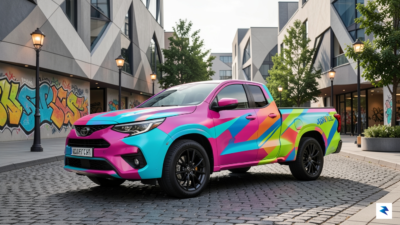
Slate’s $25,000 Electric Truck Gets a Colorful Crayola Makeover
The Evolution of the Affordable EV Market For over a decade, the electric vehicle revolution has felt like an exclusive club, accessible only…
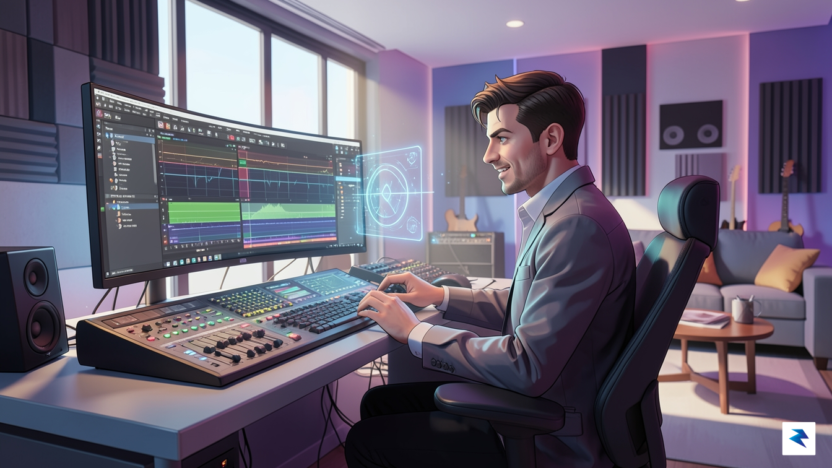
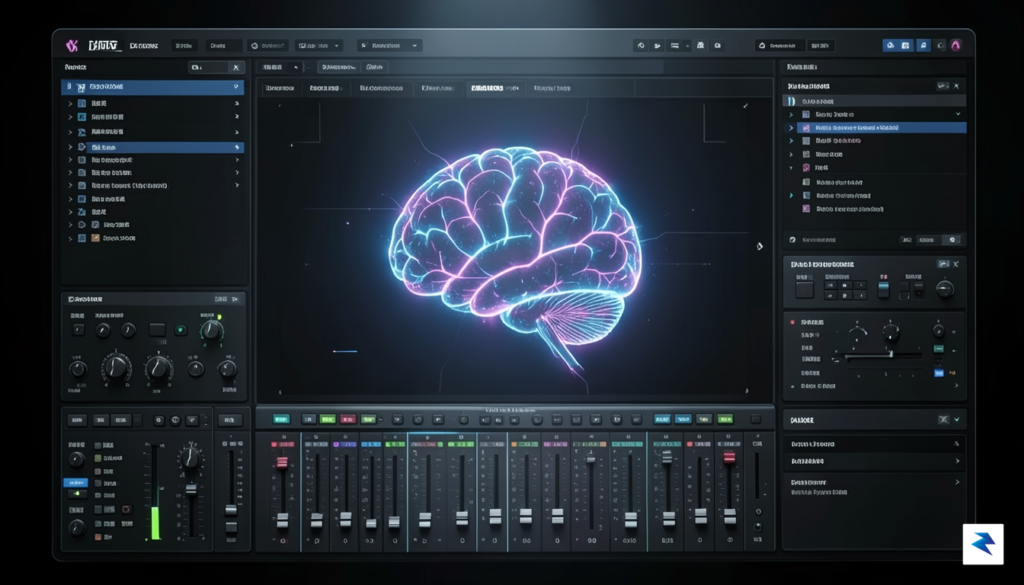
When Gopher first made its debut in 2025, it was greeted with a mixture of curiosity and skepticism by the production community. Initially conceived as a text-based documentation helper, the interface functioned primarily as a glorified, searchable manual that lived within the workspace. While it successfully reduced the friction of toggling between the DAW and external browser tabs to find plugin specifications or keyboard shortcuts, it was essentially a static repository of information. Producers often found themselves limited by its reactive nature; it could tell you how to do something, but it lacked the agency to perform the task itself, often leaving users to bridge the gap between reading instructions and executing complex sound design techniques.
The transition in FL Studio 2026 marks a paradigm shift in how we conceive of software assistance, moving from a passive reference guide to a proactive engineering partner. Under the hood, the architectural overhaul replaces the old static data-retrieval model with a sophisticated, context-aware engine that understands the state of your project in real-time. Instead of merely answering questions, Gopher now monitors your workflow, identifying bottlenecks such as CPU spikes or inefficient routing paths before you even encounter a performance issue. By integrating deep-level access to the DAW’s internal API, the assistant can now execute commands that previously required dozens of manual mouse clicks.
The true power of this evolution lies in the transition from asking “How do I?” to simply stating “Make this happen.”
This newfound capability to interact directly with plugin parameters and signal routing is what truly separates the 2026 iteration from its predecessor. For instance, if you are struggling with a cluttered mixer, you can now instruct the assistant to organize your tracks, group your busses, and apply basic gain staging based on your current gain levels. Gopher can manipulate third-party plugin parameters, adjust EQ curves, and even suggest side-chain compression settings by analyzing the rhythmic density of your kick and bass layers. This shift effectively democratizes advanced production techniques, allowing users to spend less time on the tedious “plumbing” of a mix and significantly more time on the creative decisions that define their unique sound.
Ultimately, this evolution reflects a broader movement toward collaborative computing, where the software acts as an extension of the producer’s intent rather than a cold barrier of technical menus. By automating the mechanical aspects of arrangement and mixing, Gopher enables a fluid, uninterrupted creative flow. As the assistant continues to learn from your specific habits and genre preferences, the relationship between the producer and the software becomes increasingly symbiotic, turning the once-static manual into an indispensable member of your production team.
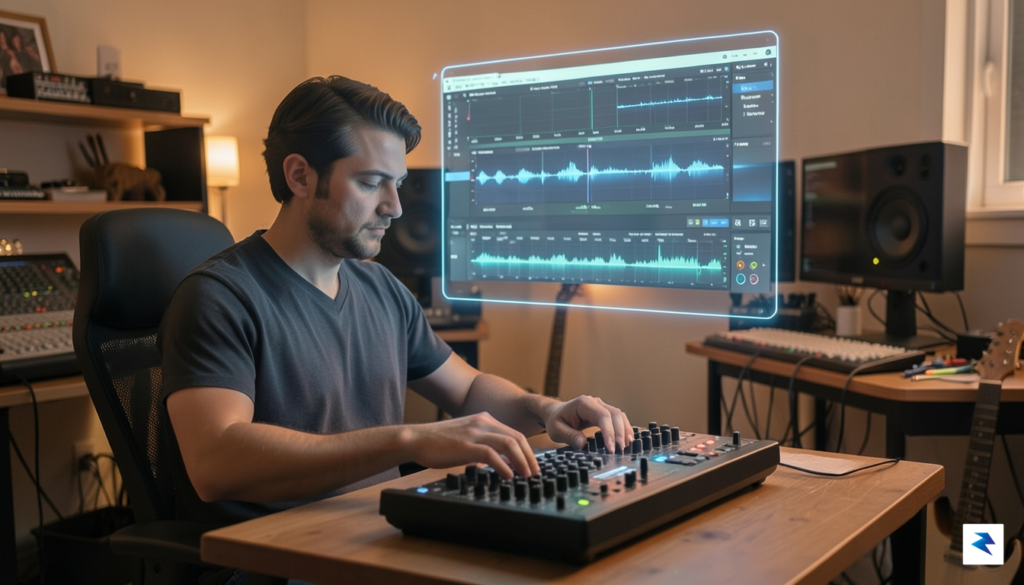
For years, the professional music production process has been marred by the friction of technical maintenance. Producers often spend more time wrestling with signal chains, routing complex mixer tracks, and digging through endless sub-menus to find the right plugin than they do actually composing music. With the integration of the new AI assistant, FL Studio 2026 effectively removes these bottlenecks, acting as a force multiplier that bridges the gap between a fleeting musical idea and a polished final arrangement. Instead of manually mapping sidechain compression or troubleshooting phase issues between layered synth patches, you can now simply dictate your intent to the software and let the AI handle the mechanical heavy lifting.
The practical efficiency gains are most apparent during the high-pressure stages of sound design and mix preparation. Imagine needing to layer a sub-bass under a lead synth; previously, this required creating a new track, routing it to a mixer channel, applying an EQ to carve out the frequencies, and manually aligning the phase. Now, the AI agent performs these tasks in seconds, suggesting complementary instrument layers that align with your track’s specific key and tempo. By automating these repetitive administrative tasks, the assistant ensures that you remain firmly planted in a creative flow state, where your primary focus shifts from how to achieve a sound to why that sound serves the emotional narrative of your song.
The true power of this AI integration lies not in replacing the producer’s vision, but in eliminating the technical distractions that threaten to stifle it during the most critical moments of the creative process.
Consider the transition from a rough demo to a structured mix. Historically, “menu diving” to set up complex routing—such as parallel compression buses or intricate reverb sends—was a major momentum killer that often forced producers to take long breaks, risking the loss of their creative spark. Today, you can instruct the assistant to “set up a sidechain for the kick and bass” or “create a master bus chain with clean dynamic shaping,” and the software executes these professional-grade setups instantly. This fundamental shift turns your DAW from a passive recording tool into an active collaborator. By offloading the technical “busy work” to an intelligent agent, you essentially reclaim hours of your production time, allowing you to iterate faster, experiment more boldly, and ultimately produce music that feels more polished and intentional.
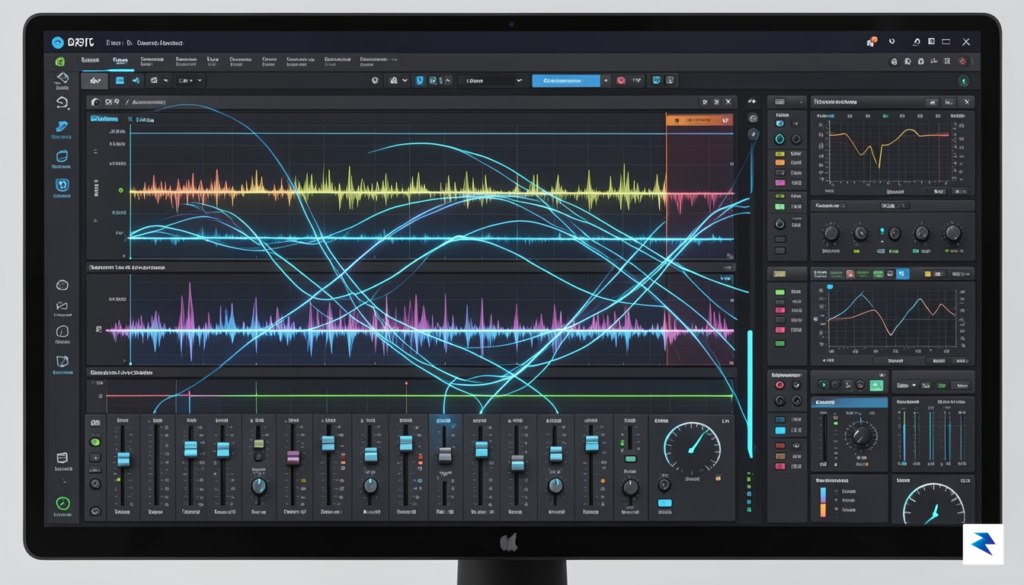
At the heart of Gopher, the new AI integration within FL Studio 2026, lies a sophisticated neural engine capable of deep-level analysis that transcends traditional DAW automation. Unlike simple macro scripts, this agent interprets your project structure as a living organism, constantly scanning for harmonic conflicts and frequency masking in real-time. By processing the raw spectral data of your tracks, Gopher can identify precisely where a kick drum might be clashing with a bassline, subsequently suggesting targeted EQ adjustments that preserve the character of your sound while carving out the necessary space for clarity.
The technical depth of this integration allows Gopher to act as an active participant in your signal chain management. When you ask it to optimize a vocal bus, it doesn’t just apply a generic preset; instead, it analyzes the dynamic range and transient response of your audio clips to determine the most effective plugin ordering. It can dynamically insert and configure instances of Parametric EQ 2 or Fruity Limiter, adjusting threshold, knee, and slope settings to suit the specific sonic texture of your material. This level of interaction means you are no longer limited to manual trial and error; instead, you are collaborating with an engine that understands the mathematical relationships between gain staging, phase alignment, and compression ratios.
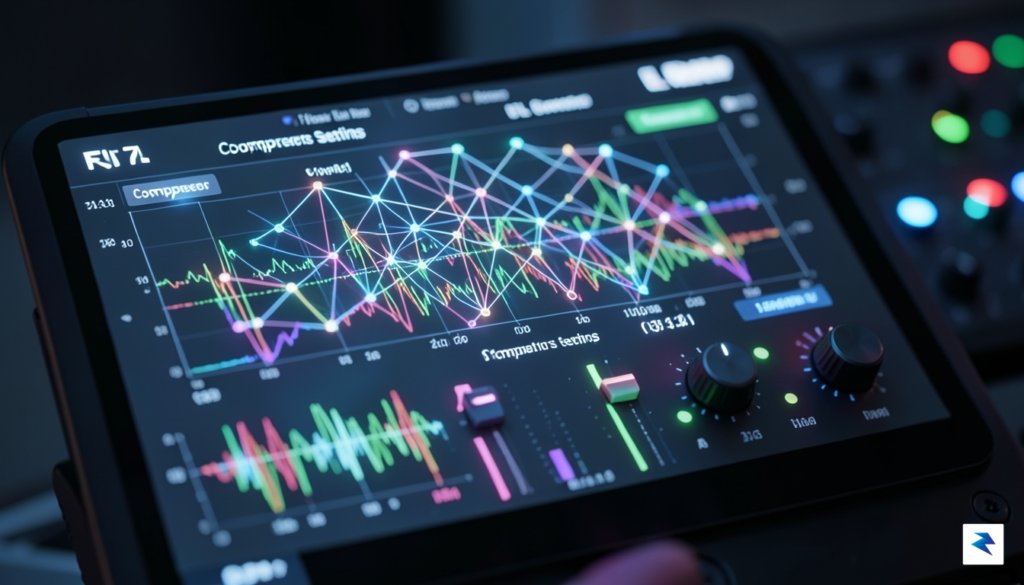
Despite this high degree of autonomy, the development team has prioritized user agency through a rigorous “human-in-the-loop” safety protocol. Every significant manipulation—such as reordering a complex plugin chain or applying destructive spectral processing—is routed through a confirmation layer. Gopher presents its proposed changes in a non-intrusive notification panel, allowing you to preview the alterations before they are permanently etched into the project state. This ensures that the creative vision remains firmly in the hands of the producer while the AI handles the tedious technical heavy lifting.
The core philosophy behind Gopher is not to replace the creative spark, but to eliminate the technical friction that keeps producers from reaching their sonic goals.
Furthermore, Gopher maintains a comprehensive history of its actions, providing a granular undo mechanism that allows you to revert specific AI-driven adjustments without losing the progress made in other areas of the track. By leveraging a local, highly optimized model that respects your privacy and local computing power, FL Studio 2026 ensures that these advanced analytical tasks do not introduce latency during playback. This creates a seamless workflow where the line between your technical intent and the DAW’s execution becomes virtually invisible, effectively turning your workstation into a studio assistant that never tires or loses focus.
The integration of artificial intelligence into professional music production has ignited a fierce debate within the creative community, centering on whether these advancements represent a evolution of the studio or an existential threat to the artist. Critics often argue that relying on algorithmic assistance leads to a homogenization of sound, where the unique, gritty imperfections that define human artistry are polished away into a bland, generic output. There is a palpable fear that as machines become more adept at mixing, mastering, and even arranging, the “soul” of a composition will be diluted by efficiency-driven processing. However, this perspective often overlooks the distinction between automation—which seeks to replace the human element entirely—and assistance, which aims to provide a more intuitive interface for the producer’s vision.
To understand the true value of an AI-powered assistant, one must view it as a collaborative partner rather than a replacement for the engineer. When a tool like the new integrated Gopher assistant handles tedious technical tasks—such as surgical EQ adjustments, phase alignment, or gain staging—it does not remove the engineer from the creative process; instead, it clears the path for them to focus on higher-level decision-making. By delegating the repetitive, time-consuming labor to the software, the producer is granted more cognitive bandwidth to focus on the emotional resonance, arrangement structure, and the overall narrative arc of the track. In this light, the machine acts as a high-speed technician, while the human remains the final curator and creative architect.
The true magic of production lies not in the technical execution of a signal chain, but in the human intentionality that drives every creative choice. AI is a mirror, not a creator; it reflects the intent we feed it.
Ultimately, the boundary between enhancement and erosion is drawn by the user’s intentionality. If a producer uses AI as a “black box” to generate a track from start to finish, the result will inevitably lack the deliberate choices that make music compelling. Conversely, when an engineer uses these tools to explore new sonic textures or solve complex mixing problems, they are leveraging the technology to push the boundaries of their own capability. The skill of the engineer is no longer defined solely by the ability to manually tweak a compressor, but by the ability to curate, direct, and refine the output of sophisticated tools. As we look toward the future of digital audio workstations, the most successful artists will be those who harness these intelligent assistants to amplify their unique voice rather than allowing the software to dictate the final sound.
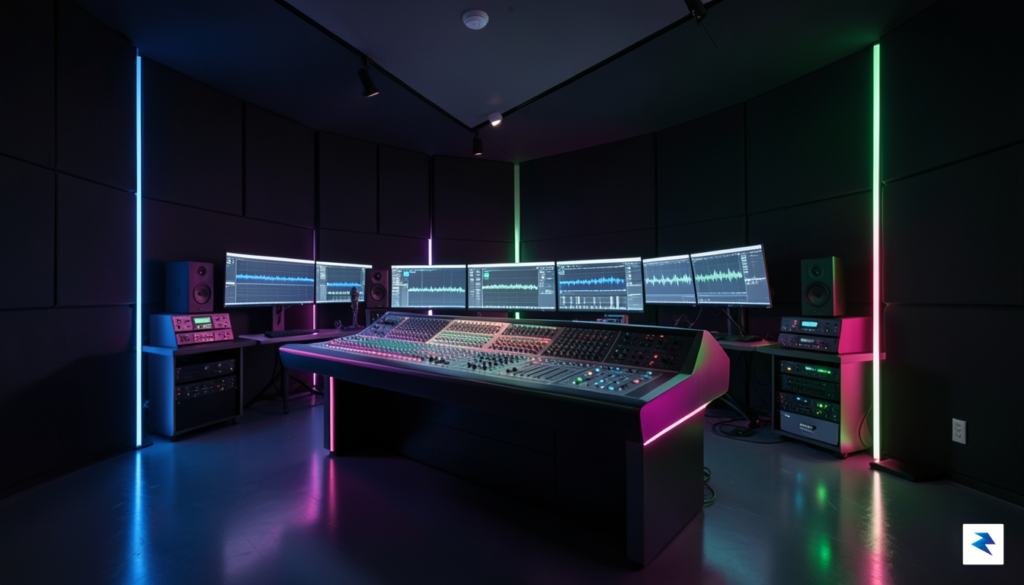
As we look toward the horizon of music production, the integration of intelligent assistants like FL Studio’s Gopher suggests a fundamental shift in how we interact with our digital audio workstations. For years, the fear has been that automation might eventually render the human producer obsolete, replacing creative intuition with cold, algorithmic perfection. However, the current trajectory of DAW development indicates that we are moving toward an era of augmentation rather than replacement. Rather than stripping away the artist’s role, these tools are designed to handle the tedious, technical heavy lifting—such as complex routing, tedious sample organization, or mundane equalization tasks—that often acts as a barrier between a musician’s initial spark of inspiration and the final recorded output.
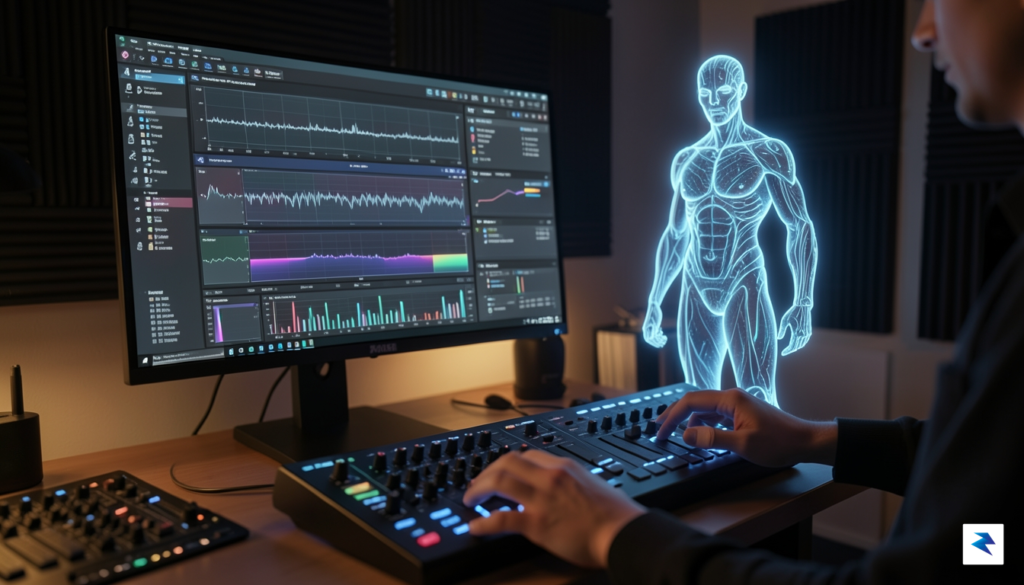
The core of musical innovation has always resided in the human capacity for emotional resonance and cultural context. An algorithm can certainly analyze a frequency spectrum to suggest the perfect compression settings, but it cannot understand the specific, nuanced heartbreak behind a vocal performance or the cultural weight of a genre-defying rhythm. Music is, at its essence, a dialogue between the creator and the listener, a connection forged through shared lived experiences that a machine simply does not possess. Because of this, the human ear remains the final, non-negotiable arbiter of quality; no amount of machine learning can replicate the subjective “vibe” or the intentional imperfections that make a track resonate with a global audience.
The future of the DAW is not a replacement for the artist, but a sophisticated expansion of the artist’s creative reach, turning the software from a static tool into an active, intelligent collaborator.
To remain relevant in this rapidly evolving landscape, producers must shift their mindset from being mere “technicians” to becoming high-level directors of their sonic vision. The most successful creators of the coming years will be those who master the art of prompting and guiding AI tools to serve their specific creative goals. By embracing these advancements, you are not surrendering control; you are outsourcing the drudgery to focus your energy on high-level arrangement, lyrical intent, and unique sound design. Ultimately, the producers who thrive will be those who use AI to amplify their unique creative voice rather than letting the machine dictate the final result, ensuring that the human soul remains firmly at the center of every composition.
You must be logged in to post a comment.