
Bun’s Big Move: Why the World’s Fastest Runtime is Switching to Rust
Why Bun is Migrating to Rust When Bun first burst onto the scene, its reliance on Zig was arguably its greatest asset. Zig provided a level of…
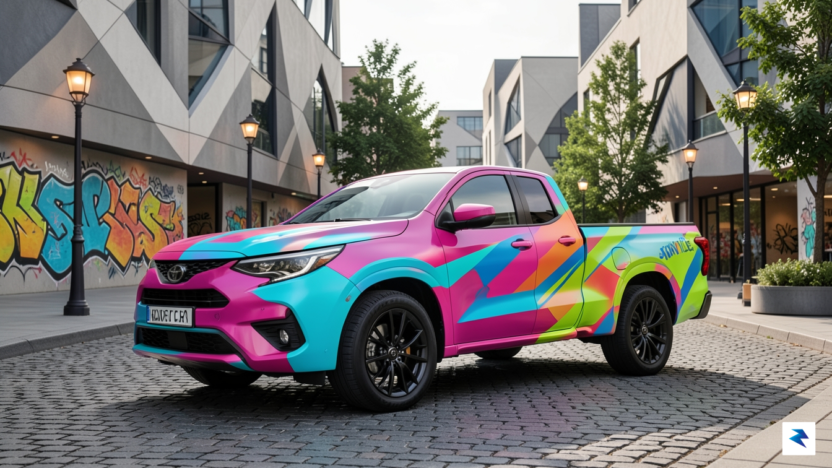
For over a decade, the electric vehicle revolution has felt like an exclusive club, accessible only to those willing to pay a premium for high-end luxury sedans and oversized SUVs. By tethering the promise of sustainable transportation to luxury price tags, the automotive industry inadvertently created a significant barrier to entry, alienating middle-class families and small business owners who rely on utility rather than status symbols. This persistent affordability gap has long been the primary obstacle to widespread electrification, as the average consumer simply cannot justify the six-figure investments demanded by legacy pioneers. However, the emergence of startups like Slate is effectively dismantling this outdated paradigm by proving that the future of mobility does not have to be a luxury good.
The strategic push toward a $25,000 price point is far more than a marketing gimmick; it is a fundamental shift in how we view the utility of the electric truck. By leveraging substantial, strategic backing from heavyweights like Jeff Bezos, these companies are finally acquiring the manufacturing muscle necessary to achieve the economies of scale that legacy automakers have struggled to capture. While traditional manufacturers have spent years pivoting their massive, rigid supply chains toward electrification, nimble startups are building systems from the ground up, optimized specifically for efficiency and cost-effectiveness. This allows them to bypass the “luxury tax” associated with early-adopter technology and deliver a vehicle that serves as a practical workhorse rather than a vanity project.
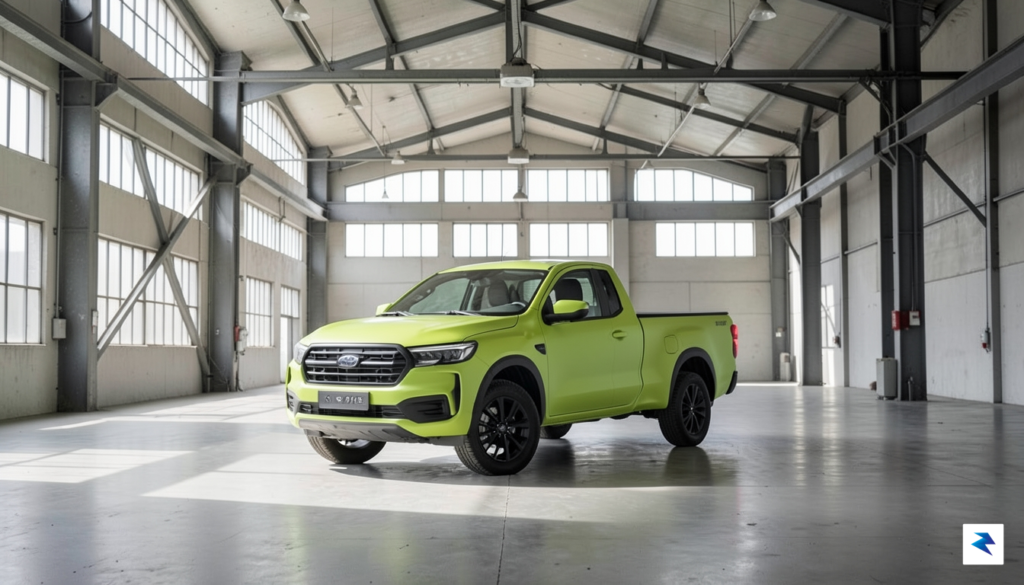
Achieving the $25,000 price threshold is the single most important milestone for the transition to sustainable logistics, as it moves electric transportation from the realm of the hobbyist into the essential toolset of the American workforce.
The necessity for affordable, sub-$30,000 trucks is particularly acute in the American landscape, where personal utility and small-scale logistics are deeply woven into the fabric of daily life. Whether for urban deliveries, landscaping businesses, or the everyday demands of suburban home improvement, the market has been starved for a vehicle that can handle heavy lifting without requiring a massive loan. By focusing on essential engineering and stripping away the superfluous tech-bloat that often plagues high-end EVs, Slate is positioning itself to capture a massive, underserved demographic. This approach differentiates them from incumbent legacy automakers, who often feel compelled to bundle every vehicle with expensive, unnecessary features that keep costs prohibitively high. Ultimately, this movement toward accessibility signals that the electric vehicle market is finally maturing, transitioning from a niche experimentation phase into a robust, utilitarian reality for the mass market.
The collaboration between Slate and Crayola transcends the typical boundaries of automotive marketing, signaling a profound shift toward emotional branding in a sector long defined by utility and industrial austerity. For decades, the entry-level vehicle market has been dominated by a sea of grayscale, with manufacturers defaulting to shades of silver, white, and black to prioritize resale value and corporate neutrality. By injecting the vibrant, nostalgic palette of Crayola into their $25,000 electric truck, Slate is explicitly rejecting the notion that an affordable work vehicle must be devoid of personality. This strategy pivots the consumer experience away from a purely transactional commodity purchase and toward the cultivation of a lifestyle brand that prioritizes self-expression and joy.
Psychologically, the introduction of non-traditional automotive colors like ‘Razzmatazz’ or ‘Cerulean’ serves to disrupt the cognitive monotony associated with daily commuting. Color is a powerful psychological tool; it influences consumer perception and dictates the emotional connection a driver forms with their machine. By leaning into the playful, heritage-rich identity of Crayola, Slate is effectively humanizing their technology. While a tech-forward electric truck could easily feel cold or intimidating to the average buyer, the association with a brand that represents childhood creativity and comfort builds an immediate, subconscious bridge of trust. This approachability is essential for an automaker attempting to democratize electric vehicle ownership for a broad, non-enthusiast audience.
The marriage of Slate’s industrial efficiency and Crayola’s vibrant legacy suggests that in an increasingly crowded EV market, the differentiator is no longer just the battery range—it is the capacity to spark delight.
Furthermore, this partnership functions as a strategic hedge against the homogenization of the electric vehicle industry. As more automakers pivot toward minimalist, futuristic designs that often feel sterile, Slate’s decision to embrace a whimsical, colorful aesthetic establishes a unique market niche. It reframes the truck not merely as a tool for labor, but as a canvas for the owner’s personality. By partnering with a multi-generational icon like Crayola, Slate manages to borrow centuries of brand equity, positioning their vehicle as a product that is both reliable and fundamentally optimistic. This maneuver suggests that the future of the automotive industry will be won by companies that understand how to blend engineering prowess with the deeper, more colorful complexities of human emotion.
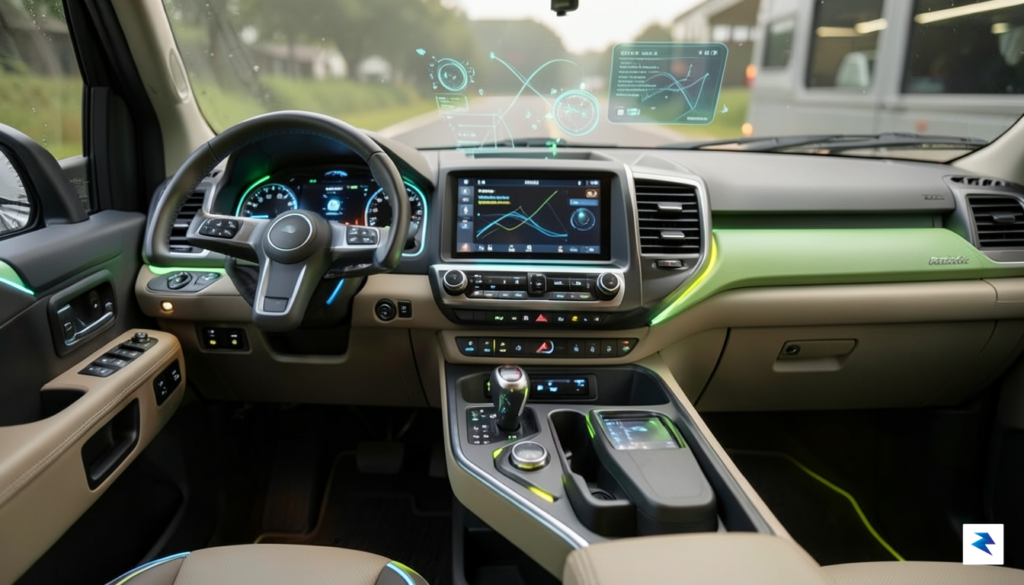
The transition to electric vehicle platforms has fundamentally rewritten the rules of automotive architecture, moving away from the rigid, engine-centric layouts of the past toward a “skateboard” chassis that prioritizes modularity. Because electric trucks like Slate’s latest offering do not require bulky transmissions or complex cooling systems for a combustion engine, engineers have unlocked vast amounts of interior and exterior real estate. This newfound flexibility allows for a level of personalization that was previously reserved for high-end luxury vehicles or aftermarket modifications, bringing factory-level customization to the affordable commercial sector. By treating the vehicle as a modular system rather than a static piece of machinery, Slate empowers owners to tailor their trucks to specific professional or personal needs without compromising the integrity of the base platform.
Beyond mere utility, this approach to design enables a vibrant aesthetic evolution that resonates deeply with a younger, more expressive demographic. The introduction of bold, Crayola-inspired color palettes is not just a marketing gimmick; it represents a departure from the monotonous sea of silver, black, and white trucks that dominate modern job sites. When a vehicle serves as a canvas for brand identity, it transforms from a simple tool into a mobile advertisement that reflects the owner’s personality or business ethos. Furthermore, factory-level custom paint jobs are becoming increasingly feasible because electric vehicle manufacturing lines are inherently more adaptable than traditional assembly lines. This efficiency allows manufacturers to offer a diverse array of finishes without the prohibitive costs associated with custom paint work in the internal combustion era.
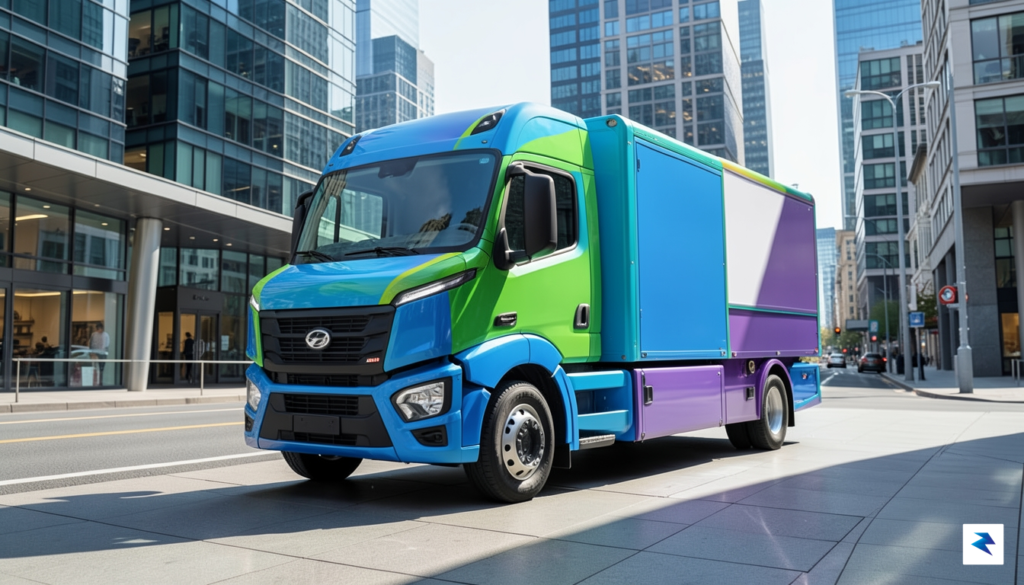
Personalization also plays a significant role in the long-term consumer ownership experience, particularly regarding how owners value and maintain their investments. Modular design encourages a sense of stewardship, as owners can swap out panels, bed configurations, or interior modules as their requirements shift over time. This longevity is bolstered by the psychological bond formed between a driver and a customized vehicle, which often leads to higher satisfaction and potentially better resale value. When a truck is uniquely identifiable—whether through a bold signature color or a specific modular setup—it stands out in the secondary market, shifting the focus from generic utility to specialized, desirable equipment. Ultimately, Slate is proving that the future of trucking isn’t just about electrification; it is about providing the agency to turn a utilitarian machine into a highly personalized asset.
The shift toward modularity in electric trucks represents a paradigm change where the vehicle becomes a dynamic platform that evolves alongside the owner’s lifestyle and professional requirements.
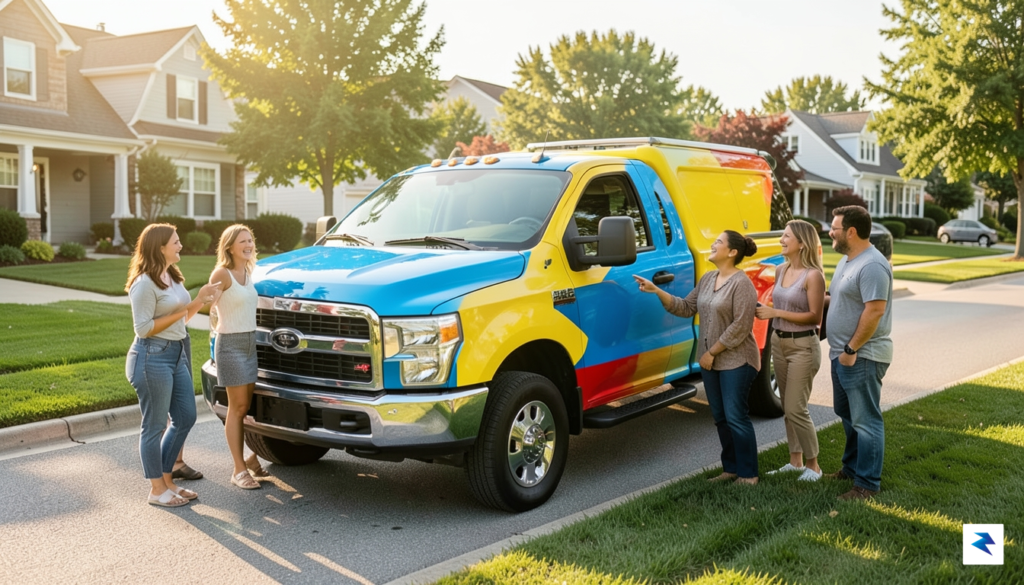
For years, the electric vehicle market has been dominated by a singular obsession: the arms race of technical specifications. Manufacturers have focused almost exclusively on range anxiety, kilowatt-hour density, and charging speeds, often relegating design to an afterthought or forcing it into a wind-tunnel-sculpted anonymity. However, as the EV market shifts from early adopters to the mainstream, the industry is discovering that specs alone rarely trigger an emotional connection. By prioritizing personality and visual flair—exemplified by Slate’s vibrant new color palettes—the company is betting that a vehicle’s soul is just as vital as its drivetrain. This approach acknowledges that for many consumers, a car is not merely a transport appliance but a statement of identity.
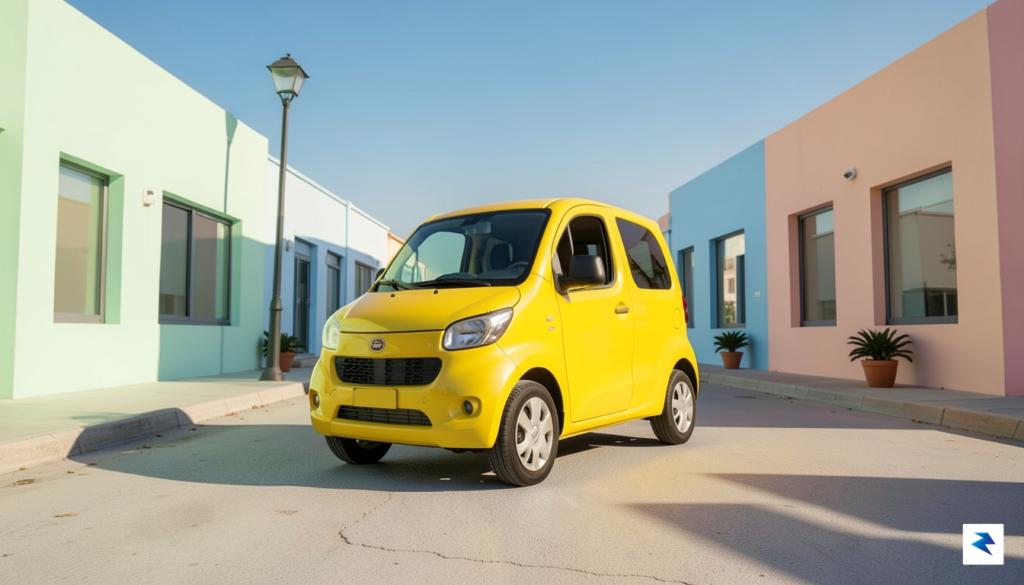
The “form versus function” debate in the automotive world has long favored the latter, but the rise of software-defined vehicles is leveling the playing field. When performance metrics begin to converge across various brands, aesthetic differentiation becomes the primary tool for carving out market share. For a newcomer like Slate, competing directly with industry titans like Tesla or Ford on raw manufacturing scale is a losing battle. Instead, by leaning into joy, customization, and bold design, Slate creates a brand narrative that feels approachable and human rather than cold and hyper-industrial. This emotional design language builds brand loyalty in a way that a slightly faster 0-60 time simply cannot, transforming a utilitarian object into a lifestyle accessory.
The most successful automotive brands throughout history have been those that sold a feeling, not just a set of mechanical parts. By injecting color and personality into a segment defined by gray and silver monotony, Slate is positioning itself as a brand for the driver who wants to feel something when they walk up to their vehicle.
Of course, there is a distinct risk in prioritizing style over substance. If a vehicle’s aesthetic appeal fails to mask deficiencies in reliability or charging infrastructure, the “personality-first” strategy can quickly backfire, leaving consumers feeling like they purchased a beautiful but unusable paperweight. To achieve true mass adoption, design must act as a gateway, not a shroud. If Slate can marry its high-visibility, expressive branding with a platform that remains fundamentally dependable, they may prove that the missing ingredient in the EV equation was never just another five miles of range—it was a reason to fall in love with the drive again.
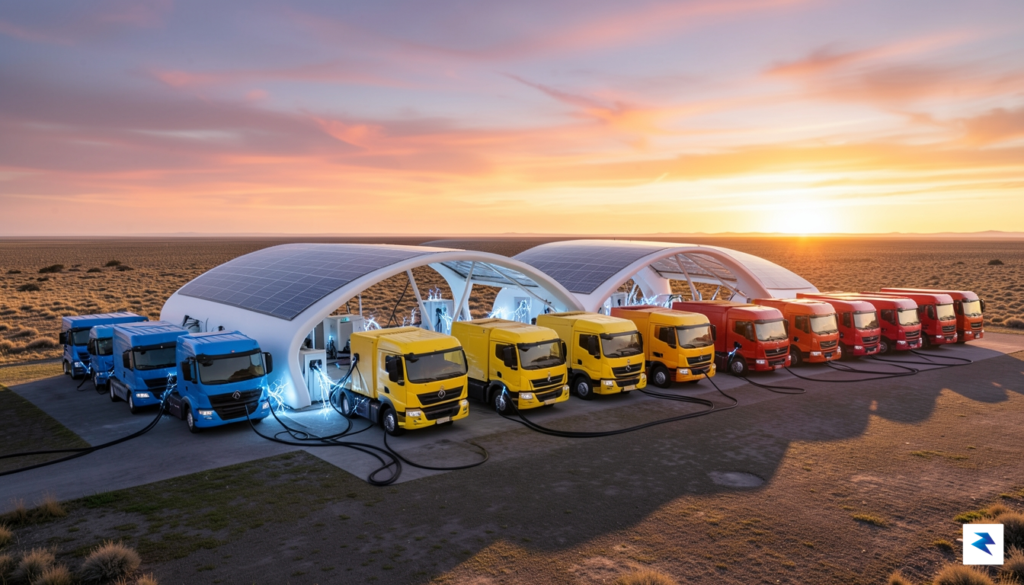
Achieving a $25,000 price point for an electric truck is widely considered the “Holy Grail” of the automotive industry, yet it remains a daunting mountain to climb. While Slate has captured public imagination with its vibrant, high-energy collaboration with Crayola, the company faces the cold, hard realities of manufacturing scale and supply chain volatility. To succeed, Slate must navigate the delicate balance of keeping production costs low while satisfying rigorous safety regulations and meeting the expectations of a consumer base that is increasingly demanding more utility for less capital. The transition from a prototype to a mass-produced vehicle requires navigating a complex web of battery sourcing, domestic labor costs, and the overhead of establishing a robust service network, all of which threaten to erode thin profit margins.
Despite these significant headwinds, Slate’s strategy of leaning into brand agility and aesthetic differentiation may provide the necessary leverage to disrupt a stagnant market. By transforming a utilitarian, gray commodity into a customizable, visually engaging product, the company is signaling that the future of electric mobility is not just about raw performance metrics, but about personal expression and lifestyle integration. This “Crayola-fication” of the pickup truck suggests a shift toward modularity and consumer-facing design choices that could redefine how buyers perceive entry-level work vehicles. If Slate can prove that affordable electric transport doesn’t have to be sterile or aesthetically uninspired, they may force legacy automakers to rethink their own rigid production strategies.
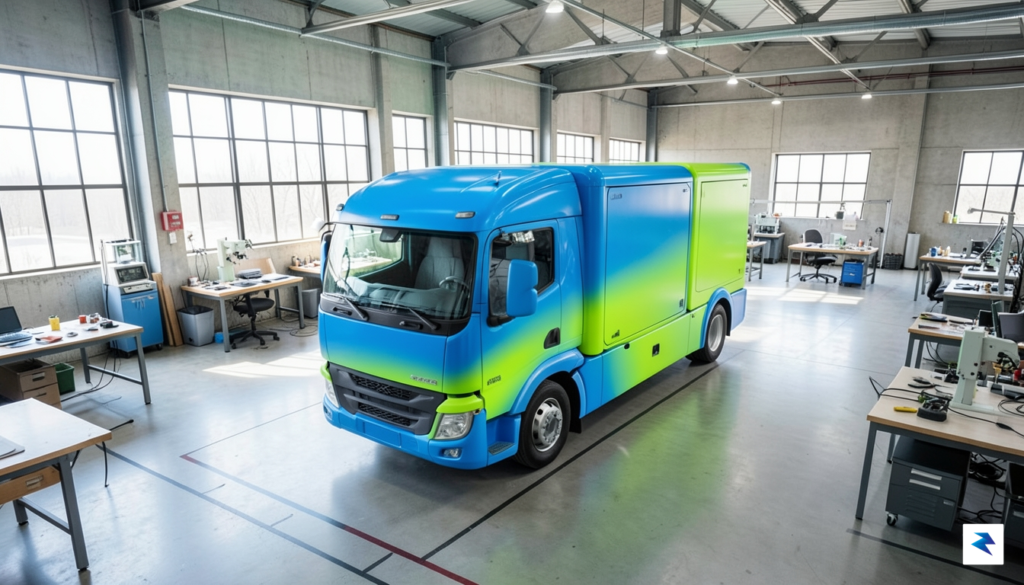
The true test for Slate will be its ability to maintain this playful, brand-forward identity while simultaneously scaling the grueling, capital-intensive logistics of global automotive manufacturing.
Looking ahead, the long-term viability of this business model will likely hinge on whether Slate can successfully transition from being a niche, novelty-focused brand into a reliable fleet provider. Regulatory hurdles, such as varying international safety standards and the ongoing push for standardized charging infrastructure, will undoubtedly test the company’s engineering resolve. Furthermore, maintaining a $25,000 MSRP in an inflationary environment will require constant innovation in battery chemistry and material efficiency. If Slate manages to sustain this momentum, we may see a broader industry trend where vehicle customization becomes an out-of-the-factory standard rather than an expensive aftermarket endeavor. Ultimately, the success of this project could serve as a blueprint for a new generation of EV manufacturers who prioritize accessible design and creative branding as key pillars of their competitive advantage.
You must be logged in to post a comment.