
China’s Rocket Breakthrough: The New Challenge to SpaceX
The Shift to Reusability: A New Space Race Era For more than half a century, the story of human spaceflight was written in the language of…
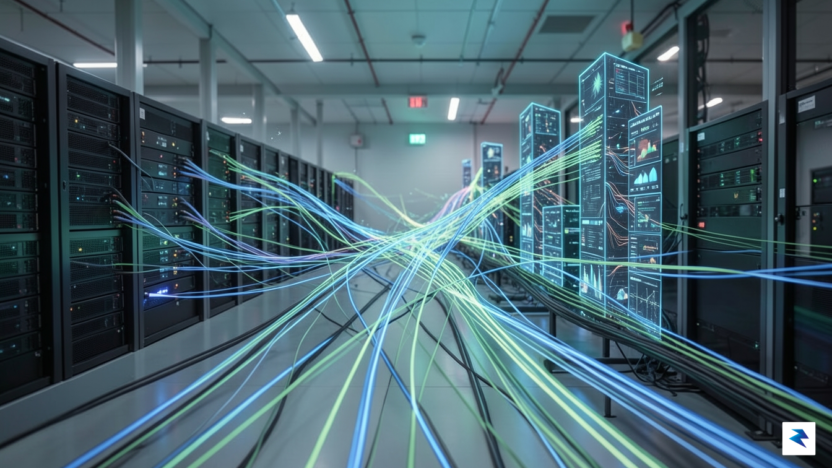
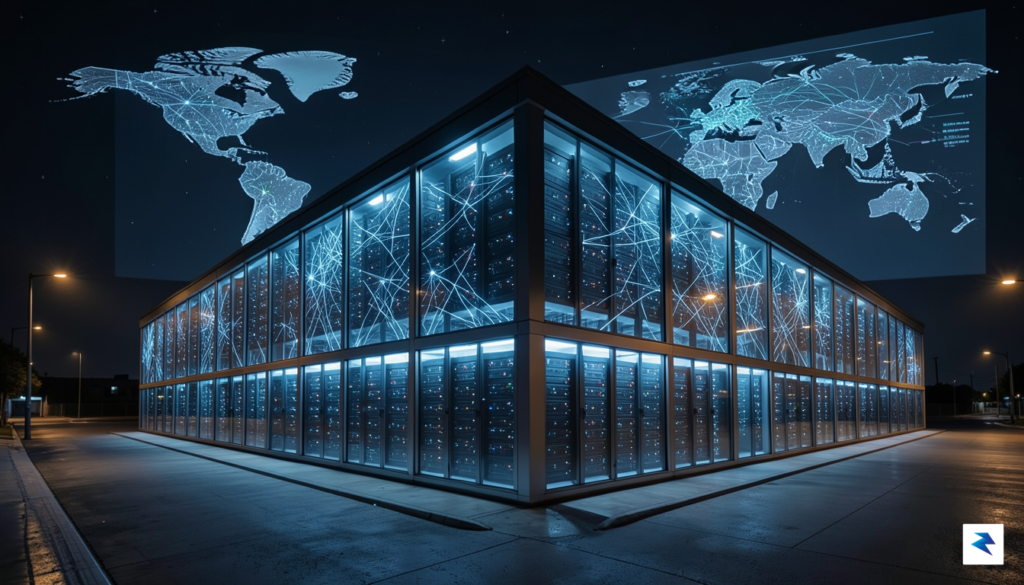
The global race to dominate artificial intelligence has shifted focus from the abstract realm of software algorithms to the concrete, physical foundations of the digital age: the hyperscale data center. These massive facilities, sprawling across thousands of acres and consuming unprecedented amounts of electricity, have evolved into the lifeblood of modern economic power. As nations compete to achieve supremacy in generative AI, these data centers are no longer viewed merely as commercial assets; they are increasingly recognized as critical national infrastructure, comparable in strategic importance to electrical grids, telecommunications networks, and defense installations. The concentration of computing power within these sites creates a new kind of vulnerability, making them prime targets for state-sponsored influence campaigns aimed at destabilizing domestic energy policies and economic stability.
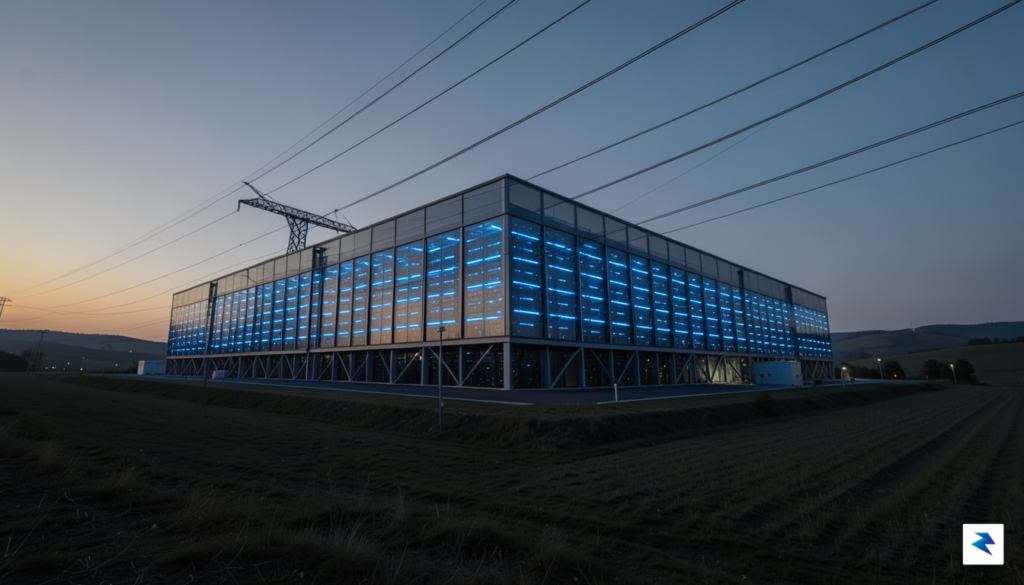
Because AI requires massive quantities of energy to train and operate sophisticated models, the rapid expansion of these data centers has placed a significant strain on existing power utilities. This intersection of energy demand and technological ambition creates a fertile ground for geopolitical adversaries. By fueling local debates over grid capacity, environmental impact, and water usage, foreign actors can subtly manipulate public sentiment to stall domestic progress. The strategy is rarely a direct physical attack; instead, it is a sophisticated form of information warfare designed to turn the local community against the industrial development of AI infrastructure. By amplifying polarization around these sites, external powers can effectively slow the pace of a rival nation’s technological advancement without ever firing a shot.
The security of our digital future is inextricably linked to the physical resilience of our energy and computing infrastructure. When infrastructure becomes a political wedge issue, the state’s ability to innovate is compromised from within.
Furthermore, the strategic significance of this infrastructure extends beyond simple processing power; it touches upon the sovereignty of data and the maintenance of national security interests. If a country cannot secure its own AI hardware and energy supply, it risks becoming dependent on foreign-controlled tech stacks. Consequently, the discourse surrounding data center siting, zoning, and environmental regulations has become a high-stakes geopolitical theater. As nations like Russia and China closely monitor—and occasionally attempt to influence—the internal friction surrounding these projects, they aim to create a narrative that suggests AI development is inherently at odds with domestic stability. Recognizing this pattern is essential for policymakers who must balance the need for rapid technological deployment with the necessity of shielding this critical infrastructure from foreign-led disinformation efforts.
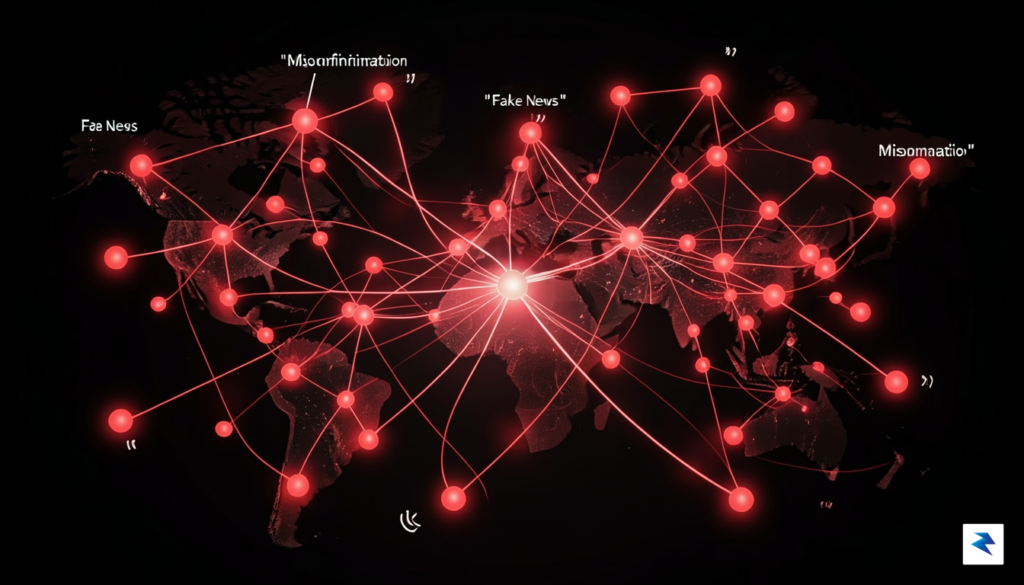
Foreign intelligence services have shifted their focus toward the rapid expansion of artificial intelligence infrastructure, identifying the domestic friction surrounding data center construction as a strategic vulnerability. Rather than creating dissent from scratch, these actors operate by locating genuine, localized anxieties—such as concerns over water usage, noise pollution, and strained electrical grids—and magnifying them through automated networks. By deploying sophisticated bot farms and coordinated social media personas, state-sponsored entities inject inflammatory rhetoric into existing community forums, effectively transforming neighborhood zoning disputes into broader, existential debates about the integrity of the American power grid and the ethics of Big Tech.
The methodology relies heavily on a “divide and conquer” strategy that pits local environmental interests against national technological advancement. These campaigns often utilize fringe news outlets to circulate sensationalized reports that frame data center development as a tool for corporate surveillance or environmental degradation. By amplifying these narratives, foreign actors aim to paralyze the permitting process and sow deep distrust between local municipalities and federal regulators. Consequently, a town hall meeting about a cooling tower can quickly escalate into a heated ideological clash, with the underlying intent being to stall the deployment of critical AI compute capacity that is essential for maintaining U.S. competitive advantages.
The goal is not necessarily to win a debate, but to ensure that the debate never ends, effectively creating a permanent state of legislative gridlock.

Furthermore, these influence operations deliberately target the intersection of energy policy and national security. By stoking public anger regarding the massive electricity demands of AI facilities, foreign entities leverage the legitimate fear of brownouts or rising utility costs to incite civil unrest. They frequently frame these infrastructure projects as “theft” of public resources, creating a narrative that suggests Big Tech is prioritizing AI over the basic needs of the local population. This systematic exploitation of local grievances serves a dual purpose: it slows the physical expansion of AI infrastructure while simultaneously eroding the social license required for American companies to innovate at scale. As these campaigns evolve, they move beyond simple misinformation, increasingly utilizing deepfake-enhanced social media content to manipulate the emotional temperature of local debates and ensure that domestic opposition remains self-sustaining.
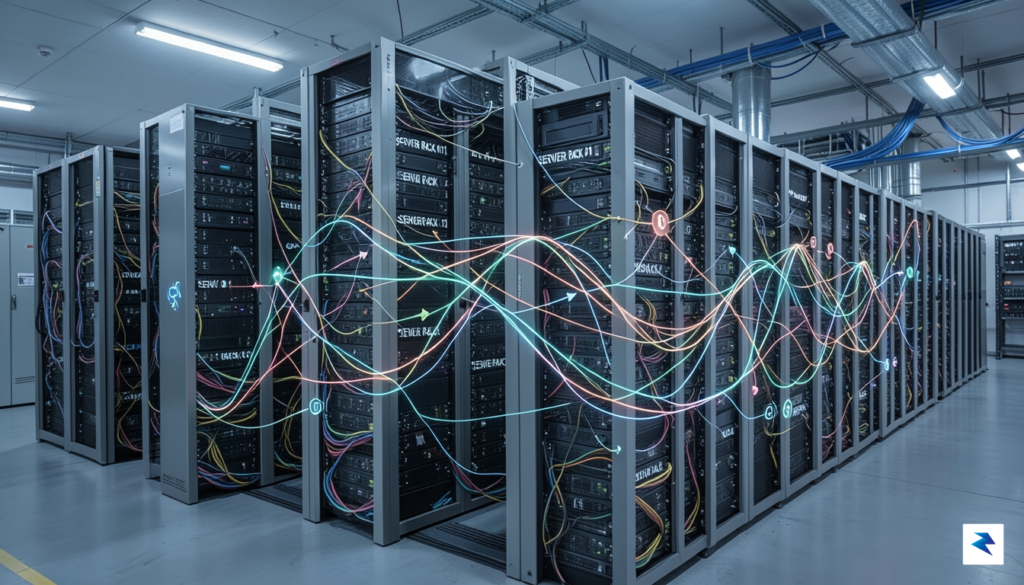
The race to achieve artificial intelligence supremacy has ignited an unprecedented demand for electricity, pushing the limits of the American power grid in ways few could have predicted a decade ago. Large-scale AI training clusters and the hyperscale data centers that house them require a constant, high-voltage supply of power, often equivalent to the output of mid-sized cities. As utility companies scramble to upgrade infrastructure and integrate more renewable sources to meet this surge, the American energy sector has become a high-stakes battlefield. Foreign actors, particularly those in Beijing and Moscow, have recognized that this structural tension offers a unique opportunity to weaponize domestic anxieties, framing the massive energy requirements of AI as a direct threat to the daily lives of average citizens.
By casting the expansion of AI infrastructure as a zero-sum game, these influence campaigns attempt to pit the needs of tech corporations against the energy security of local communities. The narrative is carefully crafted to suggest that every kilowatt diverted to a high-tech data center is a kilowatt stolen from the residential grid, purportedly leading to higher utility bills and an increased risk of blackouts for families. This rhetoric is designed to exploit existing frustrations over inflation and aging infrastructure, transforming a complex engineering challenge into a volatile political wedge issue. By amplifying these grievances across social media platforms, foreign entities hope to catalyze local opposition, stall the construction of critical power facilities, and ultimately force a slowdown in American technological development.
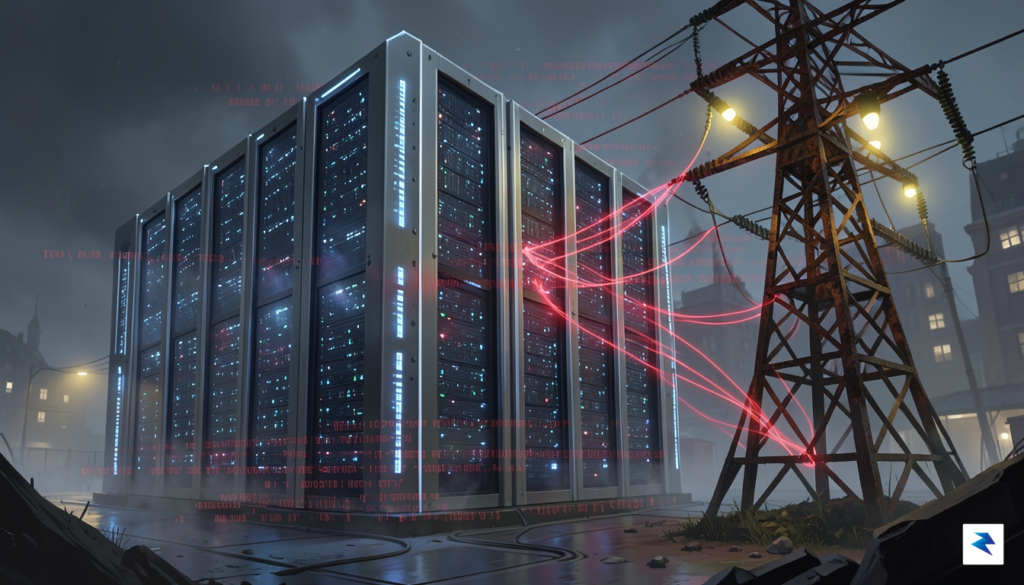
The strategic goal of these influence operations is not merely to debate energy policy, but to erode the public consensus necessary for rapid technological advancement, effectively sabotaging American competitive capacity from within.
The long-term danger of this information warfare is that it obscures the reality that grid modernization is a multifaceted necessity, not a choice between household comfort and innovation. If adversaries succeed in characterizing data center development as inherently predatory, they can effectively lobby for restrictive zoning laws and regulatory hurdles that paralyze progress. This strategic paralysis serves foreign interests perfectly; by slowing the pace at which the U.S. scales its AI capabilities, these actors buy themselves precious time to close the gap in the global technological hierarchy. Consequently, the discourse surrounding energy policy has transitioned from a matter of domestic utility management into a vital component of national security, where the integrity of the public conversation is just as crucial as the stability of the power lines themselves.

To effectively navigate the modern landscape of digital disinformation, the public must first learn to recognize the hallmarks of coordinated inauthentic behavior. Often, foreign influence campaigns do not rely on overt propaganda; instead, they utilize networks of automated accounts and “sock puppets” to amplify divisive rhetoric surrounding sensitive local infrastructure projects, such as the construction of massive AI data centers. Readers should remain vigilant when they encounter social media accounts that post at high frequencies, lack genuine personal history, or consistently push extreme viewpoints on unrelated topics to manufacture a false sense of public outrage. By checking the account creation date, follower-to-following ratio, and the consistency of the content shared, citizens can better distinguish between organic grassroots concern and orchestrated efforts designed to polarize communities.

Data literacy serves as our most essential defense when consuming news regarding the rapid expansion of AI facilities. It is critical to investigate the origins of the information being presented, particularly when a headline attempts to trigger an immediate emotional response, such as fear regarding resource consumption or local environmental impact. Rather than relying on single-source viral posts, readers should cross-reference claims with official municipal records, independent impact studies, and established local reporting. When we take the time to verify the underlying facts, we strip away the power of foreign actors who seek to exploit local anxieties for geopolitical gain.
True resilience in the face of foreign interference is built upon a foundation of skepticism toward inflammatory content and a commitment to seeking out primary, verified sources of information.
Ultimately, preventing external actors from filling the information vacuum requires a proactive stance from both government officials and industry leaders. When stakeholders remain silent about the specifications, energy requirements, and safety protocols of new data centers, they inadvertently create an environment where misinformation thrives. Transparency is not merely a corporate or regulatory courtesy; it is a vital national security measure. By providing clear, accessible, and timely communication, policymakers can ensure that the debate remains centered on legitimate public discourse rather than being hijacked by external agendas. When the facts are placed clearly on the table, the ability for bad actors to distort the narrative becomes significantly diminished, fostering a more informed and resilient democratic dialogue.
You must be logged in to post a comment.