
The New Frontline: How Foreign Powers Are Targeting AI Data Centers
The Geopolitical Stakes of AI Infrastructure The global race to dominate artificial intelligence has shifted focus from the abstract realm of…
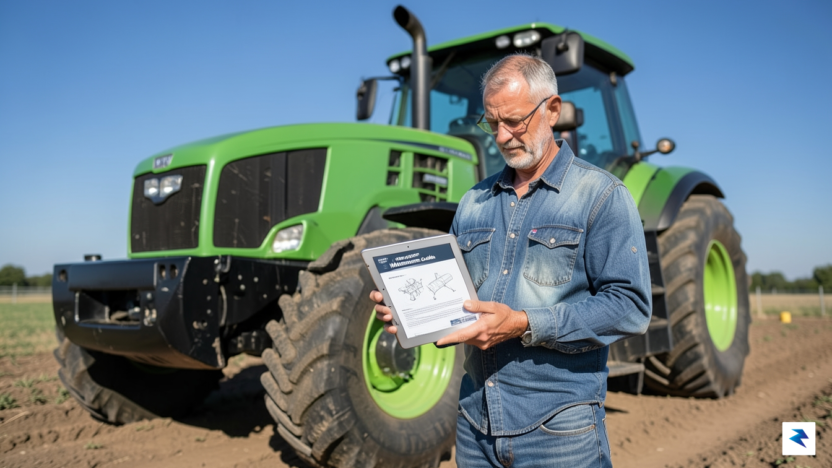
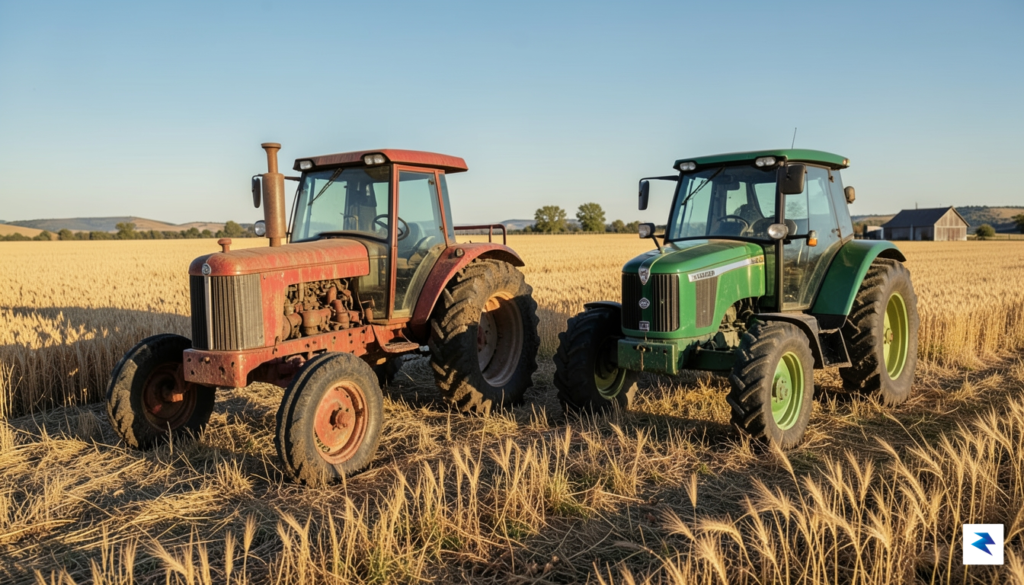
For decades, the agricultural industry operated on a simple premise: if you bought a tractor, you owned it, and you were expected to maintain it. However, as machinery became increasingly sophisticated, the integration of proprietary software changed the relationship between manufacturer and operator. What was once a mechanical machine that could be serviced with a wrench and a manual transformed into a digital ecosystem protected by software locks. This shift forced farmers to become dependent on authorized dealership technicians, often waiting days for a software “unlock” code while their crops withered in the field during the most critical windows of the planting or harvesting seasons.
The frustration stemming from these restrictive practices eventually transcended the borders of rural America, evolving from a localized grievance into a national political movement. Farmers, who are historically self-reliant, began to realize that their inability to perform basic repairs was not a technological necessity, but a business model designed to capture recurring service revenue. This realization sparked a grassroots pushback, as independent repair advocates and farming organizations began lobbying for legislation that would force manufacturers to provide the same diagnostic tools and manuals to owners as they did to their own service departments.

As the movement gained momentum, it became clear that the issue was not isolated to agriculture; it was a symptom of a broader crisis in modern ownership. From smartphones and gaming consoles to medical devices and home appliances, consumers across all sectors found themselves locked out of their own hardware. This widespread frustration provided the necessary leverage for advocacy groups to bring the issue to the attention of the Federal Trade Commission (FTC). The agency’s recent focus on these practices signals a tectonic shift in how federal regulators view the balance of power between massive corporations and individual consumers.
The FTC’s involvement marks a fundamental transition: hardware ownership is no longer seen as a privilege managed by the manufacturer, but as a protected right that prevents companies from using software to create artificial monopolies on repair services.
By stepping into the fray, the FTC has validated the years of struggle experienced by agricultural communities that were previously ignored. This watershed moment indicates that the era of “digital feudalism”—where companies retain total control over products long after they have been sold—is facing significant regulatory scrutiny. For the modern consumer, this ruling serves as a vital precedent, ensuring that the right to modify, fix, and maintain one’s own property remains a cornerstone of a functional and competitive marketplace.

The recent resolution between the Federal Trade Commission and John Deere represents a monumental shift in how the agricultural industry interacts with the sophisticated technology embedded in modern machinery. At its core, the agreement mandates that the manufacturer must provide equipment owners and independent repair shops with the same level of access to diagnostic tools, manuals, and software that the company previously reserved exclusively for its authorized dealer network. By formalizing these requirements, the F.T.C. has effectively dismantled the restrictive barriers that often forced farmers to wait days for technician visits or transport heavy machinery long distances for relatively minor software-related repairs.
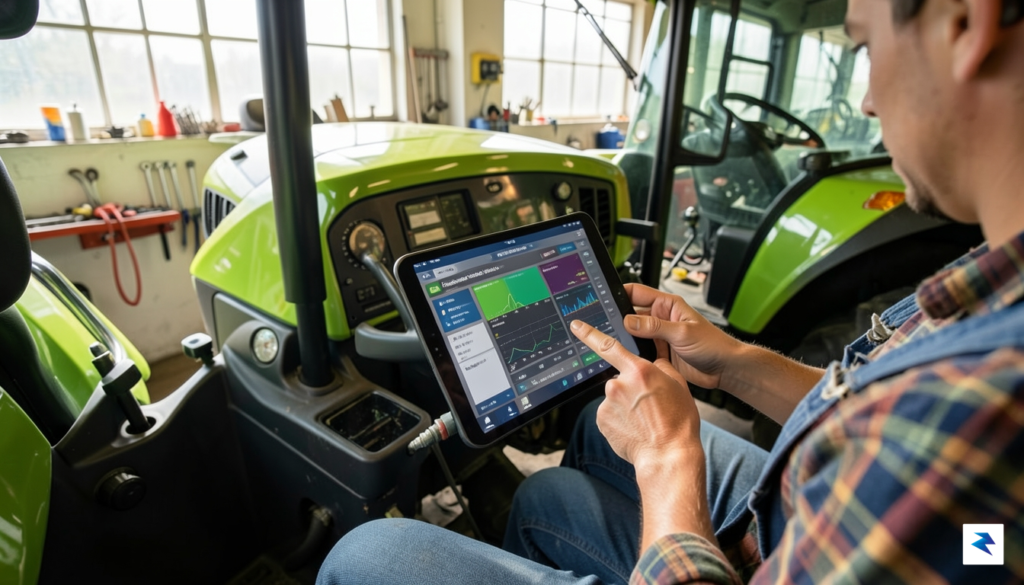
Under the terms of the settlement, John Deere is legally obligated to ensure that agricultural equipment owners have direct access to the “Customer Service Advisor” tool. This is a critical development, as this software is the primary interface required to identify, diagnose, and resolve technical faults within the tractor’s electronic control units. Furthermore, the company must provide these owners with the ability to download software updates and access the necessary diagnostic codes that were historically locked behind proprietary firewalls. This level of transparency ensures that farmers are no longer tethered to a single service provider, granting them the autonomy to perform maintenance on their own terms or choose a local independent mechanic who can offer more competitive pricing and faster turnaround times.
The agreement serves as a benchmark for the broader right-to-repair movement, signaling that software-locked hardware is no longer shielded from consumer repair rights in the agricultural sector.
The scope of this agreement is comprehensive, covering a vast range of John Deere’s agricultural equipment models currently in operation. To ensure compliance, the company is required to offer these resources via a web-based portal, making them easily accessible to anyone with an internet connection. The implementation timeline is designed to be immediate and ongoing, requiring the manufacturer to provide these resources for all equipment sold through the current production cycle and beyond. Additionally, the F.T.C. has established a monitoring framework to ensure that the company does not implement workarounds or new digital hurdles that might impede the spirit of this ruling. By codifying these obligations, the settlement creates a sustainable path forward that balances the protection of proprietary software with the practical, time-sensitive needs of the agricultural community.
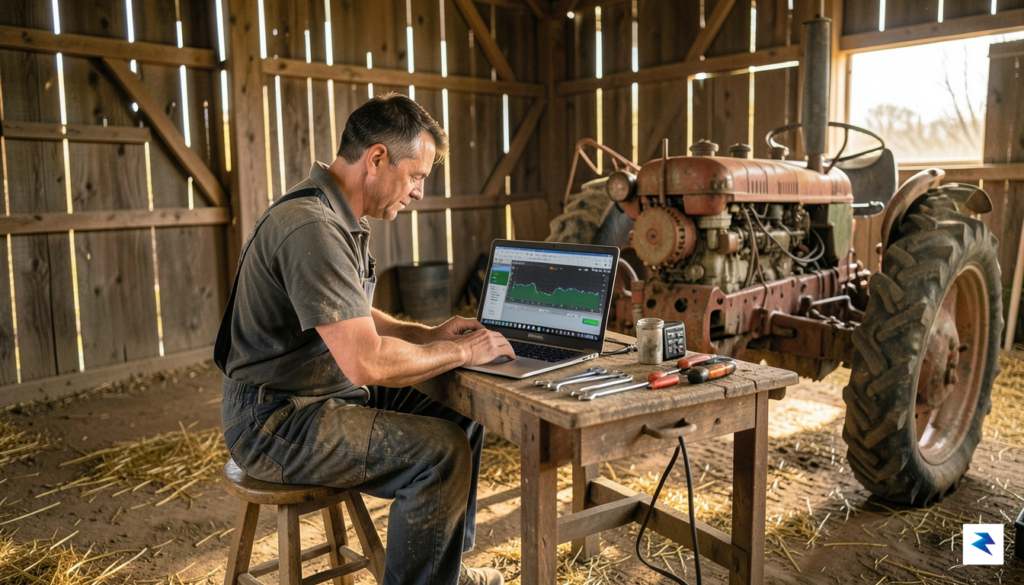
For the average agricultural professional, time is not just money; it is the difference between a successful harvest and a ruined crop. When a high-tech tractor suffers a sensor malfunction during the peak of planting or harvesting season, every hour spent waiting for a specialized technician from an authorized dealership translates into significant financial loss. By granting farmers and independent mechanics the legal right to access diagnostic tools and repair manuals, the Federal Trade Commission has effectively removed a major bottleneck in the agricultural supply chain. This shift empowers operators to take immediate action, allowing them to troubleshoot and fix minor software glitches or mechanical failures on-site rather than relying on the rigid, often sluggish scheduling of manufacturer-authorized service centers.
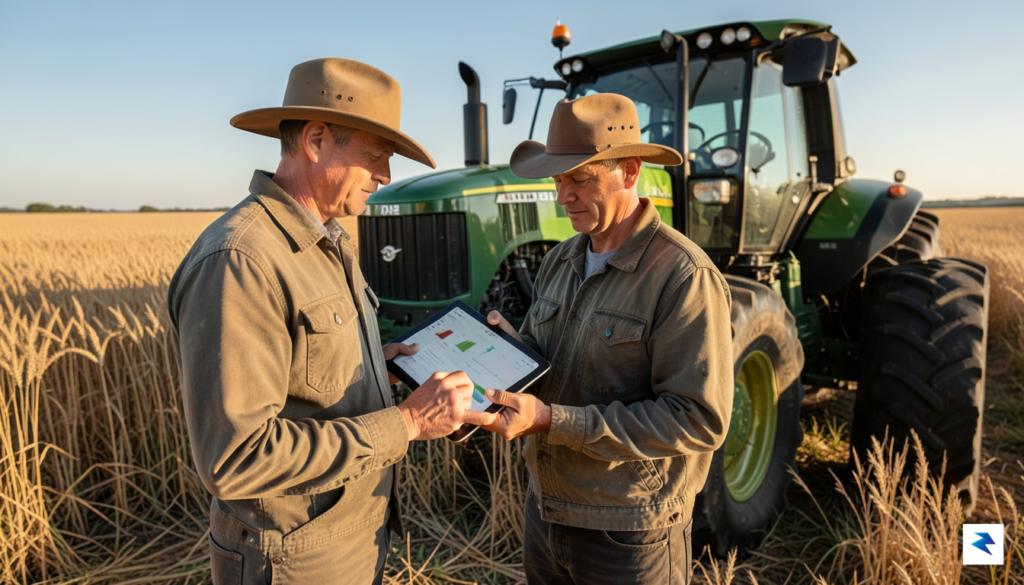
The decentralization of technical knowledge serves as a cornerstone of this new operational reality. Historically, complex digital locks restricted repair capabilities to a select few, forcing farmers into a dependency model that stifled local entrepreneurship. Today, the rise of independent repair shops—which are often more accessible and deeply integrated into rural communities—provides a vital safety net for producers. These local mechanics are now able to provide faster, more cost-effective service, keeping machinery running without the exorbitant surcharges associated with proprietary diagnostic software. Consequently, this competitive environment helps keep maintenance costs in check, ensuring that the burden of repair does not become an insurmountable barrier to entry for small-to-medium-sized family farms.
The ability to own and maintain one’s equipment is fundamental to the autonomy of the American farmer, turning the machinery from a leased-like liability back into a true asset.
Furthermore, the cumulative impact of these changes extends far beyond individual savings. When technical information is democratized, it fosters a culture of innovation and resilience within the agricultural sector. Farmers are no longer passive consumers of proprietary technology; they are becoming active participants in the maintenance and optimization of their own fleets. This transition not only minimizes equipment downtime but also encourages a more sustainable approach to machinery longevity. By extending the lifespan of complex agricultural equipment through accessible, local repairs, the industry can reduce the constant need for expensive, capital-heavy equipment upgrades, ultimately leading to a more robust and self-sufficient farming economy.

The implications of the recent regulatory shift regarding farm equipment repair extend far beyond the confines of a single machine shed; they strike at the very heart of agricultural efficiency and the stability of our national food supply. When a high-tech combine or tractor sits idle due to a software lockout or a proprietary diagnostic requirement, the impact is not merely an inconvenience for the individual farmer. It represents a cascading failure in productivity that ripples through the entire supply chain. Agriculture is a profession governed by rigid, unforgiving biological clocks—crops do not wait for a dealership technician to clear their busy schedule, and a harvest window missed by a few days due to mechanical delays can mean the difference between a profitable season and a catastrophic financial loss.
By dismantling the barriers that previously forced farmers to rely exclusively on authorized dealership repairs, the Federal Trade Commission has effectively empowered producers to restore their own uptime. Historically, the hidden costs of “waiting for the specialist” included not just the premium service fees, but the lost yield that occurs when harvesting equipment remains stagnant during critical weather windows. For small-to-medium-sized farming operations, which often lack the massive capital reserves of industrial-scale conglomerates, these delays are particularly punishing. When these family-run businesses can perform their own repairs or access independent service providers, they reduce the overhead costs associated with equipment depreciation and operational downtime, thereby stabilizing their bottom lines and ensuring they can continue to compete in a volatile global market.
Reliability in the field is the cornerstone of food security. When farmers are granted the autonomy to maintain their own machinery, the entire agricultural economy benefits from higher equipment utilization rates and reduced waste.
Furthermore, the economic stability of these agricultural hubs is essential for maintaining a predictable food supply chain. When farmers are forced into a monopolistic service model, the added expense of maintenance inevitably exerts upward pressure on the price of agricultural commodities. By fostering a more competitive repair market, we are essentially lowering the barrier to entry for modern farming techniques and ensuring that the machinery powering our food system is utilized to its maximum potential. This is not just a victory for the “Right to Repair” movement; it is a vital step toward safeguarding the efficiency of the food production systems upon which every consumer relies. When equipment is back in the field faster, the risks of supply chain bottlenecks are significantly mitigated, creating a more resilient agricultural sector that is better equipped to handle the demands of a growing population.

The recent regulatory shift regarding agricultural machinery is far more than an isolated victory for the farming community; it serves as a foundational blueprint for a broader movement toward digital sovereignty. For years, manufacturers across the globe have increasingly pivoted toward a “software-as-a-service” business model, which effectively transforms physical property into a leased experience. By embedding proprietary diagnostic software into everything from tractors to smart refrigerators, companies have systematically eroded the traditional concept of ownership. The Federal Trade Commission’s intervention signals a decisive pushback against this trend, asserting that once a consumer purchases a product, they should maintain the autonomy to repair, modify, and optimize that device without interference from a corporate gatekeeper.

This precedent is poised to ripple through the consumer electronics and medical device industries, where “planned obsolescence” has long been the status quo. Consider the smartphone market, where users are frequently forced into expensive upgrades because authorized repair centers are the only entities granted access to necessary diagnostic tools and replacement parts. If the right to repair is firmly established for multi-ton agricultural equipment, it becomes difficult for tech giants to justify locking down smaller, personal devices. Furthermore, the implications for the medical sector are profound; hospitals and independent repair services are often blocked from fixing life-saving equipment due to restrictive software locks. By forcing manufacturers to relinquish their monopoly on repair, regulators are essentially democratizing technical access and fostering a more sustainable, circular economy.
The core of the issue is not just about turning a wrench; it is about reclaiming the digital rights that define true ownership in the 21st century.
Looking ahead, this ruling will likely accelerate the momentum of consumer rights legislation in a digital-first world. As our homes and workplaces become increasingly populated by “connected” devices, the tension between manufacturer control and user independence will only intensify. We are moving toward a future where “Right-to-Repair” is not merely a niche request for hobbyists, but a standard expectation for every consumer. Legislators are now more empowered than ever to draft laws that mandate modular design, open-source diagnostic access, and the availability of spare parts for all hardware. By establishing this legal framework, the current decision ensures that the power dynamic between the consumer and the corporation is rebalanced, ultimately securing a marketplace where ownership actually means having the freedom to maintain what you own.
You must be logged in to post a comment.