
Is a Free Disney+ Tier Coming? What You Need to Know
The Shift Toward Ad-Supported and Free Streaming Models The streaming industry, once characterized by a relentless land grab for exclusive…
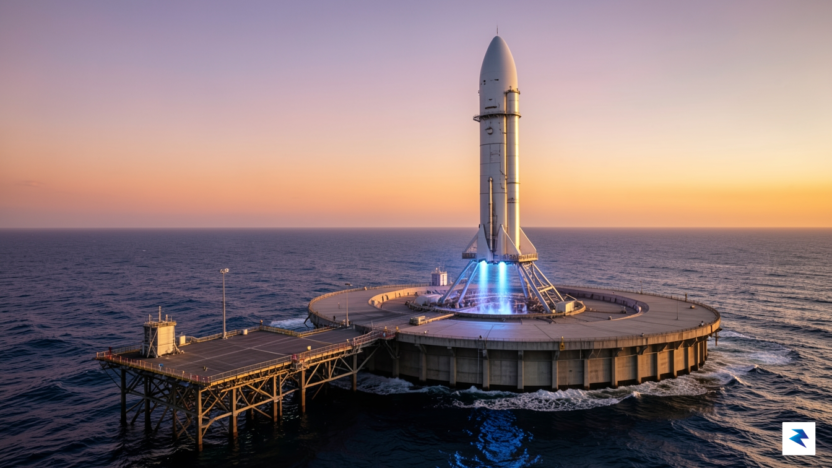
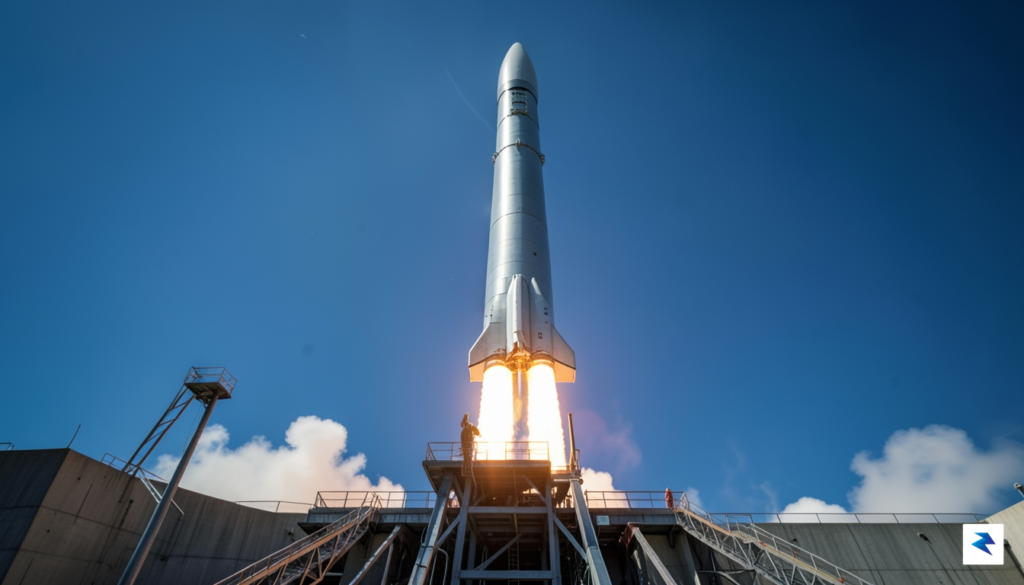
For more than half a century, the story of human spaceflight was written in the language of disposability. From the early days of the Mercury and Apollo programs through the era of the Space Shuttle, the industry operated under the assumption that rocket hardware was essentially a single-use commodity. Launch vehicles—towering feats of engineering costing hundreds of millions of dollars—were routinely discarded into the oceans or burned up in the atmosphere after a single mission. This “expendable” model created a massive barrier to entry, keeping the cost of reaching orbit prohibitively high and restricting space exploration to a handful of government-funded superpowers. It was a paradigm of planned obsolescence that prioritized the immediate success of a single payload over long-term economic sustainability.
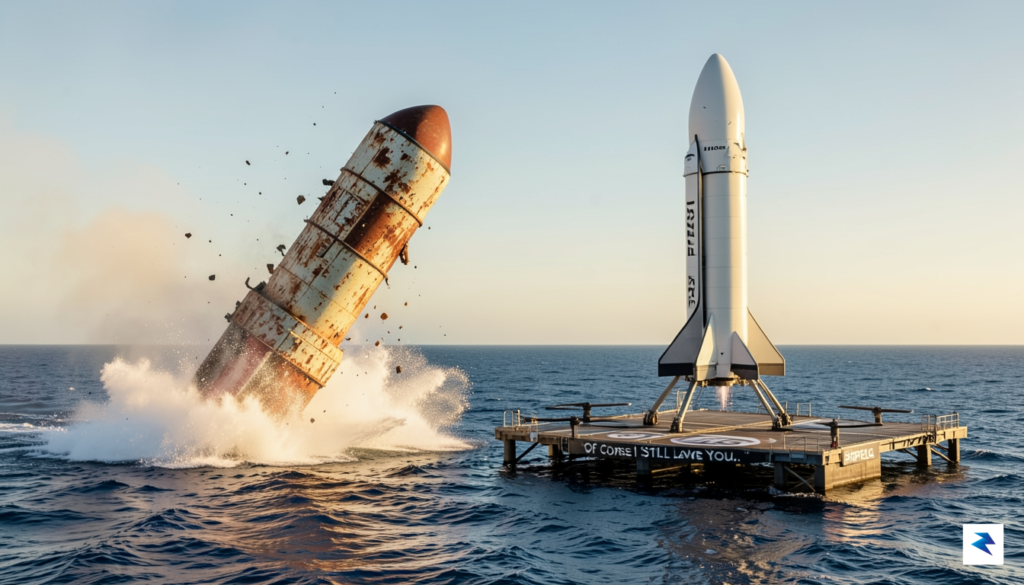
The landscape of aerospace engineering underwent a seismic shift when SpaceX successfully demonstrated the reliable, repeatable recovery of the Falcon 9 first stage. By turning the rocket landing process into a routine operational procedure, the company effectively broke the economic stranglehold of expendable hardware. This breakthrough proved that reusability was not merely an experimental pipe dream reserved for science fiction, but the only viable pathway to making space economically accessible. When a launch provider can reuse the most expensive components of a vehicle multiple times, the cost-per-kilogram to orbit drops precipitously, transforming the industry from a boutique government service into a competitive commercial marketplace.
Reusability is the fundamental metric for modern space dominance; it represents the transition from a primitive era of “throwaway” hardware to a sustainable, high-cadence era of orbital logistics.
Today, reusability has become the gold standard by which all aerospace capabilities are measured. It is the primary engine driving the modern space race, as it allows for the rapid deployment of mega-constellations, the scaling of lunar logistics, and the expansion of private space stations. The global industry is no longer satisfied with simply reaching orbit; the focus has sharpened on how quickly and cheaply one can do it repeatedly. As China begins to successfully demonstrate its own indigenous recovery capabilities, the industry has entered a high-stakes competitive phase. The ability to catch, land, and refurbish rockets is now the definitive marker of a nation’s technological maturity, signaling that the era of the disposable rocket is rapidly fading into the history books.
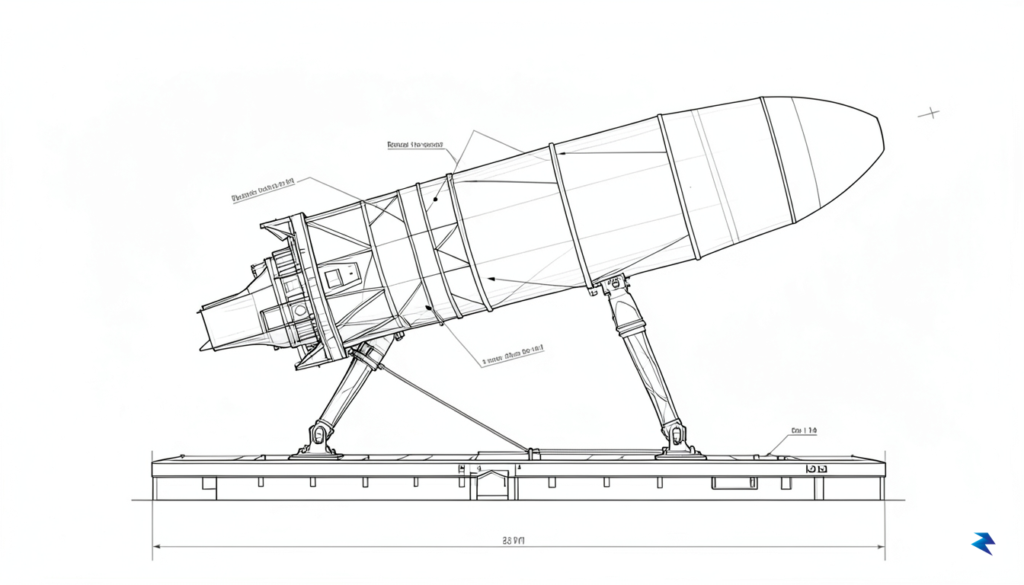
The recent successful vertical landing of a Chinese test vehicle marks a definitive departure from the realm of academic theory into the domain of operational reality. By executing a controlled descent and soft landing of an orbital-class booster stage, state-linked entities have moved beyond the “design-only” phase that defined their aerospace efforts for years. This milestone is not merely a symbolic victory; it serves as a tangible demonstration of China’s ability to master the complex fluid dynamics, precision throttle control, and real-time guidance systems required for rocket reusability. By effectively replicating the foundational successes of commercial incumbents, Beijing is signaling that its state-led aerospace apparatus is capable of matching the rapid iteration cycles traditionally reserved for agile, private-sector pioneers.
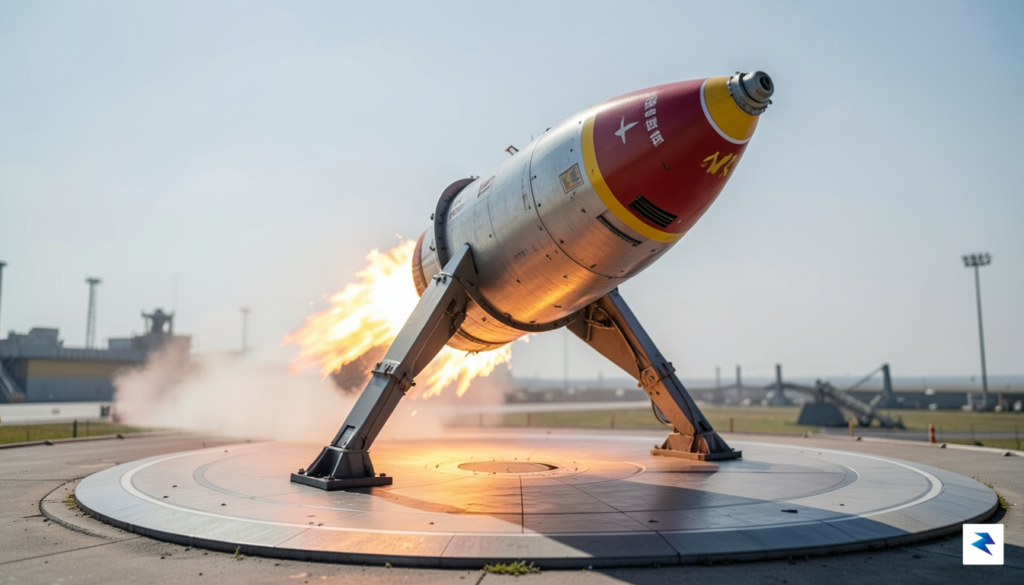
The strategic implications of this achievement for the Long March rocket program cannot be overstated. For decades, the Chinese space sector relied on an expendable launch model, which, while reliable, was economically unsustainable in the modern era of satellite mega-constellations. The successful recovery of this hardware suggests that engineers are now pivoting toward a modular, circular economy for space travel. This transition is essential for China to remain competitive as the global launch market shifts toward lower prices per kilogram. By integrating reusability into the backbone of its existing vehicle fleet, the state-owned sector is positioning itself to drastically increase its launch cadence, thereby solidifying its role as a dominant force in low-Earth orbit and beyond.
The transition from expendable hardware to a reusable architecture represents the single most significant shift in the economics of China’s space program since its inception.
When comparing this progress to the private-sector dynamics of the West, it is clear that China is leveraging a unique “hybrid” model. Unlike the American commercial approach, which relies on venture capital and high-stakes market disruption, China’s model utilizes the immense, centralized resources of the state to bypass the typical financial hurdles that kill fledgling startups. While companies like SpaceX rely on the necessity of profit to drive innovation, Chinese state entities are driven by national mandates and strategic long-term planning. This allows for a concentrated focus on engineering excellence, supported by a near-limitless supply of state-directed R&D, effectively closing the technological gap that once separated the East from the West. As these reusable systems move toward full integration, the global space race is entering a new, intensified phase where institutional scale meets proven flight capability.
Achieving a controlled vertical landing of a massive rocket booster is widely regarded as one of the most formidable feats in modern aerospace engineering. It’s a challenge that transcends brute force, demanding instead an intricate symphony of real-time sensor data, ultra-responsive high-precision gimballing engines, and extreme structural durability. This incredible dance begins high above the Earth, where boosters must execute a critical maneuver known as supersonic retro-propulsion. Here, engines must ignite and provide a powerful counter-thrust while the vehicle is still traveling at several times the speed of sound, a delicate balance against immense aerodynamic forces and plasma generation that tests the very limits of propulsion and control systems.
The journey through the atmosphere demands an equally sophisticated approach to flight control. As the booster descends from the vacuum of space into progressively denser air, it transitions from relying solely on thrusters to utilizing aerodynamic surfaces. This is where technologies like lattice-like grid fins become indispensable. These innovative control surfaces, designed to operate effectively across a wide range of speeds and atmospheric densities, vector the rocket’s descent, allowing for precise adjustments to its trajectory. Coupled with highly advanced autonomous guidance systems, which constantly process myriad sensor inputs—from GPS and accelerometers to gyroscopes and radar altimeters—the rocket can make instantaneous, self-correcting decisions to guide itself to a pre-determined landing spot with centimeter-level accuracy.
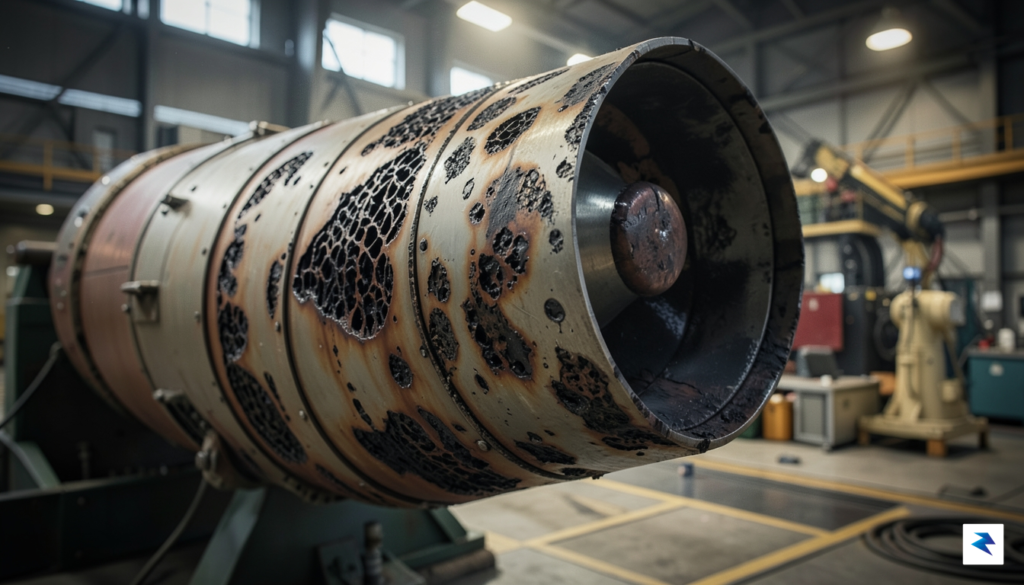
Beyond the complexities of guidance and propulsion, the physical airframe itself must endure extraordinary conditions. Re-entry into Earth’s atmosphere generates immense heat, creating scorching plasma around the vehicle, alongside significant aerodynamic stress and vibrations that could tear apart lesser structures. Consequently, mastering vertical landing also necessitates breakthroughs in material science. Rocket boosters require specialized heat shields to protect sensitive components, alongside high-strength alloys and advanced composite materials for their airframes that can withstand both the brutal temperatures of re-entry and the immense G-forces of deceleration and final landing. Ensuring the structural integrity and survivability of these components for repeated use is paramount, transforming a single-use projectile into a durable, reusable space vehicle.
Ultimately, the success of vertical landing is less about raw power and more about the precision of software-defined flight control. It is the sophisticated algorithms, deeply integrated with the hardware, that interpret sensor data, predict trajectory deviations, and precisely command engine thrust and gimballing movements down to milliseconds. This complex interplay of software and hardware allows the rocket to autonomously perform a series of high-stakes maneuvers—from the initial re-entry burn to the final landing leg deployment—all while maintaining stability and achieving pinpoint accuracy. The continuous refinement of these control systems, through countless simulations and iterative flight tests, is what truly enables the seemingly impossible feat of landing a skyscraper-sized rocket booster softly back on Earth.
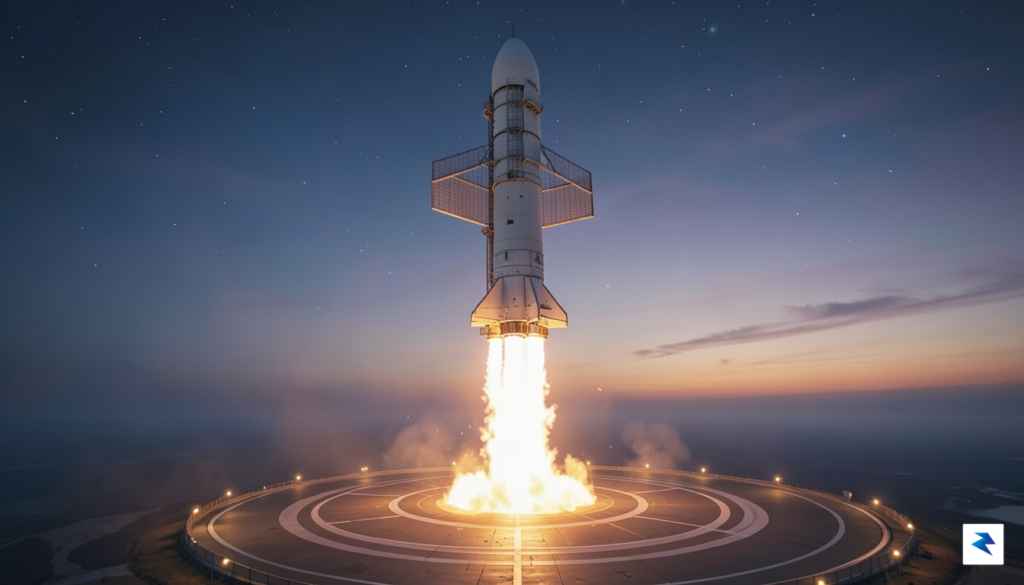

The arrival of Chinese reusable launch technology signals a tectonic shift in the economics of spaceflight, effectively ending the era of monopolistic pricing power. For years, the industry standard was tethered to the high costs of expendable vehicles, but as reusable architecture becomes a global commodity, the cost-per-kilogram to orbit is plummeting. This race to the bottom is not merely a matter of efficiency; it is an economic catalyst that will fundamentally redefine who can afford to maintain a presence in orbit. As price wars intensify, legacy launch providers—many of whom rely on government subsidies or high-margin commercial contracts—will find their traditional business models under siege, forcing them to either pivot toward rapid technological iteration or risk total obsolescence in a hyper-competitive market.
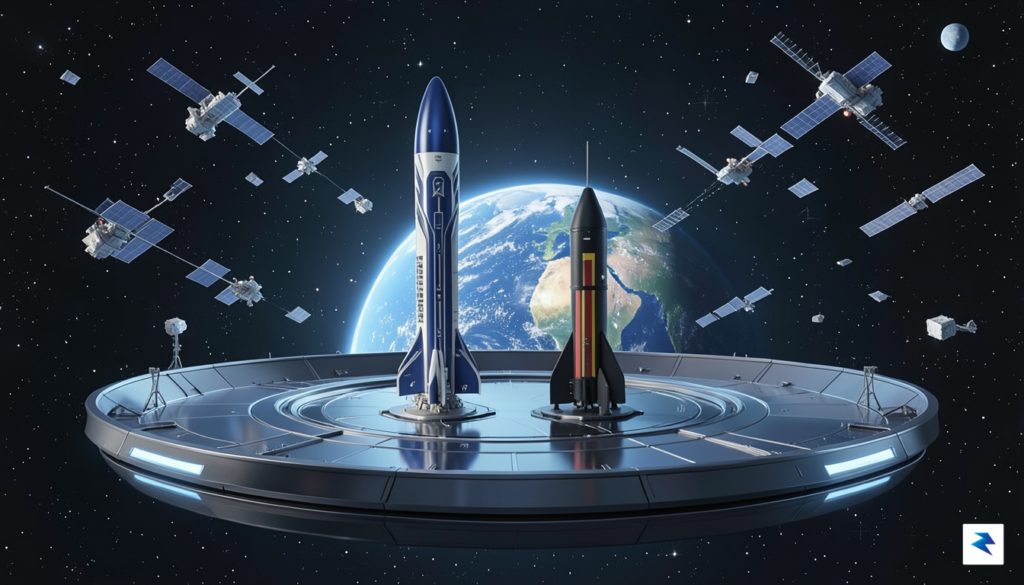
This democratization of access is poised to alter the strategic landscape of satellite constellations. Historically, the prohibitively high cost of placing massive arrays of satellites into low Earth orbit acted as a barrier to entry, favoring only the most well-capitalized corporations and state-backed entities. With China aggressively scaling its launch frequency and reducing operational expenses, the balance of power is shifting toward those who can deploy and replenish constellations most rapidly. This shift encourages a new wave of orbital expansion, where the ability to launch smaller, modular payloads at a fraction of the previous cost becomes the primary currency of influence. Consequently, the commercial sector will likely see an influx of new players who were previously sidelined by the prohibitive financial requirements of space access.
The transition from expendable to reusable launch systems is the single most important factor in lowering the barrier to entry for space commerce, turning orbital access from a rare luxury into a manageable operational cost.
Beyond the ledger books, these economic shifts carry profound geopolitical weight. As commercial launch contracts become more fluid, nations that once relied on exclusive partnerships with Western providers may find themselves courted by competitive alternatives that offer similar capabilities at significantly lower price points. This development forces a reconfiguration of international alliances, as launch services become a primary tool for diplomatic leverage. When space access becomes decoupled from the high costs of legacy providers, the resulting market volatility will likely lead to a new regulatory environment. In this space, the nations that can best balance aggressive commercial pricing with consistent mission success will ultimately dictate the standards for the next generation of global space logistics.

The dawn of reusable rocket technology marks more than just an engineering marvel or a new chapter in geopolitical space competition; it signifies a profound paradigm shift towards an era of sustained, high-frequency access to space. For decades, spaceflight was an extraordinarily expensive and infrequent endeavor, largely limited to government agencies and a select few commercial entities. Each launch involved discarding millions of dollars worth of hardware, making every mission a bespoke, resource-intensive undertaking. Now, with the increasing prevalence of rockets designed for multiple flights, we are witnessing the fundamental infrastructure being laid for an unprecedented level of activity beyond Earth’s atmosphere, transforming what was once extraordinary into something potentially routine.
This trajectory towards routine space access inherently brings with it a critical focus on sustainability, extending far beyond the immediate cost savings of reusable boosters. As the cadence of launches increases globally, so too does the imperative for robust and proactive space debris management. While reusable rockets reduce the amount of large-scale debris from spent upper stages, the sheer volume of missions necessitates more sophisticated orbital traffic control, satellite servicing capabilities, and ultimately, active debris removal solutions to ensure the long-term viability of low Earth orbit. Furthermore, sustainable operations will encompass responsible resource utilization, energy efficiency in space systems, and the development of closed-loop systems for future space habitats, ensuring humanity’s expansion into the cosmos is not at the expense of its pristine nature.
The implications of this shift are truly monumental, unlocking possibilities that were once confined to the realm of science fiction. With regular and affordable transportation to and from orbit, the vision of permanent lunar bases transitions from aspiration to tangible objective, enabling continuous scientific research, resource assessment, and even the establishment of off-world manufacturing. Deep space mining, targeting asteroids rich in precious metals and water ice, becomes economically viable, promising new sources of materials for Earth and for in-space construction. Consequently, a vibrant and resilient orbital economy will emerge, encompassing everything from space tourism and satellite manufacturing to advanced research laboratories and data centers operating in microgravity, fundamentally altering global commerce and innovation.
Looking ahead, the long-term outlook for global space commercialization is one of exponential growth and profound transformation. What began as a race between nations has evolved into a rapidly expanding global marketplace, where commercial ventures drive innovation and reduce barriers to entry. This foundational capability of routine, affordable space access will not only foster new industries and create countless jobs but also democratize access to space for a wider array of nations and private enterprises. Ultimately, humanity is on the cusp of truly becoming a multi-planetary species, with the reusable rocket acting as the pivotal enabling technology for an expansive, interconnected future beyond our home planet.
You must be logged in to post a comment.