New York City Takes Action Against Deceptive Subscription Traps
Understanding the New York City Subscription Crackdown New York City has officially shifted the landscape of consumer rights by enacting…

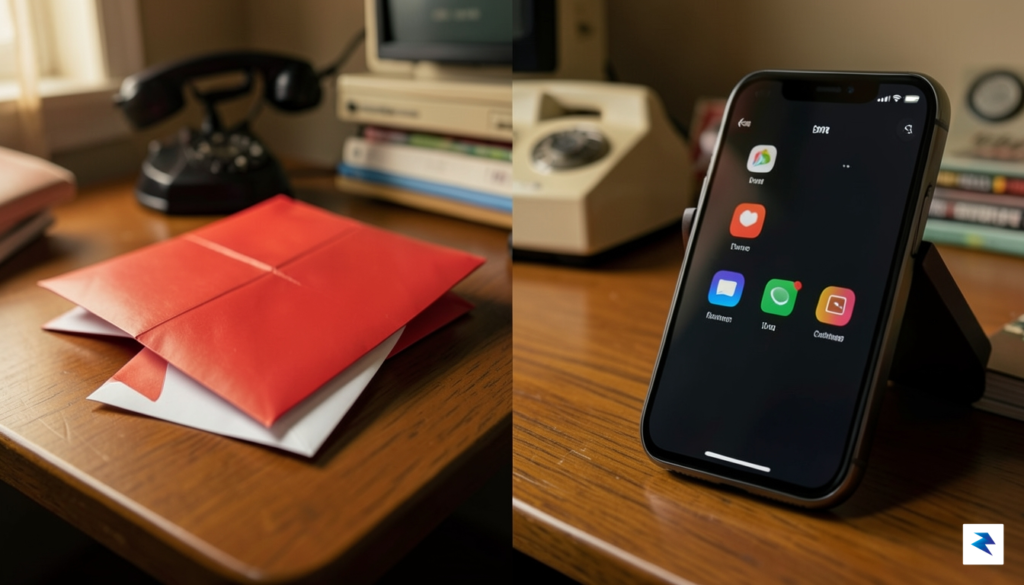
Netflix’s journey began as a digital disruptor, famously mailing red envelopes that effectively killed the physical video rental store. By shifting to a streaming model, the company positioned itself as the ultimate digital library—a premium, ad-free “TV replacement” that prioritized long-form cinematic experiences and binge-worthy prestige dramas. For years, the value proposition was clear: pay a monthly fee, gain access to an expansive, high-quality catalog, and enjoy a curated environment free from the clutter and noise of traditional broadcast television. This era of “Netflix as a service” relied on the assumption that consumers wanted a refined, lean-back experience defined by polish and exclusivity.
However, as the streaming market reached saturation and the costs of producing top-tier original programming skyrocketed, the company hit a wall in its traditional growth model. The reality of the modern attention economy is that high-production dramas, while critically acclaimed, have a limited shelf life in terms of daily engagement. To sustain growth in a landscape where every major media house has launched a competing platform, Netflix has been forced to look beyond the “prestige TV” mold. Consequently, we are witnessing a pivot toward a more eclectic, high-velocity content strategy that looks remarkably similar to the creator-led ecosystems we once associated exclusively with platforms like YouTube.
This diversification is not merely an aesthetic choice; it is a defensive economic maneuver. By integrating live sports, unscripted reality competitions, interactive games, and serialized creator content, Netflix is attempting to transform from a “once-in-a-while” destination for a movie night into an “always-on” utility. The strategy is to maximize the number of daily touchpoints a user has with the app. When a subscriber can log in to watch a live wrestling event, play a mobile game, or catch up on a viral reality series, the stickiness of the platform increases exponentially. This shift acknowledges that the modern viewer is less interested in the gatekept, curated experience of old and more attuned to the constant, bottomless stream of content diversity that defines the current digital age.
The pivot from a library of cinema to an “everything platform” signals that Netflix no longer views itself as a competitor to HBO or Disney, but rather as a competitor for every spare minute of a consumer’s day.
Ultimately, this metamorphosis reveals a fundamental change in how Netflix values its audience. By embracing unscripted content and live events, the company is betting that the future of streaming lies in community-driven engagement rather than just passive consumption. Whether or not this strategy dilutes the “Netflix brand” remains a subject of intense debate among industry analysts, but the numbers suggest that the transition is necessary. As the company continues to blend the line between professional studio productions and the addictive, rapid-fire nature of social media content, it is clear that Netflix is no longer just selling movies—it is selling a comprehensive digital lifestyle.
For over a decade, Netflix defined its identity through the “binge-watch” model—a prestige-heavy strategy focused on high-budget, cinematic storytelling that demanded deep, uninterrupted commitment from the viewer. However, the platform is currently undergoing a structural metamorphosis, pivoting toward the high-frequency, low-friction engagement patterns more commonly associated with social media giants like YouTube or TikTok. By integrating podcasts, interactive mobile games, and live-streamed comedy or sports events, Netflix is effectively diluting its status as a curated movie theater in favor of becoming an “infinite scroll” destination. This strategic shift acknowledges that in the modern attention economy, a two-hour film is no longer the only unit of currency; instead, the platform is aggressively pursuing the bite-sized, habitual engagement that keeps users returning to their screens dozens of times throughout the day.
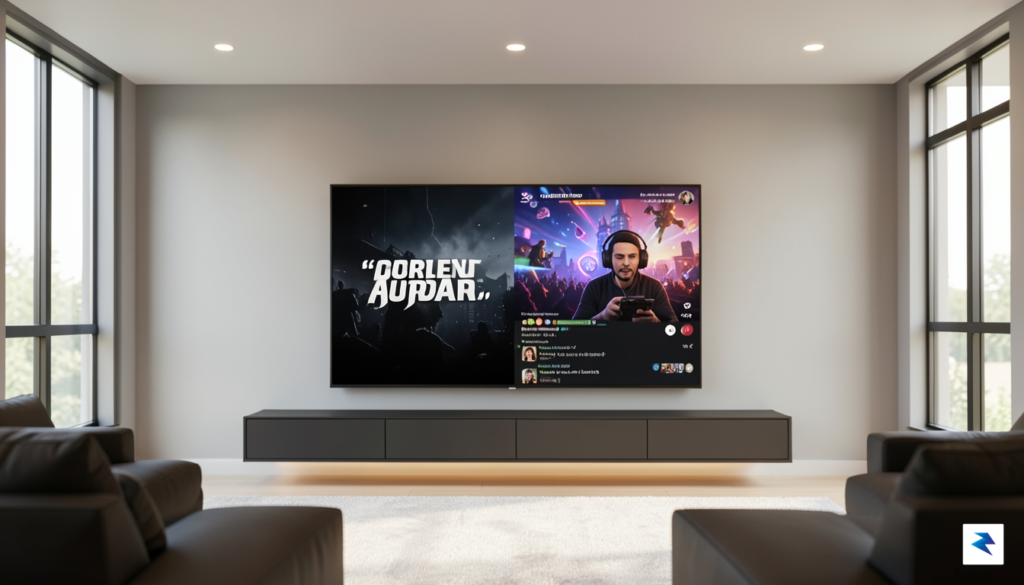
The decision to diversify into live events and interactive experiences is a calculated play for younger demographics who have grown up prioritizing short-form creators over the traditional, polished Hollywood star system. Gen Z and Alpha viewers often favor content that feels immediate, participatory, and community-driven rather than passive and static. By offering live stand-up specials or interactive narratives that require active user input, Netflix is attempting to bridge the gap between broadcast television and social platforms. This move suggests that the company no longer views itself solely as a library of completed works but as a daily utility for digital recreation. It is a transition from a destination you visit once a week for a prestige drama to a persistent, ever-changing portal of content that mirrors the spontaneity of user-generated platforms.
The core of this evolution is the transition from a “lean-back” experience of passive consumption to a “lean-forward” model of constant, iterative interaction.
This pivot toward high-frequency content also solves a significant business problem: the inevitable “content gap.” While high-budget original series take years to produce and are often consumed in a single weekend, podcasts and live events can be generated and distributed with far greater velocity. By filling the void between major blockbuster releases with interactive games and conversational audio content, Netflix keeps its subscribers within its ecosystem, effectively reducing churn. Whether this strategy will alienate loyalists who signed up for the platform’s original mission of high-end, ad-free cinema remains to be seen. Nevertheless, the trajectory is clear: Netflix is betting that the future of entertainment lies not in the depth of a single narrative, but in the breadth and variety of the content scroll.

For years, the streaming giant’s philosophy was anchored in the vision of its co-founder, Reed Hastings, who famously identified sleep as the company’s ultimate competitor. This singular focus on the “attention economy”—the theory that human focus is a finite commodity to be captured and monetized—has evolved from a quest for late-night binge-watching into a broader mission to colonize every waking hour of the subscriber’s day. By shifting away from a purely prestige-driven model, Netflix is no longer satisfied with being the destination for your two-hour movie night; it now aims to be the constant companion that fills the interstitial gaps of modern existence, from a morning commute to a five-minute break between work tasks.
This strategic pivot necessitates a fundamental change in content architecture. To capture these fleeting moments of attention, Netflix must move beyond the heavy investment of long-form prestige dramas and lean into the high-velocity, modular nature of short-form entertainment. Whether through the integration of mobile-first games, experimental live broadcasts, or bite-sized social media-style clips, the platform is effectively diversifying its portfolio to ensure that it remains relevant regardless of the user’s available time. By populating the feed with a wider variety of ephemeral content, the service aims to eliminate the “friction of choice,” ensuring that a user never has to leave the app simply because they lack the time or mental bandwidth for a feature-length film.
The transition from a curated library of cinematic experiences to a perpetual scroll of diverse media represents a high-stakes gamble: the potential degradation of the brand’s identity in exchange for total user saturation.
However, this transition carries a significant psychological and strategic risk. For over a decade, Netflix built its reputation on the concept of the “prestige stream”—a curated, high-quality sanctuary where users went to intentionally engage with meaningful stories. By pivoting toward a format that prioritizes constant, low-stakes stimulation, the platform risks transforming itself from a destination of high cultural value into mere background noise. When a service becomes the default filler for every idle second, it loses the “event” status that once justified its premium price point. As the line between intentional viewing and passive scrolling blurs, Netflix must navigate the fine balance of maintaining its reputation for excellence while attempting to mirror the addictive, infinite-scroll mechanics that have made YouTube the king of the attention economy.
Ultimately, this expansion is an acknowledgment that the modern consumer has changed. The “prestige-only” model is increasingly difficult to sustain as audiences fragment their attention across dozens of competing social and video platforms. By aggressively diversifying into interactive and live experiences, Netflix is betting that the future of streaming is not just about watching; it is about providing a comprehensive digital ecosystem that keeps users locked into the platform, regardless of whether they are looking for a deep cinematic dive or a quick, mindless distraction. The battle for the user’s day has moved far beyond the bedroom, and the company is clearly prepared to go to any length to ensure it remains the primary occupant of the user’s screen.
For over a decade, the hallmark of the Netflix experience was a curated sense of prestige. When a subscriber scrolled through the interface, they were met with high-budget limited series and films that felt like cultural events—projects that could dominate the watercooler conversation for weeks. By shifting its strategy toward a high-volume, “everything for everyone” model that mirrors the infinite scroll of YouTube, the platform risks alienating the very audience that built its reputation. When a brand attempts to cater to every possible demographic simultaneously, it inevitably dilutes the specific identity that once made it a premium destination. The danger here is that by becoming a repository for generic, low-effort content, Netflix may lose the “must-watch” aura that justified its subscription price in the first place.
This pivot toward quantity over quality creates a significant psychological burden for the viewer, commonly referred to as the paradox of choice. As the library expands to include unscripted reality shows, viral clips, and mid-tier procedurals, the average subscriber is faced with an overwhelming array of options that actually makes the act of choosing more difficult. Rather than feeling empowered by endless content, users often experience decision fatigue, leading to a state of paralysis where they spend more time browsing than actually consuming media. When the platform stops acting as a tastemaker and begins acting as a digital landfill, the perceived value of the brand diminishes. If a subscriber can no longer distinguish between a high-end cinematic masterpiece and a disposable social media trend, they are far more likely to question why they are paying a premium monthly fee.
The true cost of mass-market appeal is the erosion of a distinct brand identity. When a platform tries to occupy every niche, it eventually loses its ability to claim any meaningful territory at all.
Furthermore, this lack of focus threatens to trigger long-term churn as the platform’s identity becomes increasingly indistinguishable from its competitors. In the past, “Netflix Original” served as a shorthand for quality, signaling to the viewer that a project had received significant investment and creative oversight. Today, that label is applied to such a vast and disparate range of content that it has lost its signaling power. By chasing the short-term engagement metrics that define social media platforms, Netflix is effectively trading its long-term brand equity for transient clicks. If the platform continues to favor volume over the prestige factor, it may soon find itself in a race to the bottom, competing not for the loyalty of cinephiles and story-driven viewers, but for the fleeting attention of a distracted audience that has no fundamental attachment to the brand.
Whether Netflix’s pivot toward snackable, creator-driven content is a desperate pivot or a masterstroke of platform evolution remains the defining debate of the streaming era. By integrating shorter-form video alongside its prestige cinematic offerings, Netflix is effectively blurring the lines between a curated library and a bottomless algorithmic feed. This strategy suggests that the company is no longer satisfied with being just a destination for weekend binge-watching; instead, they are aiming to capture the idle minutes that once belonged exclusively to social media giants. If they succeed, they will transform the streaming landscape from a collection of silos into a unified ecosystem where high-budget drama and viral snippets coexist under a single subscription umbrella.
The rest of the industry is undoubtedly watching this shift with a mix of apprehension and competitive fervor. We should expect rivals like Disney+ and Hulu to mirror this evolution, likely by integrating more interactive features or branded short-form content that keeps users tethered to their apps for longer periods. Simultaneously, YouTube is leaning deeper into the “living room” experience, upgrading its production quality to compete directly with traditional television standards. This creates a fascinating paradox: while Netflix moves toward the democratization of content, YouTube is moving toward the professionalization of it. Both are converging on the same middle ground, creating a hybrid entertainment model that prioritizes engagement time above all else.
The “Golden Age of Streaming,” defined by massive budgets and exclusive prestige series, is giving way to the “Age of Aggregation,” where the value of a platform is measured by its ability to hold a user’s attention through sheer variety and algorithmic personalization.
Ultimately, the average subscriber is witnessing the end of the standalone streaming experience as we once knew it. The future of the industry is not just about having the biggest library of films, but about building a cohesive environment that functions as a primary digital habitat. As these platforms continue to consolidate and diversify their offerings, the barrier between professional production and casual creation will continue to evaporate. For the consumer, this means more choice than ever before, but it also signals a shift toward a more fragmented, high-velocity viewing experience where the distinction between “watching a movie” and “scrolling through a feed” will become increasingly irrelevant.
You must be logged in to post a comment.