
AI Found a Critical Ethereum Bug: Why Human Oversight Remains Essential
The Intersection of AI and Blockchain Security As the Ethereum network continues to evolve through complex upgrades and modular architecture,…

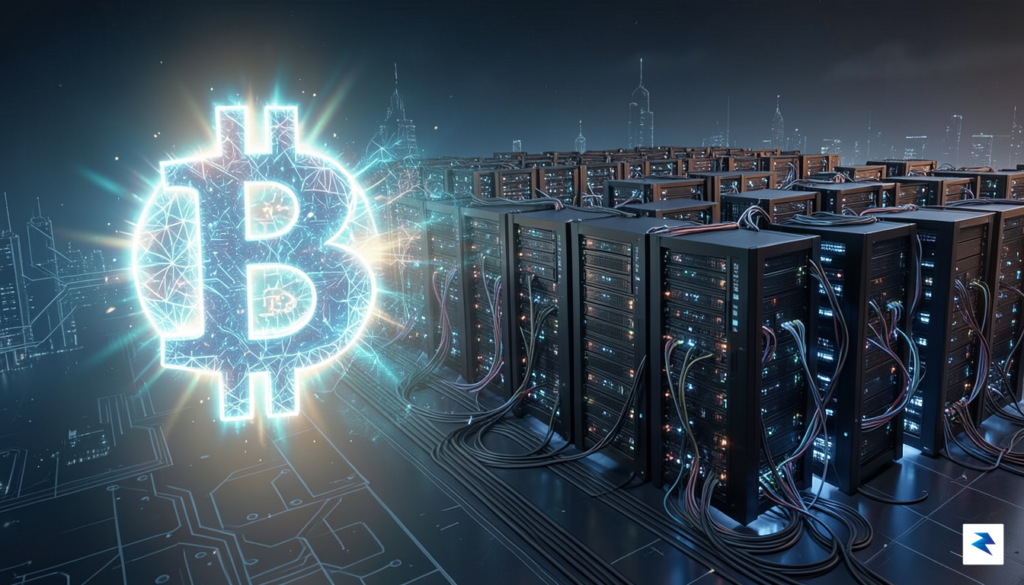
The decision by Empery Digital to divest a significant portion of its Bitcoin holdings in favor of physical AI infrastructure is not merely an isolated financial maneuver; rather, it serves as a bellwether for a broader, tectonic shift in corporate treasury management. For years, the prevailing wisdom for tech-forward companies was to treat Bitcoin as “digital gold”—a hedge against inflationary pressures and a long-term store of value. However, the current explosion in the artificial intelligence sector has redefined what constitutes a truly valuable corporate asset. As the global economy enters an era defined by high-performance computing, the opportunity cost of sitting on idle digital currency has become increasingly difficult for executives to justify.
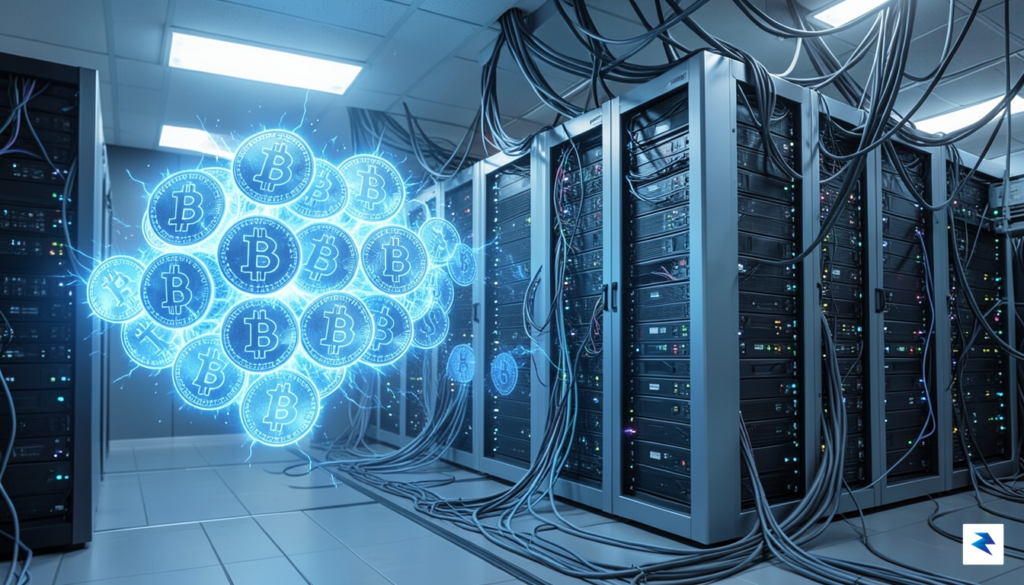
The pivot toward AI infrastructure is rooted in a fundamental change in the capital expenditure cycle. While Bitcoin offers the potential for passive appreciation, it does not generate operational cash flow or solve the immediate, supply-side bottlenecks currently plaguing the tech industry. Today, the demand for high-end server space and specialized GPU capacity far outpaces the global supply. Companies that own the physical “picks and shovels” of the AI revolution—data centers, specialized cooling systems, and high-density power grids—are positioning themselves to capture immediate, scalable revenue from the giants of Silicon Valley. By moving capital out of speculative assets and into the tangible bedrock of the digital economy, firms are effectively transforming their balance sheets from passive portfolios into active, revenue-generating engines.
The transition from digital store-of-value assets to tangible computing infrastructure represents a fundamental pivot from speculative hedging toward industrial utility in the AI age.
This shift also highlights a pragmatic reassessment of long-term strategic goals. Holding Bitcoin requires a degree of patience that assumes the asset will continue to serve as a primary hedge against fiat instability. Conversely, investing in AI infrastructure addresses the most pressing crisis in the modern tech landscape: the scarcity of compute. When a company like Empery Digital chooses to liquidate half its stack, they are making a bet on the immediate necessity of physical power over the potential upside of a market-dependent digital asset. This is a move toward institutional durability, where the company’s value is increasingly tied to the physical hardware that powers the next decade of software innovation rather than the volatile price swings of the cryptocurrency market. Ultimately, this trend suggests that in the race to define the future of technology, physical capacity is becoming the most sought-after currency of all.
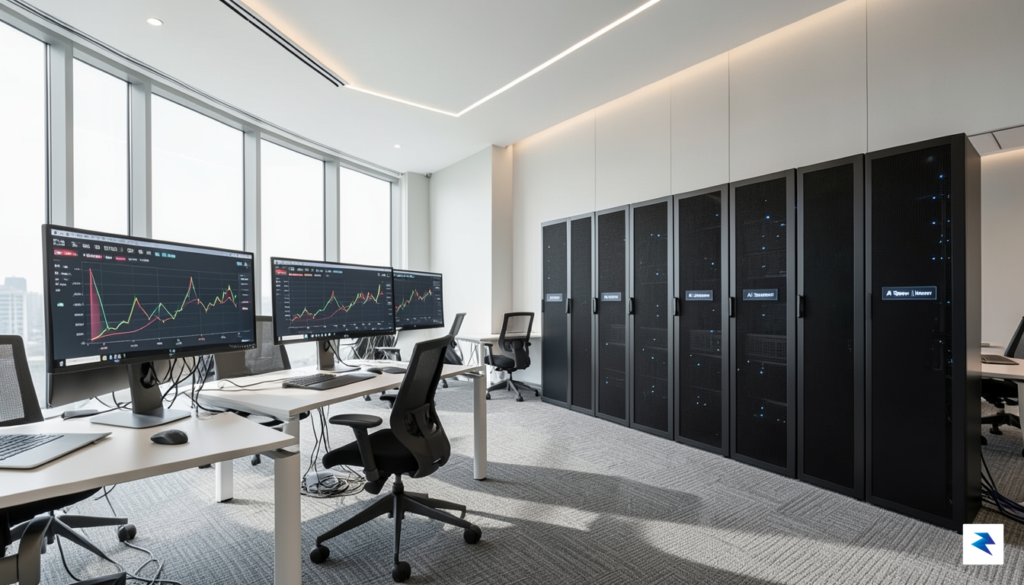
For years, Empery Digital stood as a vocal champion of the “Bitcoin-standard” treasury model, operating under the conviction that holding the flagship cryptocurrency was the ultimate hedge against monetary debasement and a prerequisite for modern corporate balance sheets. This unwavering commitment defined their brand identity, positioning them as a pioneer in the transition toward decentralized finance assets. However, the rapidly evolving technological landscape has forced a pragmatic reassessment of this strategy. By liquidating nearly half of their Bitcoin holdings, the firm is signaling that loyalty to a singular asset class must eventually yield to the demands of operational evolution. This decision is not a rejection of Bitcoin’s long-term value, but rather a calculated recognition that the company’s capital could be more effectively deployed to secure a foothold in the explosive growth of artificial intelligence.

The primary catalyst for this shift lies in the urgent, capital-intensive requirements of the AI sector, specifically regarding infrastructure. While Bitcoin serves as a passive store of value, the current market climate demands active investment in physical assets like high-density data centers and specialized computing clusters to remain competitive. Empery Digital found itself at a crossroads where the liquidity trapped in their crypto-treasury could have remained stagnant, or it could be unlocked to fund the massive real estate and hardware acquisitions required for AI infrastructure. By converting their digital stack into liquid currency, they have gained the immediate financial agility necessary to acquire data center capacity during a period where demand for such infrastructure is drastically outpacing supply.
The pivot from a pure-play treasury model to an infrastructure-heavy operation reflects a broader corporate trend: shifting from passive asset holding to active participation in the AI-driven industrial revolution.
This move highlights a sophisticated long-term vision that prioritizes utility over sentimentality. While Bitcoin remains a cornerstone of their remaining portfolio, the company has clearly determined that the immediate utility of AI—which is currently seeing unprecedented levels of institutional investment—offers a higher potential for revenue generation and operational growth. The decision reflects a transition from “HODLing” to “building,” where the capital gains realized from their crypto early-adoption are now being funneled into the backbone of the next technological era. Ultimately, Empery Digital is betting that by controlling the physical infrastructure that powers AI, they can generate more sustainable value for shareholders than by relying solely on the price appreciation of a digital asset alone.

When a corporation of Empery Digital’s stature initiates a substantial divestment from its Bitcoin treasury, the shockwaves are felt far beyond its own balance sheet. Markets operate on a delicate equilibrium of sentiment and liquidity, and a large-scale liquidation acts as a high-velocity catalyst that forces other institutional holders to re-evaluate their own positions. For investors, the concern is rarely limited to the immediate price volatility caused by selling pressure; rather, it centers on the psychological shift regarding Bitcoin’s role as a corporate reserve asset. When a firm that once championed the “Bitcoin-first” narrative pivots toward infrastructure-heavy investments, it inevitably invites speculation about the long-term utility of digital gold in an environment where capital efficiency is increasingly prioritized over speculative store-of-value assets.
The core of this transition lies in the escalating opportunity cost of sitting on dormant capital. In the current economic cycle, the relentless demand for AI-related hardware—such as high-performance GPUs, specialized data centers, and power infrastructure—offers a tangible, revenue-generating alternative to holding digital assets. By liquidating half of its stack, Empery Digital is effectively making a calculated bet that the compounding returns from AI utility will dwarf the potential appreciation of Bitcoin over the next several years. This decision forces a broader industry conversation: Is Bitcoin still the ultimate hedge for a company, or is it merely a liquid reserve to be tapped when more “productive” technological opportunities arise?

The shift from passive reserve holding to aggressive infrastructure investment signals that the corporate “digital gold” era may be entering a phase of maturation, where utility begins to command a higher premium than pure scarcity.
Furthermore, this divestment could signal a burgeoning trend of institutional reallocation. If other firms view Empery Digital’s move as a successful blueprint for funding their own AI transitions, we may see a wave of treasury rebalancing across the tech sector. This does not necessarily spell disaster for Bitcoin’s price, but it does signify a fundamental shift in the investor base. We are moving away from an era where Bitcoin was the primary corporate treasury asset and into one where it is treated as a strategic, liquid reserve that can be deployed to capture emerging technological trends. Investors should monitor whether this liquidation is an isolated strategic pivot or the beginning of a larger rotation out of digital assets and into the physical building blocks of the AI revolution.
Ultimately, the market impact of such a liquidation depends on the resilience of the ecosystem’s liquidity. While the immediate sale creates a temporary supply-side pressure, the long-term implications are tied to how the broader market perceives this change in identity. If institutional players continue to treat Bitcoin as a “sell-to-fund” mechanism, its correlation with traditional tech-sector growth may increase, potentially stripping away some of its perceived status as an uncorrelated hedge. Investors must remain vigilant, as the transition from digital gold to AI utility represents a profound change in how corporate treasuries intend to allocate capital in the decade ahead.
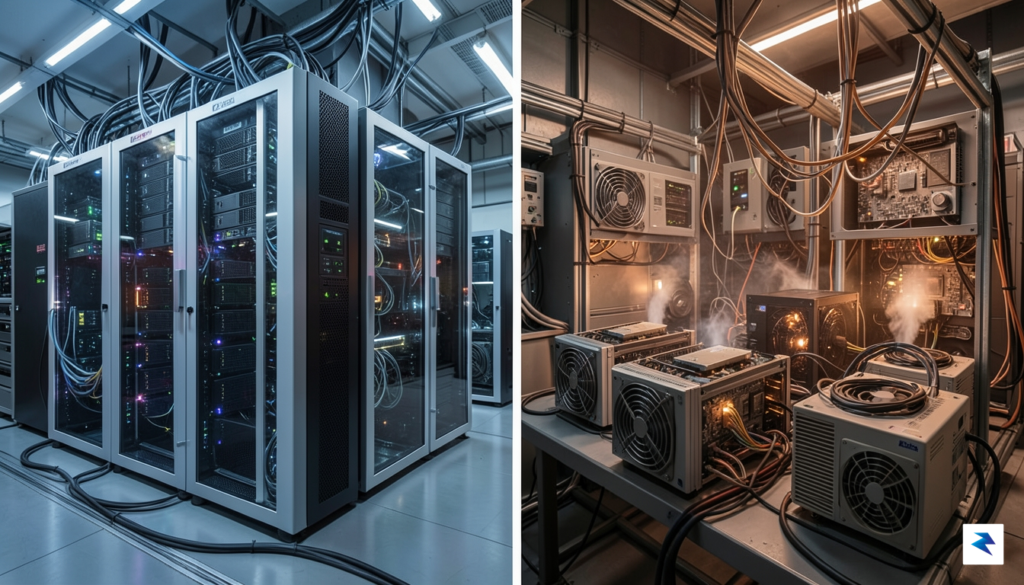
At first glance, the transition from proof-of-work mining to high-performance computing (HPC) might seem like a pivot toward an entirely different industry. However, from an engineering and operational standpoint, the two sectors share a remarkably similar DNA. Both Bitcoin mining facilities and artificial intelligence data centers are fundamentally intensive infrastructure projects centered on massive power consumption, sophisticated heat management, and high-density hardware deployment. For companies like Empery Digital, moving toward AI-as-a-service is not a abandonment of their technical roots, but rather an evolution that leverages the massive electrical entitlements and physical footprints they have already secured.
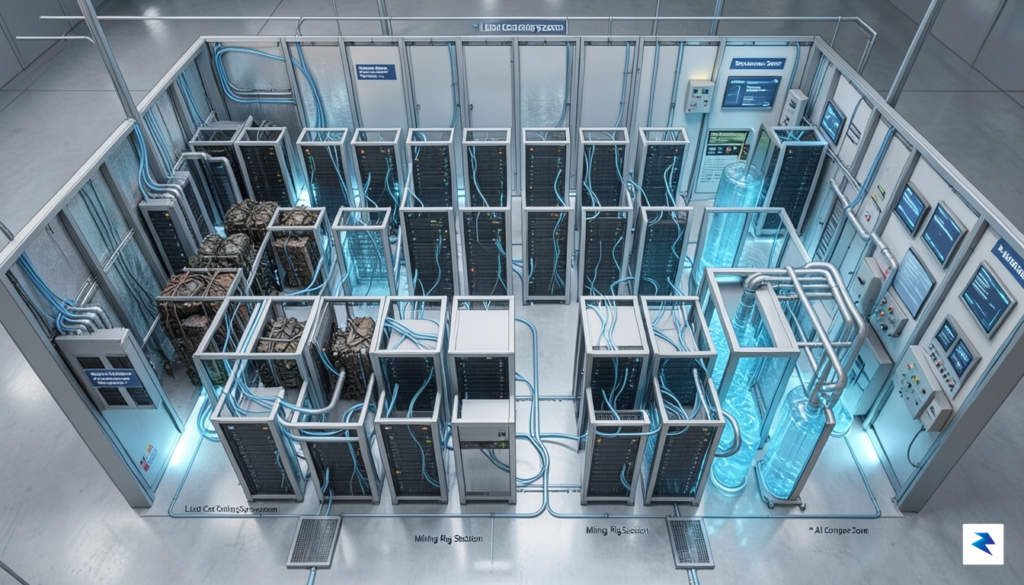
The economic logic driving this shift is rooted in the “power-first” economy. In many regions, grid capacity has become a critical bottleneck for any high-compute application. Mining firms have spent years negotiating complex power purchase agreements (PPAs) and building out electrical substations capable of handling hundreds of megawatts. By repurposing these sites, companies can bypass the years-long lead times required to secure new utility connections. The infrastructure—ranging from industrial-grade transformers to high-voltage distribution switchgear—is often perfectly suited for the GPU clusters required by modern AI models, allowing firms to transition from a single-revenue-stream model to a diversified compute-hosting business.
The true value of a mining company in the current market is no longer just the hash rate it produces, but the stranded power capacity it controls and the modular physical space it has engineered for thermal efficiency.
Furthermore, the physical requirements of modern AI hardware, specifically high-end GPUs, are pushing data centers toward liquid cooling solutions. This is an area where the mining industry has already conducted extensive real-world testing. Having refined immersion cooling and advanced airflow management to keep ASICs running at peak performance, mining companies are uniquely positioned to house the sensitive, heat-generating AI hardware that traditional data centers struggle to cool. This expertise creates a significant competitive advantage, effectively lowering the barrier to entry for firms looking to pivot their treasury holdings into hardware-based infrastructure.
Ultimately, this strategic shift offers a more sustainable path for long-term treasury growth. While Bitcoin remains a volatile, high-reward asset, the demand for AI compute is currently inelastic and rapidly expanding. By pivoting to AI-as-a-service, companies can generate recurring, contract-based revenue that stabilizes their balance sheets regardless of market cycles. This dual-track approach—maintaining a core BTC treasury while operating infrastructure that supports the global AI boom—represents a sophisticated evolution in digital asset management. It transforms mining companies from simple participants in the crypto ecosystem into foundational players in the broader technological landscape.

The decision by Empery Digital to divest a significant portion of its Bitcoin holdings marks a pivotal moment in the ongoing evolution of corporate treasury strategies. For years, the narrative surrounding Bitcoin as a “digital gold” reserve asset has been the gold standard for tech-forward firms looking to hedge against fiat currency devaluation. However, as the digital economy matures, we are witnessing a fundamental shift in how corporations view their balance sheets. The focus is moving away from passive, store-of-value assets and toward active, utility-driven infrastructure—specifically the high-stakes world of artificial intelligence and compute power.
This transition does not necessarily signal the end of the Bitcoin treasury era, but rather its maturation into a more nuanced discipline. While Bitcoin remains a powerful tool for long-term capital preservation, firms are increasingly pressured to demonstrate growth that aligns with current technological cycles. The “AI gold rush” has created an environment where capital deployed into hardware, data centers, and specialized software can potentially yield operational returns far superior to the static appreciation of a cryptocurrency. Consequently, the role of Bitcoin is shifting from a primary, all-encompassing reserve asset to a specialized speculative hedge, positioned alongside more predictable, revenue-generating infrastructure investments.
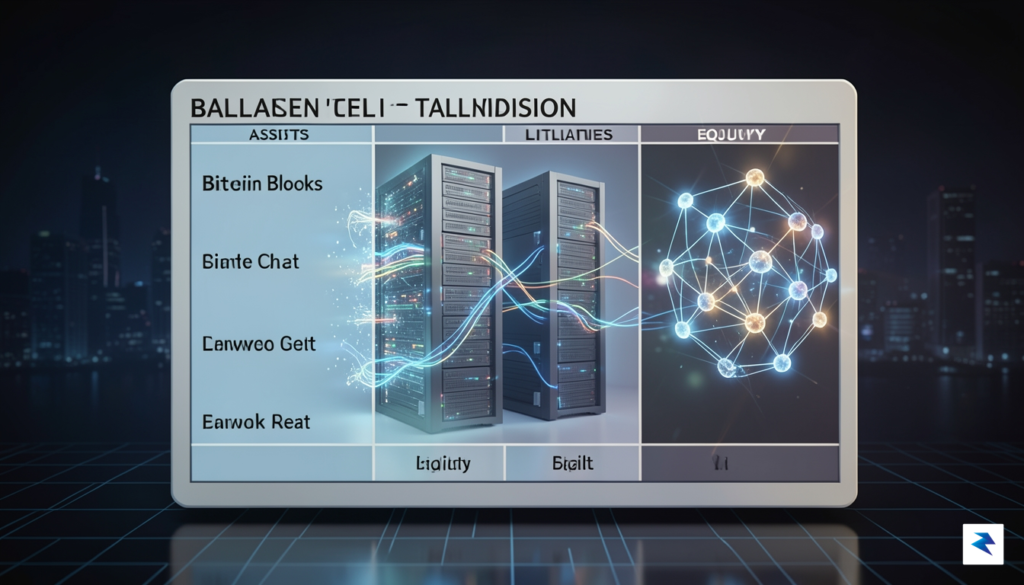
Looking ahead to the next three to five years, we can expect corporate treasuries to become significantly more sophisticated. Rather than betting the entire balance sheet on a single asset class, modern corporations will likely adopt a “barbell” strategy. On one side, companies will maintain a lean, liquid core of Bitcoin to serve as an immutable hedge against monetary inflation. On the other side, they will allocate substantial capital to infrastructure-based revenue streams—such as AI compute leasing or specialized cloud services—that provide the cash flow necessary to fuel ongoing innovation.
The future of the corporate treasury will not be defined by binary choices between gold or code, but by the intelligent balancing of liquid hedges against tangible, infrastructure-driven utility.
Ultimately, the move by firms like Empery Digital underscores the necessity of portfolio diversification for the modern technology-focused corporation. As the digital landscape becomes increasingly volatile, the ability to pivot capital toward emerging utility—without completely abandoning the principles of sound money—will be the defining trait of successful organizations. Diversification is no longer just about mitigating risk; it is about ensuring that a company has the agility to participate in the next wave of technological disruption while maintaining a bedrock of security for their long-term shareholders.
You must be logged in to post a comment.