
Why Companies Are Ending Their Dependence on Proprietary AI APIs
The Shift Toward Open Source AI Sovereignty For the past two years, the corporate world has been locked in a gold rush, treating generative AI…
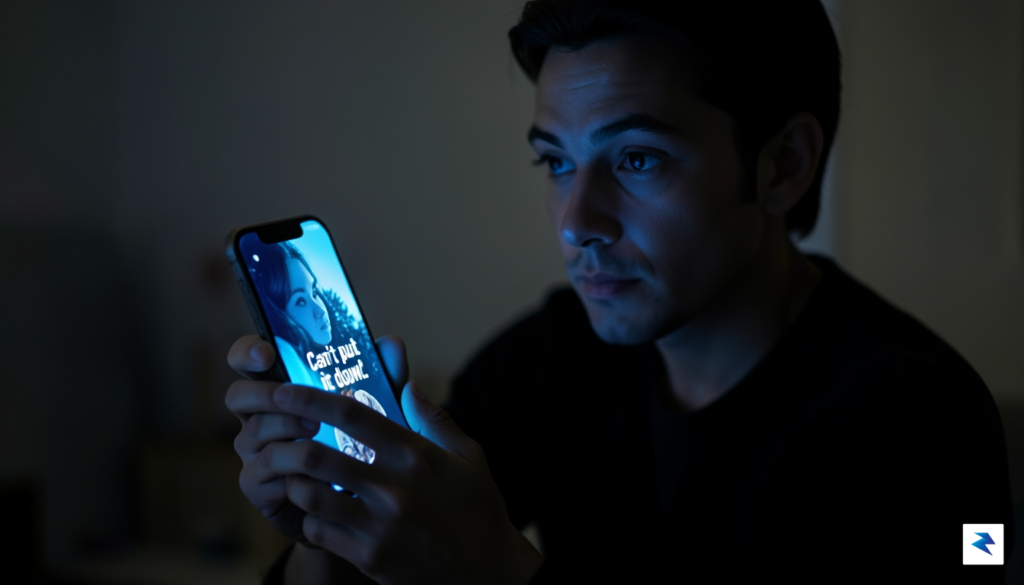
We live in an age where the digital world constantly vies for our attention, a relentless barrage of pings, likes, and breaking news alerts that follow us from the moment we wake until we finally collapse into bed. This pervasive “always-on” culture, fueled by the devices in our pockets, has blurred the lines between work and leisure, connection and distraction, leaving many of us feeling perpetually tethered and utterly exhausted. The promise of instant access and boundless information has paradoxically led to a sense of overwhelm, as our minds struggle to process the sheer volume of data and demands presented by our screens. It’s a subtle but profound shift that has redefined our relationship with time, presence, and even ourselves.
Smartphones, particularly sophisticated devices like the iPhone, are meticulously engineered not just for utility, but to capture and sustain our attention with astonishing efficiency. Every push notification, every infinite scroll feed, and every subtly gamified interaction is designed by highly paid experts leveraging behavioral psychology to maximize engagement. These devices transform into sophisticated slot machines, offering intermittent rewards that compel us to keep checking, ensuring we remain hooked by the anticipation of the next digital hit. This deliberate design, while brilliant from a business perspective, often leaves users feeling manipulated and unable to disengage, caught in a cycle of compulsive checking that erodes productivity and peace of mind.
Against this backdrop of incessant digital noise, a powerful counter-movement is quietly gaining momentum: the pursuit of digital intentionality and minimalism. This isn’t about rejecting technology outright, but rather about reclaiming agency over our digital lives, making conscious choices about when, why, and how we engage with our devices. It’s a deliberate pivot from passive consumption to active curation, where users seek to strip away the unnecessary distractions to focus only on what truly adds value to their lives. The goal is to foster a healthier relationship with technology, one built on purpose rather than compulsion, allowing us to be present and focused without constant digital interruptions.
For many, the very sophistication of devices like the iPhone, despite their incredible capabilities, has become a source of profound frustration. What began as a tool for communication and productivity often morphs into a portal for endless distraction, a constant siren call to check emails, scroll social feeds, or browse impulsive purchases. The sheer volume of apps and notifications creates decision fatigue, forcing us to constantly triage digital inputs, while the pressure to maintain an online persona can exacerbate feelings of anxiety and inadequacy. This isn’t merely nostalgia for simpler times; it’s a calculated response to the burnout and mental exhaustion induced by devices designed to be perpetually engaging, revealing a deep desire to break free from the digital shackles and regain a sense of presence in the real world.
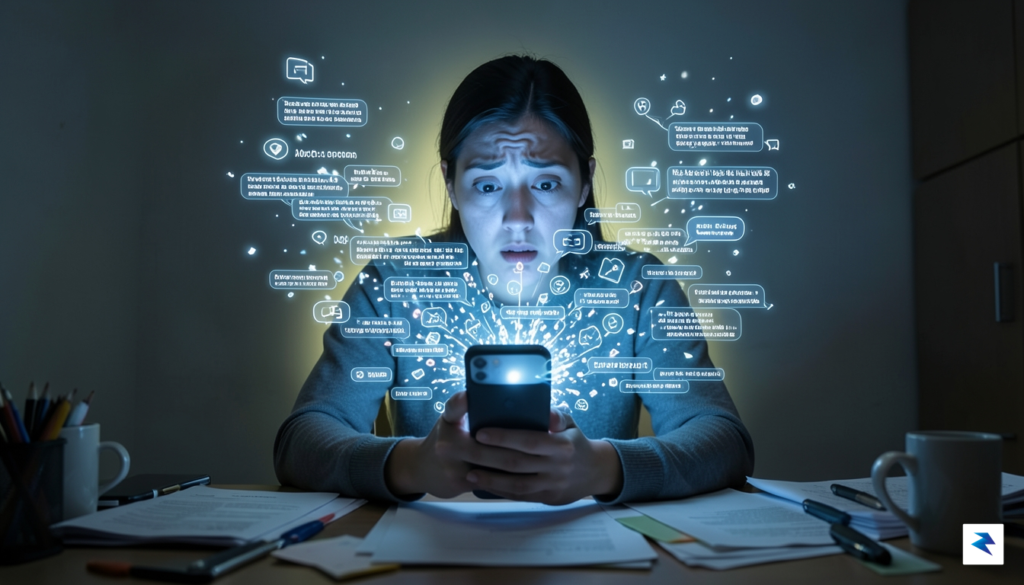
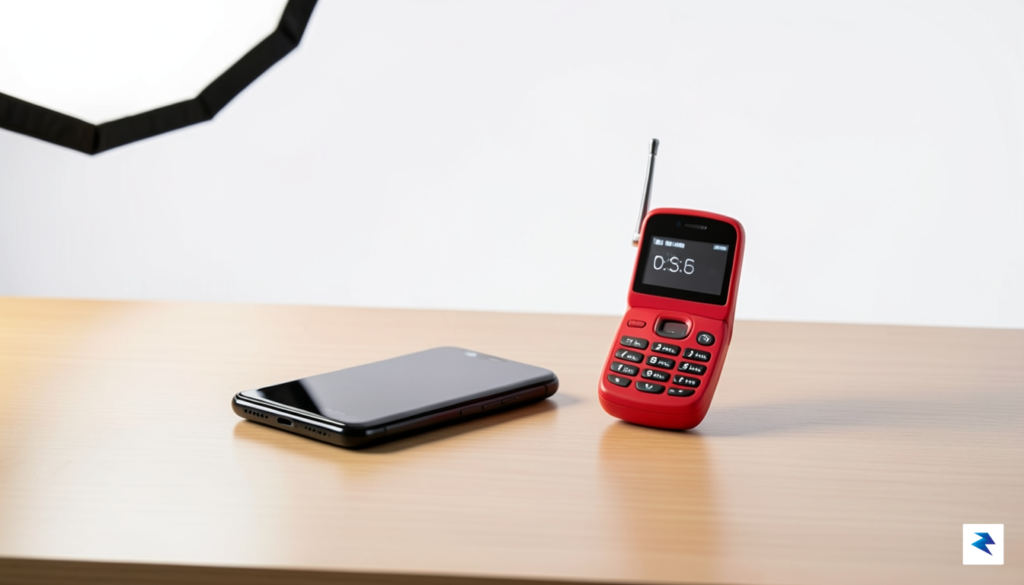
At the heart of the Dumb Co philosophy lies a sophisticated technical workaround designed to reclaim our attention spans without completely severing our ties to the modern world. Rather than forcing users to revert to the archaic limitations of 2G technology or dead-end cellular protocols, these devices utilize a clever bridging mechanism. By leveraging a secondary interface that syncs with your primary smartphone’s SIM credentials or cloud-based messaging services, the flip phone essentially acts as a filtered peripheral. This allows you to keep your main number active for critical professional or personal communications while offloading the heavy lifting of data-hungry apps—like social media feeds and infinite-scroll browsers—to a device that simply cannot run them.
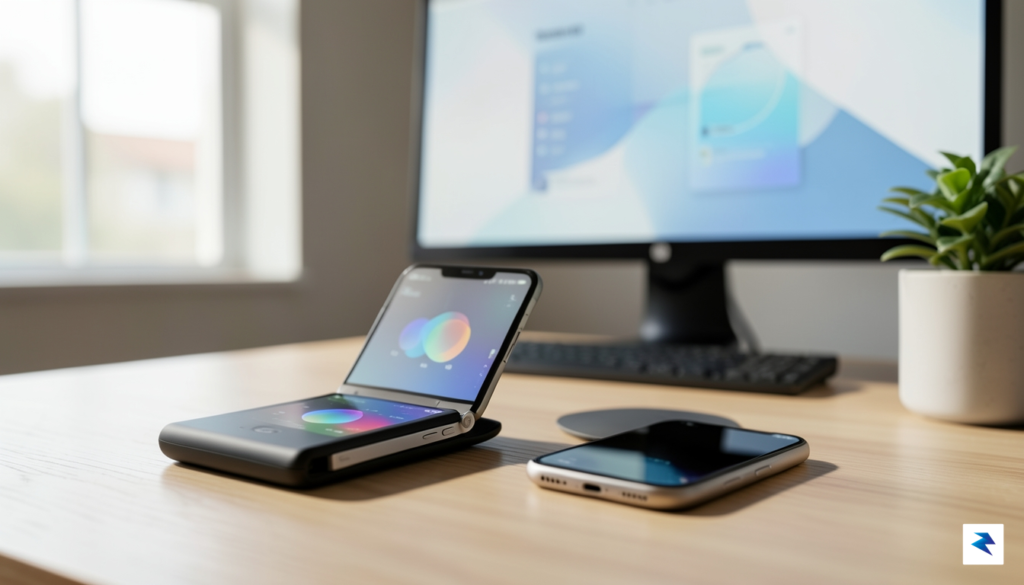
The brilliance of this setup is found in its deliberate friction. When you receive a text, the message is routed to the flip phone via an encrypted bridge, ensuring you stay reachable for urgent matters. However, because the hardware lacks a high-resolution touchscreen and the processing power required for modern app ecosystems, the impulse to “check just one more thing” is physically thwarted. The phone effectively strips away the graphical user interface traps that designers use to keep us scrolling. You are left with the utility of a communication tool stripped of the distraction of a content consumption portal, creating a necessary buffer between your brain and the digital noise.
The most powerful feature of a restricted device is not what it can do, but precisely what it refuses to allow. By limiting functionality, we aren’t losing capability; we are gaining focus.
Beyond the software bridge, the hardware quality of these modern flip phones is a surprising departure from the flimsy plastic toys of the early 2000s. These devices are constructed with tactile, satisfying keypads and robust hinges that feel built to last, emphasizing a physical engagement that glass-slab smartphones lack. Because the power requirements are minimal, the battery life is staggering, often lasting several days on a single charge. This creates a sustainable loop of connectivity: you remain accessible to the people who actually need you, but the hardware demands that you interact with it intentionally rather than habitually, bridging the gap between being reachable and being constantly tethered to the infinite digital void.

The first forty-eight hours of this experiment were defined by a persistent, almost visceral sensation of phantom vibrations. My thigh felt the rhythmic buzzing of notifications that simply weren’t there, a lingering neurological reflex to a device that had been surgically removed from my palm. Without the infinite scroll of my usual apps to soothe my boredom, I found myself standing in checkout lines or waiting for the bus with my hands hovering awkwardly in my pockets, unsure of what to do with my focus. However, as the initial anxiety began to wane, the void was quietly filled by the forgotten habit of reading. I traded my frantic refreshing of headlines for a dusty paperback, finding that my attention span—previously shattered into tiny, jagged pieces—began to knit itself back together in the quiet presence of prose.

The logistical hurdles, however, were immediate and grounding. Without a GPS tucked into my pocket, I was forced to navigate the city using my eyes and my intuition, which occasionally resulted in taking the scenic route to appointments. The absence of instant digital payments meant I had to revert to carrying physical cash and cards, a tactile reminder of the actual value of a transaction that is often lost in the frictionless world of contactless tapping. These minor inconveniences acted as a forced deceleration of my day; I could no longer optimize my errands to the second, which meant I had to accept the inherent unpredictability of being physically present in the world. It was a frustrating shift at first, but it ultimately taught me to plan my movements with more intention rather than relying on a software crutch to save me from poor preparation.
The most profound realization was not about what I lost, but what I regained: the ability to exist in a space without being constantly reachable by the entire world.
Socially, the impact was both liberating and isolating. Because I wasn’t constantly available to answer texts or react to social media updates, my friends and family eventually stopped expecting a rapid-fire response. This created a strange, quiet bubble around my personal life, where conversations occurred only when I was physically seated with someone or engaged in a deliberate phone call. There is a specific kind of freedom that comes with being unreachable, a state of grace where the demands of the digital collective are silenced. While I occasionally felt the pang of missing out on a group chat or an urgent email, I realized that very little of what I was missing actually required my immediate attention. By the end of the week, I had discovered that silence isn’t an absence of connection, but rather a necessary prerequisite for deeper, more meaningful human interaction.

When I first powered down my smartphone and tucked it into a drawer, the most immediate sensation was a phantom vibration—a neurological itch born from years of constant digital tethering. However, as the days progressed, this restless urge began to subside, replaced by a profound sense of mental reclamation. Cognitive scientists have long noted that our modern devices function as “attention sinks,” constantly fracturing our focus through a barrage of notifications, pings, and infinite-scroll interfaces. By stripping away these hyper-stimulating inputs, I found that my ability to sustain concentration on a single task—whether reading a long-form book or simply thinking through a complex problem—began to mend. This restoration of attention span is not merely a lifestyle improvement; it is a fundamental recalibration of the brain’s ability to engage in deep work.
Beyond the restoration of focus, the reduction in baseline anxiety levels was perhaps the most unexpected benefit of this experiment. In a state of perpetual connectivity, the brain operates in a constant state of “scanning”—a low-grade fight-or-flight response triggered by the potential for an incoming message or the social pressure of an unread notification. By utilizing a device with no social media integration and no browser, I effectively silenced this background hum of stress. As Cal Newport argues in his seminal work on digital minimalism, we often mistake convenience for quality of life; by intentionally limiting our technological intake, we reclaim the mental bandwidth required to process our own thoughts rather than being perpetually reactive to the thoughts of others.

Perhaps most importantly, this disconnect forced me to confront the often-dreaded state of boredom. In our current landscape, boredom is treated as an ailment to be cured by the next swipe or tap, yet it is actually the primary soil in which creativity takes root. When I was no longer able to reach for my phone in a grocery store line or during a quiet moment of transit, my brain was forced to wander inward. This wandering—often called “default mode network” activity—is essential for problem-solving, emotional regulation, and original thought. Without the constant pacifier of digital content, I found myself observing my surroundings with renewed clarity, fostering a level of introspection that simply cannot exist when one is glued to a high-definition display.
True digital minimalism is not about the rejection of technology itself, but about the intentional removal of the tools that distract us from our core values. By curating our digital environment, we gain the capacity to invest our limited attention into the things that actually matter.
Ultimately, trading a sophisticated smartphone for a rudimentary flip phone acts as a forced intervention in our relationship with modern convenience. It serves as a stark reminder that while we have built machines capable of connecting us to the entire world, we have also built machines that disconnect us from ourselves. By reclaiming these moments of silence and solitude, we do not just save time; we save the integrity of our own cognitive processes. The goal is not to live in the past, but to leverage a deliberate, strategic disconnection to ensure that we are the ones controlling our technology, rather than allowing our technology to control the architecture of our minds.
Whether the shift toward simplified mobile technology represents a permanent cultural recalibration or merely a temporary rebellion against the attention economy remains an open question. For many, the practical reality of living with a hybrid setup—carrying a smartphone for essential utility while relying on a secondary, restricted device for daily communication—is undeniably cumbersome. The friction of managing two separate ecosystems, syncing contacts, and navigating the limitations of legacy hardware often proves too high for the average user to maintain indefinitely. However, the true metric of sustainability lies not in the hardware itself, but in the measurable improvement of mental well-being that users report when they successfully reclaim their focus from the relentless barrage of push notifications and algorithmic feeds.
When we weigh the financial cost of purchasing a secondary device against the intangible benefit of improved cognitive clarity, the value proposition begins to shift. While buying a dedicated flip phone or a “dumbed-down” handset requires an upfront investment, many argue that the price of reclaiming one’s time and emotional bandwidth is a bargain. This trend is less about rejecting technology entirely and more about exercising agency over how that technology interacts with our personal lives. If the current spike in interest is any indication, a growing segment of the population is willing to trade the convenience of an “all-in-one” supercomputer for the intentional, quiet reliability of a device that doesn’t demand constant engagement.
The most sustainable version of this trend likely isn’t a return to plastic flip phones, but a software-level evolution where our existing devices learn to respect our boundaries.
Looking toward the horizon, it is increasingly plausible that mainstream tech giants will eventually integrate these “dumb” functionalities directly into their primary operating systems. We are already seeing the early stages of this with granular “Focus” modes, grayscale display options, and sophisticated notification filters that mimic the behavior of minimal devices. Rather than forcing users to carry two handsets, Apple or Google could bake “Digital Detox” modes into the core of their software, allowing a phone to effectively transform into a basic communication tool with a single toggle. By adopting these features, the industry could mitigate the growing consumer backlash against screen addiction while retaining their hold on the market.
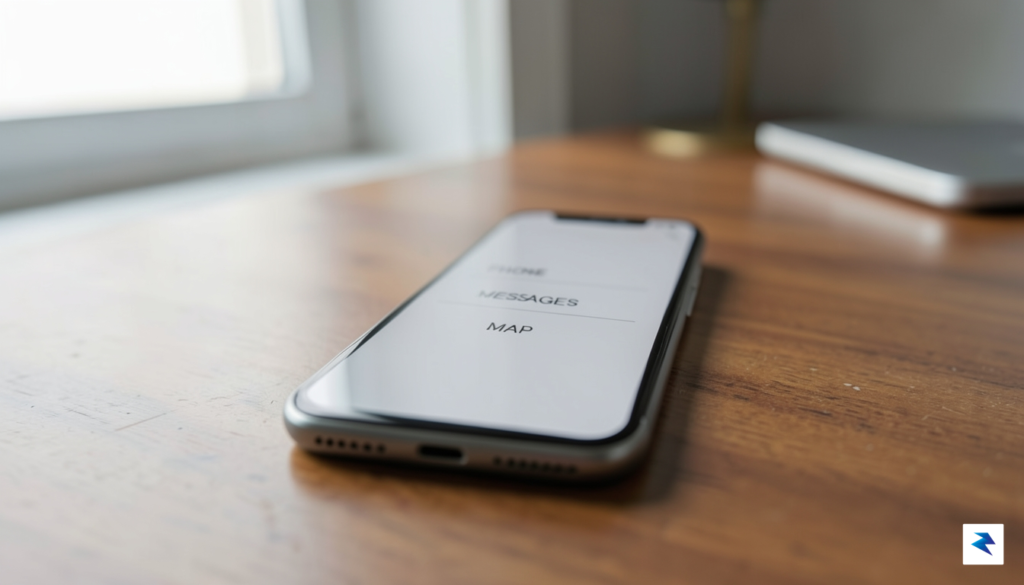
Ultimately, the long-term success of this movement will depend on whether manufacturers prioritize user autonomy over engagement metrics. If the industry continues to push for deeper integration and more intrusive data capture, the “dumb phone” movement will likely evolve from a niche hobby into a sustained, defiant consumer culture. Conversely, if tech leaders learn to embrace the philosophy of intentional computing, we may find that the flip phone trend wasn’t a fad at all, but the catalyst for a much-needed redesign of our digital lives.
You must be logged in to post a comment.