
The Late Bronze Age Collapse: Why Ancient Empires Failed
The Complexity of the Late Bronze Age Collapse The period known as the Late Bronze Age, roughly spanning from 1600 to 1200 BCE, represents a…
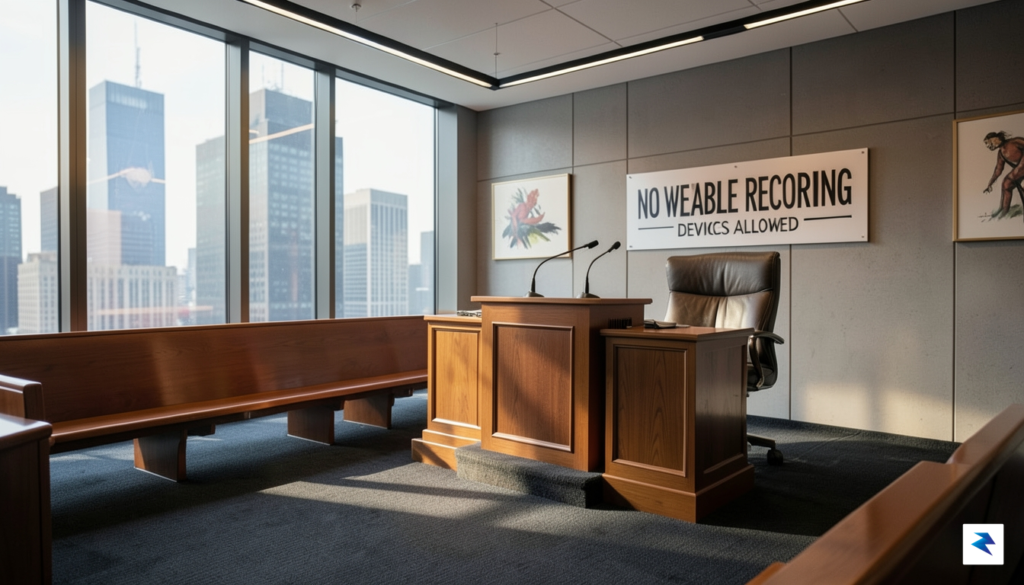
Beginning July 20, the New York State judicial system is set to initiate a rigorous new policy that strictly prohibits the use of smart glasses within the premises of its 1,240 courthouses. This sweeping mandate represents a decisive pivot in how the state manages emerging wearable technology, aiming to preserve the sanctity and privacy of legal proceedings. By encompassing every state-run court facility, the administration is establishing a uniform standard that leaves little room for ambiguity, ensuring that regardless of the jurisdiction or the specific nature of a case, the rules governing digital recording equipment remain consistent across the board.
The primary target of this directive is any wearable eyewear equipped with integrated cameras or recording capabilities, most notably popular models like the Meta Ray-Bans. While these devices are increasingly common in daily life for capturing spontaneous footage or streaming content, the judicial system views their presence as a significant liability. Because these glasses can record high-definition video and audio with a simple touch or voice command, they pose a unique challenge to the traditional “no-recording” environment that courts have historically maintained. By banning them outright, the state aims to mitigate the risk of unauthorized documentation of sensitive testimonies, private deliberations, and restricted trial materials.
The implementation of this ban signifies a proactive effort by the judiciary to adapt to the rapid evolution of consumer technology, prioritizing courtroom security over the convenience of wearable gadgets.
To understand the magnitude of this change, it is helpful to contrast the new mandate with existing regulations regarding standard electronic devices. While visitors are generally permitted to bring smartphones into many court facilities, the use of those devices for photography, video, or audio recording is strictly prohibited and heavily monitored by court officers. Unlike a smartphone, which is visibly handled and easily identified, smart glasses offer a stealthy method of recording that circumvents traditional security checkpoints. Whereas a judge can easily spot someone pulling out a camera or phone, smart glasses remain worn on the face, making it nearly impossible for staff to distinguish between a functional piece of eyewear and a surreptitious recording device.
Ultimately, this policy update serves as a necessary evolution for the legal system to uphold the integrity of the judicial process. By drawing a firm line against unobtrusive recording technology, New York is ensuring that courtroom participants—including victims, witnesses, and legal professionals—can operate without the fear of being covertly filmed. For those planning to visit any of the 1,240 covered facilities, it is essential to prepare for these restrictions, as non-compliance may result in the confiscation of the devices or a denial of access to the building altogether.
The primary concern driving this sweeping prohibition lies in the fundamental difference between traditional smartphones and emerging wearable technology. While a smartphone must be physically held or positioned to capture audio or video, smart glasses are designed to be worn as an extension of the user’s own perspective. This “always-on” aesthetic creates a significant burden for court security personnel, who can no longer rely on visual cues to determine if a device is capturing sensitive proceedings. Because these frames are engineered to mimic everyday fashion, the line between a standard optical aid and a sophisticated surveillance tool has effectively vanished, leaving bailiffs and judges with no reliable way to verify compliance with courtroom decorum.
Beyond the logistical difficulty of enforcement, the psychological impact on those within the courtroom cannot be overstated. Witnesses, victims, and jurors carry a reasonable expectation of privacy when they enter the judicial system, often sharing deeply personal or traumatic testimony under the assumption that their words are confined to the room. When an individual wears recording-enabled eyewear, they potentially compromise the integrity of these proceedings by creating an unauthorized digital trail. The presence of such technology can exert a chilling effect on participants, who may hesitate to speak freely or provide honest testimony if they fear that their image or sensitive statements could be broadcast globally or stored indefinitely on a private server.
The courtroom serves as a sanctuary for truth-seeking; the introduction of covert, wearable recording devices threatens to undermine the sanctity of that environment by eroding the privacy rights of every person present.
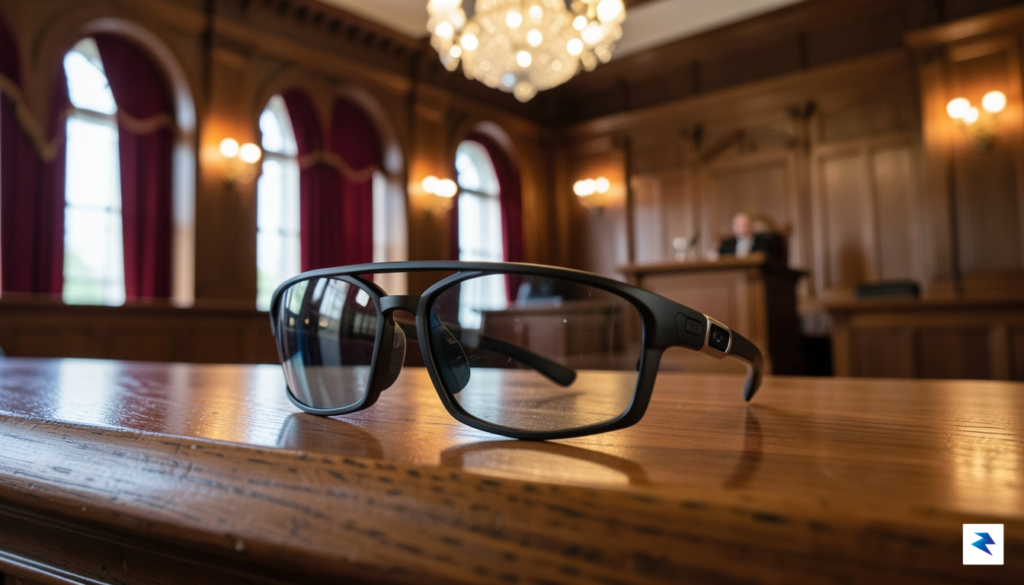
Furthermore, the discreet nature of these devices fundamentally shifts the power dynamic within the judicial process. Unlike a camera crew or a reporter with a professional setup, a wearer of smart glasses can record surreptitiously without drawing any unwanted attention from the gallery or the bench. This lack of transparency makes it nearly impossible to police the dissemination of confidential case information, such as evidence that has not been made public or the identities of protected witnesses. By banning these devices across 1,240 courts, New York is prioritizing the protection of the judicial record and the safety of all participants over the convenience of modern connectivity, acknowledging that some spaces require a total moratorium on digital capture to ensure justice is served fairly.

The sudden prohibition of smart glasses across New York’s judicial facilities marks a significant pivot in how legal professionals and members of the press manage their workflows. For attorneys who have integrated wearable technology into their daily practice to facilitate hands-free documentation, real-time research, or discrete transcription, this mandate necessitates an immediate overhaul of their operational habits. By treating smart eyewear with the same level of scrutiny as traditional cameras and recording devices, the court system is essentially forcing a regression to analog methods. Legal teams must now ensure that any hardware brought into the courtroom strictly adheres to the definitions of “non-smart” accessories, which inherently slows down the lightning-fast pace of modern litigation where every second spent manually capturing information can impact the quality of a case summary or client update.
Journalists, who have increasingly relied on advanced wearables to capture candid observations or dictate notes without drawing the attention that a bulky laptop or smartphone might attract, face an even steeper challenge. The directive creates a precarious situation at security checkpoints, where court officers are now tasked with the often-subjective responsibility of distinguishing between standard prescription frames and sophisticated, camera-equipped smart devices. This uncertainty threatens to create bottlenecks at building entrances, as security personnel may be forced to conduct more thorough inspections of personal belongings, potentially delaying entry for those on tight deadlines. Furthermore, the confusion surrounding what constitutes “prohibited technology” could lead to inconsistent enforcement, leaving professionals unsure of whether their equipment will be confiscated or if they will be barred from entering the courtroom entirely.
The enforcement of this policy serves as a reminder that the judicial system prioritizes the absolute sanctity of the courtroom record over the convenience of modern technological integration.
Ultimately, this shift represents a return to traditional note-taking and court-approved recording methods, effectively putting a cap on the “digitization” of the courtroom experience. Attorneys and reporters must now recalibrate their reliance on instantaneous digital logging, reverting to notebooks, pens, or standard tablets that have been explicitly cleared for use. While this move is intended to preserve the integrity of judicial proceedings by preventing unauthorized photography or audio surveillance, it also isolates the courtroom as one of the few remaining professional environments where the latest productivity tools are strictly unwelcome. As the legal community adapts, the focus will likely shift toward finding compliant alternatives that offer similar efficiency without crossing the line into prohibited smart functionality.

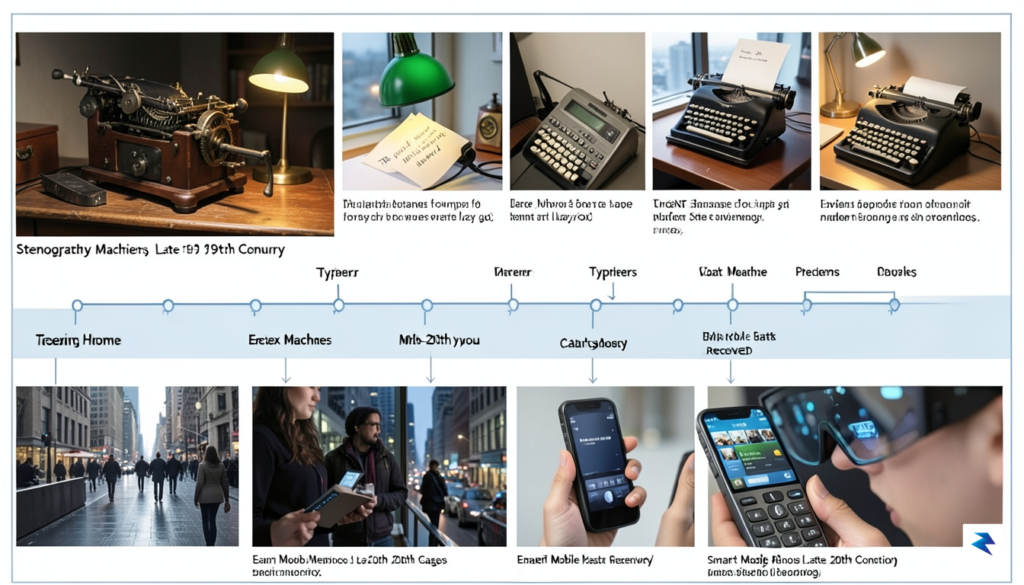
The tension between maintaining the solemnity of the judicial process and embracing the rapid pace of technological innovation is a struggle as old as the courtroom itself. Historically, the legal system has often viewed emerging tools with skepticism, prioritizing the preservation of decorum and the protection of witness privacy over the convenience of modern gadgets. This cycle of restriction is not unique to wearable electronics; it mirrors the early skepticism faced by pocket-sized tape recorders, which were initially barred to prevent unauthorized broadcasts, and the subsequent friction caused by the introduction of laptops and cellular devices. In each instance, the judiciary was forced to grapple with how a new medium of communication could potentially interfere with the sanctity of a trial or the integrity of evidence.
As these technologies transitioned from luxury items to standard personal accessories, court administrators were eventually forced to refine their policies to accommodate the reality of the modern world. For example, the initial blanket bans on cell phones in many jurisdictions gradually gave way to nuanced rules that allow for silent operation or usage in designated waiting areas, acknowledging that a complete prohibition was no longer practical for the average citizen. This evolution demonstrates that courtroom regulations are rarely static; they are living documents that reflect a constant negotiation between administrative control and the public’s evolving lifestyle. The recent prohibition of smart glasses is simply the latest chapter in this iterative process, as the legal system attempts to define the boundaries of privacy in an era where recording devices are increasingly integrated into everyday attire.
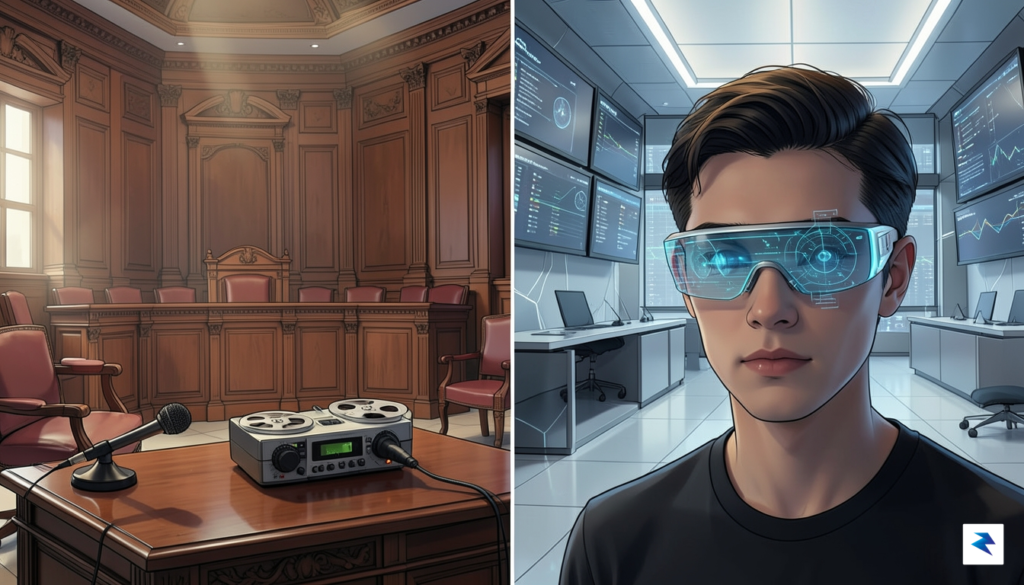
However, there is a distinct difference between the way courts have handled these transitions in the past and the current reactive approach to wearable computing. While previous regulations were often updated to permit technology once it became ubiquitous, the ban on smart glasses currently feels like a defensive measure against a technology that has not yet fully matured. This highlights a shift from “proactive” policy-making—which seeks to integrate technology in a controlled, beneficial manner—toward a more restrictive, “reactive” stance designed to prevent potential disruption before it happens. Whether these rules will follow the historical trajectory of becoming more permissive over time remains to be seen, but the intent is clear: the court is drawing a firm line to protect the integrity of the courtroom floor from the potential of surreptitious data collection.
The challenge for the judiciary is to design policies that are robust enough to protect the sanctity of the trial, yet flexible enough to remain relevant as wearable technology becomes as common as the smartphone.
Ultimately, the legal system must balance the need for transparency with the fundamental right to a fair and private trial. As we move further into the age of ambient computing, the challenge for lawmakers will be to differentiate between the benign use of technology and the invasive potential of advanced eyewear. By looking back at how courts successfully integrated laptops and smartphones, we can see a pathway forward where regulations move beyond simple bans and toward meaningful frameworks for responsible use. Until that level of comfort is reached, however, the courtroom will remain a space where the latest tech must be left at the door.

The sweeping prohibition enacted across New York’s judicial system serves as a bellwether for how the legal sector might approach the inevitable rise of wearable computing. By drawing a firm line against smart eyewear, New York has essentially prioritized the sanctity of the courtroom record over the convenience of modern connectivity. This decision is likely to ripple outward, prompting other jurisdictions to reevaluate their own policies regarding personal electronics. As wearable technology becomes an extension of the user’s smartphone, judges across the country may look to New York’s restrictive framework as a blueprint for maintaining control over sensitive proceedings, fearing that the seamless nature of augmented reality (AR) could compromise the impartiality and privacy of the legal process.

However, this regulatory tension does not necessarily spell the end for innovation within the halls of justice. Instead, it may incentivize the development of courtroom-friendly wearable tech designed to address specific security concerns. We are likely to see a market shift toward devices that prioritize transparency, perhaps incorporating physical, highly visible indicators—such as glowing LEDs or hardware-level shutters—that explicitly signal to observers and court staff when a device is recording or processing data. By integrating these “trust signals” directly into the hardware, developers could potentially bridge the gap between high-tech utility and the strict, non-negotiable requirements of judicial decorum, allowing for a more harmonious coexistence between the tools of the future and the traditions of the past.
The core challenge lies in balancing the undeniable efficiency of augmented reality with the fundamental right to an undisturbed, private legal proceeding.
Ultimately, this development highlights the broader, ongoing friction between the rapid pace of technological advancement and the slow, deliberate nature of judicial tradition. While the legal industry has historically been slow to adopt new digital tools, the ubiquity of smart devices means that courts can no longer remain isolated from these trends. Moving forward, the goal will not be to banish these technologies entirely, but to create a regulatory environment that distinguishes between tools that assist with legal research and those that pose a risk to the integrity of the witness or the jury. Striking this balance will require constant dialogue between technologists, legal professionals, and lawmakers, ensuring that as we move toward an increasingly augmented world, the pillars of justice remain protected from the unintended consequences of digital connectivity.
You must be logged in to post a comment.