TIOBE Index at 25: Rust Breaks Into Top 10 as Python Stays Dominant
A Quarter-Century of Programming Trends When the TIOBE Index first emerged in 2001, the software landscape looked fundamentally different than…
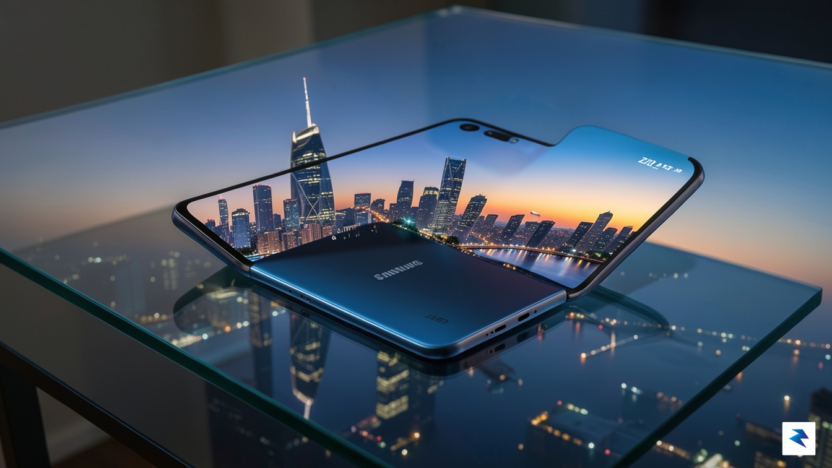
From the moment Samsung unveiled its groundbreaking original Galaxy Fold, the company has unequivocally spearheaded and defined the nascent foldable smartphone category. Each subsequent iteration, from the experimental first model to the refined Galaxy Z Fold 5, has pushed the boundaries of hinge technology, display durability, and software optimization, cementing Samsung’s position as the innovation leader. However, one consistent design choice has, for many users, remained a point of contention: the device’s characteristically tall and narrow cover screen. While initially a necessary compromise given the pioneering technology, this distinctive aspect ratio shaped how users interacted with the device in its closed state, often requiring a mental recalibration for everyday tasks.
The inherent narrowness of the Z Fold’s external display, a byproduct of the complex internal folding mechanism and the desire for a compact form factor when closed, presented a persistent usability challenge. Tasks as fundamental as typing out a quick message or browsing a webpage often felt cramped and less intuitive than on a traditional smartphone. Content frequently appeared truncated, and the overall experience encouraged users to immediately unfold the device for almost any meaningful interaction. Consequently, the promise of a premium smartphone that could also transform into a tablet often felt like a two-step process rather than a seamless transition, as the outer screen struggled to serve as a fully functional, standalone phone experience.
As the foldable market matured, so too did consumer expectations. Users began to demand more than just the novelty of a folding screen; they sought genuine practicality and an uncompromised experience in both folded and unfolded states. This shift in sentiment was notably amplified by the entry of new competitors into the foldable space, such as Google with its Pixel Fold and OnePlus with the Open, both of which launched with significantly wider, more conventional aspect ratios for their cover displays. These devices demonstrated that a foldable could offer an excellent “phone” experience when closed, mirroring the ergonomics and usability of a standard flagship, while still retaining the transformative “tablet” experience when opened. This clear market feedback signaled a strong preference for a versatile outer display that didn’t necessitate constant unfolding.
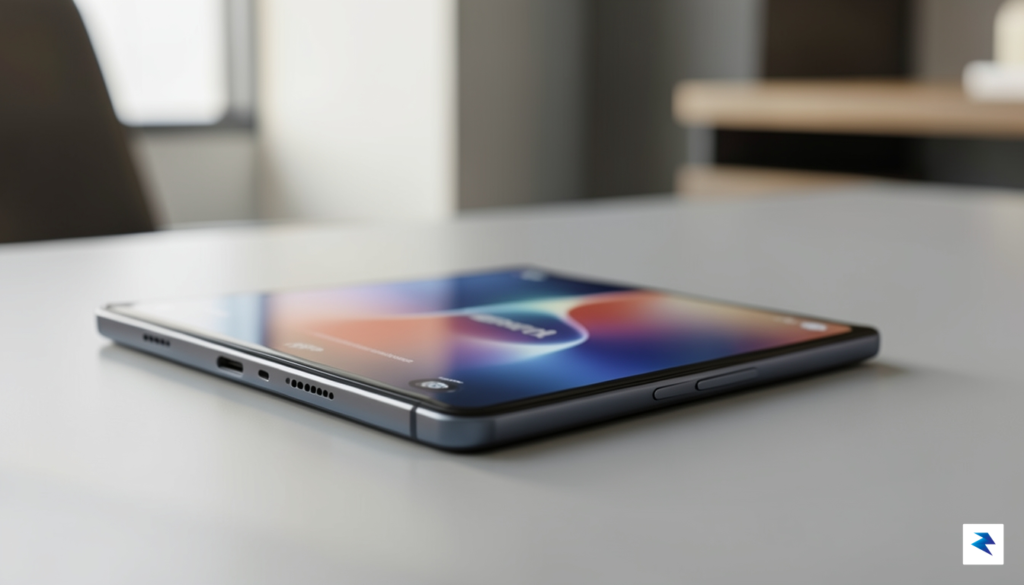
It is against this backdrop of evolving consumer demand and increasing market competition that the rumored “Wide” iteration of the upcoming Galaxy Z Fold series emerges as a truly pivotal moment. This isn’t just another incremental upgrade; it represents a fundamental rethinking of the device’s core user experience, directly addressing years of feedback regarding the cover screen. By adopting a wider aspect ratio for the external display, Samsung aims to solve the long-standing usability issues of previous generations, transforming the device in its folded state into a far more practical and enjoyable smartphone. This strategic design shift promises to deliver a genuinely balanced device that offers an uncompromised, traditional phone experience when closed, alongside its unparalleled tablet capabilities when open, thereby solidifying its position as the ultimate two-in-one mobile device.
The most significant evolution anticipated for the upcoming Z Fold 8 lies squarely in its physical footprint. For generations, the Galaxy Z Fold series, while revolutionary, has presented a distinct characteristic when folded: a tall, narrow profile that often felt like handling two remote controls stacked together. This year, reports suggest Samsung is making a dramatic shift, aiming to redefine the folded experience to more closely resemble a conventional flagship smartphone, thereby addressing one of the most persistent ergonomic critiques. This fundamental change in aspect ratio promises to transform how users interact with the device on a daily basis, making it less of a niche gadget and more of an everyday essential.
Currently, when folded, the Z Fold series typically offers a front display that is quite narrow, making for somewhat cramped typing and content viewing. The rumored Z Fold 8, however, is expected to widen considerably, moving away from the 23.1:9 or similar aspect ratios of previous models. Imagine a device that, when closed, feels much closer to the width of a Galaxy S24 Ultra, rather than a stretched candy bar. This adjustment isn’t merely cosmetic; it directly translates to a more comfortable and familiar grip, enhancing usability for tasks like quick message replies or navigating social media without feeling like you’re squinting at a remote. This strategic recalibration aims to bridge the gap between foldable innovation and mainstream smartphone ergonomics.
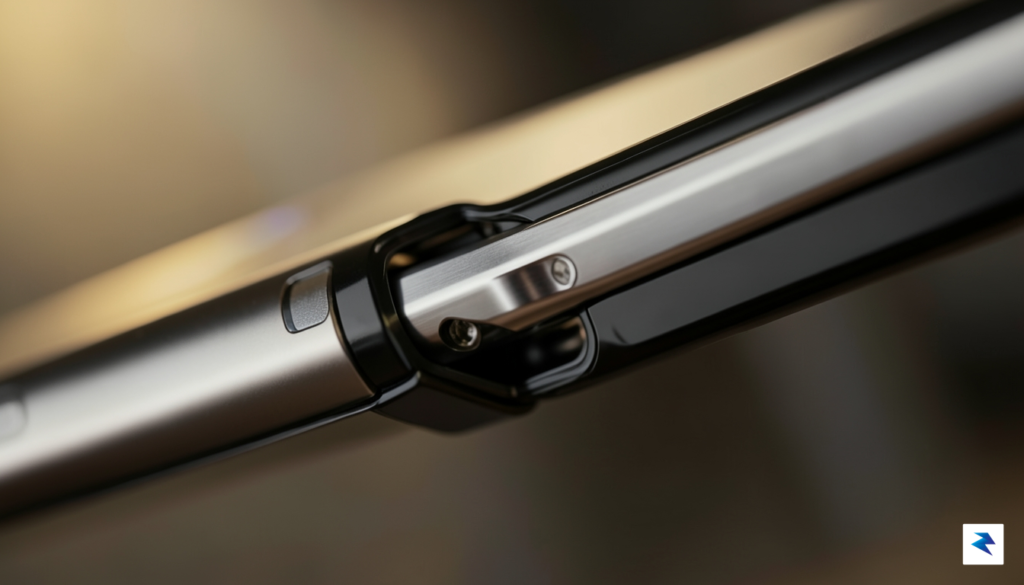
A wider inner display naturally brings questions about the infamous crease and the hinge mechanism. While a wider panel might theoretically make the crease appear less prominent in relation to the overall screen real estate, Samsung’s ongoing advancements in ultra-thin glass (UTG) and hinge design will be critical. The wider canvas could potentially allow for a shallower fold radius or a more sophisticated hinge that distributes stress more evenly across the larger surface, possibly leading to a less noticeable crease over time. Furthermore, a broader chassis might offer more internal space for a redesigned hinge, potentially enhancing its durability and resistance to dust ingress, a constant area of focus for foldable manufacturers.
The implications for one-handed typing are perhaps one of the most immediately noticeable benefits of a wider front screen. With previous Folds, typing with a single thumb often felt awkward, requiring significant stretching or resorting to two hands even for quick messages. The Z Fold 8’s rumored wider display should significantly alleviate this, bringing the virtual keyboard keys closer to a standard layout, thus improving accuracy and speed for single-handed input. This shift promises a more natural and less fatiguing user experience, transforming a previously cumbersome task into a seamless interaction. It’s a subtle change that yields profound improvements in daily convenience and accessibility for a broader range of users.
Beyond ergonomics, the new aspect ratio will undoubtedly impact app compatibility and the overall software experience, both when folded and unfolded. Developers have spent years optimizing apps for the current Z Fold aspect ratios, often leading to black bars or slightly awkward scaling on the narrow cover screen or the squarer inner display. A wider cover screen will likely reduce the need for app re-optimization for the folded state, as it moves closer to standard smartphone dimensions. When unfolded, the broader internal screen will offer an even more expansive and immersive canvas, potentially enhancing multi-tasking layouts and media consumption by reducing wasted space and providing a more desktop-like experience for productivity applications. Samsung’s software team will play a crucial role in ensuring a smooth transition and optimal scaling across this new range of dimensions.

At the very core of the forthcoming Galaxy Z Fold 8 Wide lies the promise of unparalleled processing power, a necessity for a device built to redefine mobile productivity and entertainment. Speculation heavily points towards the inclusion of Qualcomm’s next-generation flagship silicon, likely the Snapdragon 8 Gen 4 for Galaxy. This custom-tuned variant, a hallmark of Samsung’s premium devices, is expected to deliver a significant leap in raw performance, pushing the boundaries of what’s achievable on a smartphone. Its advanced architecture will be specifically optimized to handle the intensive demands of a large, foldable display, ensuring every swipe, every app launch, and every transition feels instantaneous and fluid, even with multiple applications running concurrently.
This powerhouse chipset isn’t just about raw speed; it’s designed to revolutionize the user experience through enhanced AI capabilities and superior graphics rendering. We anticipate substantial improvements in both CPU and GPU performance, critical for everything from high-fidelity mobile gaming to advanced photo and video editing directly on the device. Furthermore, the integrated Neural Processing Unit (NPU) will likely power next-level on-device AI features, offering smarter assistance, more intuitive interactions, and sophisticated computational photography without relying solely on cloud processing. This integrated intelligence will be pivotal in making the Z Fold 8 Wide an even more intelligent companion for its users, adapting seamlessly to their workflow and preferences.
Complementing the cutting-edge processor, generous RAM configurations are vital for a device engineered for heavy multitasking. We expect the Z Fold 8 Wide to feature at least 12GB, with a strong possibility of a 16GB LPDDR5X or even the newer LPDDR6 standard in higher-tier models, providing ample headroom for running numerous applications simultaneously without a hitch. This robust memory ensures that switching between a video call, a spreadsheet, and a web browser is always smooth and responsive, retaining app states efficiently. Moreover, advancements in the Snapdragon 8 Gen 4’s power efficiency, coupled with Samsung’s software optimizations, are poised to deliver impressive battery life. While a wider chassis could theoretically allow for a larger battery capacity, the primary gains in longevity will likely come from the chipset’s inherent efficiency and intelligent power management, ensuring the device keeps pace with a full day’s demanding usage.
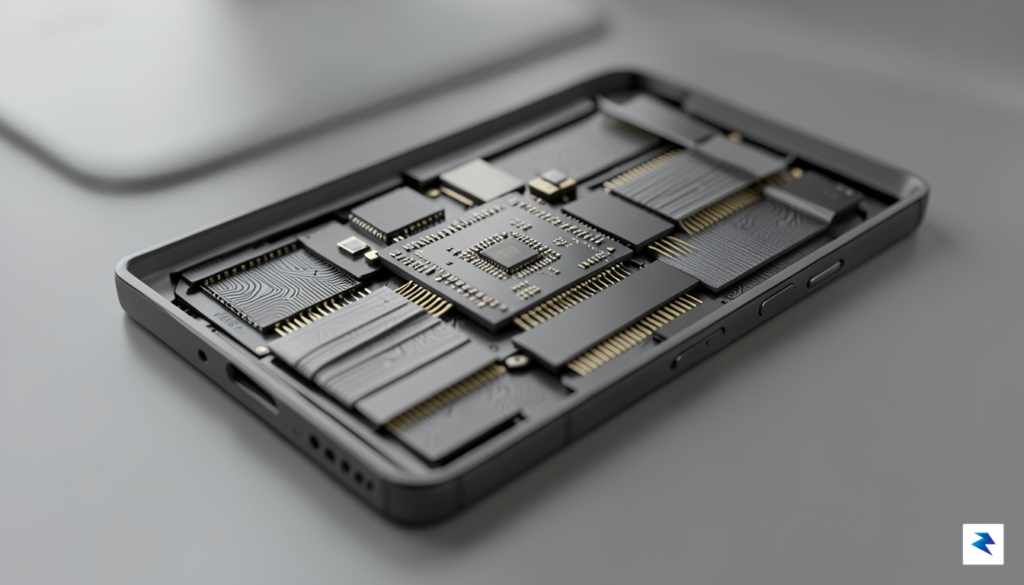
However, packing such formidable power into a sleek, foldable form factor inherently presents a significant challenge: thermal management. A thinner, wider design, while aesthetically pleasing and ergonomically beneficial, demands sophisticated cooling solutions to maintain peak performance without throttling. Samsung is expected to employ advanced cooling systems, potentially an expanded vapor chamber or multi-layered graphite sheets, to efficiently dissipate heat generated by the high-performance chipset during intensive tasks like extended gaming sessions or 4K video recording. Effective thermal design isn’t just about preventing overheating; it’s crucial for sustained performance, ensuring that the device can deliver its maximum capabilities consistently over time, offering a truly premium and reliable user experience that doesn’t falter under pressure.
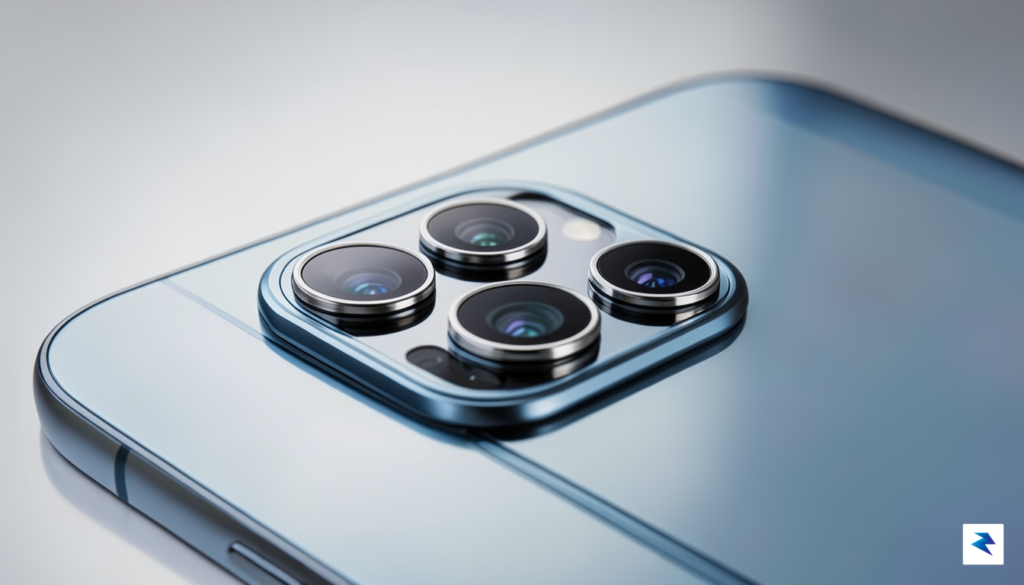
For years, Samsung’s foldable series has played a delicate balancing act, attempting to squeeze high-end optics into a chassis defined by thinness and complex hinge mechanics. With the Galaxy Z Fold 8 Wide, industry insiders suggest that Samsung is finally ready to move beyond “good enough” and push toward true parity with the S-series Ultra line. The persistent rumor centers on the integration of a larger, high-resolution primary sensor—potentially a 200-megapixel module similar to the one found in the S24 Ultra. By leveraging larger pixels and advanced pixel-binning technology, this hardware update aims to solve the historic struggle foldables have faced in low-light environments, where small sensors often falter.
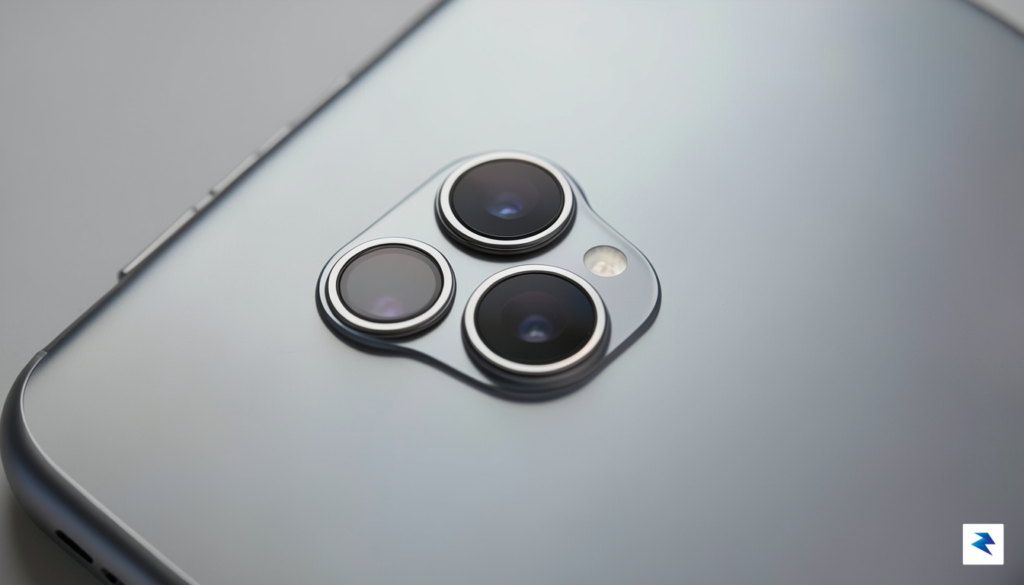
Beyond the raw megapixel count, the evolution of the Z Fold 8 Wide’s imaging capabilities is heavily reliant on the synergy between new hardware and onboard AI-driven computational photography. Because a foldable device offers a distinct architectural challenge, Samsung is reportedly optimizing its ProVisual Engine specifically for this wider form factor. This software integration will likely allow users to take advantage of the expansive internal display as a professional-grade viewfinder, providing real-time color grading and focus peaking that was previously restricted to standalone mirrorless cameras. This creates a bridge between casual mobile photography and the deliberate, manual control required by professional creators.
The transition to a wider design is not merely an aesthetic choice; it fundamentally alters how the camera housing is engineered. By increasing the overall surface area of the device, Samsung has more internal volume to accommodate larger lens assemblies and sophisticated periscope zoom mechanisms without sacrificing structural integrity. Historically, the camera bump on foldables has been a point of contention, but a wider frame allows for a more flush, integrated look that distributes weight more evenly across the rear panel. This design shift suggests that we may finally see a dedicated, high-magnification telephoto lens that doesn’t feel like a compromise compared to the Ultra flagship.
The integration of a wider form factor acts as a catalyst for camera innovation, providing the necessary interior space to house professional-grade glass while maintaining the slim profile foldable users have come to expect.
Ultimately, the Galaxy Z Fold 8 Wide represents a strategic shift in Samsung’s ecosystem philosophy. Rather than forcing users to choose between the productivity benefits of a tablet-sized screen and the photographic excellence of an Ultra-series phone, the company appears to be merging these worlds. If these hardware rumors hold true, the Z Fold 8 Wide will not just be a device for multitasking; it will serve as a comprehensive mobile studio, capable of capturing professional-grade assets that can be edited, graded, and shared entirely within the same high-resolution workspace.
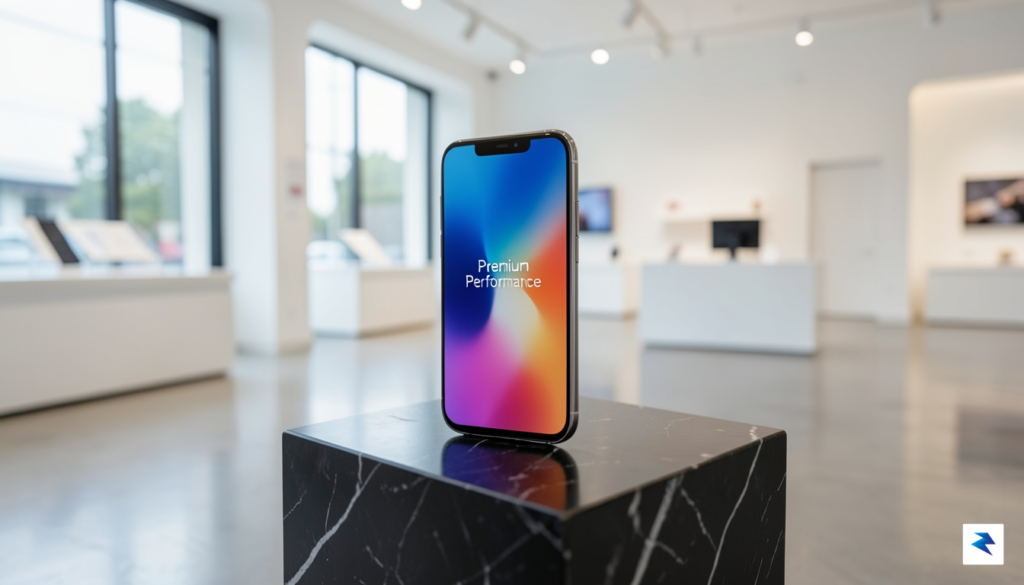
As the tech community turns its eyes toward the upcoming Unpacked event in London on July 22, the anticipation surrounding the Z Fold 8 Wide is reaching a critical fever pitch. This specific launch date is widely interpreted as a strategic maneuver by Samsung to preemptively capture consumer interest before the late-summer rush of competitor devices. By positioning this reveal in mid-summer, Samsung aims to secure a dominant narrative in the foldable space, effectively signaling that they are not merely participating in the market but are actively dictating its evolution. Industry analysts suggest that this timing is essential for maintaining momentum against a growing field of rivals who have become increasingly adept at closing the hardware gap.
When it comes to the financial strategy, Samsung finds itself in a delicate balancing act. To remain competitive against aggressive pricing models from the likes of OnePlus and Google, the company is expected to maintain its premium pricing tier while perhaps introducing more flexible financing bundles or trade-in incentives to lower the barrier to entry. While a significant price drop for such an experimental form factor remains unlikely, the inclusion of a wider display—a long-requested feature—justifies the flagship cost for power users who view the device as a desktop replacement. Consequently, the pricing will likely mirror previous generations, anchoring the device firmly in the ultra-premium bracket while emphasizing the enhanced productivity afforded by the new, more ergonomic aspect ratio.
The strategic release of the Z Fold 8 Wide suggests that Samsung is pivoting away from hardware parity and toward user-centric design refinements that prioritize daily usability over raw technical gimmicks.
Regional availability is expected to follow a tiered rollout, starting with major metropolitan hubs where foldable adoption rates are highest. Samsung will likely prioritize markets in North America, South Korea, and parts of Europe, with secondary markets seeing a delayed launch as supply chains stabilize. This phased approach serves a dual purpose: it allows the company to manage initial inventory demands for their most complex hinge mechanism to date while simultaneously gathering real-world user feedback before a global expansion. Should this rollout succeed, the Z Fold 8 Wide could prove to be the linchpin in Samsung’s strategy to defend its foldable market share, effectively neutralizing the threat of “foldable fatigue” by offering a distinct, refined experience that feels like a genuine leap forward rather than a marginal upgrade.
You must be logged in to post a comment.