
Why Empery Digital Traded Half Its Bitcoin for AI Infrastructure
The Shift from Bitcoin to AI Infrastructure The decision by Empery Digital to divest a significant portion of its Bitcoin holdings in favor of…

New York City has officially shifted the landscape of consumer rights by enacting landmark legislation aimed at dismantling the predatory tactics known as “dark patterns.” For years, digital consumers have been ensnared in a cycle of frustration, signing up for services with a single click only to find themselves trapped in perpetual billing loops. By mandating transparency and ease of cancellation, the Mayor’s office is signaling a fundamental change in how businesses are permitted to interact with their subscribers. This regulatory pivot is not merely a bureaucratic adjustment; it is a direct response to the mounting public exhaustion surrounding companies that prioritize profit retention over user autonomy.
The history of consumer complaints in this space reveals a pattern of systemic exploitation that has long gone unchecked. Countless New Yorkers have reported the experience of signing up for trial offers, only to discover that the process for opting out is intentionally obscured, buried under layers of convoluted menus, or hidden behind unresponsive customer service channels. These hidden auto-renewals have become a standard, albeit unethical, industry practice designed to capitalize on consumer forgetfulness or technical fatigue. As these grievances have mounted, the city’s legislative body recognized that the burden of cancellation should never fall on the consumer to navigate a digital labyrinth; instead, the process must be as straightforward as the initial enrollment.

“The era of ‘click-to-join, call-to-cancel’ is coming to an end. We are ensuring that a consumer’s right to leave a service is just as protected as their right to sign up.”
By acting as a regulatory pioneer, New York City is setting a rigorous standard that many expect to reverberate across the national stage. The scope of this new law is intentionally broad, covering everything from digital media platforms and streaming services to recurring retail memberships that rely on deceptive renewal tactics. Rather than waiting for slow-moving federal oversight, NYC lawmakers have chosen to aggressively protect their residents, establishing a framework that forces companies to provide clear, accessible, and simple methods for ending subscriptions. This proactive approach serves as a warning to corporations nationwide: the days of relying on obfuscation to maintain subscription revenue are numbered, and the city is now leading the charge in redefining digital fairness for the modern era.

At the heart of the modern subscription economy lies a sophisticated architecture of psychological manipulation often referred to as “dark patterns.” These digital design choices are not accidental glitches or poor user interface decisions; rather, they are calculated strategies engineered to exploit human cognitive biases. Companies rely on the fact that most consumers operate on autopilot, making decisions based on convenience and habit. By intentionally introducing friction into the exit process while streamlining the acquisition flow, businesses effectively weaponize user fatigue to maximize their retention rates.
One of the most prevalent tactics is the implementation of multi-step cancellation flows, a process colloquially known as a “roach motel”—easy to check into, but nearly impossible to leave. When a user finally decides to terminate a service, they are frequently forced to navigate a labyrinth of redundant survey questions, aggressive “save” offers, and confusing navigation menus. This design is specifically intended to induce cognitive exhaustion. By the time a customer reaches the final step, their mental energy is depleted, making them more likely to abandon the effort entirely and remain subscribed, even if the service no longer provides them value.
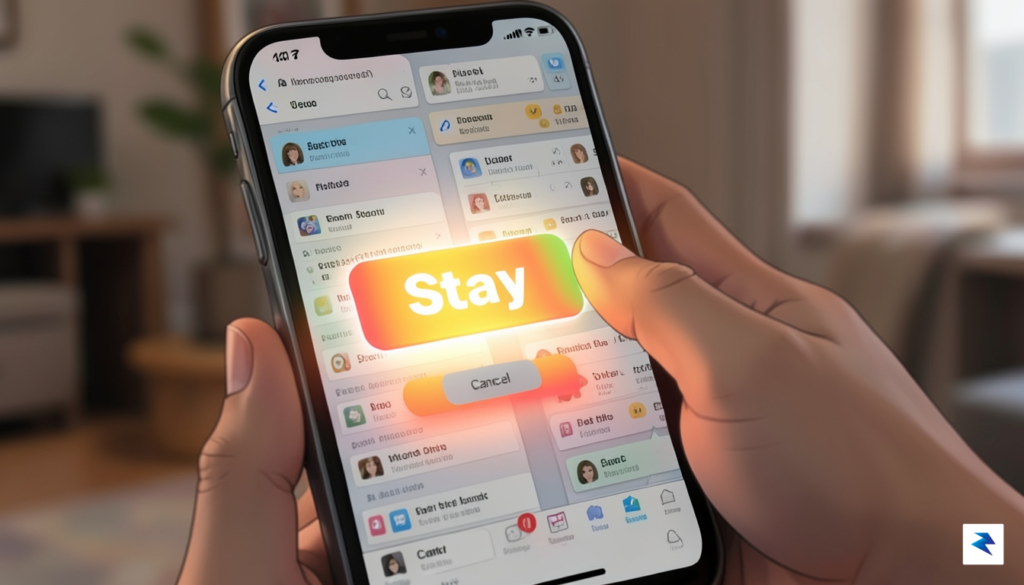
Furthermore, companies often leverage the psychological principle of loss aversion by presenting “save” buttons that highlight what the user stands to lose rather than what they are currently paying for. These prompts often use emotionally charged language, suggesting that cancelling will result in the loss of “exclusive benefits,” “grandfathered pricing,” or “personalized data,” even when these features are of negligible utility. Simultaneously, the deliberate omission of confirmation emails—or the practice of sending them in a format that obscures whether a cancellation was successful—creates a lingering sense of doubt. This uncertainty prevents users from feeling confident that their financial obligation has actually ended.
The core objective of these deceptive patterns is to increase the “cost of effort” required to cancel, effectively holding the user’s wallet hostage through sheer administrative complexity.
Ultimately, these mechanisms thrive because they turn the user’s own psychology against them. Humans are naturally inclined to prefer the path of least resistance, and subscription services exploit this by ensuring that the path to cancellation is paved with obstacles. By recognizing these tactics—the persistent upsells, the misleading button hierarchies, and the manufactured confusion—consumers can begin to reclaim their agency. Understanding that these interfaces are designed to exploit human impatience is the first step toward breaking the cycle of unwanted, recurring charges.
The core of this new municipal mandate centers on restoring agency to the consumer by dismantling the digital “traps” that have become all too common in the subscription economy. Under the new ordinance, businesses operating within New York City are legally obligated to adopt a “click-to-cancel” framework. This means that if a customer signs up for a service online, the company must provide an equally simple, digital pathway to terminate that subscription. No longer can businesses force users to navigate labyrinthine telephone menus, endure aggressive retention calls, or mail in physical cancellation requests. By mandating a streamlined cancellation process, the city is effectively ensuring that exiting a service is as effortless as entering one.
Beyond the cancellation process, the ordinance forces a radical shift in how businesses communicate the lifecycle of a subscription. Companies are now required to provide clear, conspicuous disclosures regarding the terms of a recurring charge, especially before a trial period transitions into a paid membership. Furthermore, businesses must send timely, user-friendly renewal notices that explicitly state when a payment will be processed and provide an immediate, accessible link to manage or end the service. This removes the ambiguity that often leads to “accidental” charges, ensuring that residents are fully informed participants in their financial commitments rather than victims of predatory billing cycles.

The ordinance fundamentally shifts the burden of proof from the consumer to the corporation, requiring that all terms and exit paths be presented with absolute clarity rather than buried in fine print.
For businesses, the cost of non-compliance is significant, shifting the risk-reward calculation that previously incentivized “dark patterns.” Companies that fail to implement these transparent practices face stiff financial penalties, including escalating fines for every day a violation persists. Beyond the immediate hit to their bottom line, businesses could face litigation from the city or class-action suits from affected residents. This regulatory environment serves as a clear warning: the era of profiting from consumer confusion is nearing an end in New York. Ultimately, these measures serve to foster a more competitive and trustworthy marketplace where businesses must win customers through the actual value of their services, rather than through the manipulation of a complex sign-up and cancellation architecture.

When New York City moves to regulate consumer protection, the rest of the country frequently takes note. Historically, aggressive local legislation often acts as a precursor to broader state and federal mandates, a phenomenon frequently compared to the “California Effect.” By establishing clear, enforceable rules against deceptive “dark patterns”—those manipulative design choices that make it effortless to sign up for a subscription but nearly impossible to cancel—New York is effectively setting a new baseline for what constitutes fair play in the digital economy. If this policy successfully reduces consumer complaints and litigation, other states will likely view it as a reliable blueprint for their own regulatory frameworks, potentially leading to a patchwork of laws that eventually pressures Congress to adopt a unified, national standard for subscription transparency.

For major tech companies and service providers, the immediate challenge is determining how to respond to this shifting landscape. Corporations generally loathe the idea of maintaining fragmented user experiences, where a customer in Manhattan sees a radically different cancellation process than a customer in a state with looser regulations. Developing and maintaining geo-fenced interfaces is not only technically burdensome but also creates significant brand inconsistency. Consequently, many firms may find it more cost-effective to adopt New York’s stringent transparency requirements as a global or national standard rather than building separate, compliant systems for specific jurisdictions. By streamlining their cancellation workflows to meet the highest common denominator, these companies can mitigate legal risk while simultaneously improving user trust.
Adopting ethical design as a default, rather than as a reactive measure to local law, positions a brand as a leader in consumer advocacy rather than a defendant in a regulatory investigation.
Ultimately, this legislative shift signals a move toward a more mature digital marketplace where user autonomy is prioritized over predatory retention metrics. Beyond the technical adjustments, corporate behavior is likely to evolve as transparency becomes a competitive advantage. Companies that proactively simplify their subscription management—offering one-click cancellations and clear renewal notifications—are far more likely to retain long-term loyalty than those that trap users in labyrinthine loops of automated billing. As New York leads the charge, the broader implication is clear: the era of the “subscription trap” is nearing its expiration date, and businesses that fail to adapt to this new standard of honesty will find themselves out of step with both regulators and their own increasingly savvy customer base.
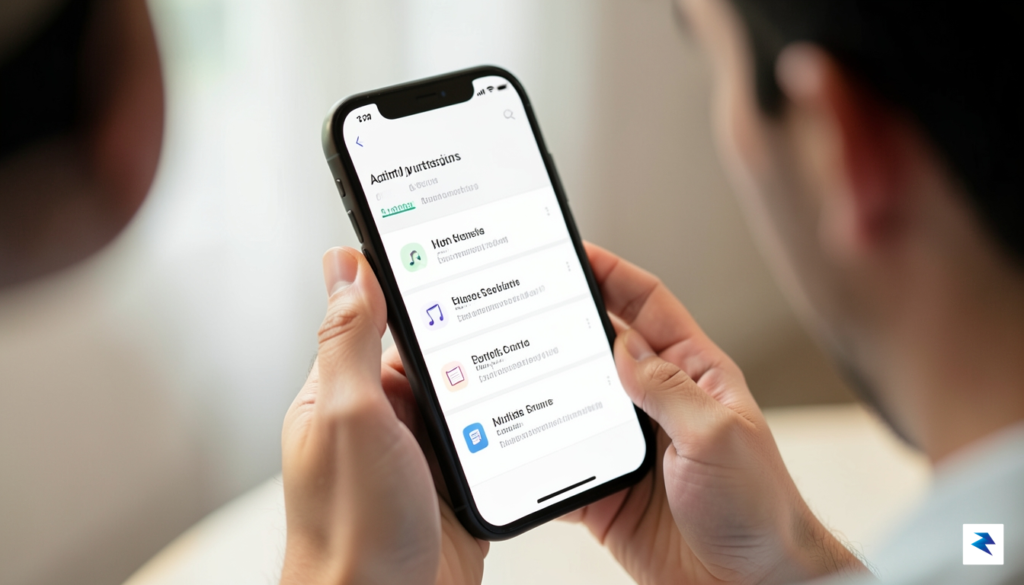
While legislative measures provide a necessary safety net, the most effective defense against “subscription creep” remains your own proactive management. It is incredibly easy for small, recurring charges to go unnoticed, especially when they are tucked away in the fine print of a digital invoice. To regain control of your monthly expenses, you must start with a comprehensive audit of your financial history. Begin by reviewing your last three months of bank and credit card statements specifically for recurring merchant codes. Many consumers find that they are still paying for streaming services, software tools, or mobile apps that they haven’t touched in months. By highlighting these transactions, you can create a clear list of what you actually use versus what has become a permanent, yet unused, drain on your budget.

Once you have identified the culprits, it is time to implement a more robust system for ongoing monitoring. If manual tracking feels overwhelming, consider leveraging specialized subscription management apps that securely sync with your financial accounts to categorize and alert you to upcoming renewals. These tools often provide a centralized dashboard, allowing you to cancel unwanted services with a single click rather than navigating through a maze of “dark pattern” menus on a company’s website. Alternatively, for those who prefer low-tech solutions, setting recurring calendar reminders three days before a free trial ends can serve as a vital circuit breaker. This small act of administrative diligence ensures that you are making a conscious decision to renew a service rather than being swept into a billing cycle by default.
The best time to cancel a subscription you no longer need is the moment you decide it no longer adds value to your life; waiting until the renewal date often leads to forgetfulness and further charges.
Beyond managing existing subscriptions, you should change how you interact with “free” offers in the future to prevent unwanted charges from ever hitting your primary account. A highly effective strategy is to utilize virtual credit cards or “burner” cards offered by many modern banking platforms. These digital cards allow you to set specific spending limits or expiration dates, effectively shielding your actual credit card number from merchants. When you sign up for a free trial using a virtual card, you can set the card to expire or deactivate immediately after the sign-up process. Consequently, if a company attempts to charge you automatically once the trial period concludes, the transaction will simply decline, sparing you the frustration of chasing refunds or navigating complex cancellation policies.
You must be logged in to post a comment.