Lucid Motors Leadership Shuffle: Can New Executives Save the Gravity SUV?
The Executive Exodus: Navigating Lucid’s Leadership Reset Lucid Motors finds itself at a pivotal juncture, navigating a significant leadership…

For a generation raised in the cradle of the digital revolution, the promise of constant connectivity has curdled into a relentless mandate for availability. The boundary between professional duty and personal sanctuary has eroded, leaving many in Gen Z trapped in an “always-on” cycle where the ping of a notification serves as a tether to a digital workspace that never sleeps. This state of perpetual tethering has fostered a profound sense of digital burnout, as the expectation to curate, consume, and respond in real-time begins to compromise cognitive rest and emotional equilibrium. What was once heralded as a tool for liberation has, in many ways, become a mechanism of surveillance and performance, forcing young people to reckon with the psychological toll of living their lives under the constant glare of a screen.

The rise of mental health awareness among younger cohorts has played a pivotal role in this shift, as more individuals begin to draw clear, evidence-based correlations between excessive screen time and deteriorating psychological well-being. Increased anxiety, disrupted sleep patterns, and the “comparison trap” inherent in algorithmic feeds are no longer dismissed as mere growing pains; they are recognized as systemic side effects of an attention economy that profits from human distraction. By treating their own focus and presence as finite, precious resources, Gen Z is beginning to view the act of unplugging not as a retreat, but as a necessary form of self-preservation and a radical reclamation of their inner lives.
True autonomy in the twenty-first century may no longer be defined by what we can access, but rather by what we choose to tune out.
Contrary to popular misconception, this emerging movement is not rooted in a primitive hatred of innovation or a desire to return to the pre-industrial age. Instead, it is a nuanced push for digital sovereignty—a declaration that technology should serve the human experience rather than dictate its rhythms. The participants in modern movements like the Luddite festivals are not Luddites in the historical, destructive sense; they are intentional architects of their own time. They seek to dismantle the unspoken requirement to be digitally compliant, choosing instead to engage with the world through physical presence, tactile hobbies, and unfiltered human interaction. These gatherings serve as a powerful signal that societal saturation has reached a breaking point, transforming a quiet, personal struggle into a collective cultural pushback against the encroachment of Big Tech into the sanctity of our daily lives.


At its core, the Summer of Ludd festival is far from a reactionary protest against modern innovation; rather, it functions as a vibrant, living laboratory for intentional human connection. Participants gather in public spaces—parks, community centers, and quiet corners of the city—with a singular, shared purpose: to replace the hollow scroll of the feed with the tactile reality of the present moment. The festival structure is intentionally low-tech, prioritizing activities that demand presence and patience. Attendees spend their afternoons engrossed in physical books, participating in collaborative crafting sessions, or engaging in unhurried, face-to-face conversations. By creating a structured environment that actively discourages digital distraction, the festival provides a rare, protected space where the brain can shift out of the hyper-stimulated “alert” mode required by social media and into a state of deep, focused engagement.
The pedagogical approach to this “unplugging” is grounded in the philosophy of peer-to-peer learning, which dismantles the hierarchy often found in professional workshops. Instead of a top-down teaching model, the festival encourages participants to share their own analog skills—whether that be embroidery, basic woodworking, or the art of fountain pen calligraphy—with one another. This transfer of knowledge serves a dual purpose: it fosters a sense of personal agency and reminds attendees that they are capable of creating things with their own hands, rather than simply consuming digital content created by others. When someone learns to mend a shirt or finish a sketch, they aren’t just gaining a skill; they are reclaiming their time from the algorithmic machines that profit from their passivity.
The true radicalism of the Luddite revival lies not in the rejection of technology, but in the reclamation of the human attention span. By choosing to build bonds through shared struggle and creation, these young people are proving that community is something we must actively participate in, not something we can outsource to a social media platform.
Ultimately, the impact of these gatherings extends far beyond the duration of the event itself. By replacing the passive, isolating experience of digital consumption with the active, communal experience of shared labor and leisure, the festival builds genuine social capital. These friendships, forged in the absence of notifications and screens, tend to be more resilient and authentic than those maintained through digital interactions. As participants return to their daily lives, they carry with them a blueprint for a more balanced existence—a reminder that while technology may be an inevitable part of modern life, our total submission to it is not.
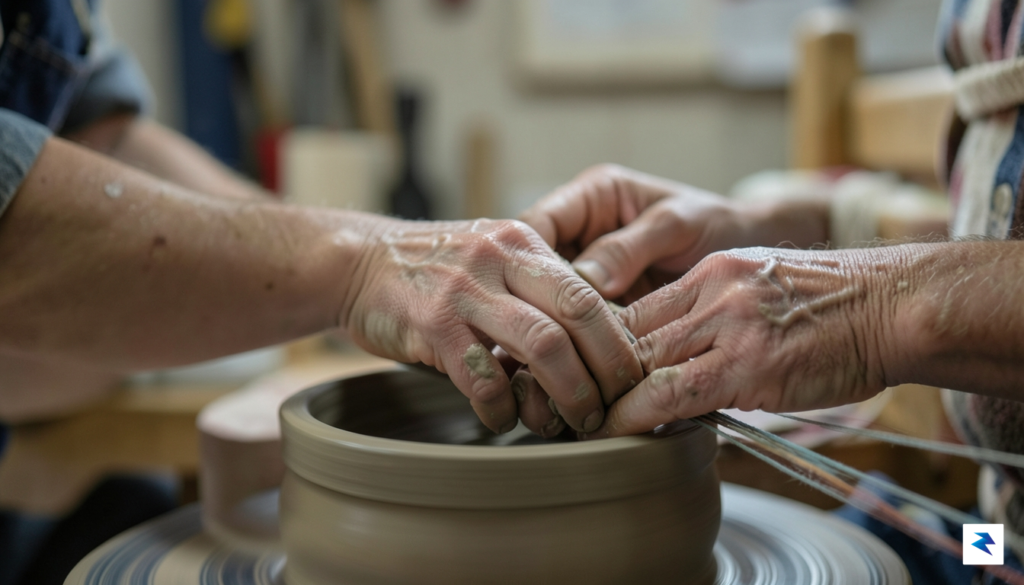
The modern digital landscape is designed to keep our minds in a state of perpetual, high-frequency stimulation, often at the expense of our physical connection to the world. By stepping away from the omnipresent blue light, we are not merely taking a break; we are engaging in a necessary reclamation of our tactile reality. Neurologically, the human brain is wired to process complex information through the hands, a phenomenon often described as tactile intelligence. When we manipulate physical objects—whether through gardening, woodworking, or simply writing with a pen on paper—we activate neural pathways that remain dormant during the passive consumption of digital content. This sensory engagement grounds us in the present, forcing the nervous system to shift from a state of hyper-alertness to one of deliberate, rhythmic focus.

Research consistently indicates that engaging in manual labor and tactile hobbies serves as a potent regulator for our physiological health, particularly regarding stress management. When we focus on the resistance of clay or the weight of a hammer, our cortisol levels—the primary hormone responsible for the fight-or-flight response—begin to decline significantly. Unlike the digital sphere, which often triggers a stress response through notification anxiety or social comparison, physical tasks offer a meditative quality that lowers heart rates and encourages deep, restorative breathing. The slow, intentional nature of craftsmanship provides a stark contrast to the instant gratification of a scrolling feed, teaching the brain to appreciate the value of delayed rewards. This shift in perspective is vital for mental health, as it replaces the frantic pursuit of digital validation with the quiet satisfaction of tangible creation.
The act of making something with one’s hands transforms the world from a series of images to be consumed into a landscape of materials to be understood.
Furthermore, the resurgence of interest in analog activities among younger generations highlights a desperate need for non-digital “third spaces” within our increasingly sterile urban environments. While coffee shops and public parks were once the default hubs for face-to-face interaction, the encroaching dominance of digital connectivity has turned many of these locations into silent zones of isolated screen usage. By reclaiming these spaces for analog pursuits—such as community workshops, knitting circles, or local book clubs—Gen Z is actively rebuilding the social fabric that digital platforms have frayed. These spaces facilitate authentic, unmediated human connection, where conversation is not interrupted by the ping of a notification and where the shared focus on a physical task fosters a deeper sense of communal belonging. Reclaiming our physicality is not just a retreat from technology; it is a proactive strategy for nurturing a more human, grounded, and resilient way of living in an era that demands our constant virtual presence.
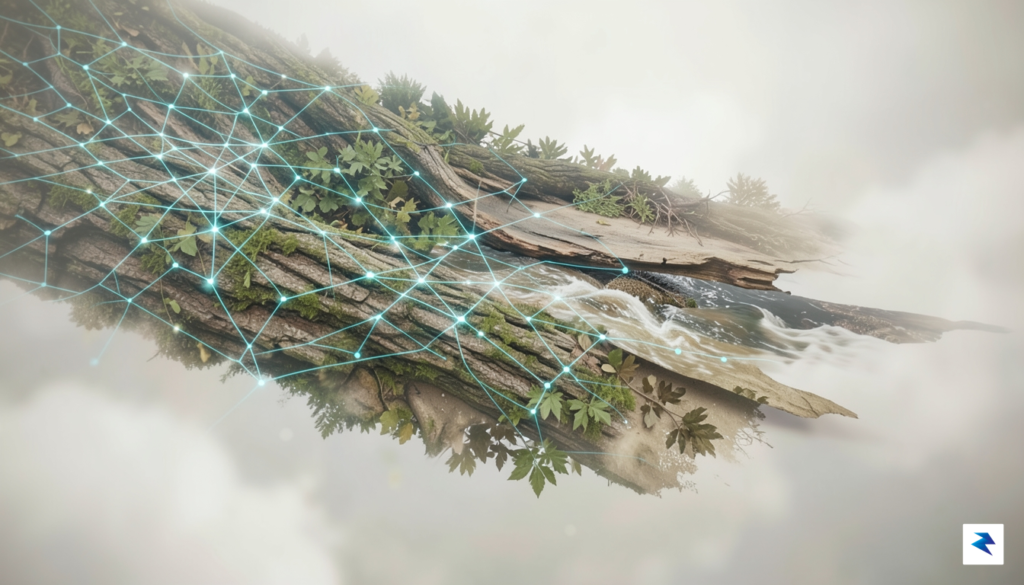
The modern resurgence of the Luddite label is frequently misunderstood as a simplistic, reactionary rejection of all technological advancement. Historically, however, the original Luddites of the 19th century were not anti-technology; they were anti-exploitation. They understood that the machinery being introduced into their workshops was not designed for the betterment of the collective, but rather to concentrate power and wealth in the hands of a few industrial elites. Today’s Gen Z movement echoes this nuance, shifting the focus from the hardware itself to the predatory ecosystems that govern our digital existence. By choosing to step away from the relentless data-harvesting machines of Big Tech, these participants are not expressing a hatred for innovation, but rather a profound political dissent against the commodification of their own attention and personal privacy.
At the heart of this resistance lies a growing awareness of platform dominance and the invisible surveillance architectures that underpin our daily interactions. When nearly every aspect of social, professional, and civic life is tethered to proprietary software—services that demand constant telemetry and behavioral tracking in exchange for access—the illusion of “free” technology dissolves. Opting out, therefore, serves as a radical act of digital reclamation. It is a refusal to be the product in an economy that trades human intimacy, political sentiment, and private habits for targeted advertising revenue. By disconnecting, individuals are asserting that their cognitive autonomy is not for sale, effectively starving the surveillance engines that rely on constant engagement to fuel their monolithic market valuations.
To refuse the algorithm is to reclaim the sovereignty of the self. In an era where Big Tech companies function as the digital landlords of our social reality, the decision to live “offline” is the most potent form of protest available to the individual.

Living in a society where essential services are inextricably linked to monopolistic platforms creates a profound tension for those seeking to opt out. Navigating a world that mandates digital identity verification for banking, education, and healthcare while simultaneously harvesting that data for algorithmic profiling is a systemic challenge that goes beyond mere lifestyle preference. Yet, this very friction is what fuels the Luddite philosophy; it highlights the precarious nature of our dependence on systems that prioritize profit over human well-being. By questioning the necessity of being “always on,” this movement is forcing a long-overdue public conversation about the ethics of convenience, the necessity of digital boundaries, and the fundamental right to exist in the world without being permanently indexed by a corporate server.

Reclaiming your attention does not require a total exodus from modern society or the abandonment of your career. Instead, the path toward a more intentional life lies in the deliberate curation of your habits, ensuring that technology serves as a tool rather than a master. By integrating analog practices into your daily routine, you can carve out pockets of mental clarity that protect your focus and well-being in an increasingly fragmented digital landscape.
One of the most effective ways to regain control is by designating specific “analog hours” throughout your day. For instance, commit to the first sixty minutes after waking and the final hour before bed as strictly phone-free zones. During these periods, trade the dopamine loop of social media for tactile activities such as journaling, reading a physical book, or simply observing your surroundings. This practice recalibrates your nervous system, preventing the immediate morning reactive state that often plagues high-tech workers and allows you to wind down without the artificial blue light interference that disrupts sleep cycles.

While we cannot always disconnect, we can certainly downgrade the complexity of the tools we use. Consider swapping a multi-purpose tablet or smartphone for a dedicated e-ink reader when you need to consume long-form content; these devices eliminate the temptation of notifications and web browsing that inevitably lead to distraction. Similarly, returning to a physical paper planner can transform how you conceptualize your day. The act of physically writing down your tasks forces a cognitive engagement that digital apps often skip, helping you prioritize goals with greater clarity and less digital noise.
True digital autonomy is not about the absence of technology, but the presence of choice in how and when we engage with it.
Beyond hardware, your relationship with work communication requires firm, non-negotiable boundaries. Utilize features like “Do Not Disturb” modes or scheduled work profiles that deactivate professional messaging apps outside of your chosen hours. Once you have established these boundaries, communicate them clearly to your colleagues to normalize the idea that responsiveness is not the same as productivity. Furthermore, approach your social media usage with a “search and destroy” mindset: log on with a specific purpose—such as catching up with a friend or researching a topic—and log off the moment that objective is met. Consistency in these small, disciplined actions will always yield better long-term results than the occasional, unsustainable digital detox that leaves you feeling overwhelmed once you return to the grid.
You must be logged in to post a comment.