Inside the Latest DHS Breach: What You Need to Know About Federal Cybersecurity Risks
The Anatomy of the DHS Breach: Understanding the Intelligence-Sharing Network Recent disclosures have brought to light a significant security…

Lucid Motors finds itself at a pivotal juncture, navigating a significant leadership reset that underscores the intense pressures and growing pains inherent in scaling an electric vehicle startup. The recent departure of Gagan Singh, the company’s Chief Financial Officer, marks a prominent event in this ongoing executive reshuffle. His exit comes at a critical time when the company is striving to stabilize its production, optimize its financial health, and regain a more confident footing with investors.
This isn’t an isolated incident but rather part of a broader, deliberate strategy under the continued leadership of CEO Peter Rawlinson. Alongside Singh’s departure, Lucid has been actively bringing in new talent across various critical functions, signalling a decisive pivot in corporate strategy. These new executive hires, often with extensive experience from established automotive giants or high-growth tech firms, are tasked with steering Lucid through its next phase of development, which includes ramping up production of its luxury sedans and, crucially, preparing for the highly anticipated launch of the Gravity SUV. The influx of fresh perspectives and specialized expertise points towards a renewed focus on operational efficiency, commercial scaling, and robust financial management, moving beyond the initial startup phase of design and concept.
However, such a significant and sustained leadership turnover carries inherent challenges, impacting both internal culture and external market perception. Constant management shifts can disrupt institutional knowledge, create uncertainty among employees, and potentially delay long-term strategic initiatives as new leaders acclimate and redefine objectives. Internally, a fluctuating C-suite can test employee morale and loyalty, demanding significant effort to maintain cohesion and focus on core objectives. Externally, investors and analysts often interpret frequent executive changes with a cautious eye, scrutinizing whether the churn reflects underlying instability or a proactive, necessary retooling for future success. For Lucid, this shakeup serves as a high-stakes case study in the maturation process of an EV startup, where the initial visionary zeal must eventually give way to disciplined execution and sustainable growth.
The journey from an innovative concept to a mass-market automotive player is fraught with financial hurdles, production complexities, and fierce competition, especially in the rapidly evolving EV landscape. Lucid’s leadership reset reflects the harsh realities of this transition, where companies must adapt quickly or risk being left behind. The new executive team faces immense pressure to not only stabilize current operations but also to instill renewed confidence in the company’s ability to execute its ambitious product roadmap, particularly with the Gravity SUV poised to enter a crowded and competitive market segment. Their success or failure in translating these leadership changes into tangible improvements in production, profitability, and market share will be a defining factor in Lucid’s long-term viability and its quest to become a formidable force in the luxury electric vehicle sector.
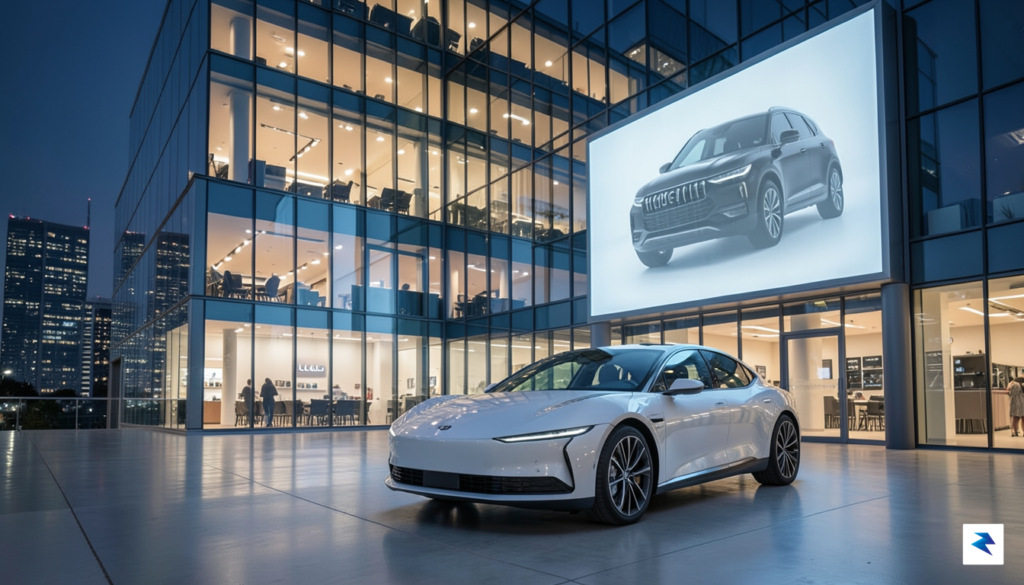
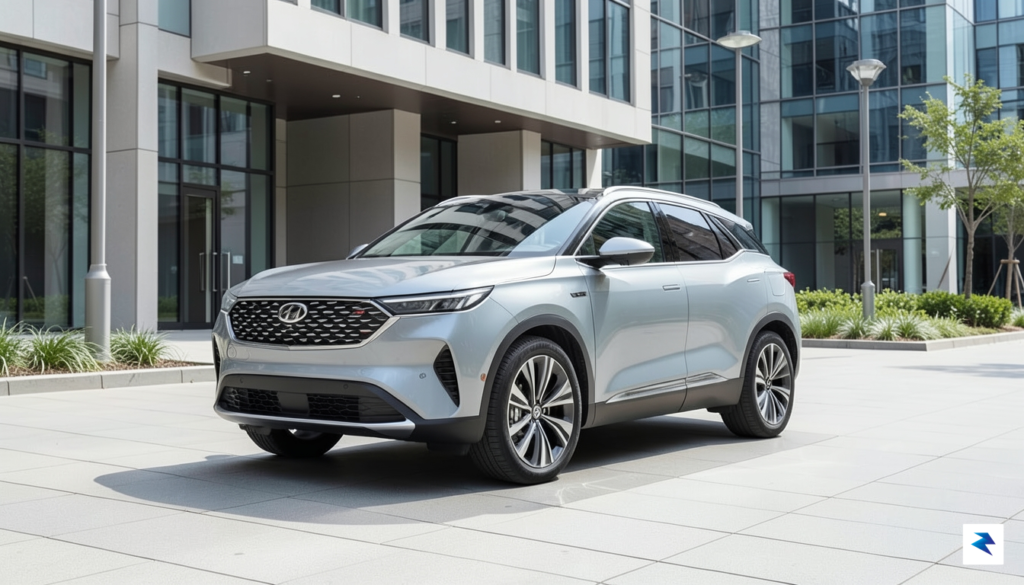
When Lucid Motors first unveiled the Gravity SUV, it was met with considerable excitement, heralded as a potential flagship that could redefine the luxury electric SUV segment. Its sleek design, promised range, and innovative technology suggested a formidable contender poised to capture a significant share of the burgeoning premium EV market. However, the reality of its market entry has presented a more complex picture, revealing a significant gap between initial interest and actual sales figures. This scenario challenges the very premise of its mass-market adoption and underscores the profound hurdles Lucid faces in converting luxury allure into tangible commercial success.
A primary hurdle for the Gravity stems directly from its premium positioning within an increasingly crowded and price-sensitive luxury EV market. Lucid has consistently staked its claim at the very top tier of automotive luxury, a strategy that naturally commands high price points for its vehicles. While this approach may resonate with a niche segment of ultra-luxury buyers, the current economic climate sees even affluent consumers scrutinizing large purchases more closely, making the Gravity’s substantial price tag a significant barrier for broader appeal. Furthermore, the luxury EV SUV segment, once a relatively open field with limited choices, is now saturated with compelling and often more established offerings from both traditional automotive giants and other nimble startups.
The competitive landscape is further complicated by the formidable presence of legacy automakers who have aggressively entered the electric SUV arena. Brands like Mercedes-Benz with its EQS SUV, BMW with its iX, and Audi with its Q8 e-tron bring immense brand loyalty, extensive dealer networks, and long-standing reputations for luxury and reliability. These established players often offer comparable features, sometimes at slightly more accessible price points, and benefit from a perceived stability that newer entrants like Lucid are still working diligently to build. Beyond the European luxury brands, American counterparts such as Cadillac’s Lyriq and Rivian’s R1S also present compelling alternatives, making the battle for the luxury EV SUV buyer incredibly fierce where brand heritage still plays a powerful and often decisive role.
Beyond direct competition, the Gravity’s slow start is inextricably linked to broader macroeconomic headwinds and a discernible cooling in overall electric vehicle demand. High interest rates have significantly increased the cost of financing new car purchases, deterring potential buyers across all segments, including the luxury market where large loans are common. Moreover, persistent concerns about charging infrastructure availability, real-world charging times, and the practical utility of EV range continue to temper enthusiasm for electric vehicles among a significant portion of the population. This “EV demand cooling” trend isn’t unique to Lucid but rather amplifies the challenges for any high-priced new entrant attempting to establish a foothold in a market that is becoming increasingly discerning and cautious.
Ultimately, the Gravity SUV’s struggle to convert interest into robust sales appears to be a confluence of both product-market fit challenges and powerful external economic forces. While Lucid’s commitment to cutting-edge technology, luxurious design, and impressive performance remains unwavering, the market conditions have demonstrably shifted, demanding a more nuanced approach to pricing, distribution, and segment targeting. The fundamental question isn’t solely whether the Gravity is a superb vehicle – many critics laud its capabilities and engineering prowess – but whether its ambitious value proposition aligns with the current economic realities and the evolving expectations of luxury consumers in a highly competitive and increasingly skeptical EV landscape. Navigating these turbulent waters will undoubtedly be crucial for the Gravity’s long-term success and Lucid’s broader market viability.
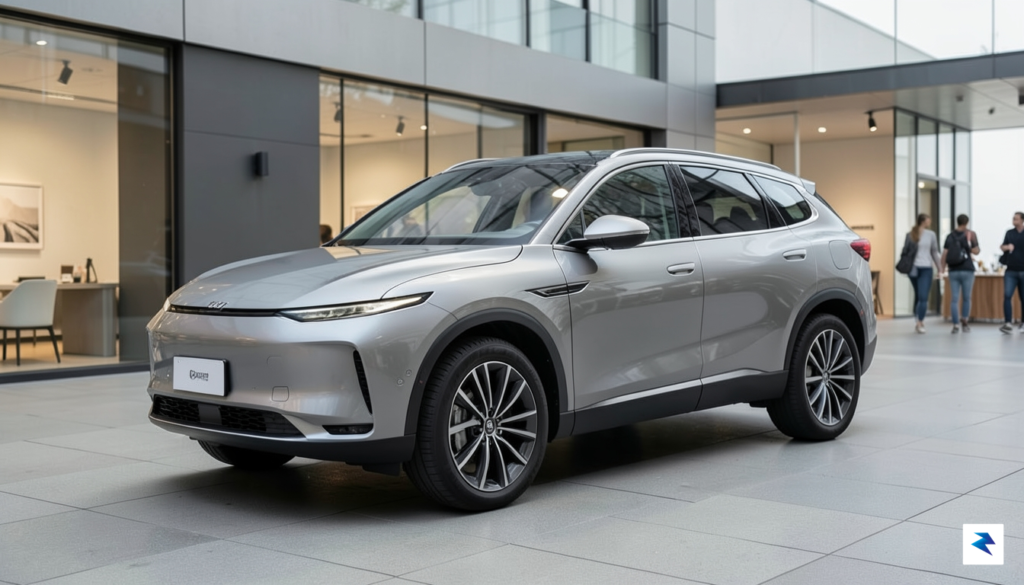

Lucid Motors finds itself at a pivotal juncture, navigating the complex transition from an innovative startup renowned for its engineering prowess to a high-volume luxury electric vehicle manufacturer. The recent leadership adjustments, spearheaded by a new CEO, signal an ambitious mandate: to fundamentally reshape the company’s operational landscape without compromising the very reputation for excellence that defines its products. This fresh leadership team is tasked with nothing less than a comprehensive turnaround, one that demands a keen eye for efficiency, a steady hand in execution, and a bold vision for market capture.
The potential impact of this incoming executive team on operational efficiency is immense, particularly if their backgrounds reflect a deep understanding of complex manufacturing, global supply chain dynamics, and data-driven market strategies. A CEO with a track record in scaling production for intricate, high-tech products, for instance, could bring invaluable methodologies to Lucid’s factories. Similarly, new appointments in crucial roles such as Chief Operating Officer or Head of Manufacturing, ideally possessing extensive experience from traditional automotive giants or advanced technology sectors, could introduce best practices in lean production, quality control, and process optimization. This infusion of seasoned expertise is critical for identifying and dismantling the bottlenecks that often plague emerging automakers striving to ramp up production of sophisticated vehicles like the Lucid Air and the eagerly anticipated Gravity SUV.
Refining production bottlenecks will undoubtedly be a top priority, moving beyond the artisanal phase towards streamlined, repeatable, and scalable manufacturing processes. New leadership can scrutinize every step of the assembly line, from initial component integration to final vehicle inspection, implementing data analytics to pinpoint inefficiencies and waste. This might involve re-evaluating factory layouts, investing in advanced automation where appropriate, and fostering a culture of continuous improvement focused on output targets and defect reduction. Such meticulous attention to detail is essential not only for increasing the volume of vehicles produced but also for maintaining the premium quality that Lucid customers expect, ensuring that the Gravity SUV launches smoothly and meets demand effectively.
Furthermore, streamlining supply chain management presents another significant opportunity for the new team to enhance operational efficiency. The EV industry is notoriously susceptible to supply chain disruptions, from semiconductor shortages to volatile raw material costs for batteries. A leadership team with strong negotiation skills and a global network can work to diversify supplier relationships, establish more resilient logistics channels, and implement sophisticated inventory management systems to mitigate risks. This proactive approach to supply chain health can reduce lead times, lower component costs, and ultimately ensure a more predictable and stable production schedule, directly impacting profitability and customer satisfaction by delivering vehicles on time.
Beyond the factory floor and supply chain, the new leadership can fundamentally shift Lucid’s marketing strategies to better capture its potential customer base. While Lucid’s engineering prowess is undeniable, translating that technical superiority into compelling market narratives requires a different kind of expertise. Executives with a background in luxury branding, digital marketing, and customer experience can refine how Lucid communicates its value proposition, highlighting not just performance metrics but the lifestyle and prestige associated with owning a Lucid vehicle. This could involve more targeted advertising campaigns, experiential marketing, and a stronger emphasis on digital engagement to reach discerning buyers who appreciate both cutting-edge technology and sustainable luxury.
This strategic realignment at Lucid Motors mirrors similar organizational changes seen across the broader EV industry. Many pioneering electric vehicle companies, after achieving initial success with groundbreaking technology, have faced the daunting challenge of scaling production and achieving profitability. Companies like Tesla, for instance, famously navigated its “production hell” periods by bringing in experienced manufacturing executives and relentlessly optimizing its assembly lines. Rivian, another promising EV startup, has also made significant leadership adjustments to better address production complexities and market demands. These examples underscore a common theme: the transition from an innovation-driven startup to a mass-production enterprise often necessitates a leadership shift towards those with a deep operational and commercial acumen, capable of translating visionary engineering into tangible market success.
Ultimately, the effectiveness of Lucid’s new executive team will be measured by their ability to harmoniously blend engineering ingenuity with operational pragmatism. Their mandate is not merely to cut costs or boost numbers but to build a robust, scalable business model that can consistently deliver exceptional vehicles to a discerning market. The stakes are high, as the successful launch and sustained production of the Gravity SUV, alongside the continued refinement of the Air, will largely depend on whether this fresh leadership can successfully navigate the complexities of manufacturing, supply chain, and market positioning in the highly competitive luxury EV

The road ahead for Lucid Motors is fraught with both immense opportunity and significant peril, navigating an electric vehicle market that is simultaneously booming and incredibly volatile. As new leadership takes the helm, the company faces an unprecedented level of scrutiny, particularly regarding its financial health and long-term viability. Translating its acclaimed technological prowess into a sustainable, profitable business model is the paramount challenge, especially with escalating cash burn rates and investors clamoring for consistent, tangible progress.
Financial pressures loom large over Lucid’s ambitious plans. The company’s cash runway, a critical metric for any capital-intensive startup, is under constant review, highlighting the urgent need to optimize operational costs while simultaneously scaling production. Investors are increasingly demanding not just impressive vehicle specifications or design accolades, but concrete evidence of consistent quarterly growth in deliveries, revenue, and progress towards positive margins. The immense cost associated with establishing and expanding manufacturing facilities, coupled with ongoing research and development into next-generation EV technology, means that every dollar spent is under the microscope. Without a clear trajectory towards increased sales volumes and improved profitability, investor confidence, which is already a delicate balance, could further erode.
Despite these financial headwinds, Lucid’s core strength remains its groundbreaking technology stack. The Lucid Air sedan has set benchmarks for efficiency, range, and performance, showcasing the company’s advanced powertrain, battery technology, and sophisticated software. This technological differentiation is Lucid’s trump card, positioning it at the premium end of the market. However, the challenge lies in scaling this engineering marvel into mass production, particularly with the highly anticipated Gravity SUV. The Gravity is not just another vehicle; it represents Lucid’s crucial entry into a larger, more accessible market segment, which is vital for achieving the volumes necessary to move towards profitability and truly leverage its technological advantages across a broader customer base.
Survival in this fiercely competitive landscape will also likely hinge on strategic maneuvers and potential partnerships. Leveraging relationships, such as with Saudi Arabia’s Public Investment Fund (PIF) – Lucid’s majority owner – could provide not only vital capital injections but also avenues for expanded market access or manufacturing support. Exploring technology licensing opportunities or forming joint ventures could further diversify revenue streams and mitigate some of the financial burden of going it alone. Furthermore, the new leadership must prioritize relentless operational efficiency, optimizing the supply chain, and streamlining production processes to reduce per-unit costs and accelerate delivery timelines, all while maintaining the brand’s premium quality.
Ultimately, Lucid Motors stands at a critical juncture. The path forward is undoubtedly steep, requiring impeccable execution on both financial discipline and production scaling amidst a global economic environment that remains unpredictable. While the company possesses a genuinely innovative product and a compelling vision for luxury electric mobility, overcoming its current obstacles to become a long-term player in the EV space will demand a delicate balance of aggressive growth, strategic partnerships, and rigorous cost management. The next few quarters will be pivotal in determining whether Lucid can transform its technological leadership into sustained market relevance and financial stability.
You must be logged in to post a comment.