Is Your Apple Hide My Email Secure? Understanding the Latest Privacy Flaw
Understanding the Apple Hide My Email Privacy Vulnerability Apple's "Hide My Email" feature, a cornerstone of its iCloud+ subscription, has…
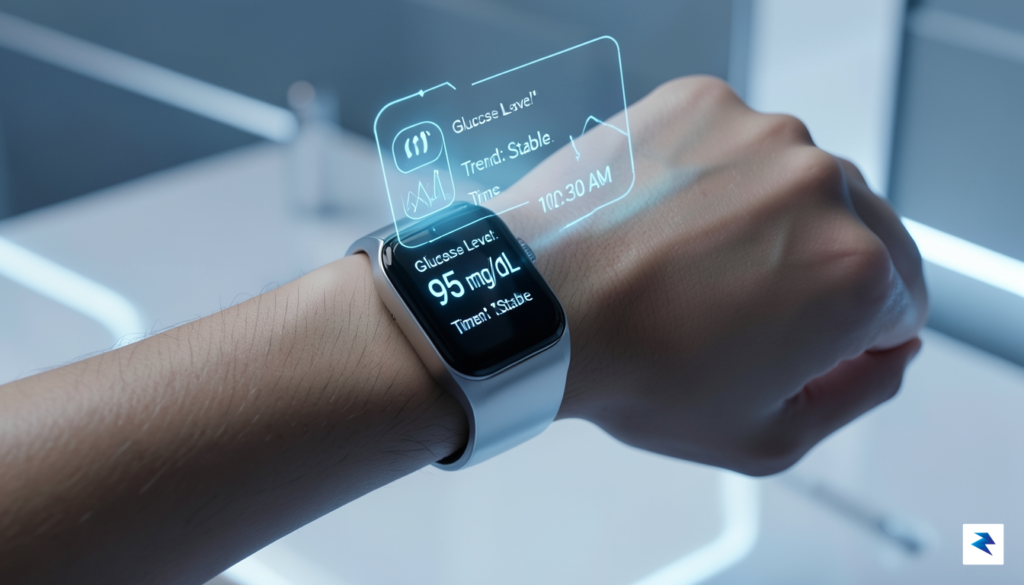
For years, the promise of a smartwatch capable of painlessly monitoring blood sugar without the need for a needle has captivated both the tech world and individuals living with diabetes. This “holy grail” of consumer health technology has consistently fueled headlines, creating an impression that a consumer-ready device is perpetually just around the corner. The allure is undeniable: imagine a future where managing diabetes is as simple as glancing at your wrist, offering unprecedented convenience and a significant improvement to quality of life. However, while the dream remains powerful, the reality of achieving true, non-invasive glucose monitoring is far more complex and nuanced than often portrayed.
The enthusiasm often overshadows the profound scientific and engineering hurdles that persist. While smartwatches have become adept at tracking various biometric data points, accurately and reliably measuring blood glucose levels through the skin presents a challenge of a completely different magnitude. It’s a testament to the difficulty that despite decades of intensive research and significant investment from major tech and medical companies, no such device has yet received the necessary medical approvals for clinical use as a standalone glucose monitor. The leap from measuring heart rate to precise glucose quantification is a monumental one, demanding a level of accuracy and consistency that current consumer-grade technologies simply cannot deliver.
To understand why this challenge is so formidable, it’s crucial to distinguish between how current medical-grade glucose monitors work and the capabilities of today’s smartwatches. Traditional glucose monitoring, whether through finger-prick blood tests or continuous glucose monitors (CGMs) that use tiny sensors inserted under the skin, relies on enzymatic chemical reactions. These methods directly measure glucose molecules in blood or interstitial fluid, providing highly accurate and actionable data vital for managing diabetes. This direct chemical interaction is a gold standard, offering the precision required for medical decision-making, such as insulin dosing or dietary adjustments.
Modern smartwatches, on the other hand, primarily utilize optical sensing technology, most commonly photoplethysmography (PPG). PPG sensors work by emitting light into the skin and measuring the amount that reflects back. As blood flows through the capillaries, it absorbs and reflects light differently, allowing the sensor to detect changes in blood volume. This technology is highly effective for measuring heart rate, heart rate variability, and even estimating blood oxygen saturation, as these parameters directly relate to blood flow dynamics. However, glucose molecules themselves do not possess a strong, unique optical signature that can be easily detected and quantified with sufficient accuracy through the complex layers of skin, muscle, and other tissues using current PPG technology.
The fundamental limitation lies in the signal-to-noise ratio. The optical signals related to glucose are incredibly faint and easily obscured by a myriad of confounding factors. Variables such as skin tone, hydration levels, ambient temperature, pressure from the watch band, movement artifacts, and even the presence of other substances in the blood (like proteins or fats) can significantly interfere with any potential glucose-related signal. Isolating a precise and reliable glucose reading amidst all this biological “noise” is one of the most difficult engineering challenges in medical history, requiring breakthroughs in sensor design, signal processing, and calibration methods that have yet to materialize in a consumer-ready form.
Consequently, current smartwatches are designed to measure “health trends” and “wellness indicators” rather than providing medical-grade “blood glucose levels.” They excel at tracking activity, sleep patterns, heart rate zones, and even perceived stress, offering valuable insights into overall lifestyle and well-being. These data points can indirectly influence glucose management by encouraging healthier habits, but they are not direct substitutes for a precise glucose measurement. Conflating these general health trends with actual blood glucose levels is not only inaccurate but also potentially dangerous, especially for individuals who rely on precise readings to manage a serious medical condition like diabetes.
“While smartwatches offer valuable insights into general wellness and activity, it’s crucial to understand they are not currently medical devices for direct glucose monitoring. Relying on them for diabetes management without medical validation can have serious health implications.”
The danger of conflation cannot be overstated. For someone with diabetes, an inaccurate or misleading glucose reading could lead to incorrect medication dosages, inappropriate dietary choices, and ultimately, severe health consequences such such as hyperglycemia or hypoglycemia. This is why regulatory bodies worldwide maintain stringent standards for medical devices, requiring rigorous testing and validation before they can be marketed for diagnostic or monitoring purposes. Until a non-invasive technology can consistently meet these high standards for accuracy, reliability, and clinical utility, the “smartwatch blood sugar revolution” remains a future aspiration rather than a present reality.
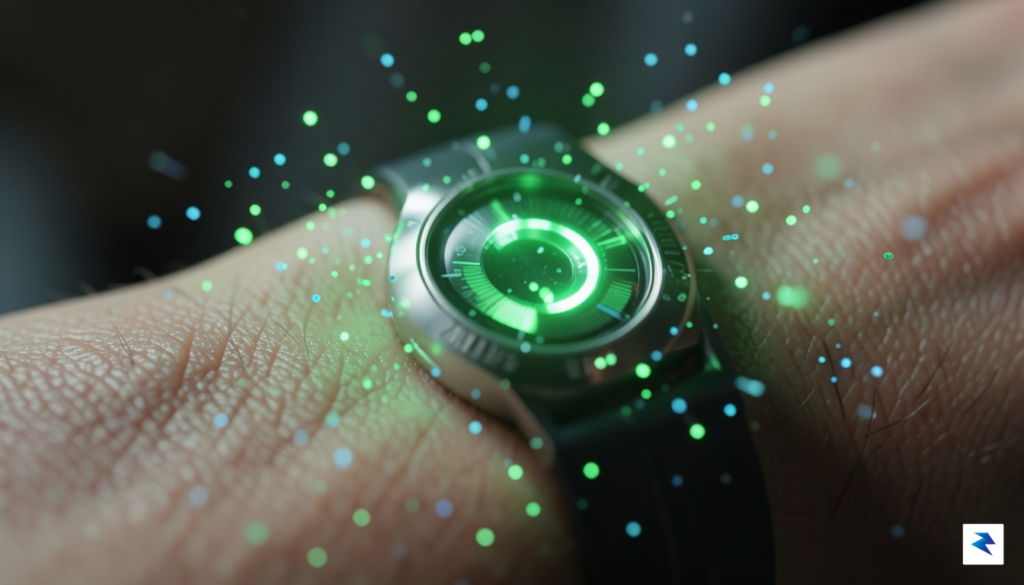
Modern smartwatches have undeniably revolutionized how we interact with our own physiology, offering an unprecedented window into our daily health metrics. At the core of their ability to track various aspects of metabolic health, albeit indirectly, lies sophisticated sensor technology, primarily centered around a method known as Photoplethysmography, or PPG. This optical technique works by emitting specific wavelengths of light, typically green light, into the skin from the back of the watch. As this light penetrates the tissue, it is absorbed and reflected differently by the components beneath the skin, most notably by the pulsatile blood flow in the capillaries. A tiny photodiode then measures the changes in the reflected light intensity, which fluctuate with each heartbeat as blood rushes through and recedes from the vessels, thereby providing the raw data for a host of physiological calculations.
The beauty of PPG is its non-invasive nature and its versatility in capturing dynamic changes in blood volume. While it excels at delivering precise heart rate readings, and by analyzing different light wavelengths, can even estimate blood oxygen saturation (SpO2), its role in metabolic health tracking is more nuanced. The rhythmic variations in light absorption directly correlate with the ebb and flow of blood, allowing the device to map the intricate patterns of your cardiovascular system. Although blood sugar levels do influence factors like blood viscosity and the elasticity of blood vessels over time, PPG sensors themselves do not directly measure glucose molecules. Instead, they provide a rich tapestry of cardiovascular and autonomic nervous system data, which are known to be intricately linked with metabolic regulation.
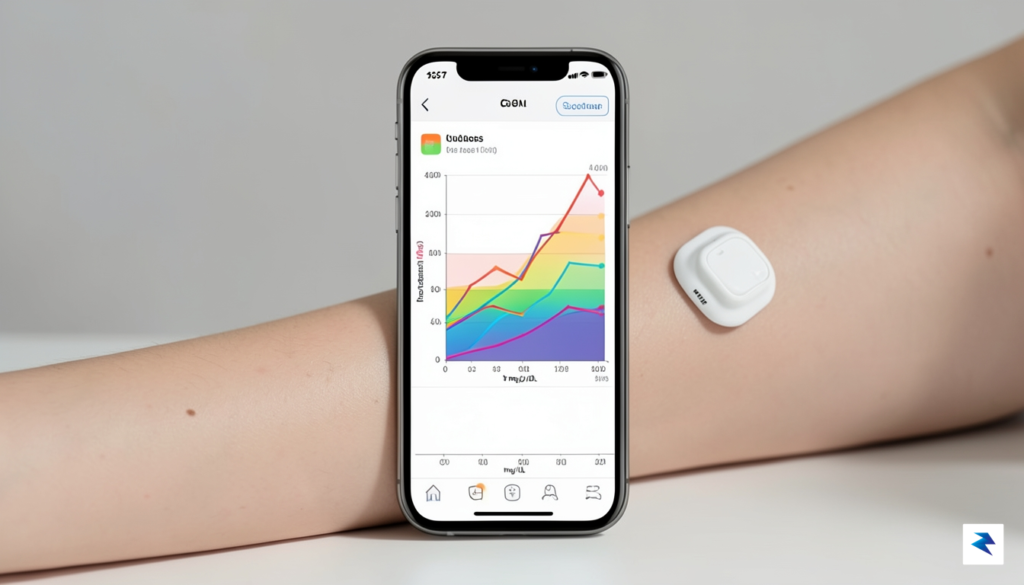
While the promise of a smartwatch accurately measuring blood sugar non-invasively remains a significant technological hurdle, the true revolution in personal glucose monitoring has already arrived, driven by Continuous Glucose Monitors (CGMs). These sophisticated devices have transformed diabetes management and are rapidly becoming indispensable tools for broader metabolic health awareness. Unlike traditional finger-prick tests that offer only a snapshot, CGMs provide a dynamic, real-time stream of glucose data, painting a far more comprehensive picture of how diet, exercise, and lifestyle impact blood sugar levels throughout the day and night.
The core innovation behind CGMs lies in their ability to measure glucose levels from interstitial fluid, the fluid that surrounds cells, rather than directly from blood. A tiny, flexible filament, typically inserted just beneath the skin on the arm or abdomen, continuously samples this fluid. This filament is usually connected to a small sensor that wirelessly transmits data to a dedicated receiver, a smartphone app, or even directly to certain smartwatches. This constant monitoring allows users to observe trends, identify patterns, and understand the immediate impact of their choices on their glucose metabolism, offering insights that were previously unattainable outside a clinical setting.
Initially developed as a life-changing technology for individuals with diabetes, CGMs have begun a remarkable transition into the realm of general metabolic health. What was once a critical medical device is now increasingly adopted by athletes, biohackers, and wellness enthusiasts seeking to optimize their performance, refine their diets, and gain a deeper understanding of their body’s unique responses. This shift is fueled by a growing awareness that stable glucose levels are not just relevant for diabetics, but are fundamental to energy levels, mood stability, weight management, and long-term chronic disease prevention for everyone. Monitoring glucose, therefore, has evolved from a necessity for illness management to a powerful tool for proactive health optimization.
The real power of this modern glucose revolution isn’t just the CGM itself, but its seamless integration into the wider wearable ecosystem. Modern CGMs are designed to connect effortlessly with smartphones and various health platforms. Companion apps not only display raw glucose data but also often provide actionable insights, trend analysis, and customizable alerts. This connectivity is further amplified by the integration with major health dashboards, such as Apple Health and Google Fit, which act as central repositories for diverse health metrics.
Through these platforms, CGM data doesn’t exist in a silo. Instead, it converges with information from other wearables, including activity trackers, sleep monitors, and heart rate sensors, to create a truly holistic view of an individual’s well-being. Imagine seeing your glucose spikes plotted directly alongside your daily steps, your sleep quality, and your workout intensity. This integrated dashboard allows users to correlate their metabolic responses with their physical activity, stress levels, and dietary choices in unprecedented detail. It’s this synergy – where the precision of CGM data enriches and contextualizes other health metrics – that truly defines the cutting edge of personal health monitoring, empowering individuals with a comprehensive understanding of their body’s intricate workings.

The journey from an innovative idea to a market-ready medical device is extraordinarily complex, especially when it involves something as critical as blood sugar monitoring. The primary gatekeepers in this process are stringent regulatory bodies like the U.S. Food and Drug Administration (FDA) and their international counterparts, whose caution stems from the life-or-death implications of accurate glucose readings. For these organizations, “close enough” is simply not acceptable when it comes to medical diagnostics, which sets an incredibly high bar for any new technology aiming to enter this space. This rigorous oversight is precisely why the regulatory path for consumer-grade devices claiming medical diagnostic capabilities is inherently slow and fraught with challenges.
A significant part of this regulatory scrutiny involves device classification. The FDA categorizes medical devices into three classes based on their potential risk to patients. Class I devices, like bandages or examination gloves, present minimal risk. However, devices that monitor blood sugar typically fall into Class II or even Class III. Class II devices, such as many existing continuous glucose monitors (CGMs), carry a moderate risk and usually require a 510(k) premarket notification to demonstrate substantial equivalence to an already legally marketed device. Class III devices, on the other hand, are considered high risk; they often support or sustain human life, are of substantial importance in preventing impairment of human health, or present a potential unreasonable risk of illness or injury. These necessitate a Pre-Market Approval (PMA), which is the most rigorous and time-consuming application process, demanding extensive clinical trials and data to prove safety and efficacy. A novel, non-invasive blood sugar monitor integrated into a smartwatch, especially one making diagnostic claims, would likely face this elevated level of scrutiny, pushing it into the higher-risk categories.
Beyond classification, the technical hurdles of maintaining accuracy in a consumer-grade device are immense. One critical challenge is ‘data drift,’ where a sensor’s initial accuracy degrades over time due to a multitude of factors. Biological interference from skin changes, sweat, temperature fluctuations, or even slight movements can subtly alter readings. Traditional medical CGMs often mitigate this through periodic calibration with highly accurate fingerprick blood tests, a method typically absent in non-invasive smartwatch concepts. Without such calibration mechanisms, ensuring long-term precision in a device constantly exposed to varied environmental and physiological conditions becomes a monumental task, making it difficult to guarantee the consistent, high-fidelity data required for medical decisions.
The consequences of even minor inaccuracies in blood sugar readings can be severe, underscoring why “close enough” is simply not good enough in this context. A smartwatch providing a falsely high glucose reading might lead a user to administer an excessive dose of insulin, potentially triggering dangerous hypoglycemia (dangerously low blood sugar). This condition can rapidly escalate to seizures, unconsciousness, or even be fatal. Conversely, a falsely low reading could cause a person to under-dose insulin, leading to hyperglycemia (high blood sugar). If prolonged, hyperglycemia can result in diabetic ketoacidosis (DKA), a life-threatening complication requiring emergency medical attention. Unlike a slightly inaccurate step count on a fitness tracker, the stakes for blood sugar monitoring are incredibly high, demanding absolute precision and unwavering reliability.
Furthermore, tech companies entering the diagnostic medical device space face significant liability concerns. While accustomed to rapid innovation and consumer product cycles, they are typically not structured to navigate the immense legal and ethical responsibilities associated with medical devices. If a device provides inaccurate readings that lead to patient harm or death, the company could face devastating lawsuits, irreparable reputational damage, and severe regulatory penalties. This vastly different risk profile necessitates extensive testing, costly clinical trials, and robust post-market surveillance — investments in time and capital that many consumer electronics companies are not traditionally equipped or prepared for. The regulatory process, therefore, acts as a crucial safeguard, not just for patient safety but also for ensuring that companies fully understand and accept the profound responsibilities that come with providing life-affecting medical information.

The landscape of personal health technology is rapidly evolving, promising unprecedented insights into our metabolic health. While current excitement often centers on the potential for smartwatches to directly measure blood sugar, the reality in the coming five years will likely be more nuanced and powerful. Instead of a single device performing all functions perfectly, we anticipate a significant shift towards “sensor fusion.” This innovative approach involves seamlessly combining data streams from multiple integrated wearables and smart devices—think your smartwatch providing activity and heart rate data, a smart scale tracking weight and body composition, and perhaps a discreet, wearable Continuous Glucose Monitor (CGM) offering precise glucose readings. The synergy of these diverse data points will paint a far more comprehensive and accurate picture of an individual’s metabolic health, moving beyond isolated metrics to reveal complex interdependencies that impact overall well-being.
Crucially, interpreting this wealth of fused data will be the domain of advanced artificial intelligence and machine learning algorithms. Gone are the days of simply presenting raw numbers; the future lies in intelligent systems that can analyze patterns, identify trends, and even predict potential metabolic shifts. For the general population, especially non-diabetics, this means receiving highly personalized, actionable recommendations for optimizing diet, exercise, sleep, and stress management. Imagine an AI learning your body’s unique responses to different foods or workout routines and then suggesting specific adjustments to help maintain stable blood sugar levels throughout the day. These sophisticated insights will transform passive data collection into proactive health management, enabling individuals to make informed choices that genuinely improve their long-term metabolic resilience.
However, as this market matures, consumers must navigate a landscape filled with both genuine innovation and ambitious marketing claims. It’s imperative to manage expectations, particularly regarding the current capabilities of smartwatches for non-invasive blood sugar monitoring. While research continues at a rapid pace, a truly accurate, non-invasive smartwatch solution for blood glucose that meets medical-grade precision is still a significant challenge and likely some years away from widespread, validated availability. Consumers should prioritize devices that are transparent about their methodologies and, for medical applications, seek those with regulatory approvals from bodies like the FDA. Embrace the promise of future technology, but always exercise discernment, understanding that wellness tracking and medically certified diagnostics serve different, albeit increasingly interconnected, purposes. The revolution is coming, but critical evaluation will be your best tool for separating fact from wishful thinking.
You must be logged in to post a comment.