The Smartwatch Blood Sugar Revolution: Fact vs. Fiction
The Reality of Non-Invasive Glucose Monitoring For years, the promise of a smartwatch capable of painlessly monitoring blood sugar without the…

The modern tech landscape is undergoing a fundamental transformation, challenging our long-held notions of product ownership. The act of purchasing a device, once a definitive transaction that conferred full control, is rapidly evolving into an initial entry point to an ongoing service model. This paradigm shift is perhaps most evident in emerging categories like smart glasses, where companies are increasingly segmenting features and locking advanced functionalities behind recurring paywalls, effectively turning hardware into a gateway for subscription services rather than a standalone product.
This unfolding trend represents the consumerization of “Hardware-as-a-Service” (HaaS), a model traditionally found in enterprise IT. Instead of a one-time purchase granting access to all capabilities indefinitely, the physical gadget now often serves as the vessel for a suite of digital enhancements, many of which require continuous payment to unlock or maintain. For instance, while basic functionalities of smart glasses might be available out of the box, advanced AI assistance, specialized photo modes, or premium integration with other services are becoming increasingly tied to monthly or annual subscriptions. This fundamentally alters the user’s relationship with their technology, moving from outright ownership to a more intricate, access-based dynamic.
Historically, buying a new television, a camera, or a smartphone meant that all its inherent features and functionalities were yours to command, without further financial obligation for its core operation. Software updates might add new capabilities or fix bugs, but the fundamental utility remained intact. Today, however, with devices like smart glasses, the distinction between hardware and software, and between owned features and rented ones, has blurred considerably. The powerful processors and sophisticated sensors embedded in these devices are often merely conduits for cloud-based AI and services that operate on a continuous, data-intensive basis, making a perpetual revenue stream appealing, if not essential, for their sustained development and deployment.
Companies, particularly those investing heavily in advanced AI and complex cloud infrastructure, are pivoting to recurring revenue models out of a strategic necessity. Developing and maintaining the sophisticated artificial intelligence that powers many cutting-edge smart glasses features — from real-time translation to advanced contextual awareness — demands immense financial resources and ongoing operational costs. A subscription model provides a predictable, stable stream of income that can directly fund this continuous research, development, and the maintenance of high-margin, high-cost AI infrastructure. It ensures the longevity of these complex services and allows companies to consistently deliver new innovations and improvements, fostering a continuous engagement loop with their user base.
Ultimately, this evolution signals a significant shift in how we perceive the value and accessibility of consumer technology. While some argue that subscriptions guarantee continuous innovation and access to the latest advancements, it also means that the full potential of a device might forever reside behind a paywall. The initial hardware purchase becomes less an acquisition of a complete product and more a down payment on a membership, raising profound questions about consumer autonomy, long-term value, and what it truly means to “own” a piece of smart technology in this new era.

Behind the sleek frames and minimalist design of today’s smart glasses lies an intricate ecosystem of technology, far more complex than meets the eye. While the physical device is a marvel of miniaturization, its most compelling features—the ability to process natural language, identify objects, or offer real-time assistance—aren’t magic; they stem from sophisticated Artificial Intelligence. This AI doesn’t run solely within the tiny confines of your spectacles; it often relies on a massive, invisible backend of computational power, raising the question of why companies are increasingly charging ongoing subscriptions for features that feel integral to the hardware itself.
The reality of modern AI processing involves a critical distinction: local versus cloud-based computation. Basic AI tasks, like simple voice commands or accelerometer data processing, can indeed happen directly on your device, leveraging its onboard chipsets. However, the truly advanced capabilities that make smart glasses “smart”—think instantaneous translation across languages, nuanced scene understanding, or complex query responses—demand far greater horsepower. These functions typically require Large Multimodal Models (LMMs), which are too vast and complex to reside entirely on a lightweight pair of glasses. Instead, your device acts as a sophisticated interface, capturing data and sending it securely to powerful cloud servers where these LMMs perform the heavy lifting, analyze the information, and send insights back in milliseconds.
Maintaining and operating these cloud-based LMMs is an incredibly expensive endeavor. These aren’t static software installations; they are dynamic, constantly evolving systems housed in vast data centers. The costs accrue from several angles: the sheer computational power of specialized GPUs needed for AI inference (the process of running data through a trained model), the energy consumption to power these servers 24/7, the massive data transfer costs as your queries travel to and from the cloud, and the ongoing investment in engineering talent to train, optimize, and update these complex models. These are not one-time development costs; they represent continuous operational expenditures that scale with user engagement, making a compelling argument for a recurring revenue stream to sustain these services.
Yet, public skepticism about these subscription models is understandable and often warranted. Many consumers feel they’ve already purchased premium hardware and shouldn’t have to pay extra to unlock its full potential. This leads to the controversy of ‘feature gating,’ where some argue that subscriptions might be less about covering actual operational costs and more about creating new revenue streams or artificially segmenting product tiers. While genuine cloud-dependent features certainly incur ongoing expenses, the line can blur, making it difficult for consumers to discern if a subscription is truly funding vital backend infrastructure or simply padding corporate bottom lines by locking away features that could theoretically be handled more efficiently or locally with different hardware choices.
Ultimately, the advent of AI-powered smart devices ushers in a new era where hardware and services are intrinsically linked. While some subscription fees for truly resource-intensive, cloud-dependent AI features are a legitimate reflection of ongoing operational costs, transparency from tech companies is paramount. Consumers deserve a clear understanding of what their recurring payments are truly covering: the cost of vast server farms and cutting-edge AI research, or simply an additional revenue stream tacked onto an already purchased device. Without this clarity, the promise of revolutionary technology risks being overshadowed by frustration over perceived nickel-and-diming.

The burgeoning trend of charging a subscription for features on consumer hardware, particularly visible with advanced smart glasses, presents a significant dilemma for the average consumer. Gone are the days when a one-time purchase guaranteed access to all a device’s capabilities for its lifespan. Now, the decision to invest in cutting-edge tech increasingly hinges not just on the upfront cost, but on whether the ongoing utility provided by its AI capabilities justifies a continuous monthly or annual payment. This paradigm shift forces consumers to weigh the allure of constant innovation against the fundamental expectation of full ownership.
At the heart of this new model is the concept of ‘expanded access.’ Proponents argue that subscriptions are essential to fund the continuous research, development, and server infrastructure required to deliver ever-improving AI features, cloud computing power, and regular software enhancements. For smart glasses, this could mean more accurate real-time translation, smarter contextual awareness, enhanced photo and video processing, or even entirely new AI agents that evolve over time. The promise is a device that gets smarter and more capable long after purchase, perpetually receiving updates that would otherwise be impossible to sustain without a recurring revenue stream. However, this also means that the “full” experience of the hardware is never truly yours without that continuous financial commitment.
A critical factor in consumer acceptance is how users perceive these subscription-gated features. Are they seen as essential utilities that make the smart glasses truly functional and valuable, or merely as luxury add-ons that enhance an already capable device? If core AI capabilities, such as advanced conversational assistance, intelligent notification filtering, or specific creative modes for content capture, are locked behind a paywall, it can drastically alter the perceived value of the initial hardware investment. Consumers typically expect baseline functionality to be inherent to their purchase; when fundamental enhancements that leverage the device’s unique hardware become subscription-only, they cross a psychological line, moving from optional extras to perceived necessities.
This brings us to the profound psychological impact of losing access to features that were either previously functional, or at least implicitly promised as part of the device’s potential. Imagine purchasing smart glasses with impressive AI capabilities only to find, months later, that those very features, crucial to your daily use, are now behind a paywall. This creates a deeply frustrating sense of a product you own being “held hostage” by a software update. It erodes trust and fosters resentment, as the consumer feels a fundamental part of their investment has been devalued or, worse, taken away. The emotional response can be far more negative than simply not gaining new features; it’s the feeling of something being revoked.
The core tension lies in whether the continuous stream of innovation and enhanced utility provided by a subscription outweighs the consumer’s deep-seated expectation of full ownership and control over their purchased hardware.
Ultimately, the decision for the average consumer will hinge on a careful evaluation of this trade-off. Is the continuous innovation, the promise of an “always-improving” device, and the convenience of advanced AI worth the ongoing financial commitment and the potential feeling of never truly owning the device’s full potential? Or does the frustration of fragmented ownership and the risk of core features becoming paywalled outweigh the benefits? The market will be the ultimate judge, determining whether the value proposition of convenience through subscription-driven innovation can overcome the deeply ingrained desire for complete and unfettered ownership of one’s technology.

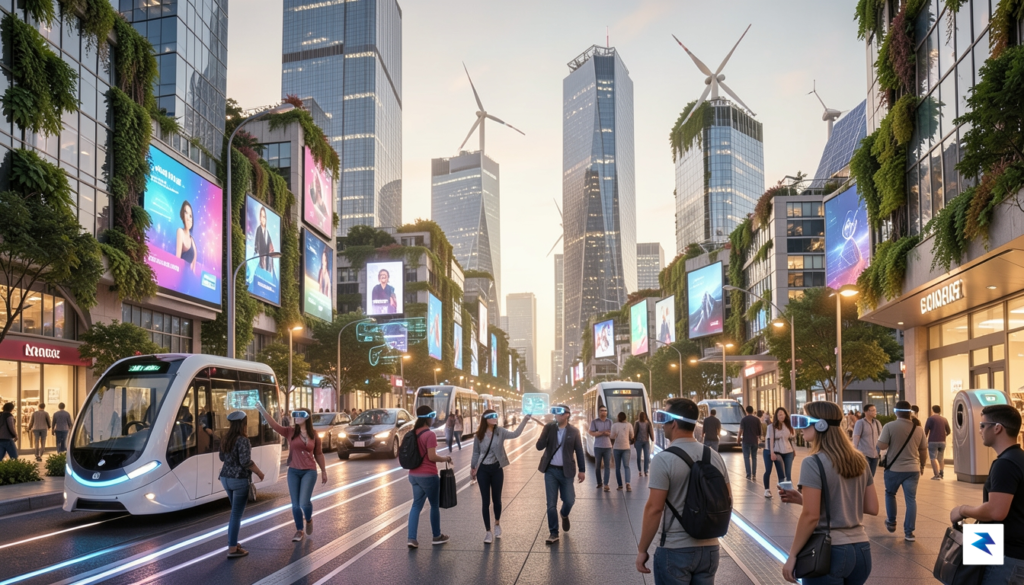
Meta’s pivot toward a subscription-based model for smart glasses features is not merely an isolated business experiment; it represents a fundamental shift in the economics of consumer hardware. By tethering core functionality to recurring payments, the industry is effectively moving away from the traditional “transactional” model—where you buy a device once and own its features outright—toward a “service-utility” model. Competitors in the wearable space, from tech giants to specialized startups, are undoubtedly watching these metrics closely. If Meta successfully maintains user retention through these paywalled features, we should expect a rapid, industry-wide race to replicate this revenue stream, transforming once-static hardware into dynamic, evolving platforms that demand a permanent seat in our monthly household budgets.
This shift introduces the tantalizing, yet potentially contentious, prospect of “tiered hardware.” In this future, the upfront price of high-end AR glasses could be significantly subsidized by long-term subscription commitments, much like the way smartphones were once tied to multi-year carrier contracts. While this might lower the barrier to entry for consumers who cannot afford a premium, one-time purchase price, it creates a “hardware trap” where the device becomes a “brick” the moment a user stops paying. This evolution will likely force consumers to weigh the cost of long-term ownership against the perceived value of continuous software updates and AI-driven enhancements, fundamentally changing how we perceive the lifespan of our personal gadgets.
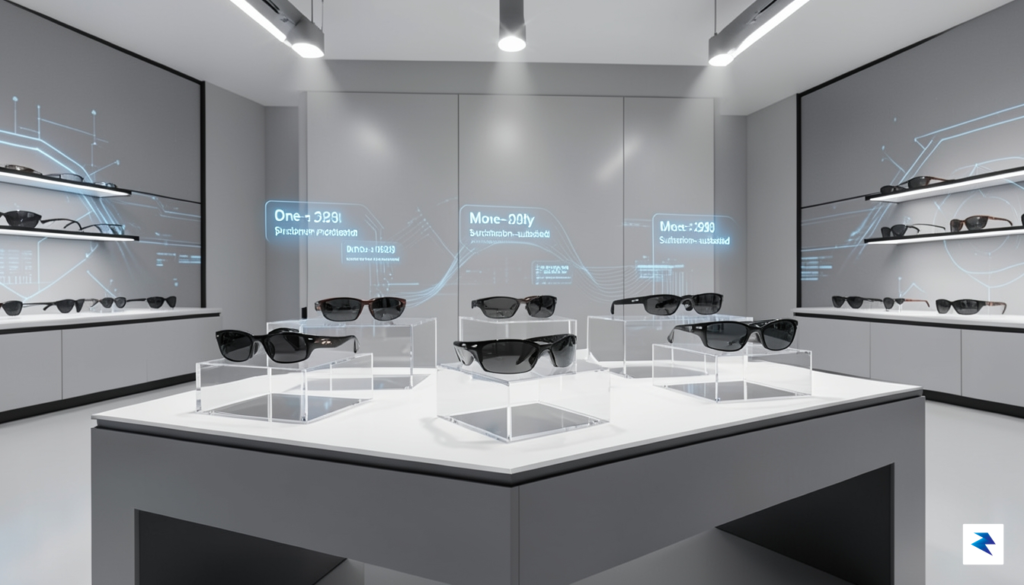
The transition from product ownership to service subscription marks the end of the era where hardware was a finished good the moment it left the factory floor; it is now a living, subscription-dependent gateway to digital services.
Ultimately, this model will drastically reshape the landscape of consumer brand loyalty. In the past, loyalty was earned through build quality, customer support, and the longevity of the physical product. Now, loyalty will be measured by the “stickiness” of the ecosystem—how seamlessly the AI integrates into the user’s daily life and how indispensable the cloud-based features become. Companies that successfully iterate on these features will command higher lifetime value, but they also face a greater risk: if the perceived value of the subscription dips, users will have a much easier time abandoning the brand entirely in favor of a competitor. As we move deeper into this new era, the real question is whether consumers will accept being “renters” of their own wearable experiences, or if a backlash will eventually force a return to transparent, one-time pricing models.

The transition toward subscription-based hardware fundamentally alters the traditional understanding of consumer ownership. By embedding critical features behind a recurring paywall, companies like Meta are effectively shifting the status of high-end hardware from a purchased asset to a leased service. When a device you have already paid for in full can be functionally “downgraded” via a remote software update, it erodes the implicit contract that once existed between manufacturer and buyer. This shift forces us to ask whether we truly own the technology on our faces, or if we are merely renting access to features that the manufacturer can revoke at their convenience.

At the heart of this issue lies the often-impenetrable End User License Agreement (EULA). These legal documents are designed to protect the manufacturer’s ability to pivot business models at the expense of user autonomy. By clicking “I Agree,” users are frequently signing away their rights to the long-term integrity of their hardware, granting firms the authority to disable functions that were once advertised as core selling points. This creates a precarious landscape where product sustainability is no longer determined by the physical durability of the components, but by the shifting whims of a company’s quarterly revenue targets. When software becomes the gatekeeper of hardware performance, the concept of “planned obsolescence” is elevated from a design choice to a digital mandate.
True consumer autonomy depends on the ability to maintain and utilize purchased technology without external interference or the threat of feature revocation.
This trend also presents a profound environmental challenge that contradicts the growing urgency for sustainable technology. When hardware is rendered less useful or entirely obsolete because a user stops paying a monthly fee, the inevitable result is an increase in e-waste. This deliberate degradation of hardware life cycles forces consumers to replace functional devices simply because the software ecosystem has changed. To combat this, we must demand a new standard of transparency from tech giants. Consumers should be entitled to clear, unambiguous disclosures regarding the minimum guaranteed lifespan of every hardware feature at the point of sale.
To reclaim control, the tech industry needs a robust “right-to-use” movement that parallels existing right-to-repair initiatives. Legislation must evolve to ensure that if a feature is advertised as part of the hardware’s capability, it should remain accessible for the reasonable life of the device, regardless of subscription status. We need to advocate for:
Ultimately, the power to shift this paradigm lies with the consumer. By questioning the ethics of gatekept hardware today, we prevent the normalization of a future where our personal devices are perpetually held hostage by subscription models that favor corporate profits over user longevity.
You must be logged in to post a comment.